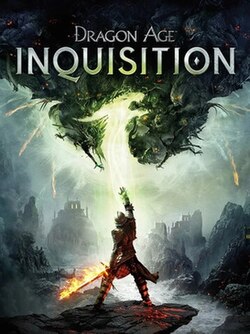
Introduction: The Next Chapter for Dragon Age: Inquisition
Dragon Age: Inquisition arrived in 2014 as the highly anticipated sequel to Dragon Age II, carrying the weight of expectation from fans who deeply cherished the original, Dragon Age: Origins. BioWare aimed to recapture the magic while addressing criticisms leveled at its predecessor. Inquisition promised a return to expansive open worlds, complex character interactions, and a compelling narrative – a delicate balancing act between honoring legacy and forging new ground. The game places players in the role of the Inquisitor, tasked with uniting warring factions and closing a massive tear in the sky known as the Breach, which is unleashing demons upon Thedas. This Masterclass Deep-Dive will dissect every facet of Inquisition, from its Frostbite 3 engine implementation to its narrative intricacies.
Visual Direction and Graphics Engineering
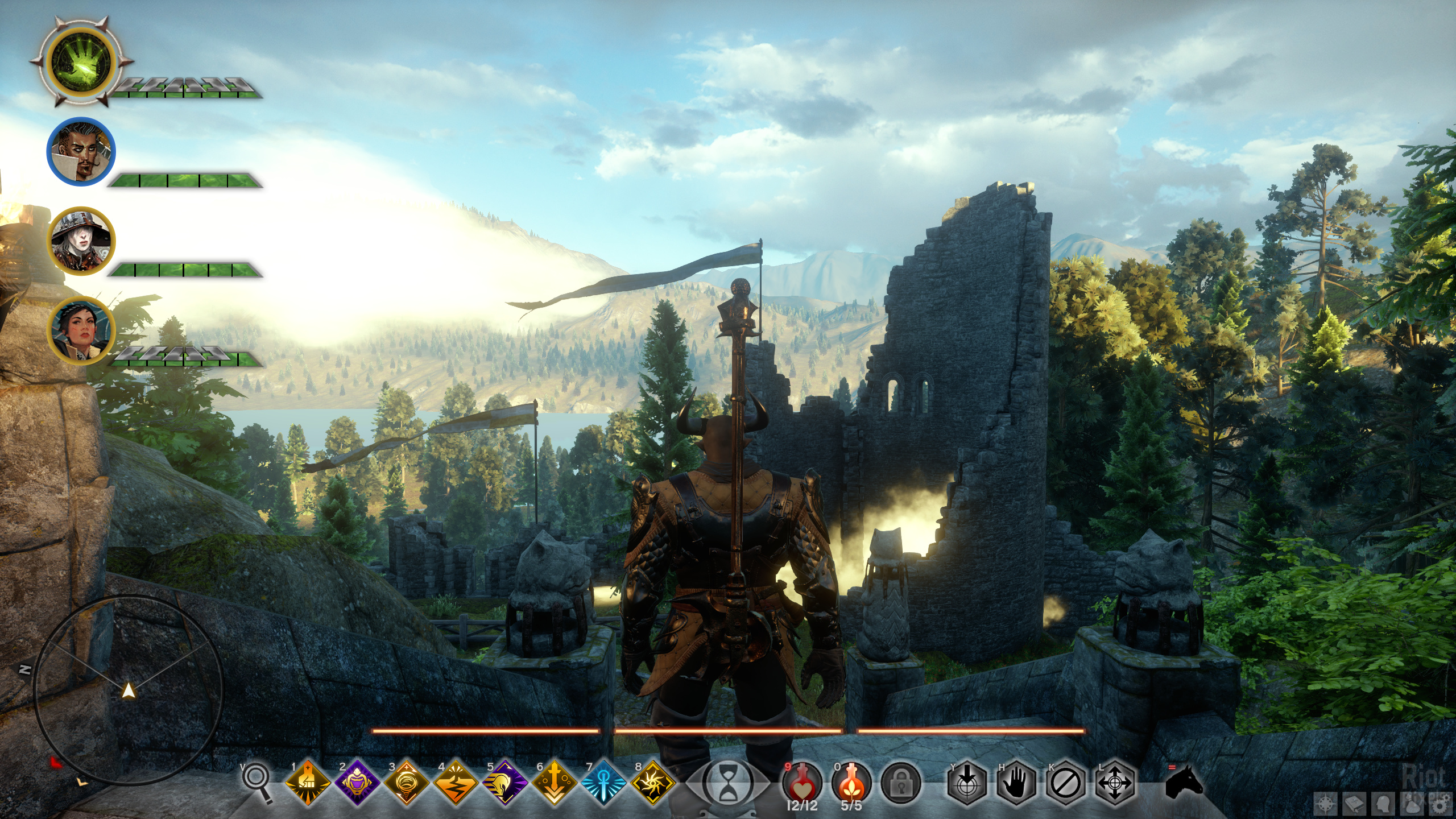
Dragon Age: Inquisition leverages the power of the Frostbite 3 engine, a choice that significantly impacted its visual fidelity. While Frostbite is known for its strengths in rendering realistic environments and character models, it also presented unique challenges for BioWare’s artists. The game boasts stunning vistas, detailed textures, and dynamic lighting effects that bring the world of Thedas to life. Character models are highly detailed, reflecting the diverse races and cultures within the game. However, early reports suggested optimization issues on certain platforms, leading to performance dips in densely populated areas. BioWare implemented various techniques to mitigate these problems, including level-of-detail scaling and aggressive texture streaming. The visual direction aimed for a blend of realism and fantasy, creating a believable yet fantastical world that drew players into its rich tapestry.
Gameplay Mechanics and Core Systems
Inquisition’s gameplay builds upon the foundations laid by its predecessors while introducing significant refinements. The core combat system is real-time with tactical pause, allowing players to strategically position their companions and unleash devastating abilities. A key addition is the “War Table,” a strategic layer where players can send advisors on missions that provide resources, influence, and story progression. This system adds depth and allows for player agency in shaping the narrative’s direction. The game features a robust character customization system, allowing players to fine-tune their Inquisitor’s appearance, skills, and abilities. Companion characters are also highly developed, each with their own unique backstories, motivations, and personal quests that unfold as the story progresses.
Level Design and World Atmosphere
The world of Thedas in Inquisition is vast and varied, encompassing sprawling landscapes, bustling cities, and treacherous dungeons. Level design emphasizes exploration and discovery, rewarding players who venture off the beaten path. Each region possesses its own distinct atmosphere, from the sun-drenched coastlines of Orlais to the war-torn lands of Ferelden. The game’s open-world structure allows for a greater sense of freedom and agency, encouraging players to forge their own path through the narrative. However, this also presented challenges in maintaining consistent quality across all areas, with some regions feeling less polished than others.
Narrative Depth and Character Profiles
The heart of any Dragon Age game lies in its compelling narrative and memorable characters, and Inquisition is no exception. The story revolves around the Inquisitor’s quest to unite a fractured world and close the Breach, but it also delves into complex themes of power, corruption, and faith. Companion characters are richly developed, each with their own motivations, flaws, and personal arcs that intertwine with the main storyline. Players can build relationships with these companions through dialogue choices and actions, influencing their loyalty and unlocking unique quests. The narrative is driven by player choice, allowing for multiple endings and a highly personalized experience.
Sound Design and Acoustic Realism
The sound design in Dragon Age: Inquisition plays a crucial role in immersing players in the world of Thedas. From the subtle rustling of leaves to the thunderous roar of dragons, every sound is meticulously crafted to enhance the atmosphere and create a sense of realism. The game features a dynamic soundtrack composed by Trevor Morris, which seamlessly blends orchestral scores with ambient soundscapes. Voice acting performances are top-notch, bringing depth and emotion to the characters’ dialogue. The combination of stunning visuals and immersive audio creates a truly captivating experience.
Release Expectations and Community Hype
The release of Dragon Age: Inquisition was met with immense anticipation from fans eager to return to Thedas after the divisive reception of Dragon Age II. Marketing campaigns focused on showcasing the game’s expansive world, compelling characters, and improved gameplay mechanics. Pre-order bonuses and collector’s editions further fueled the hype surrounding the title. While initial reviews were largely positive, some criticisms emerged regarding performance issues and certain design choices. Despite these concerns, Inquisition ultimately proved to be a commercial success, exceeding sales expectations and solidifying its place as a major entry in the Dragon Age franchise.
Conclusion: The Future of Dragon Age: Inquisition
Dragon Age: Inquisition represents a significant step forward for the franchise, successfully blending elements from its predecessors while addressing criticisms leveled at Dragon Age II. Its stunning visuals, immersive sound design, and compelling narrative create a truly captivating experience. While not without its flaws, Inquisition ultimately delivers on its promise of an epic adventure in the world of Thedas. The game’s success paved the way for future installments in the franchise, hinting at even greater adventures to come.
Source: Wikipedia


