Introduction: The Next Chapter for Dragon Age II
Dragon Age II, released in 2011 by BioWare and published by Electronic Arts, represents a significant departure from its predecessor, Dragon Age: Origins. While Origins established the rich lore and intricate world of Thedas, Dragon Age II aimed to deliver a more focused narrative experience centered around the character of Hawke. This installment takes players on a decade-long journey through the city of Kirkwall, exploring themes of political intrigue, social upheaval, and personal transformation. Despite its shorter development cycle compared to Origins, Dragon Age II attempted to maintain the series’ hallmark depth in storytelling and character interaction, albeit with a more streamlined gameplay loop.
Visual Direction and Graphics Engineering
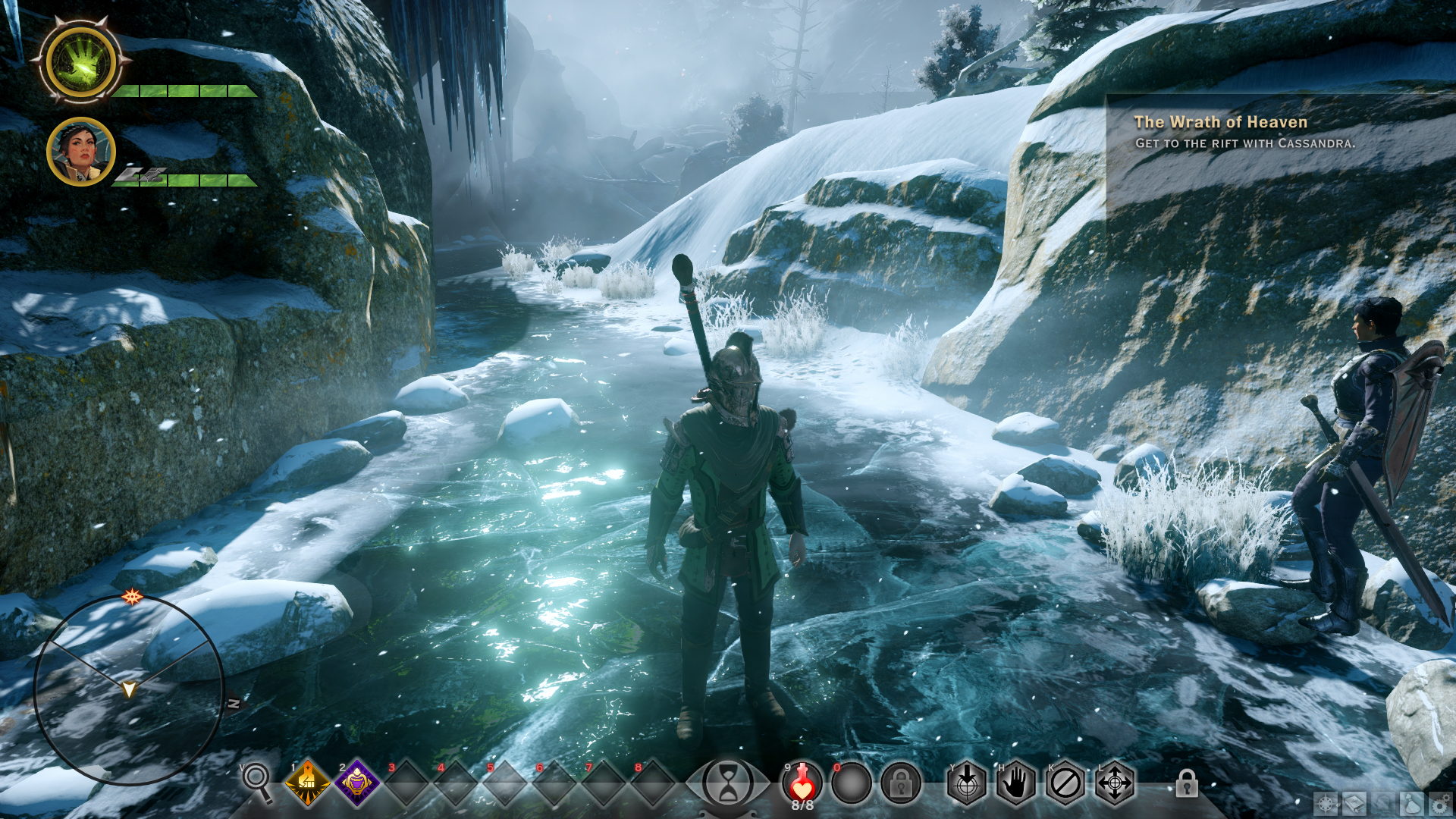
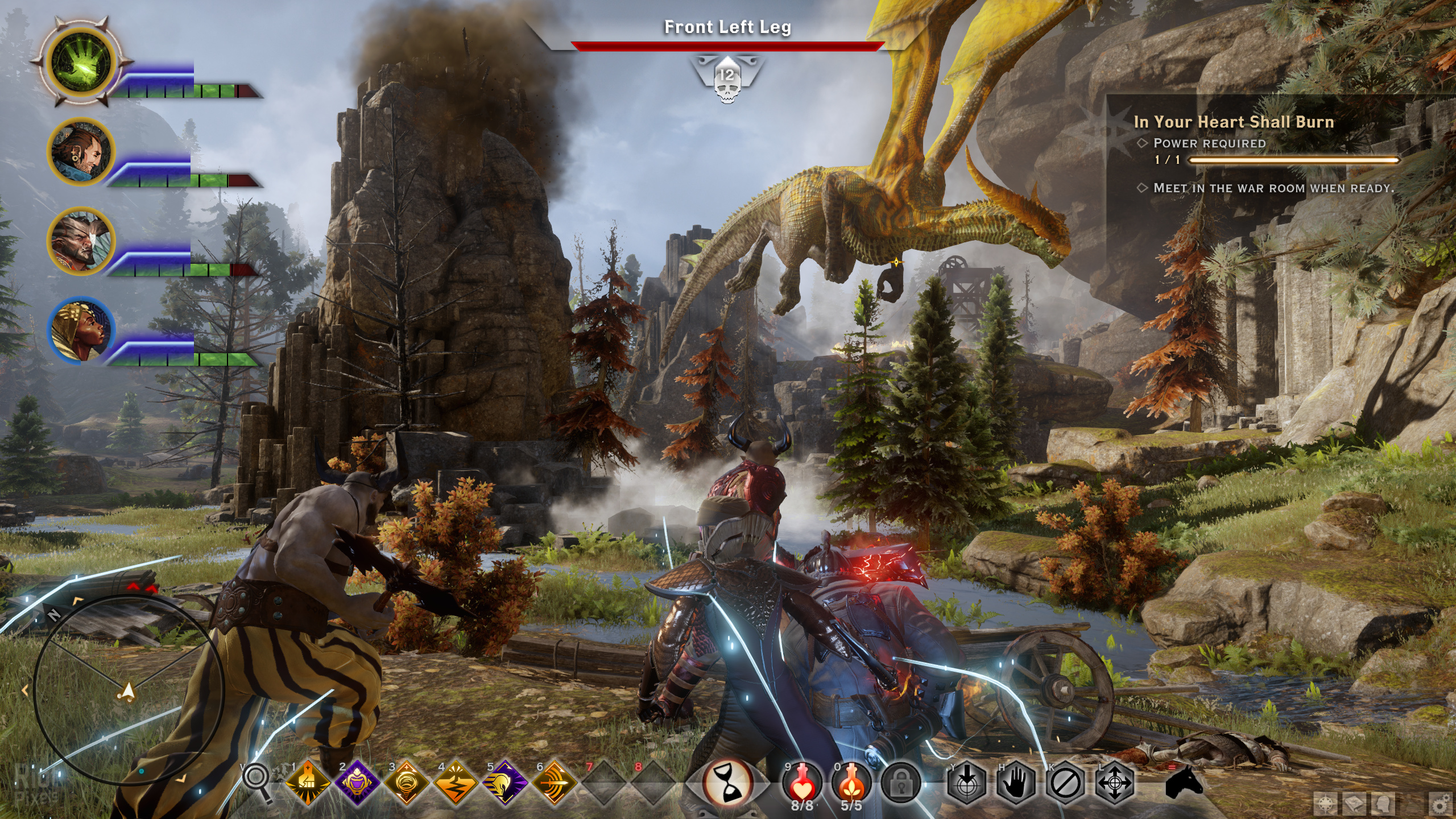
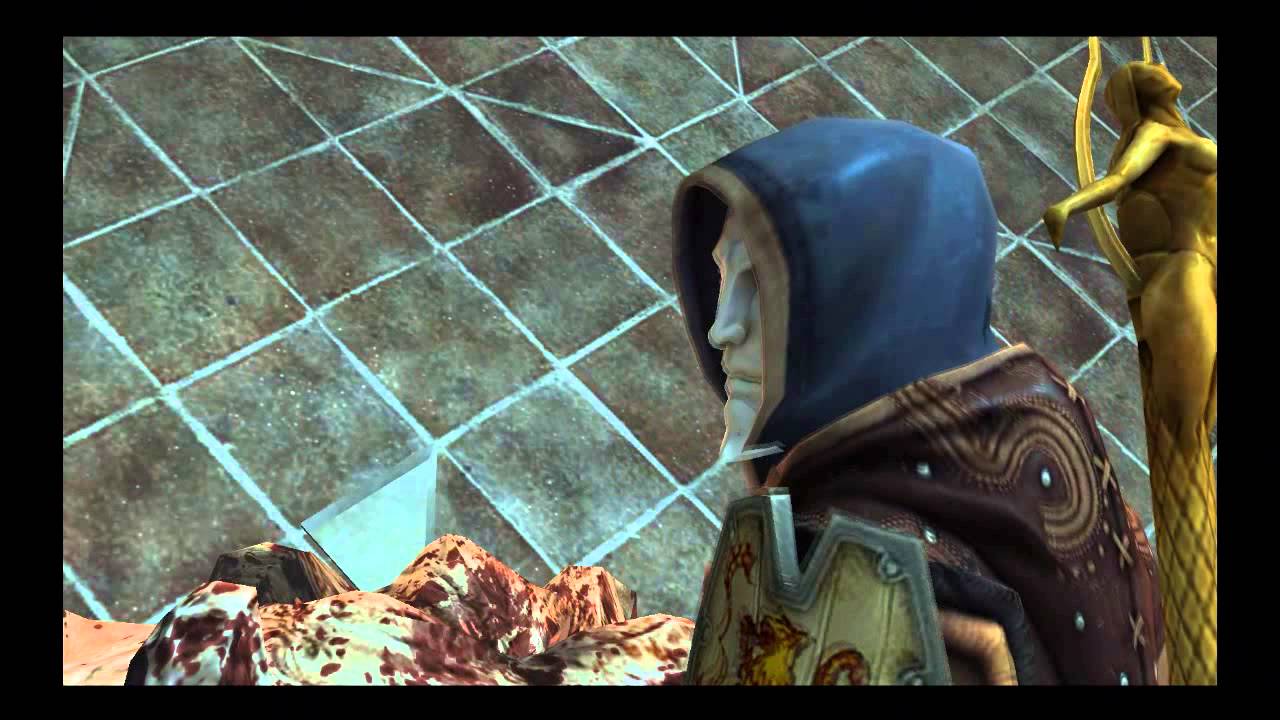
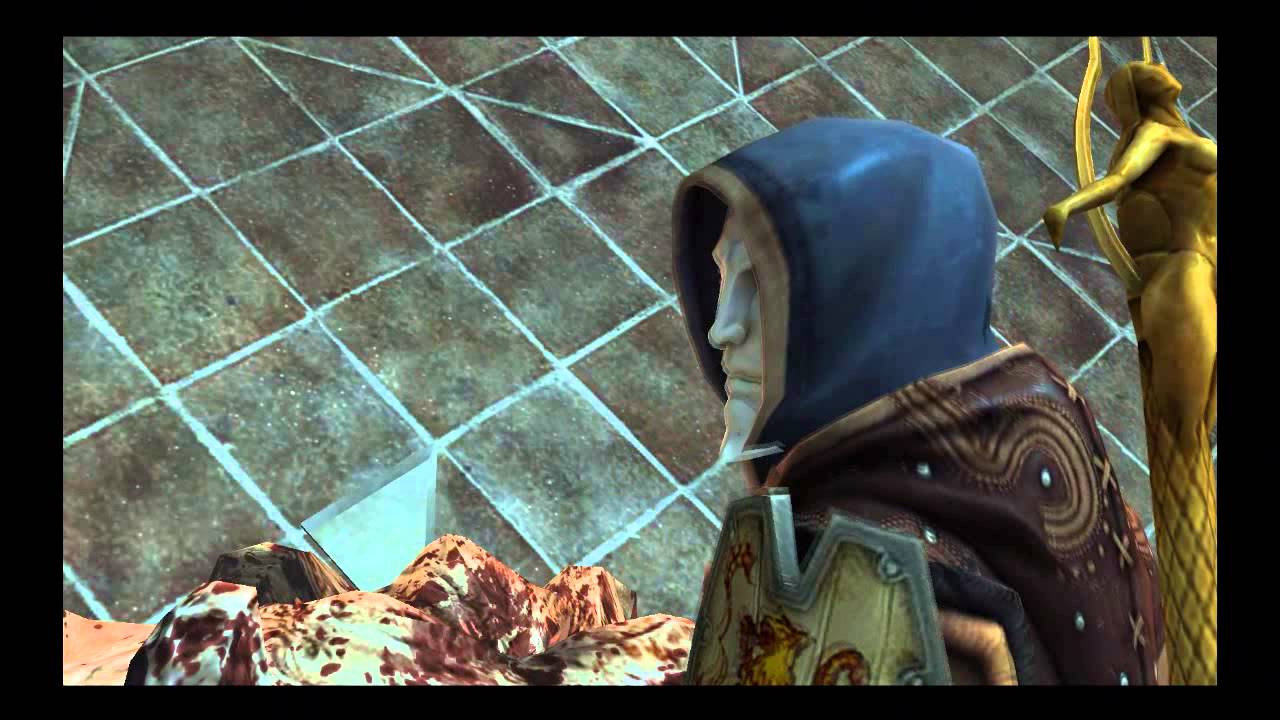
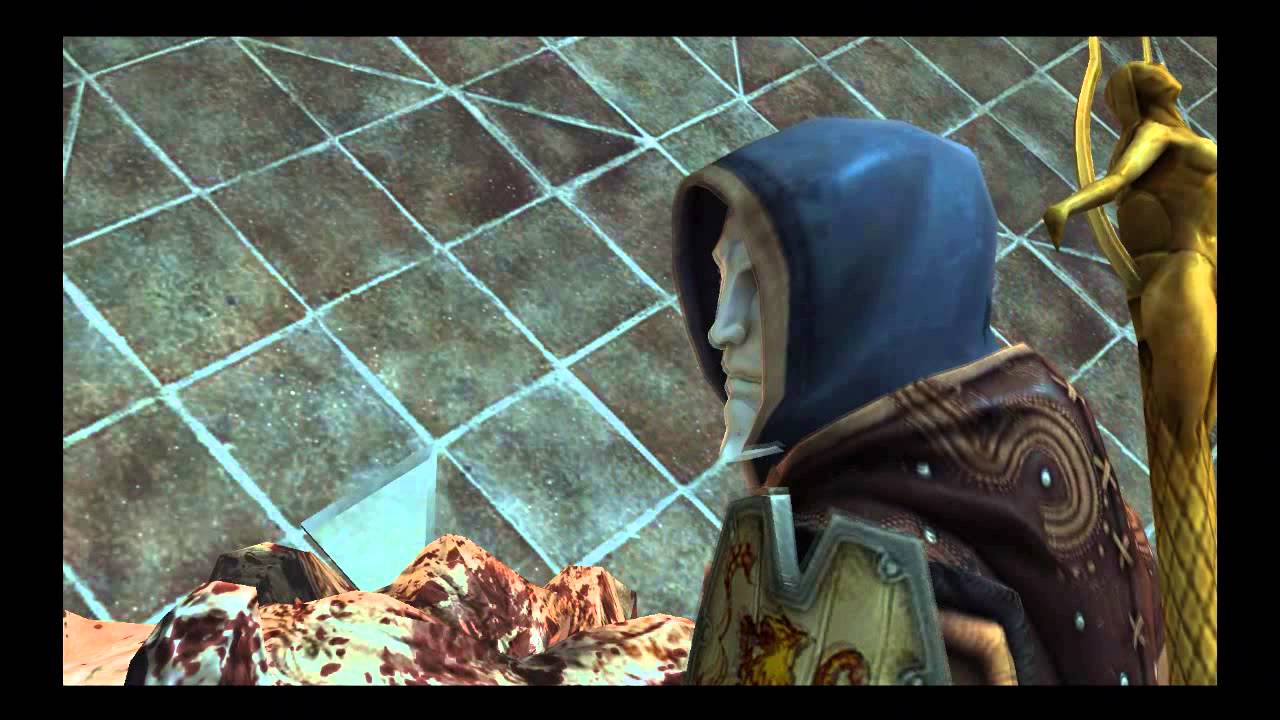
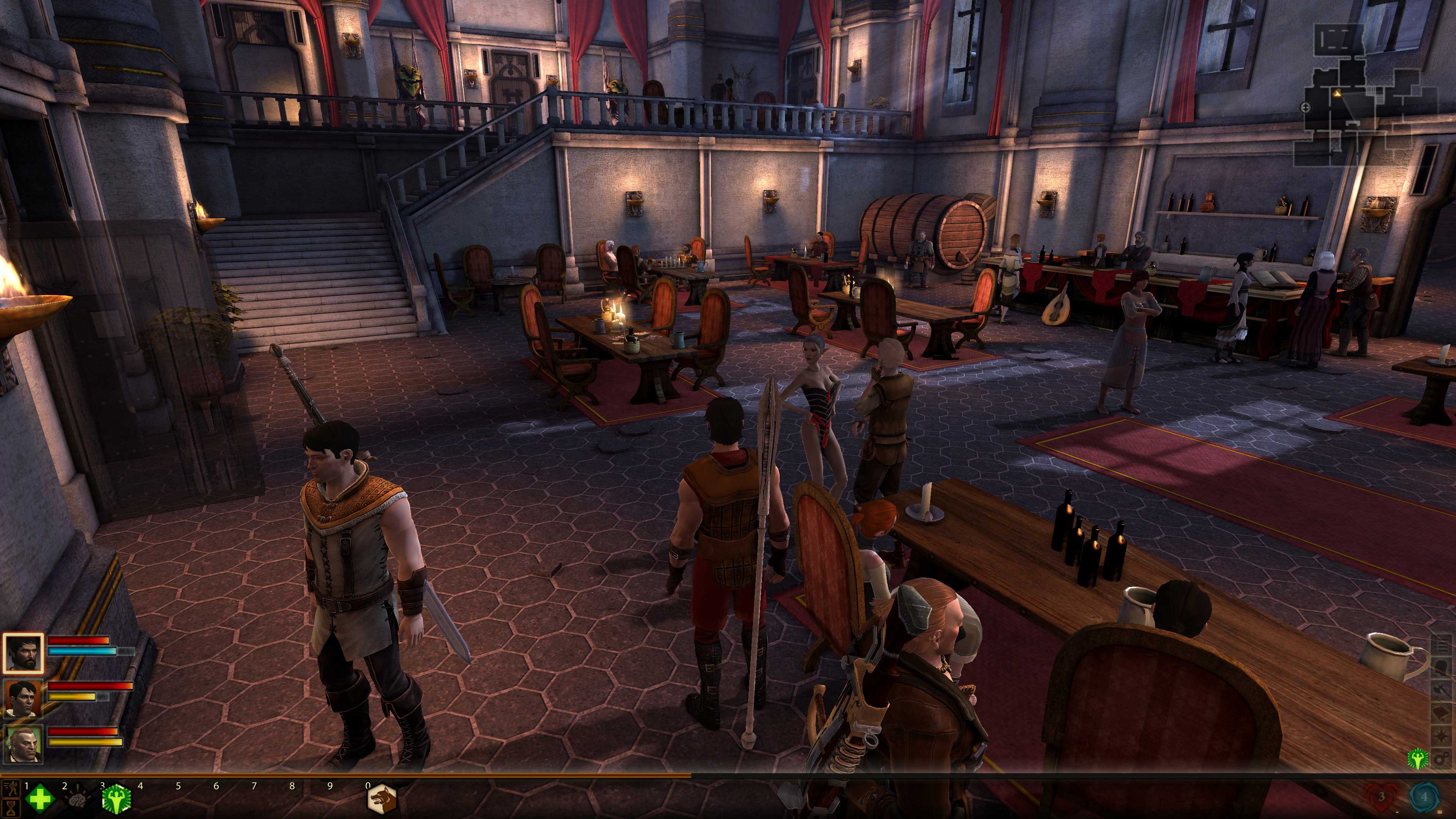
Dragon Age II leveraged the Lycium Engine, an evolution of the engine used for Dragon Age: Origins. While visually distinct, the game retained some familiar design elements while striving for improved performance and visual fidelity. The environments, particularly Kirkwall, were designed to be more detailed and reactive than those found in Origins. Character models received significant upgrades, allowing for a wider range of expressions and animations. However, the compressed development timeline resulted in noticeable asset reuse across various locations, which became a point of criticism from some players. The visual style aimed to be more grounded and realistic compared to the fantasy grandeur often associated with RPGs, reflecting the game’s focus on urban environments and political realism.
Gameplay Mechanics and Core Systems
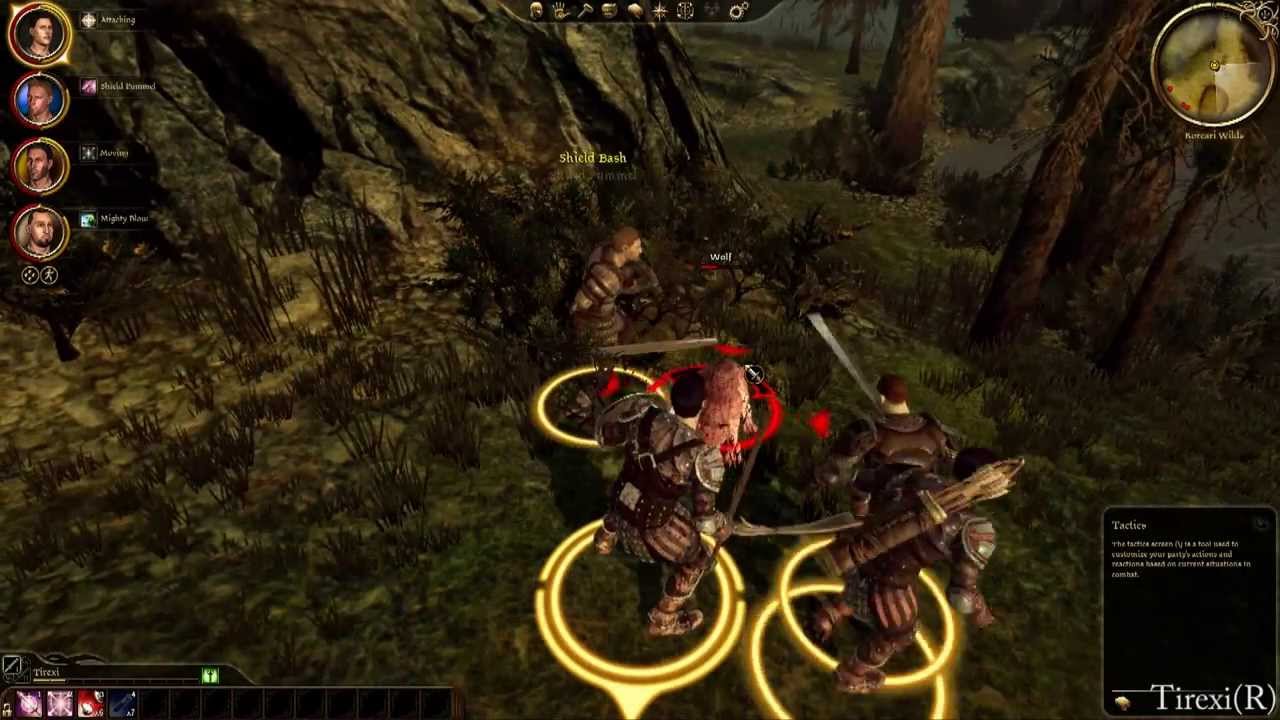
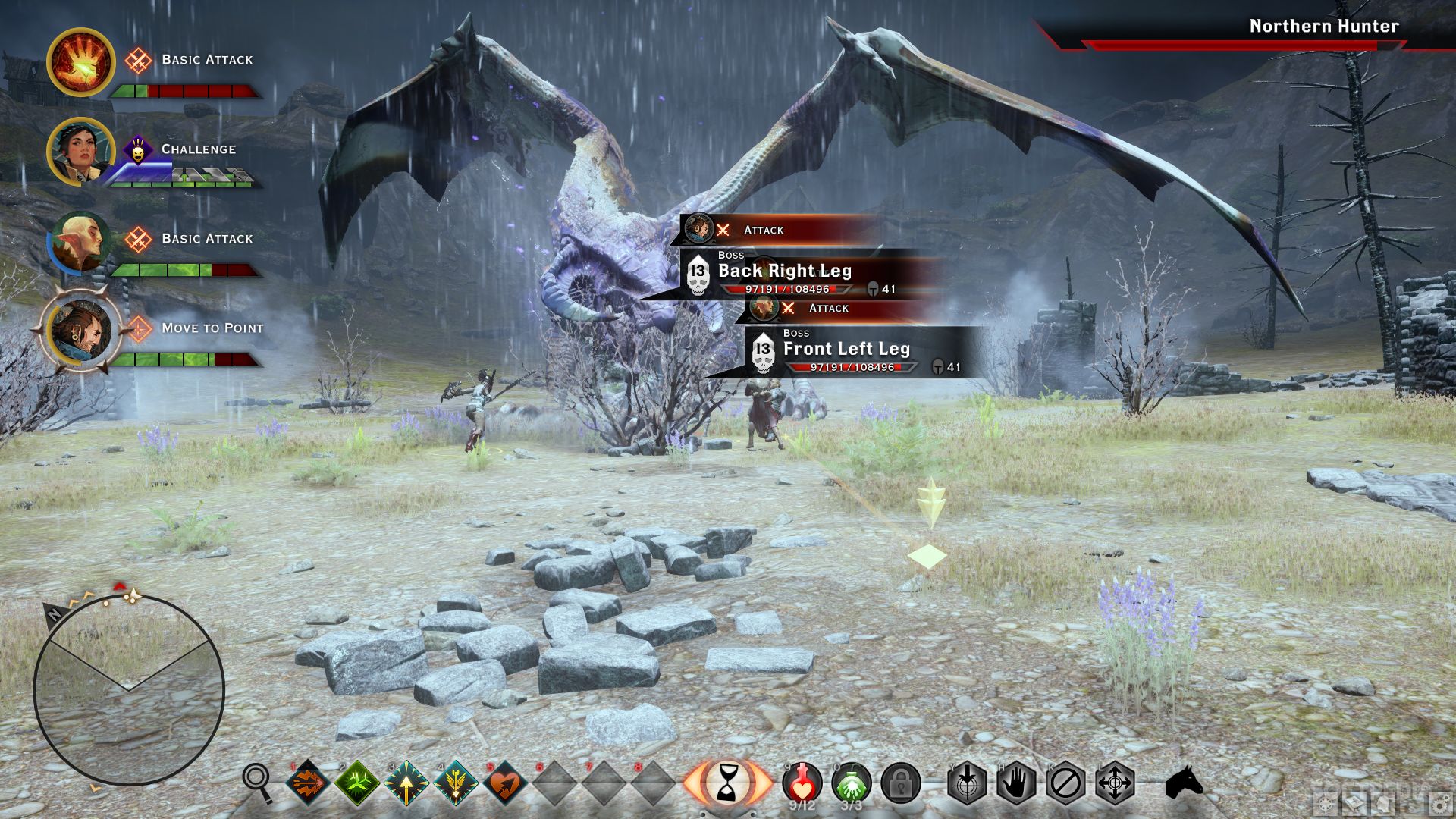
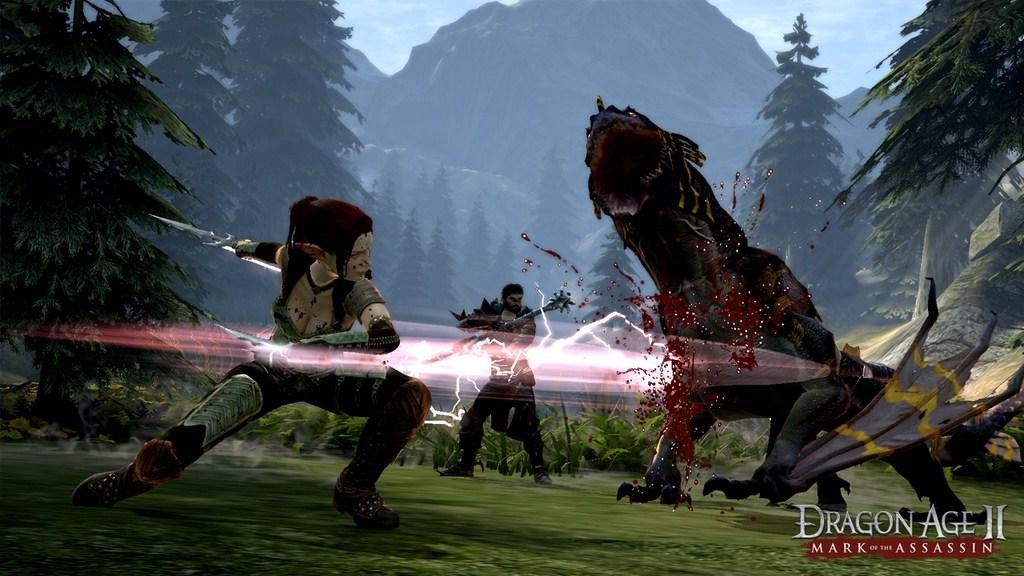
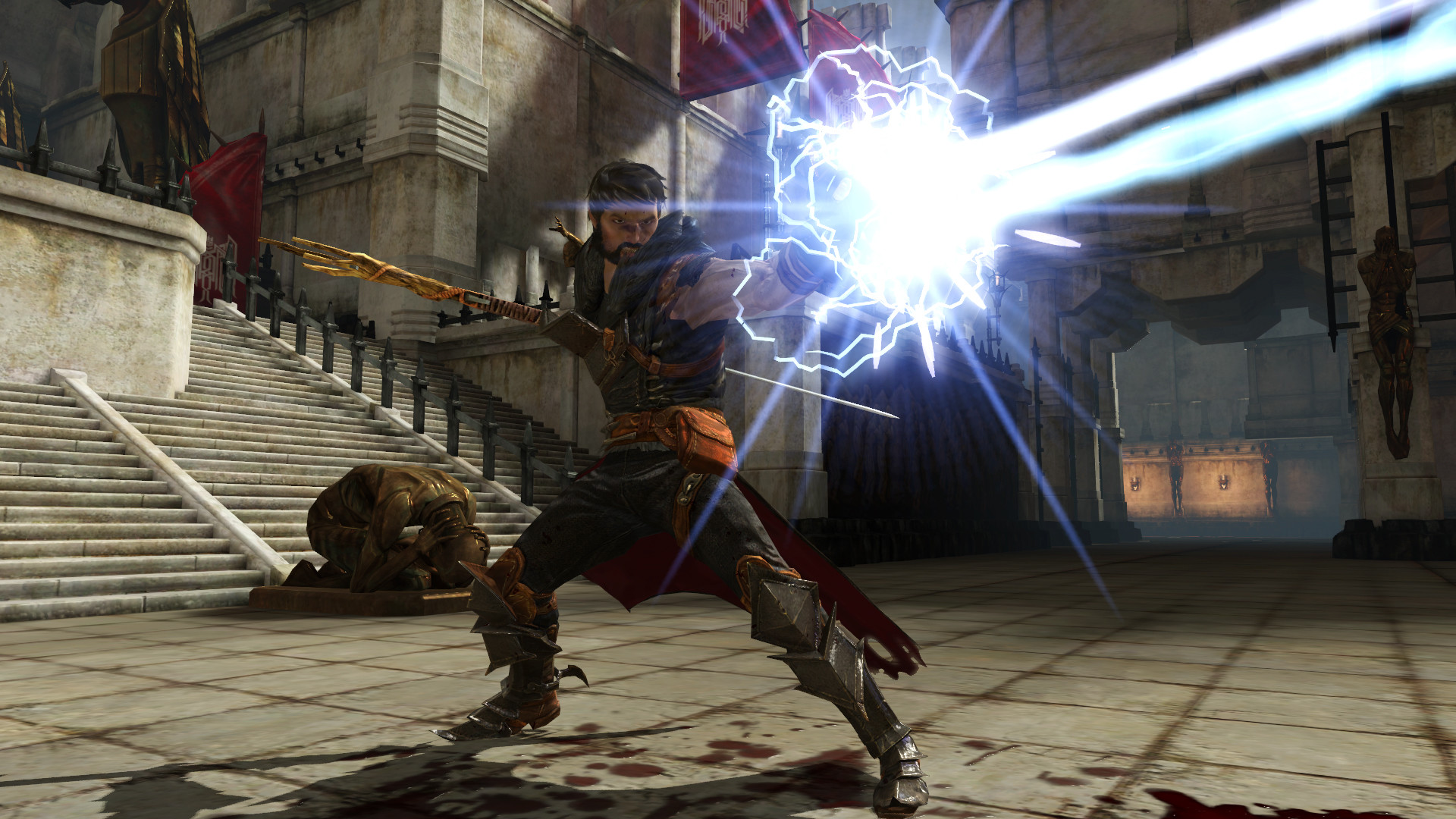
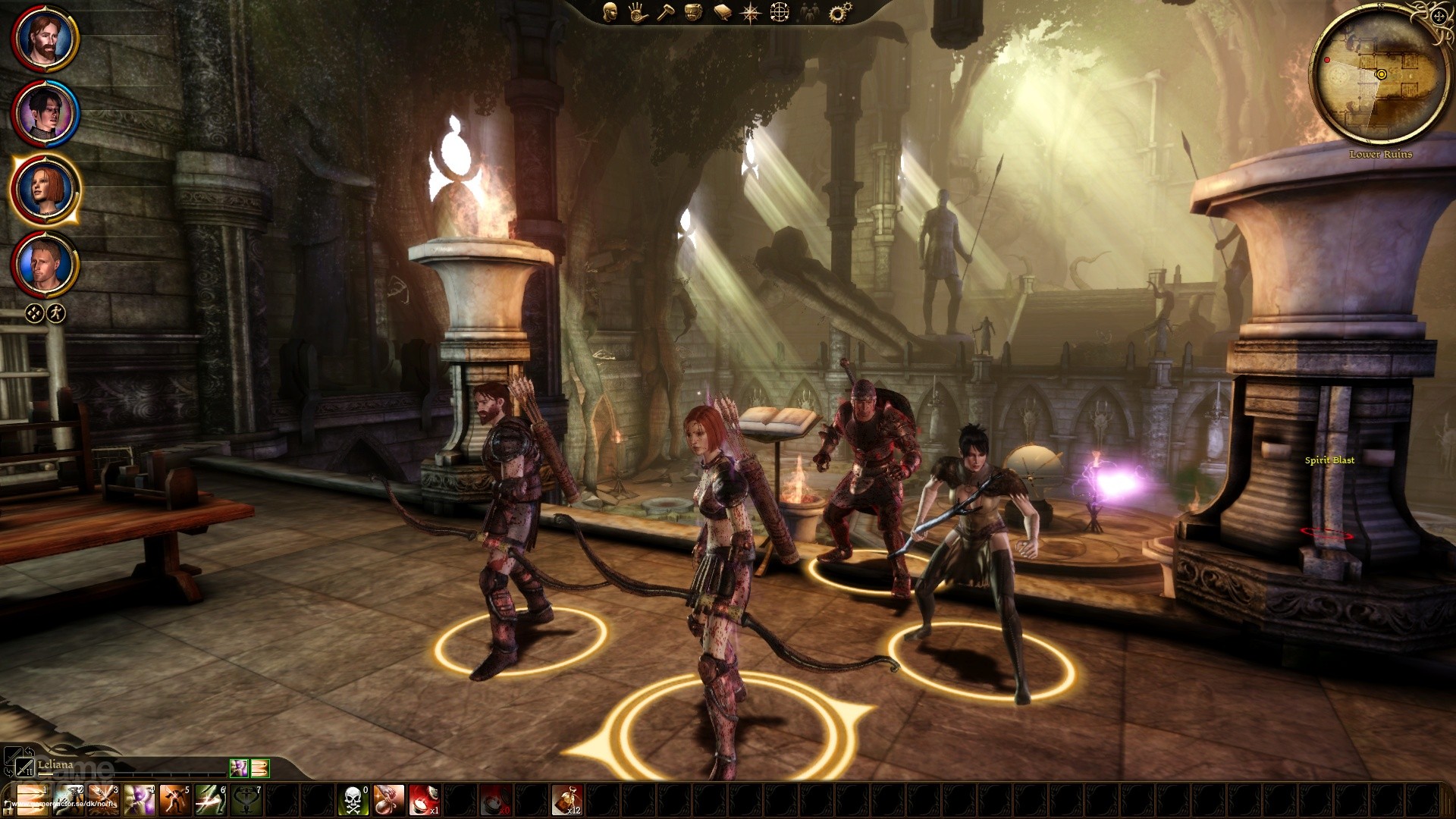
Dragon Age II introduced several gameplay refinements over Origins. Combat became faster-paced and more action-oriented, emphasizing tactical positioning and character specialization. The party system remained a core element, allowing players to recruit and develop companions with unique abilities and backstories. A new “approval” system tracked companion relationships based on player choices and actions, influencing their interactions and potentially unlocking exclusive quests or romances. While the overall structure followed the familiar RPG formula of exploration, combat, and character progression, Dragon Age II streamlined certain aspects, such as inventory management and quest design, to create a more accessible experience for a wider audience.
Level Design and World Atmosphere
Kirkwall serves as the central hub of Dragon Age II, offering a diverse range of districts, from the opulent noble quarter to the impoverished slums. The level design aimed to capture the gritty realism of an urban environment grappling with social inequality and political corruption. While the game’s scope was more limited geographically compared to Origins, the developers attempted to create a sense of verticality and interconnectedness within Kirkwall, encouraging exploration and discovery. The changing seasons and dynamic weather systems further enhanced the atmosphere, adding another layer of immersion for players.
Narrative Depth and Character Profiles
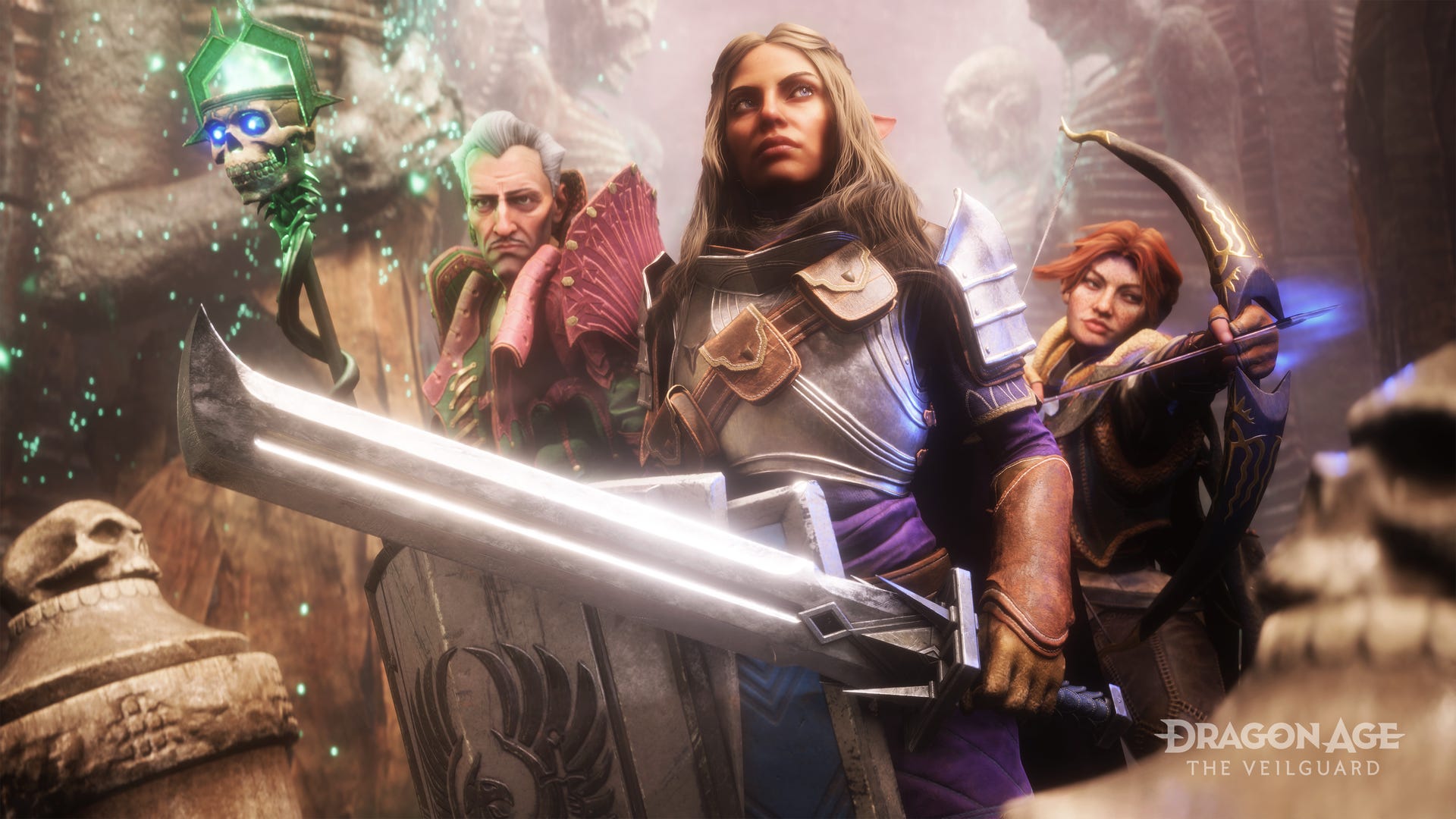
The narrative in Dragon Age II revolves around Hawke’s journey from a refugee to a legendary figure in Kirkwall. Players make crucial decisions that shape Hawke’s personality and influence the fate of the city. The game features a diverse cast of companions, each with their own motivations, secrets, and relationships with Hawke. These characters offer unique perspectives on the events unfolding in Kirkwall, adding depth and complexity to the story. The choices players make throughout the game have significant consequences, impacting not only the main plot but also the individual storylines of the companions.
Sound Design and Acoustic Realism
The sound design in Dragon Age II played a crucial role in creating an immersive experience for players. The soundtrack, composed by Inon Zur, blended orchestral scores with contemporary music to reflect the game’s blend of fantasy and realism. Environmental sounds were meticulously crafted to bring Kirkwall to life, from the bustling marketplaces to the eerie depths of the Deep Roads. Voice acting was a key element in bringing the characters to life, with each performer delivering nuanced performances that conveyed their character’s emotions and motivations.
Release Expectations and Community Hype
Dragon Age II entered a highly anticipated release window following the success of Dragon Age: Origins. BioWare faced the challenge of meeting player expectations while also innovating on the established formula. The compressed development cycle raised concerns among some fans, who worried about potential compromises in quality. However, the game generated significant hype leading up to its launch, fueled by trailers, gameplay demos, and developer interviews.
Conclusion: The Future of Dragon Age II
Dragon Age II represents a bold experiment within the established framework of the Dragon Age series. While it faced criticism for its shorter development cycle and perceived asset reuse, it also introduced innovative gameplay mechanics and a more focused narrative experience. Its legacy lies in its willingness to take risks and push the boundaries of what a Dragon Age game could be.
The lessons learned from Dragon Age II undoubtedly influenced the development of subsequent installments, shaping the future of the franchise.
Source: Wikipedia






/i.s3.glbimg.com/v1/AUTH_08fbf48bc0524877943fe86e43087e7a/internal_photos/bs/2024/E/e/lVMBxYQT2QPilWTuYpcw/imagem-2024-10-24-151804837.png)