Introduction: Stealth Espionage Reimagined
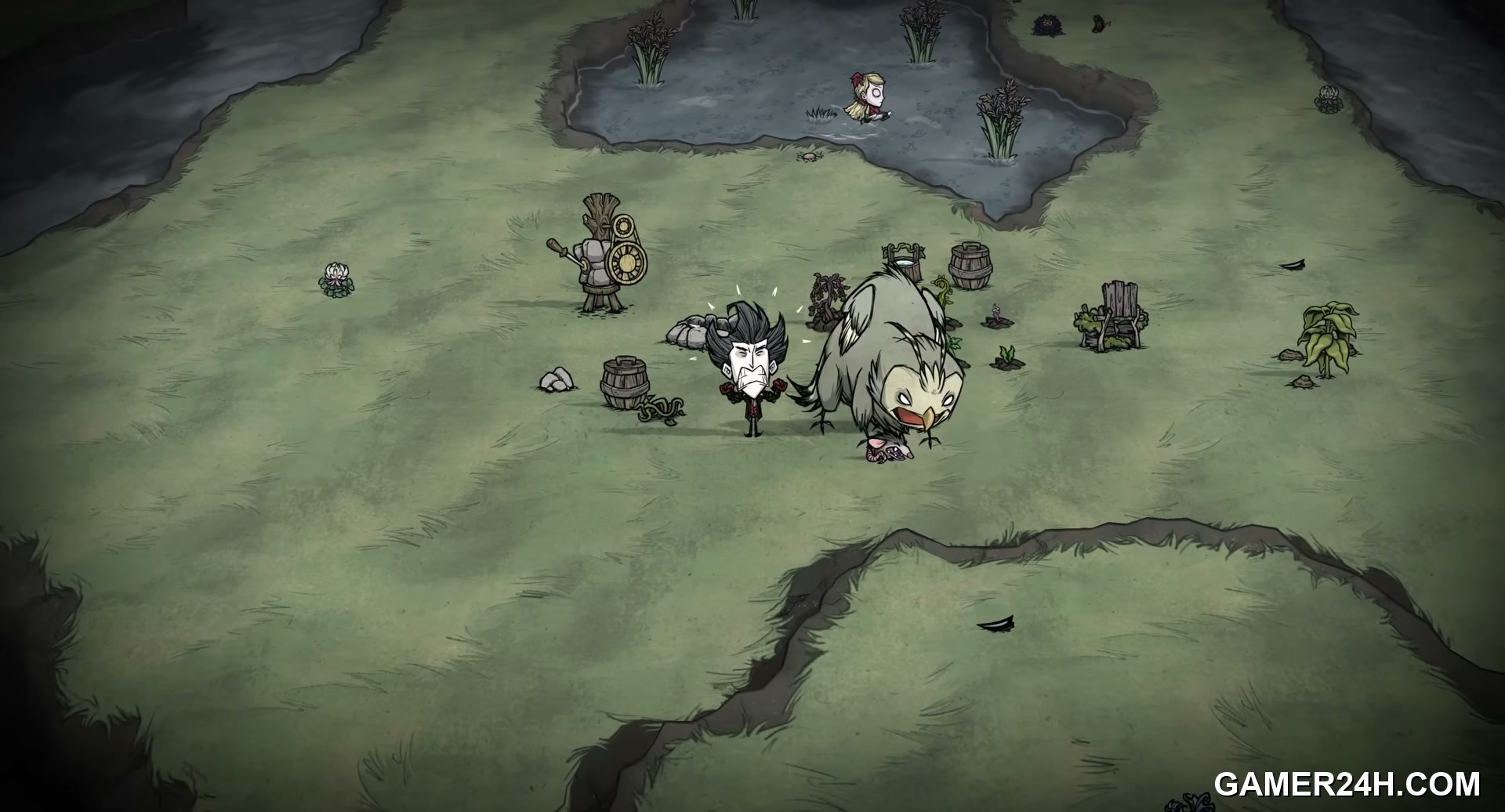
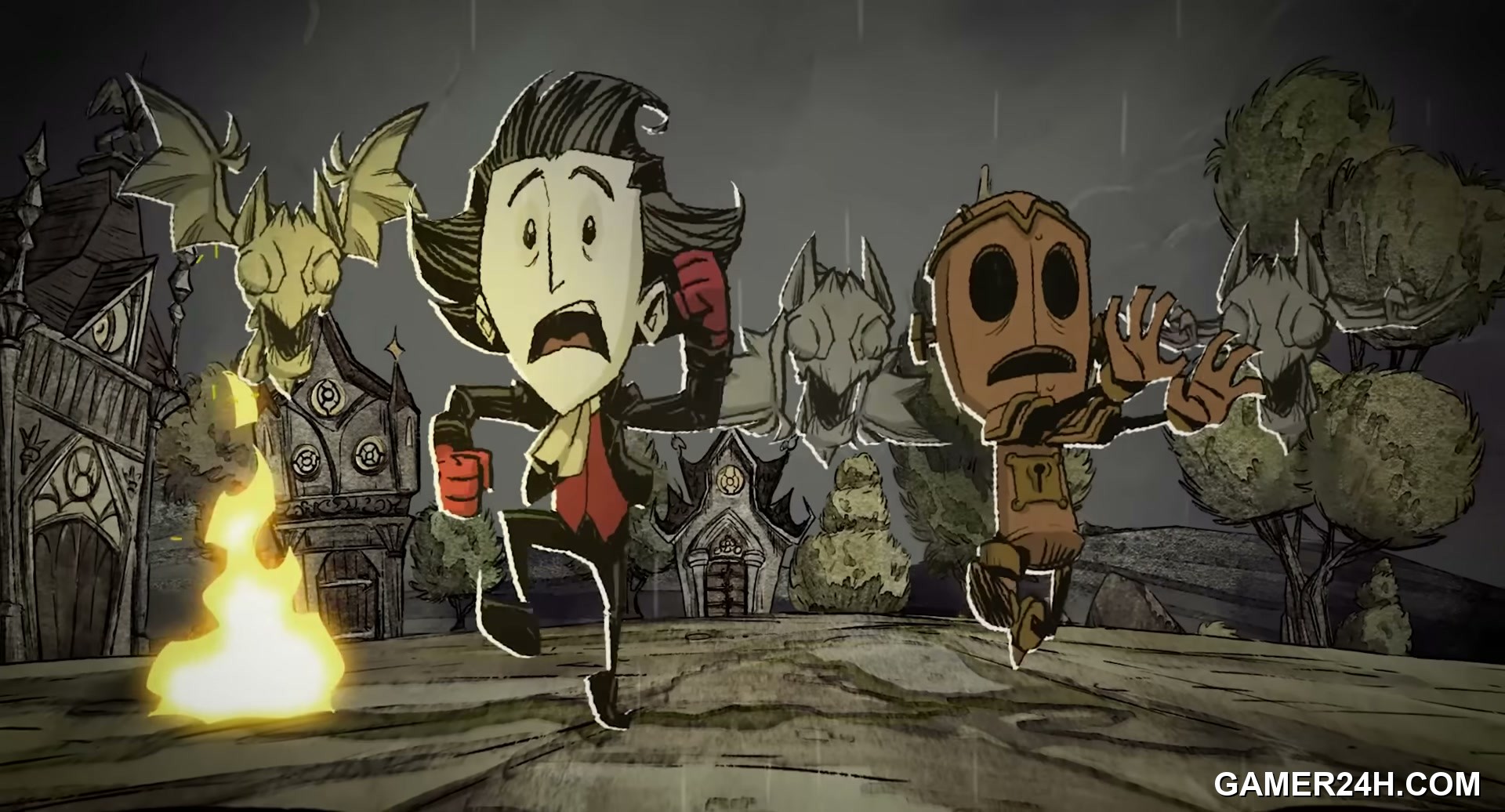
In the ever-evolving landscape of video games, few developers have carved out a niche as uniquely theirs as Klei Entertainment. Known for their intricate survival mechanics and atmospheric narratives, Klei's latest endeavor, "Don't Starve Elsewhere," takes players on an unparalleled journey through a dystopian world where stealth is not just a strategy but a way of life. This game isn’t just another entry in the survival genre; it’s a bold reimagining that challenges players to navigate complex environments, uncover deep-seated mysteries, and confront fears in ways previously unseen.
Visual Splendor: Pushing the Limits of Unreal Engine 5
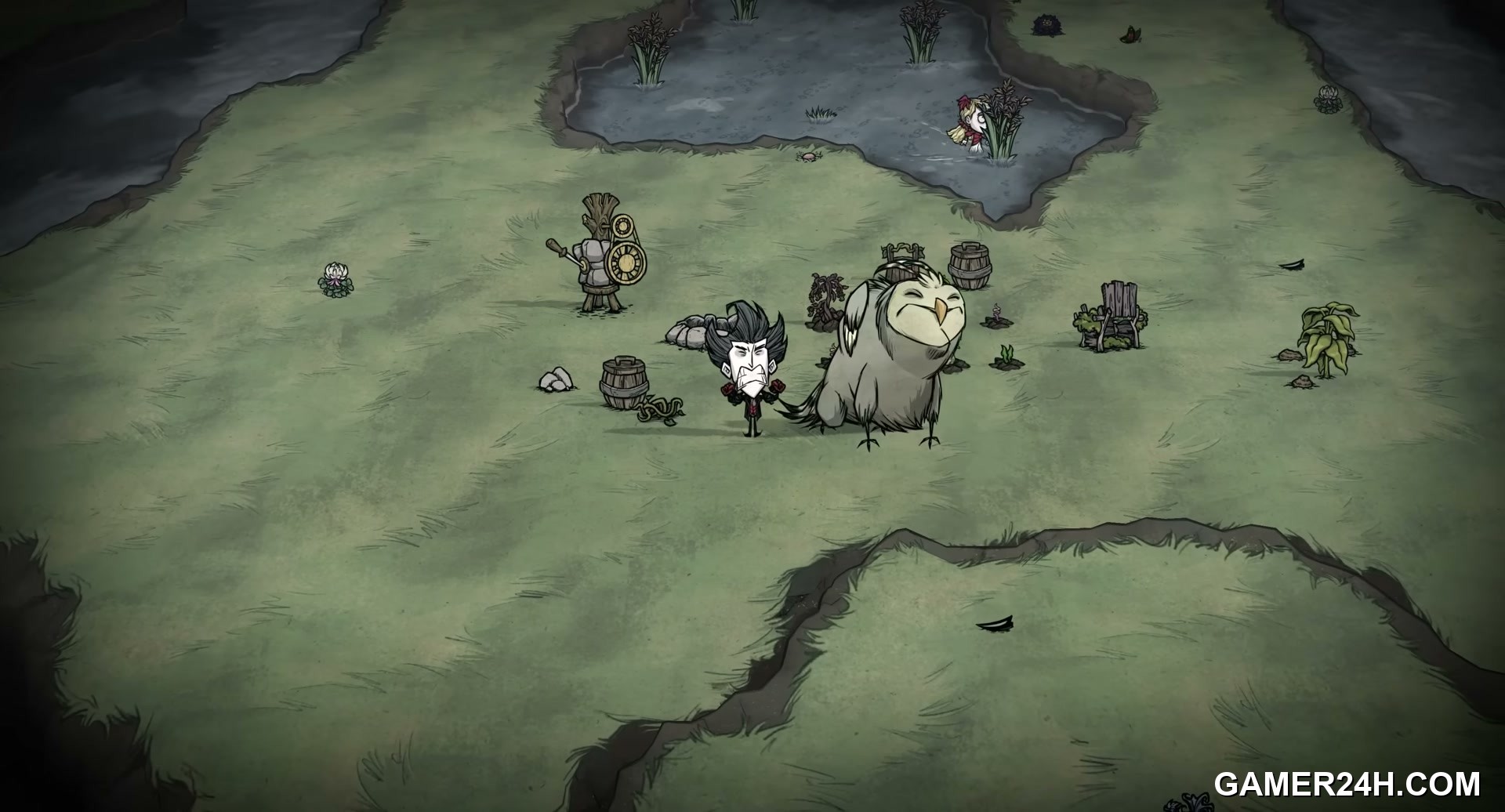
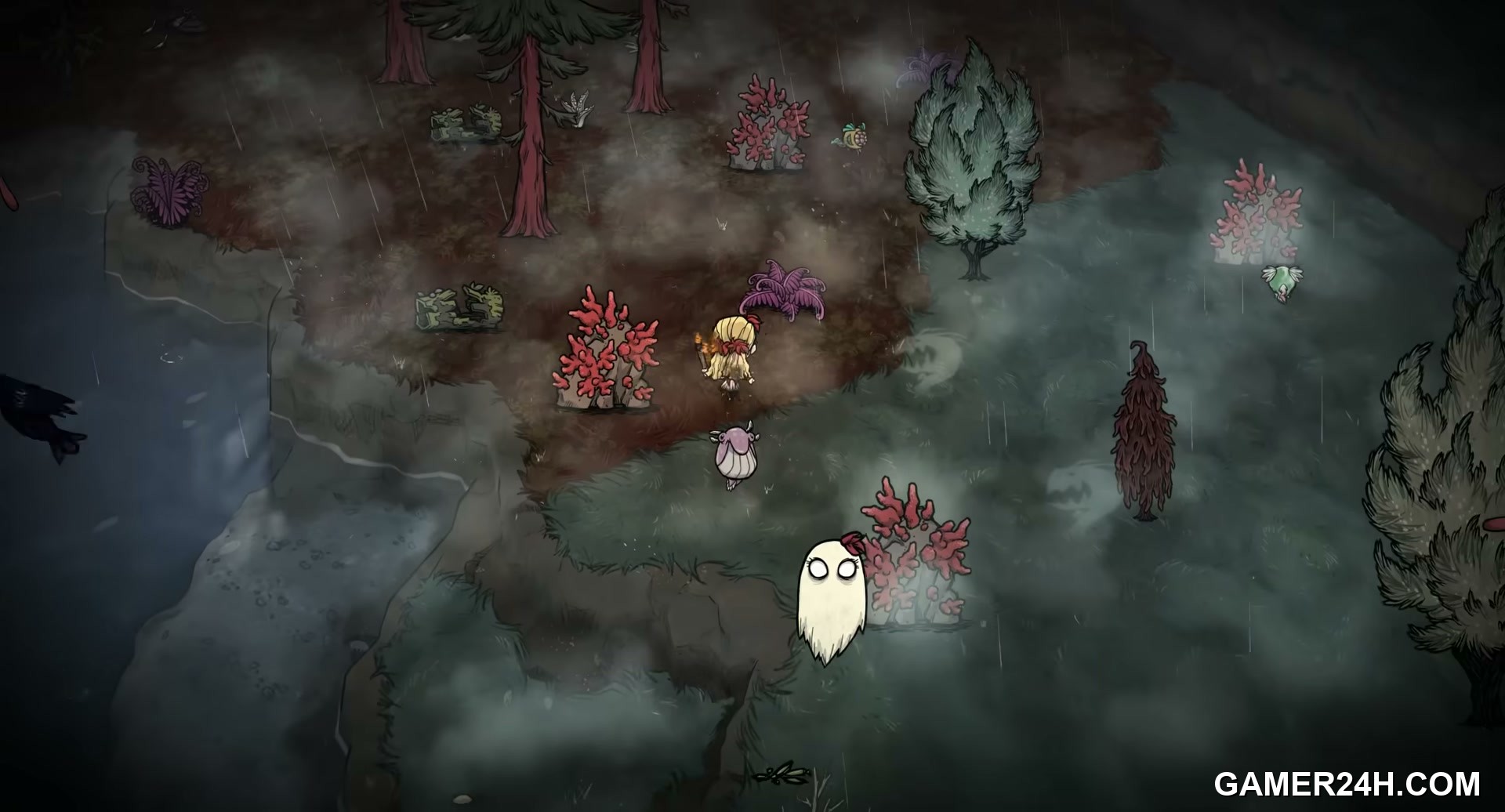
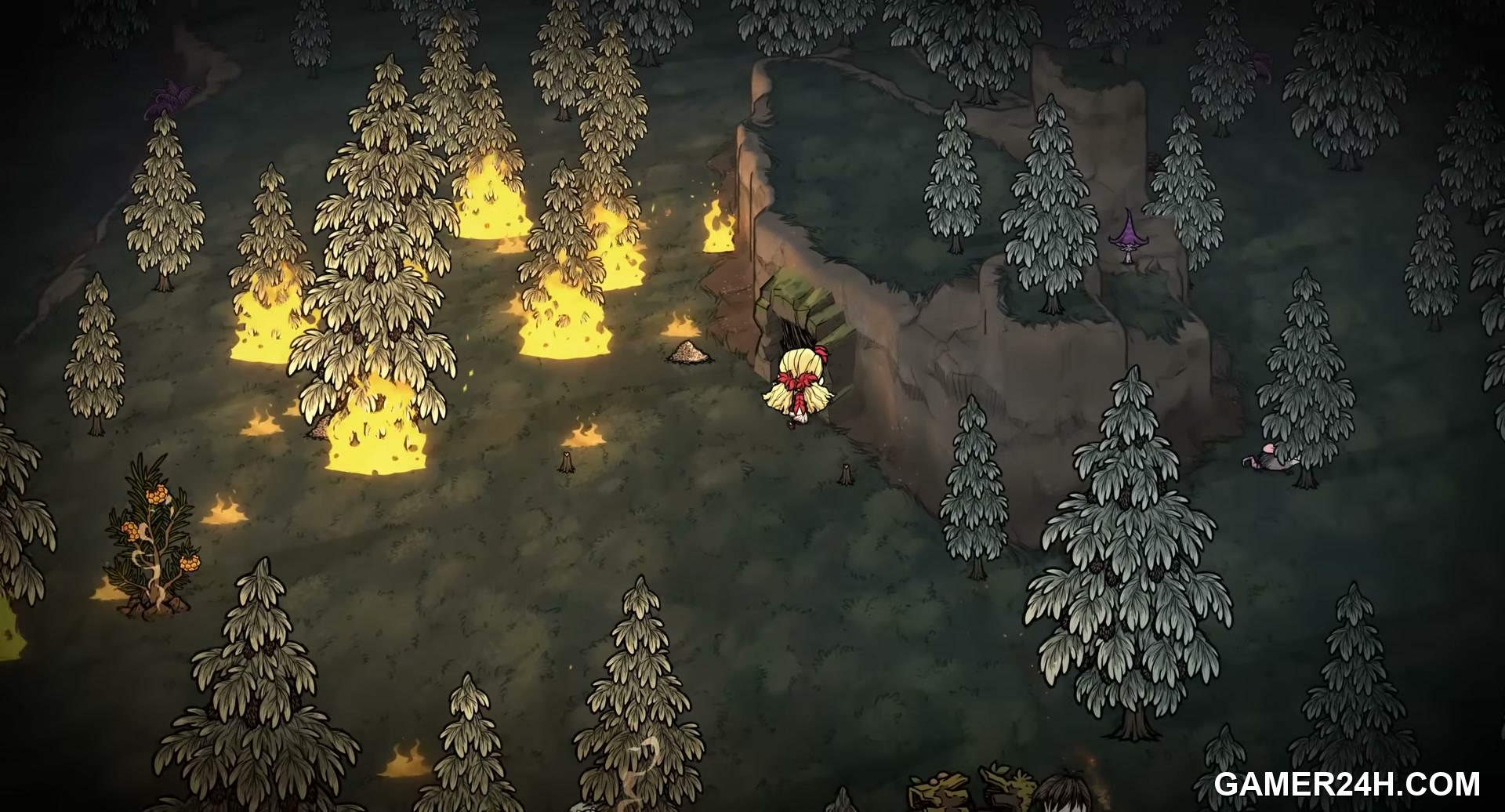
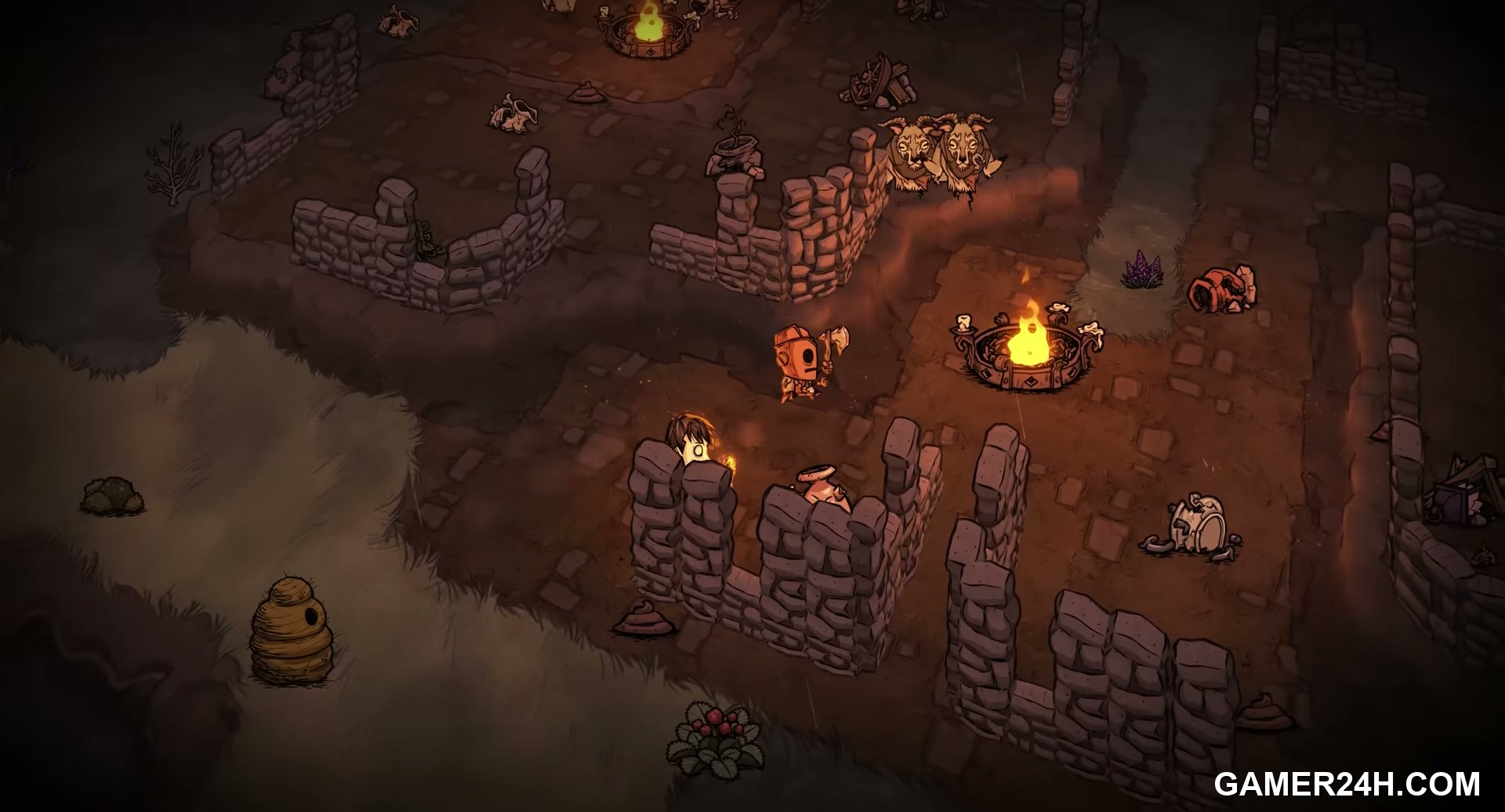
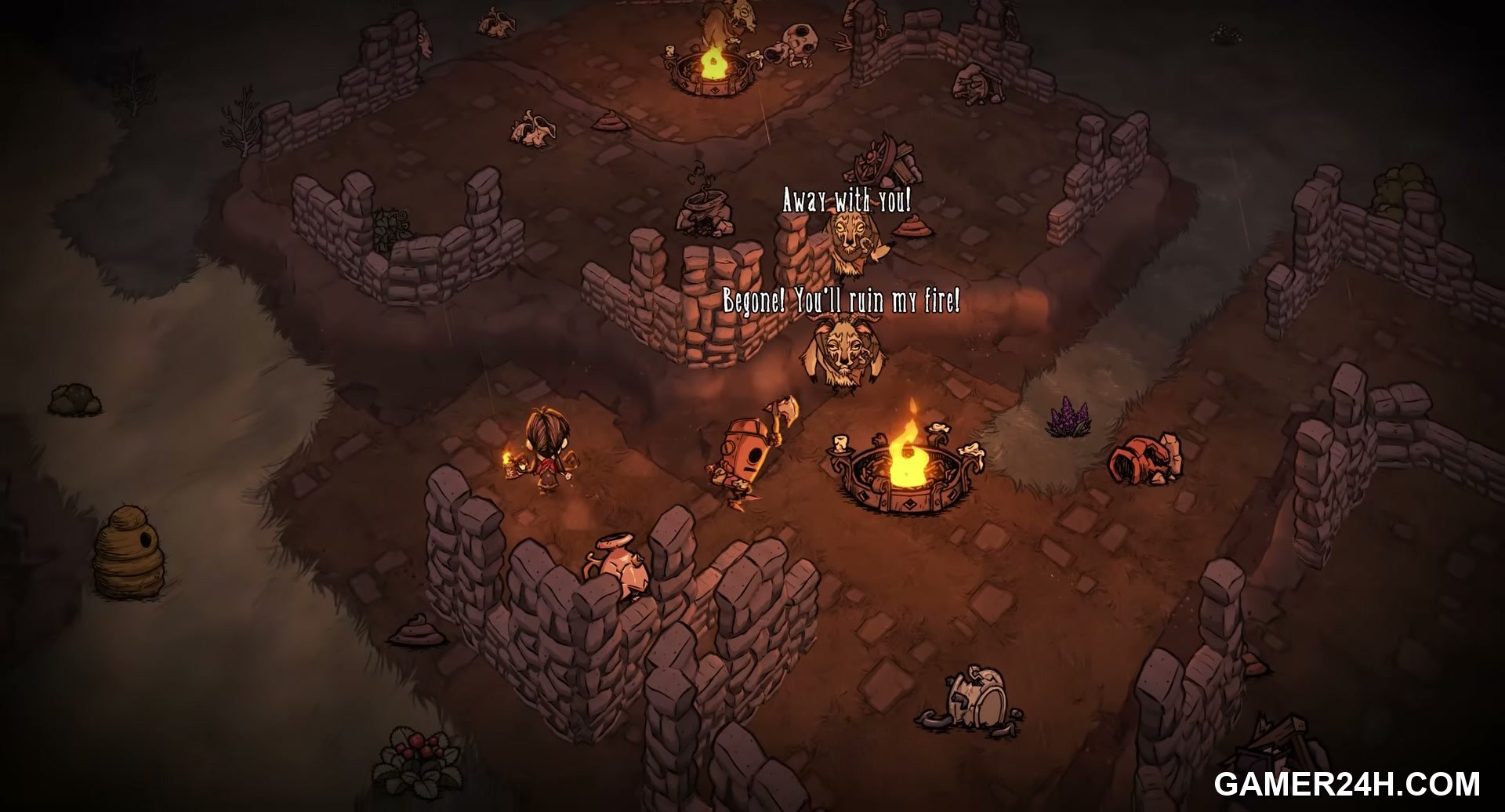
The visual design of "Don't Starve Elsewhere" is nothing short of breathtaking. Running on Unreal Engine 5, the game offers a level of graphical fidelity that pushes boundaries and sets new standards for environmental storytelling. Each scene is meticulously crafted to evoke an eerie yet captivating atmosphere, from the luminescent flora that casts ethereal glows across darkened landscapes to the intricate architectural details of sprawling, industrial complexes.
The use of Unreal Engine 5's Nanite technology ensures that even the most minute elements are rendered with stunning clarity and detail. This allows for a seamless blend between expansive vistas and intimate close-ups without ever compromising performance. The game’s dynamic lighting system further enhances this immersive experience by casting realistic shadows and creating dramatic contrasts, making every setting feel alive and reactive to player actions.
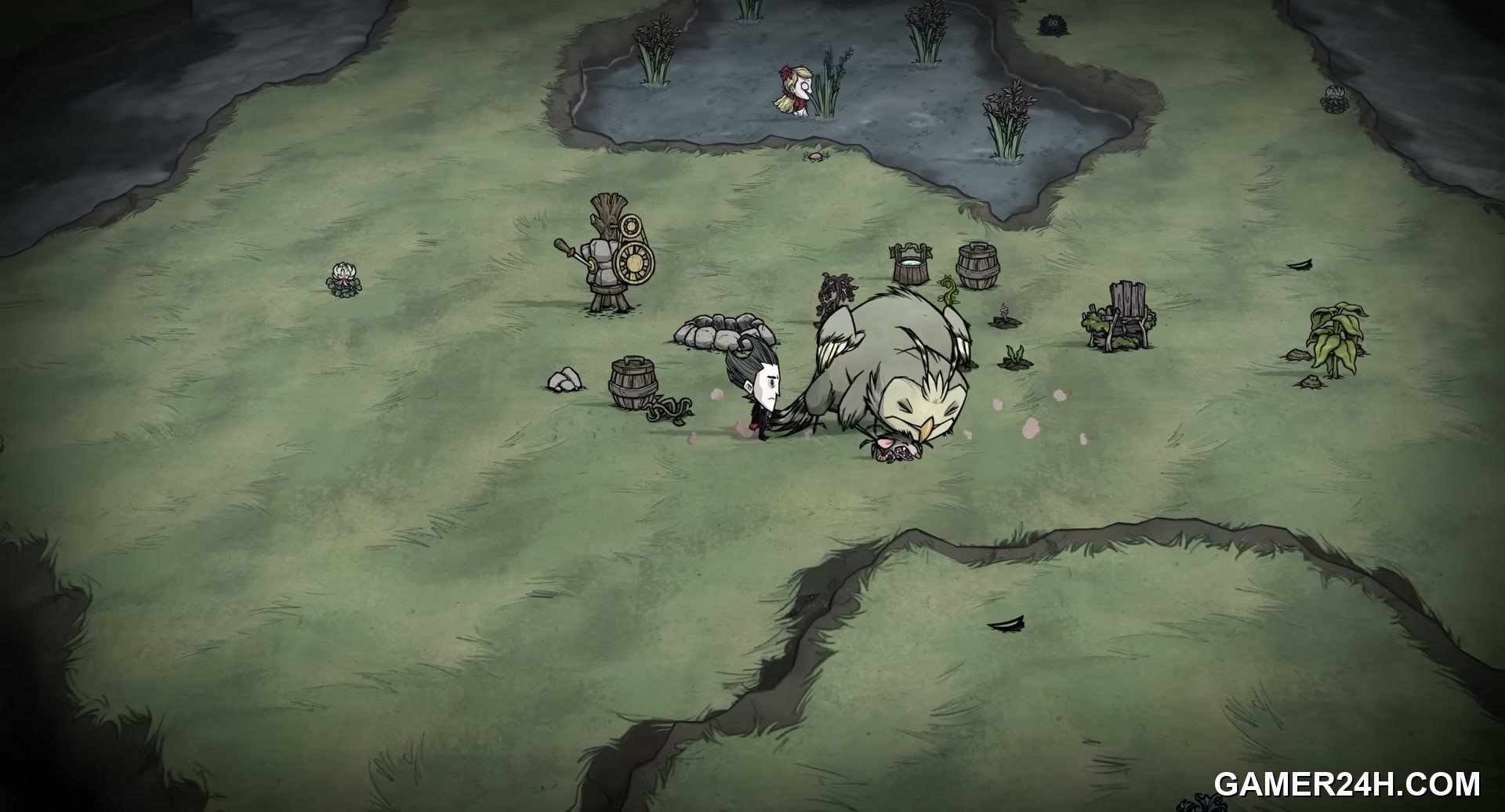
Moreover, the developers have leveraged Unreal Engine 5's Lumen feature for real-time global illumination, which dynamically adjusts light sources based on environmental interactions. This results in a living, breathing world where lighting conditions evolve organically, heightening tension and adding layers of depth to each scene’s narrative context.
Combat & Systems: Tactical Espionage and Combat Dynamics
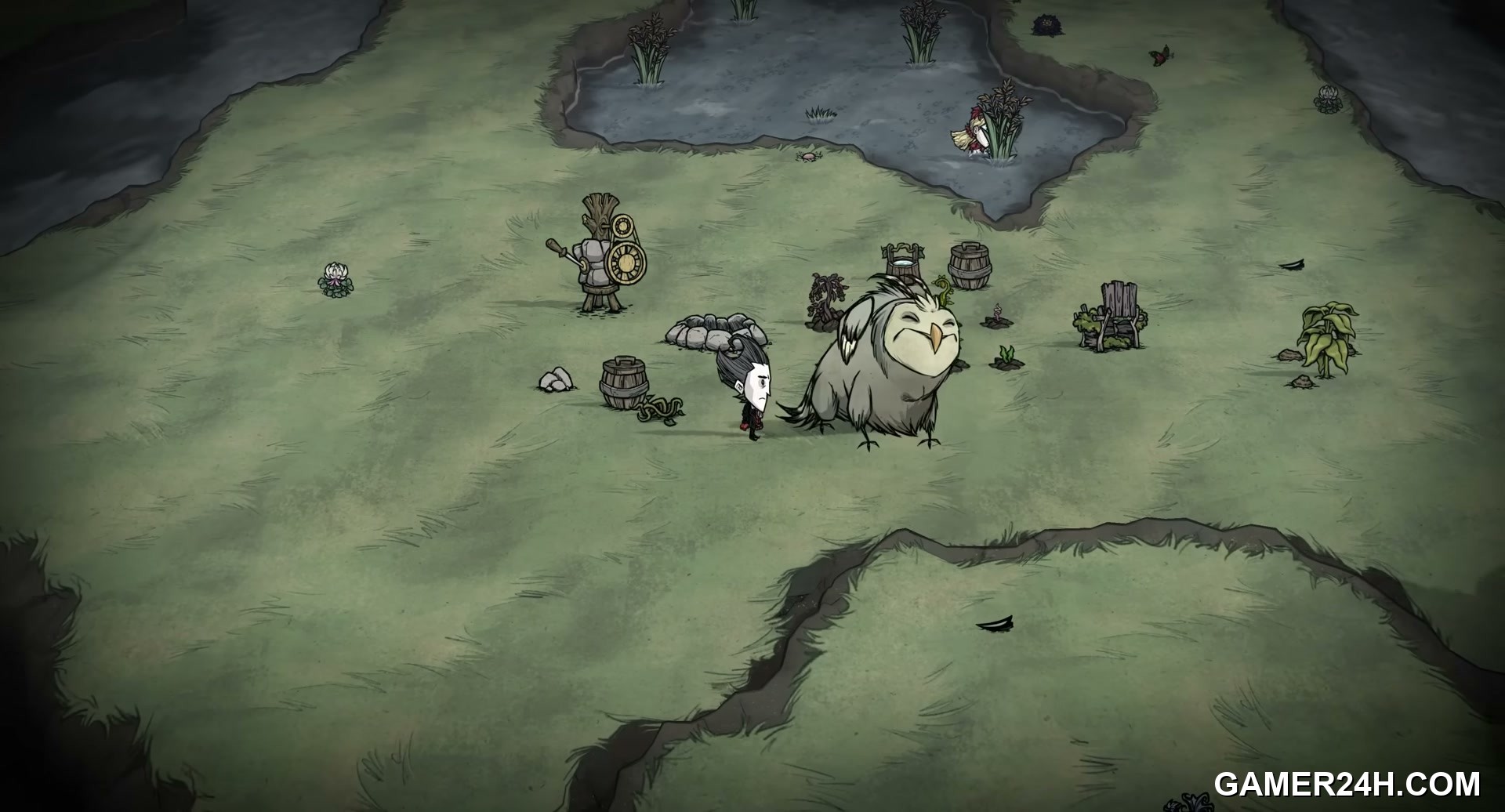
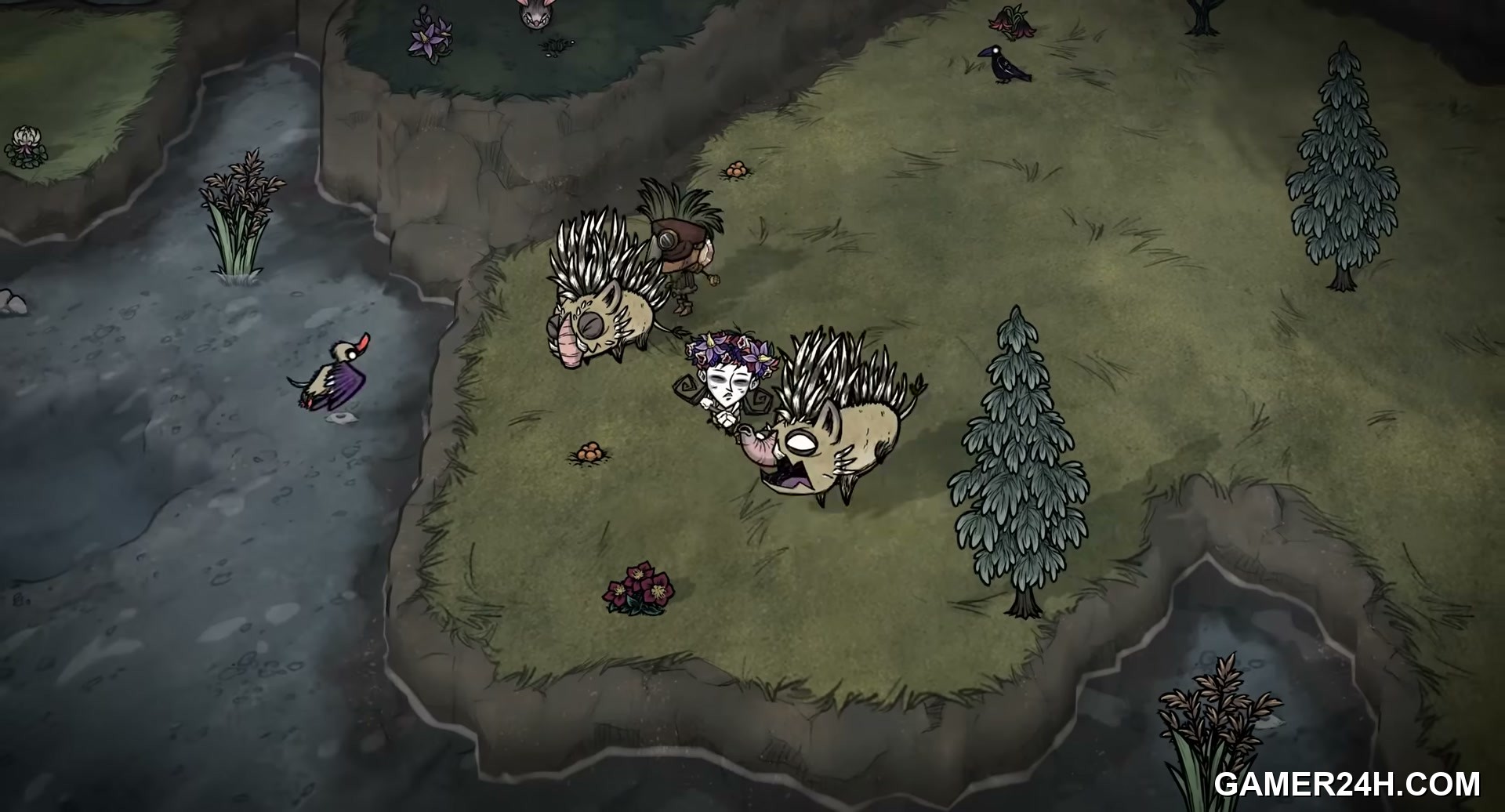
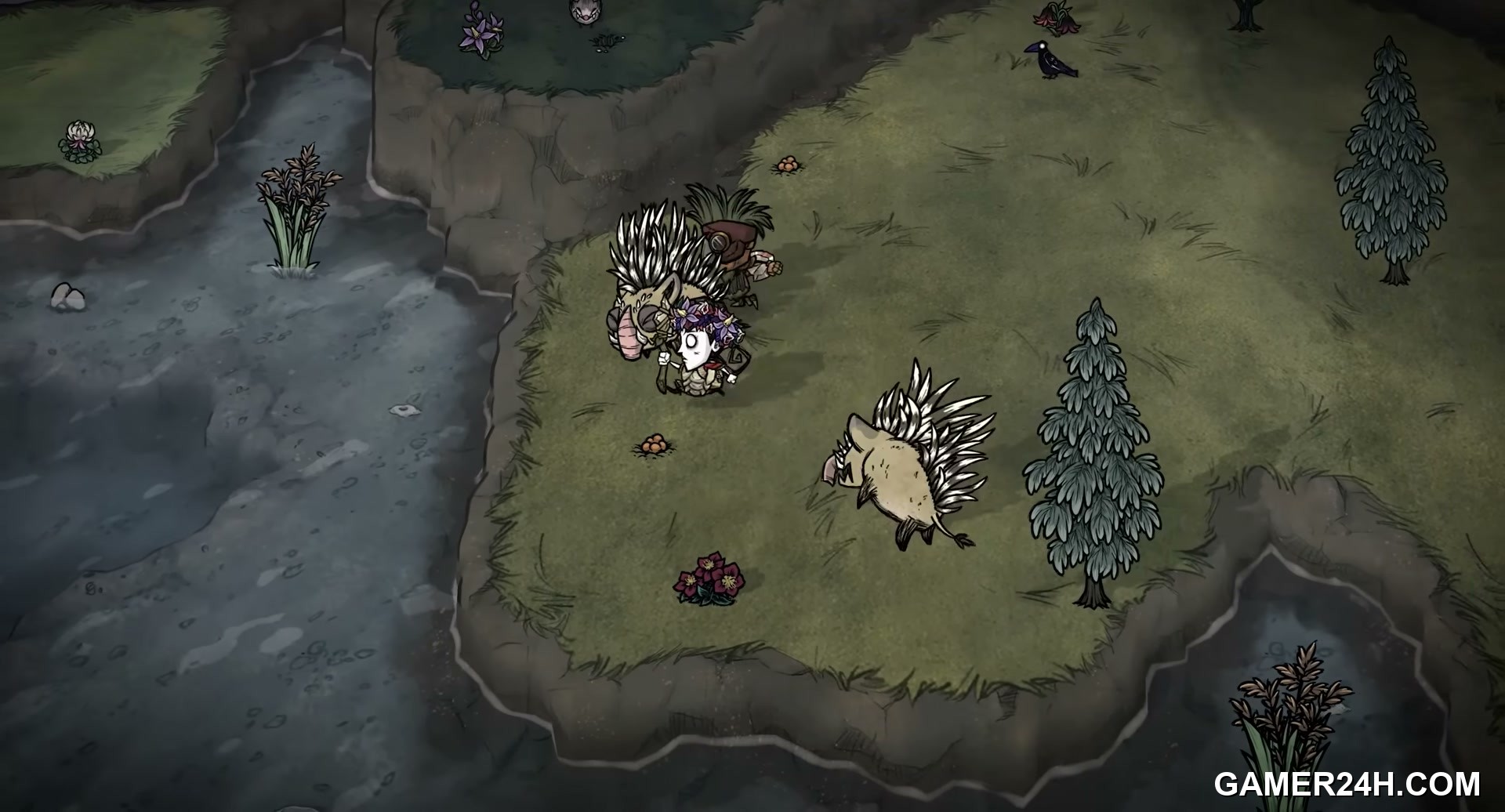
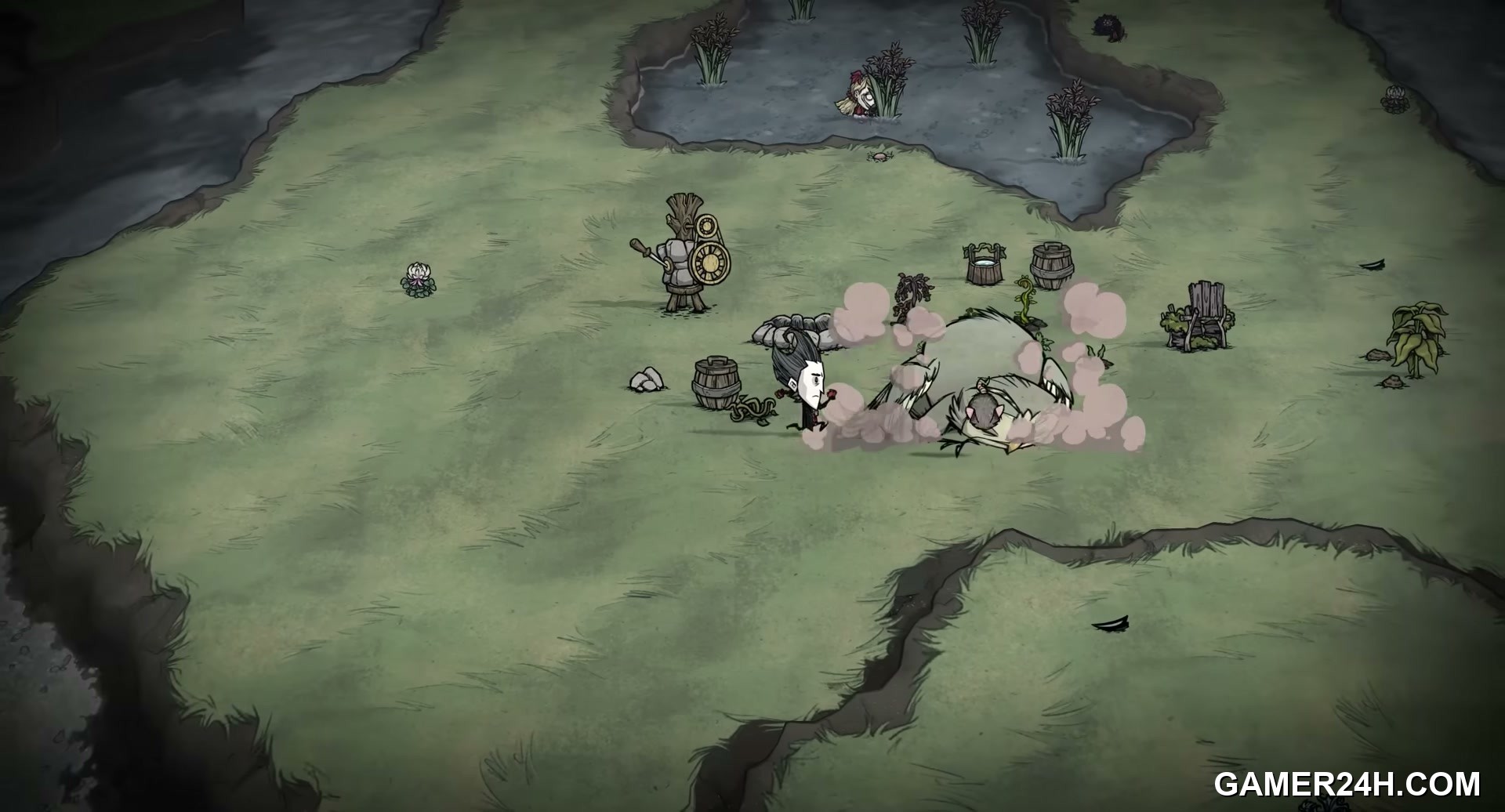
The combat mechanics in "Don't Starve Elsewhere" are designed around the concept of tactical espionage, requiring players to blend stealth with strategic combat. Unlike traditional survival games that focus solely on resource management and base-building, this game introduces a layer of complexity through its unique approach to encounters.
Players must constantly assess their surroundings for opportunities to bypass detection or set up ambushes against foes who patrol the area. This involves meticulous planning and anticipation, as each decision can lead to life-threatening consequences if misjudged. The inclusion of various stealth tools such as smoke bombs, noise-makers, and disguises adds depth to combat strategies.
Weaponry in "Don't Starve Elsewhere" ranges from simple melee weapons like knives and clubs to more advanced gadgets that provide a technological edge over adversaries. However, these high-tech solutions often come with limitations or drawbacks, forcing players to consider their options carefully before engaging an opponent.
Gameplay & Atmosphere Analysis: Portals and Tension

The gameplay in "Don't Starve Elsewhere" revolves around the concept of portals, which serve as both a central mechanic and narrative device. These portals connect various locations within the game world, each offering unique challenges and opportunities for discovery.
Players are tasked with navigating through these interconnected areas while gathering clues about the mysterious Architects who have engineered this reality. The tension is palpable as players must balance exploration with survival, always mindful of their surroundings and potential threats lurking around every corner.
The atmosphere in "Don't Starve Elsewhere" is deliberately crafted to induce a sense of isolation and paranoia. Sound design plays a crucial role here, with ambient noises like distant machinery or whispered voices adding layers of suspense. Visual cues such as flickering lights and shadows that seem to move independently contribute to an environment where the line between reality and illusion blurs.
Moreover, environmental puzzles and hazards further test players’ adaptability and resourcefulness. Whether it’s deciphering cryptic messages left behind by previous explorers or evading traps set within ancient ruins, each challenge serves to deepen immersion and engagement with the game's overarching narrative.
Narrative & Characters: The Architects' Mystery and Lucia's Mission

The narrative at the heart of "Don't Starve Elsewhere" revolves around the enigmatic Architects, a group whose existence is shrouded in mystery. Players take on the role of Lucia, an agent sent to uncover the truth behind these elusive figures.
Through her journey, players will encounter various characters who hold pieces of the puzzle but are unwilling or unable to reveal them easily. These interactions often lead to moral dilemmas and ethical considerations that challenge the player’s sense of right and wrong.
The story unfolds gradually through a series of discoveries and revelations, with each chapter shedding light on the Architects’ motivations and Lucia's true purpose in this world. The narrative is both intricate and emotional, weaving together themes of control, freedom, and the human spirit’s resilience against oppression.
Acoustic Preservation / Audio Design: Sounds of Silence and Combat

The audio design in "Don't Starve Elsewhere" is a critical component that elevates its immersive qualities. The game masterfully blends silence with carefully orchestrated sounds to create an environment where the absence of noise itself becomes a character.
Environmental soundscapes, such as distant machinery or rustling leaves, subtly shift depending on the player's actions and location within the world. This dynamic approach ensures that players are always acutely aware of their surroundings, enhancing both stealth gameplay and combat scenarios.
Sound effects during combat sequences are equally impressive, featuring crisp impacts for melee attacks and realistic weapon discharges for ranged engagements. The audio feedback is immediate and visceral, making every encounter feel intense and personal.
Critical Reception: Expectations and First Impressions

The critical reception of "Don't Starve Elsewhere" has been overwhelmingly positive, with reviewers praising its innovative gameplay mechanics, atmospheric design, and compelling narrative. Early feedback highlights the game's ability to offer a fresh take on survival and espionage themes while maintaining Klei Entertainment’s signature attention to detail.
Players have particularly lauded the visual splendor of the game, noting how Unreal Engine 5 has been utilized to create an immersive world that feels both alien and familiar. The combat dynamics and stealth mechanics have also received high acclaim for their depth and strategic complexity.
However, some critics have pointed out minor technical issues, primarily related to performance optimization on lower-end hardware. These concerns are relatively minor compared to the game's overall quality and are expected to be addressed through future updates.
Conclusion: The Vanguard of Next-Gen Action

"Don't Starve Elsewhere" stands as a testament to Klei Entertainment’s commitment to pushing boundaries in video game design. By seamlessly blending survival, espionage, and narrative elements with cutting-edge technology, the developers have crafted an experience that is both challenging and rewarding.
The game not only redefines what can be achieved within the survival genre but also sets new benchmarks for atmospheric storytelling and immersive gameplay. As players delve deeper into its mysteries, they are sure to emerge with a greater appreciation for the nuances of stealth, strategy, and narrative depth.
With "Don't Starve Elsewhere," Klei Entertainment has once again proven their place at the forefront of innovative game development, cementing their legacy as creators of thought-provoking and visually stunning experiences that captivate audiences worldwide.