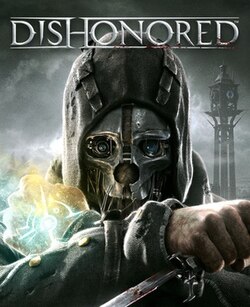
Introduction: The Next Chapter for Dishonored
Dishonored, a title that resonated deeply within the gaming landscape of 2012, represents more than just an action-adventure game; it’s a masterclass in player agency and immersive world-building. Developed by Arkane Studios and published by Bethesda Softworks, Dishonored transported players to the grim, plague-ridden industrial city of Dunwall, placing them in the boots of Corvo Attano, a disgraced bodyguard framed for the assassination of the Empress. The game’s core strength lies in its non-linearity, empowering players to approach objectives through stealth, combat, or a blend of both, shaping their own narrative and experiencing the consequences of their choices. This deep dive will explore the intricate details that made Dishonored a critical darling and a fan favorite, examining its visual direction, gameplay mechanics, level design, narrative depth, sound design, release expectations, and ultimately, its lasting legacy.
Visual Direction and Graphics Engineering
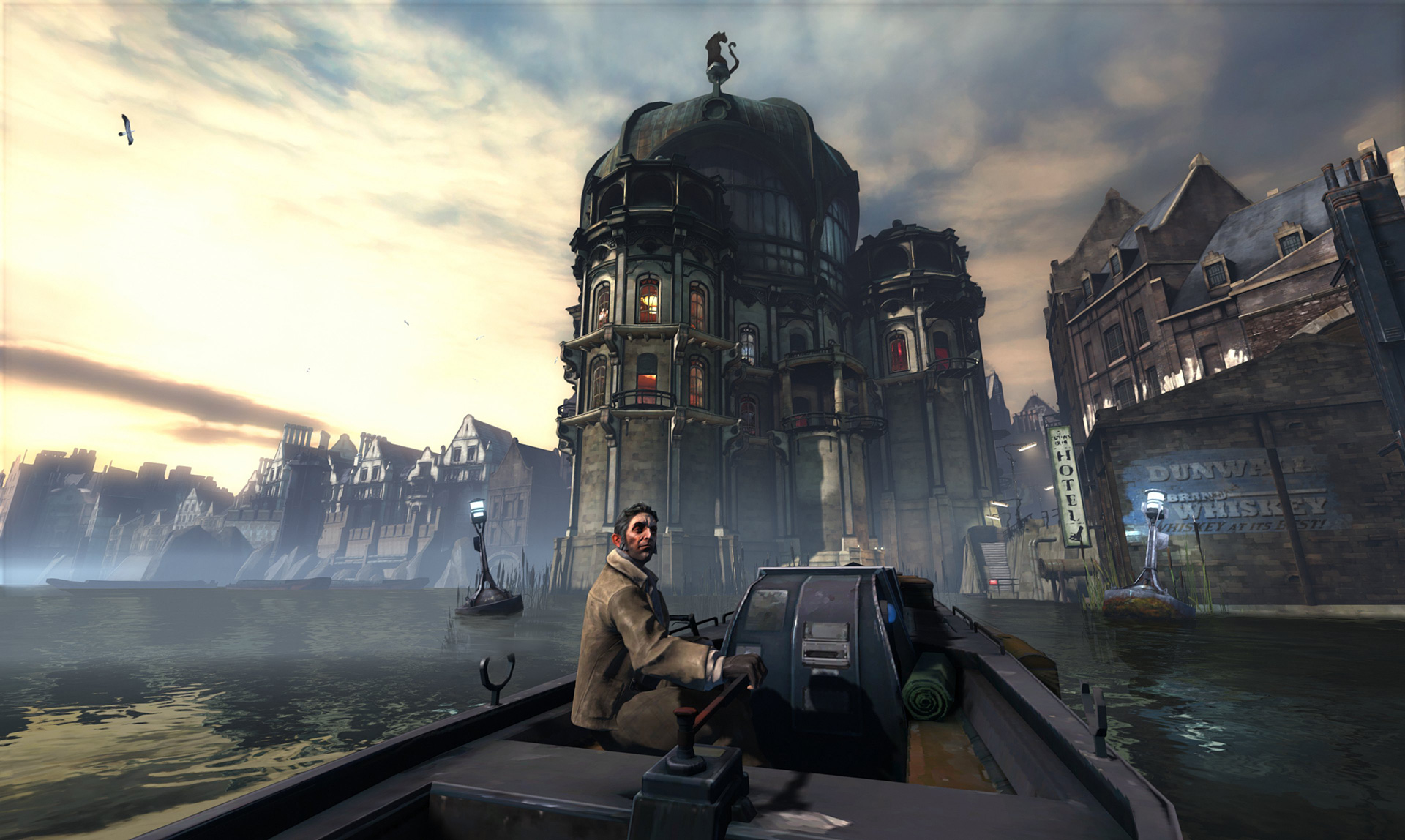
Dishonored’s visual style is a unique blend of steampunk aesthetics, Victorian architecture, and the gritty realism of a city ravaged by plague. The game leverages the power of Unreal Engine 3 to create a visually striking world, characterized by intricate details, dynamic lighting, and a pervasive sense of decay. While Unreal Engine 3 might seem dated compared to modern engines, Arkane Studios expertly utilized its capabilities to achieve a distinct artistic vision. The visual direction emphasizes contrast – opulent interiors juxtaposed against the squalor of the streets, vibrant colors offset by the muted tones of despair. showcases this perfectly, highlighting the stark beauty within the game’s oppressive atmosphere. The developers also implemented advanced rendering techniques to create realistic environmental effects, such as fog and smoke, further enhancing the immersive experience.
Gameplay Mechanics and Core Systems
At its heart, Dishonored is a sandbox of possibilities. Players are given an arsenal of weapons, gadgets, and supernatural abilities known as “The Outsider’s gifts.” These powers range from Blink (short-range teleportation) to Dark Vision (enhanced senses), allowing for creative solutions to challenges. The game rewards experimentation and encourages players to find their own playstyle. Whether you prefer a stealthy approach, utilizing the environment to your advantage, or engaging in direct combat, Dishonored provides the tools to succeed. The morality system, subtly influenced by player actions, affects the story’s progression and the overall tone of the game. Completing missions without killing anyone (“Ghost” playthrough) unlocks unique dialogue options and alters the ending significantly. illustrates Corvo utilizing Blink, a core mechanic that defines much of the gameplay.
Level Design and World Atmosphere
Dunwall is more than just a backdrop; it’s a character in its own right. The level design is intricate and interconnected, offering multiple pathways to objectives and encouraging exploration. Each district of the city has its own distinct atmosphere, from the bustling docks to the opulent mansions of the aristocracy. The developers meticulously crafted each environment to tell a story, using visual cues and environmental details to reveal the history and struggles of Dunwall’s inhabitants. Verticality is also a key element of the level design, allowing players to utilize rooftops, balconies, and hidden passages to navigate the city undetected. This focus on player freedom and exploration makes Dunwall a truly immersive and unforgettable setting.
Narrative Depth and Character Profiles
Dishonored boasts a compelling narrative driven by betrayal, revenge, and redemption. Corvo Attano’s journey from loyal bodyguard to hunted assassin is both tragic and empowering. The supporting cast is equally well-developed, each character with their own motivations and secrets. From the enigmatic Outsider to the ruthless Lord Havelock, every interaction adds depth and complexity to the story. The game explores themes of political corruption, social inequality, and the consequences of violence. The voice acting performances are exceptional, bringing these characters to life with nuance and emotion. Susan Sarandon’s portrayal of Delilah Copperspoon is particularly noteworthy, adding a layer of intrigue and moral ambiguity to the narrative.
Sound Design and Acoustic Realism
The sound design in Dishonored is crucial to creating its immersive atmosphere. The ambient sounds of Dunwall – the creaking of ships, the cries of seagulls, the distant rumble of industry – create a sense of place that draws players into the world. The music, composed by Daniel Licht, is both haunting and evocative, perfectly complementing the game’s visuals and narrative. Sound cues are also used to alert players to enemy presence or hidden pathways, adding another layer of strategic depth to the gameplay. The sound design team meticulously crafted each audio element to create a cohesive and believable auditory experience.
Release Expectations and Community Hype
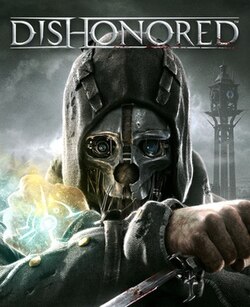
Prior to its release, Dishonored generated significant buzz within the gaming community. Its unique blend of stealth, action, and supernatural abilities promised a fresh take on the established genre conventions. The developers actively engaged with fans through online forums and social media, sharing behind-the-scenes glimpses into the game’s development process. This transparency helped to build anticipation and foster a strong sense of community around the project. When Dishonored finally launched, it largely lived up to the hype, earning critical acclaim for its innovative gameplay, immersive world, and compelling narrative.
showcases early reactions and previews that fueled the pre-release excitement.
Conclusion: The Future of Dishonored
Dishonored remains a landmark title in the gaming landscape, celebrated for its innovative gameplay, immersive world, and compelling narrative. Its influence can be seen in numerous games that followed, solidifying its place as a true classic. While sequels and spin-offs have expanded the universe, the original Dishonored continues to captivate players with its unique blend of stealth, action, and supernatural abilities. The game’s enduring appeal lies in its ability to empower players to shape their own stories and experience the consequences of their choices. Its legacy is secure, and its impact on the gaming industry will continue to be felt for years to come.
Source: Wikipedia


