Introduction: The Next Chapter for Digimon Battle Spirit 2
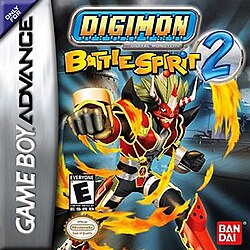
Digimon Battle Spirit 2, a fighting game developed by Dimps and published by Bandai, represents a significant evolution in the franchise’s foray into handheld gaming. Originally released for the WonderSwan Color in 2002 as “Digimon Frontier: Battle Spirit,” it was later ported to the Game Boy Advance, expanding its reach to Western audiences. This title distinguishes itself from typical fighting games with its unique D-Spirit mechanic and Beast Spirit transformations, offering a fresh take on the Digimon battling experience. The game’s success hinges not only on nostalgic appeal but also on its innovative gameplay systems and engaging narrative, making it a must-have for both long-time fans and newcomers alike.
Visual Direction and Graphics Engineering
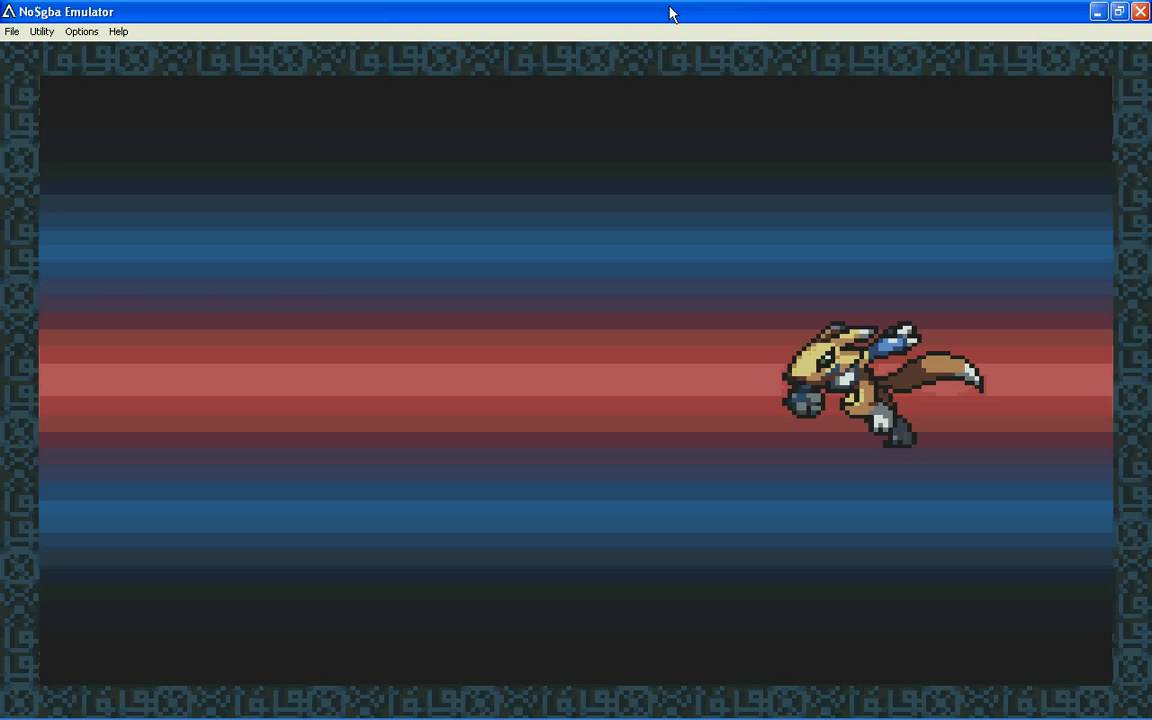
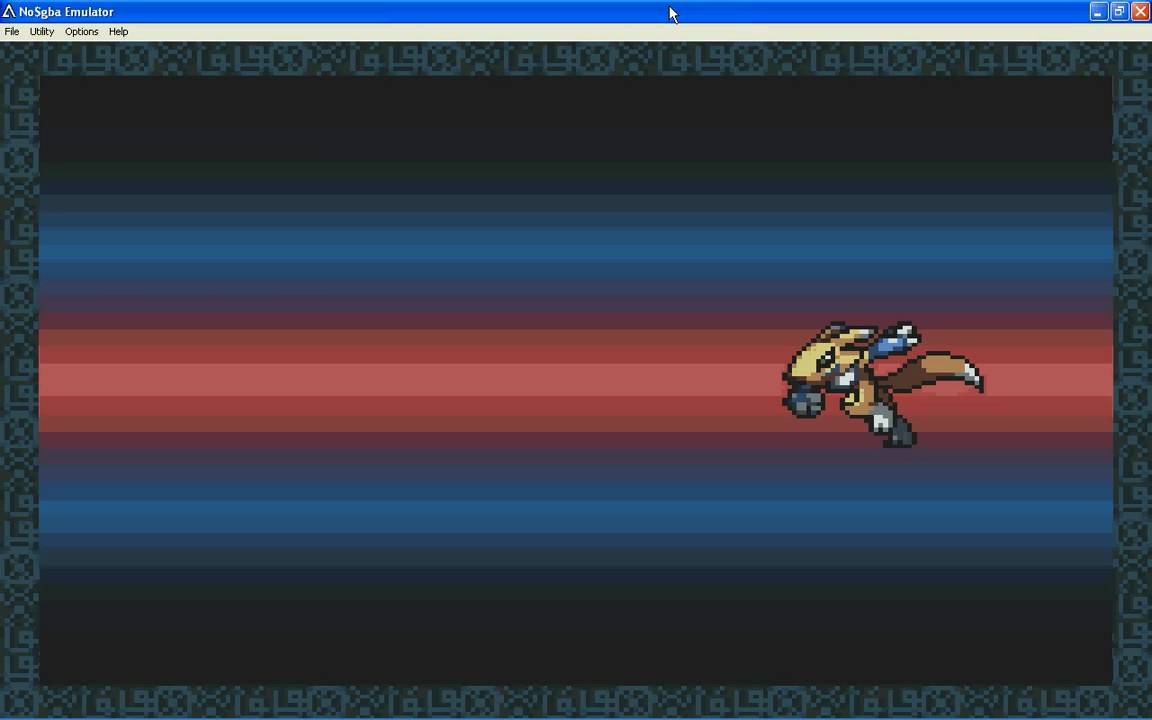
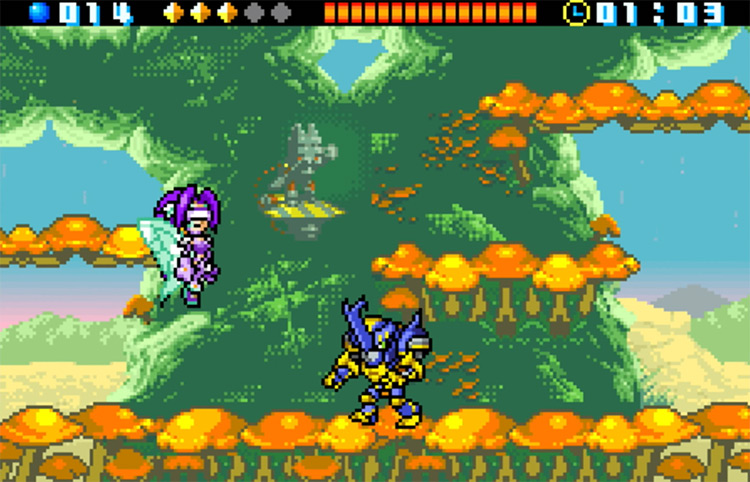
The visual direction of Digimon Battle Spirit 2 is constrained by the technical limitations of the WonderSwan Color and Game Boy Advance hardware. While pixelated by today’s standards, the game utilizes vibrant color palettes to bring the Digimon characters to life. The character designs are faithful to their anime counterparts, albeit simplified for the platform. The developers at Dimps cleverly employed dithering techniques to create a sense of depth and texture within the limited resolution. While not pushing graphical boundaries, the game’s visual style is charming and effectively captures the essence of the Digimon universe. The use of animated sprites for attacks adds dynamism to the gameplay, making each encounter visually engaging.
Gameplay Mechanics and Core Systems
Digimon Battle Spirit 2 introduces a unique battle system centered around “D-Spirits.” Unlike conventional fighting games where health dictates victory, this game focuses on accumulating D-Spirits through successful attacks. When an opponent’s gauge is filled with these spirits, the character enters “Beast Spirit” mode, granting temporary power boosts and enhanced attack animations. This mechanic adds a layer of strategic depth, encouraging players to prioritize consistent damage output rather than simply depleting health bars. Furthermore, filling the diamond gauge during Beast Spirit attacks allows for brief “Ancient Level” transformations, unleashing devastating special moves. The controls are straightforward and responsive, making the game accessible to both casual and hardcore gamers.
Level Design and World Atmosphere
The level design in Digimon Battle Spirit 2 is functional rather than expansive, serving primarily as backdrops for the battles. Each stage features distinct environments inspired by locations from the Digimon Frontier anime series. While not offering extensive exploration, the stages are visually appealing and contribute to the overall atmosphere of the game. The developers effectively utilize parallax scrolling and animated elements to create a sense of depth and immersion within the limited screen space. The level design complements the gameplay mechanics, providing clear visual cues for attack ranges and strategic positioning.
Narrative Depth and Character Profiles
The narrative in Digimon Battle Spirit 2 follows the events of the Digimon Frontier anime series. Players take on the roles of various Human Spirits, each partnered with a unique Digimon. The story unfolds through brief cutscenes and dialogue sequences, providing context for the battles and introducing key characters. While not as deeply developed as some narrative-driven games, the story provides enough substance to keep players engaged and invested in the outcome. The character profiles offer insights into the personalities and motivations of each Human Spirit, adding depth to their roles within the overarching storyline.
Sound Design and Acoustic Realism
The sound design in Digimon Battle Spirit 2 is crucial for enhancing the overall gaming experience. The game features a soundtrack composed of original music tracks that capture the energy and excitement of the battles. Sound effects are used effectively to accentuate attacks, special moves, and character interactions. While limited by the technical capabilities of the WonderSwan Color and Game Boy Advance hardware, the sound design is well-executed and contributes significantly to the immersive quality of the game. The use of distinct audio cues for different attack types helps players anticipate enemy movements and strategize accordingly.
Release Expectations and Community Hype
Upon its initial release in Japan, Digimon Battle Spirit 2 generated considerable hype among fans of the Digimon franchise. The unique gameplay mechanics and faithful adaptation of the anime characters contributed to its commercial success. The subsequent port to the Game Boy Advance further expanded its reach, introducing the game to a wider audience in North America and Europe. The game’s enduring popularity is a testament to its quality and appeal, solidifying its place as a classic title within the handheld gaming landscape.
Conclusion: The Future of Digimon Battle Spirit 2
Digimon Battle Spirit 2 remains a beloved entry in the Digimon franchise, offering a unique blend of engaging gameplay mechanics and faithful adaptation of the anime series. While constrained by the technical limitations of its original platforms, the game’s enduring appeal lies in its innovative D-Spirit system, Beast Spirit transformations, and charming visual style. Its lasting legacy serves as a reminder of the power of creative design and strategic gameplay, even within the confines of retro hardware. The game continues to be celebrated by fans old and new, solidifying its place as a timeless classic.
Source: Wikipedia


