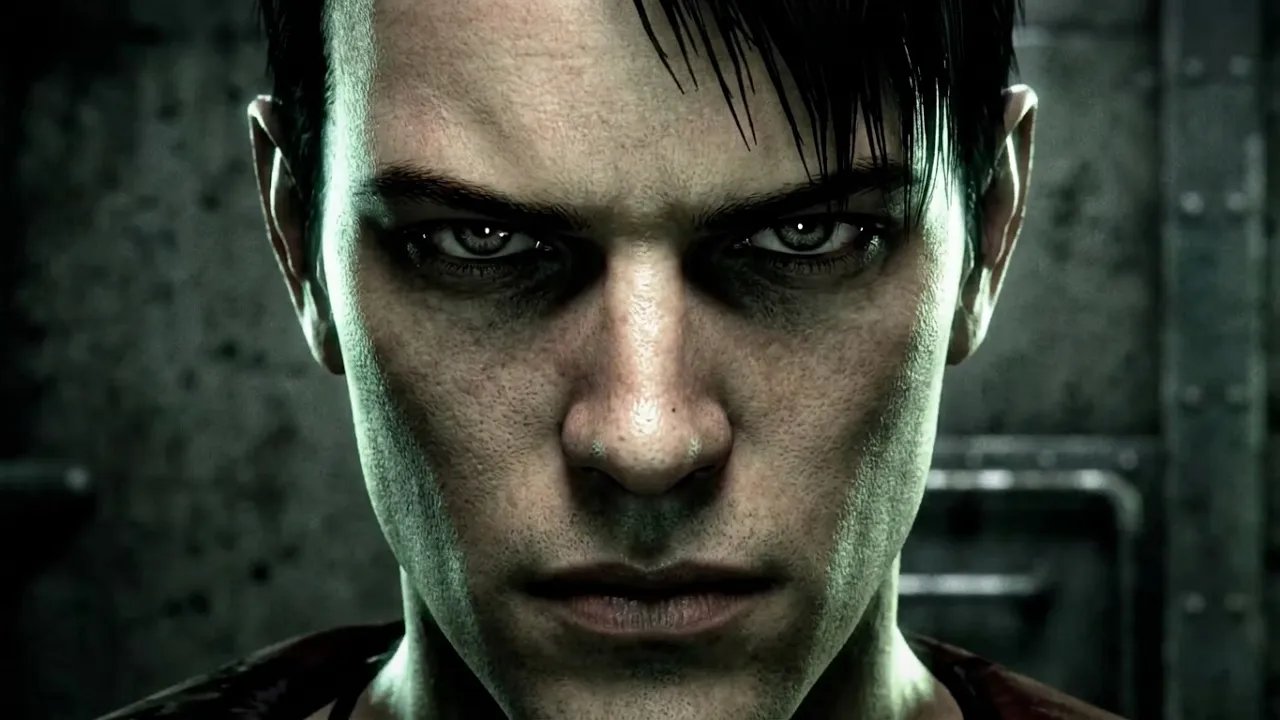
Introduction: The Next Chapter for Devil May Cry 2
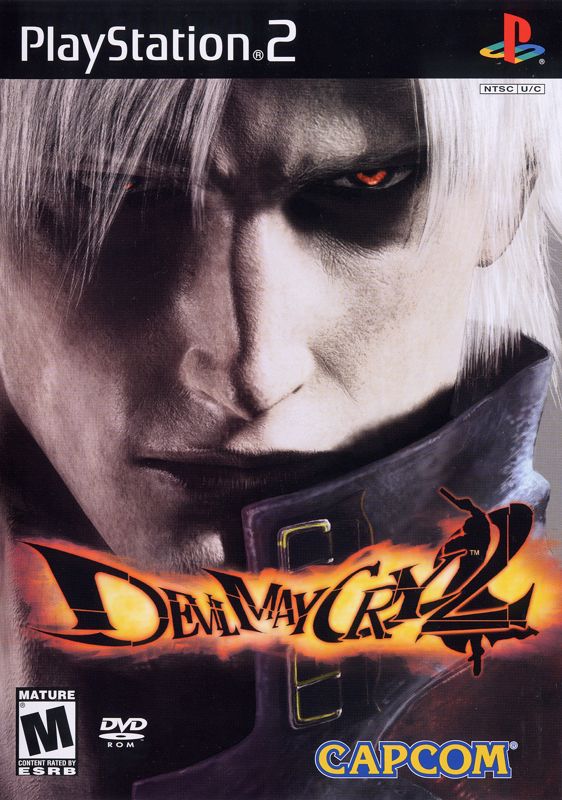
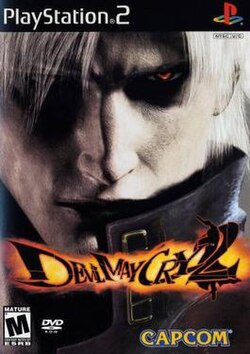
Devil May Cry 2 arrived on the PlayStation 2 in 2003, carrying the weight of expectation after the groundbreaking original. While it aimed to expand the universe and introduce new characters, its development was handled by a different team than the first game, leading to significant changes that ultimately divided fans. This Masterclass Deep-Dive will dissect every facet of Devil May Cry 2, from its visual direction and gameplay mechanics to its narrative depth and lasting impact on the franchise. We’re not just looking at what went right or wrong; we’re analyzing *why* it happened and how it shaped the future of Devil May Cry.
Visual Direction and Graphics Engineering
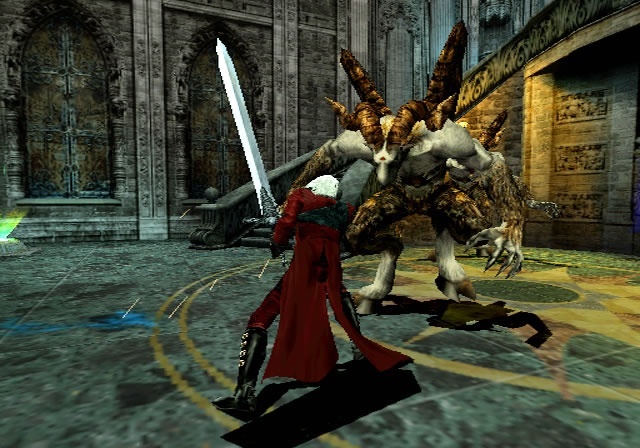
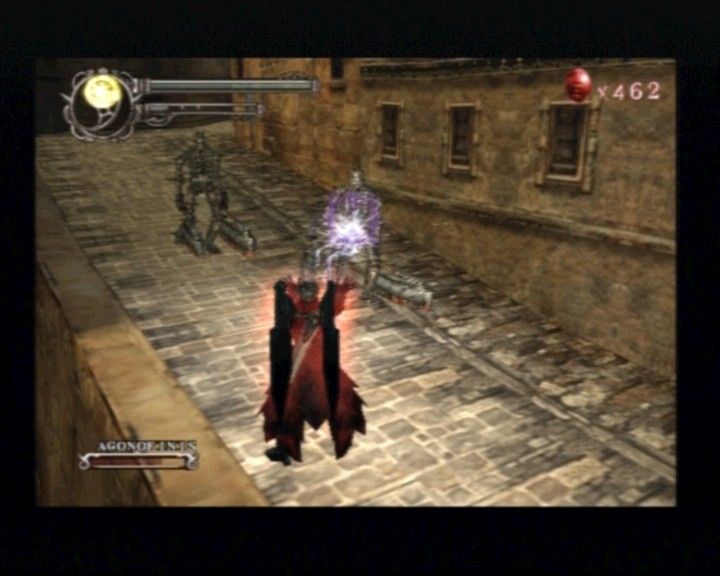
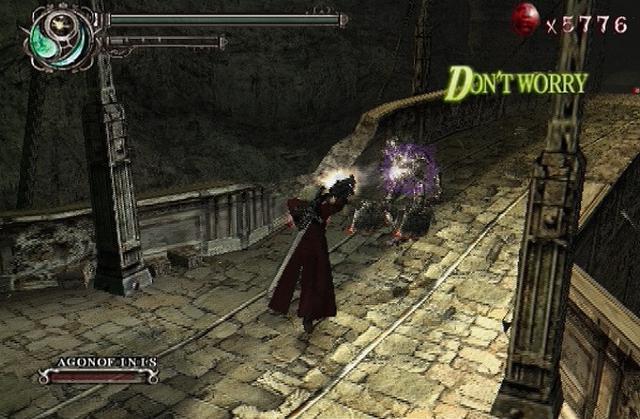
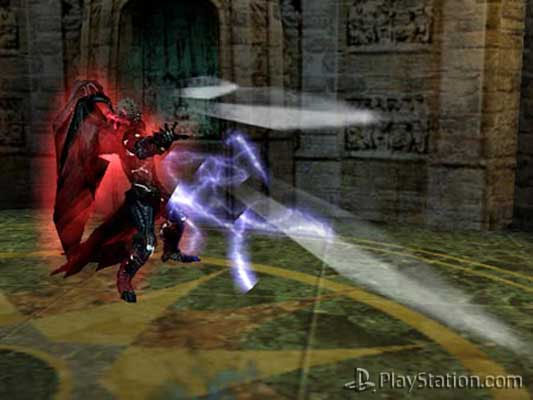
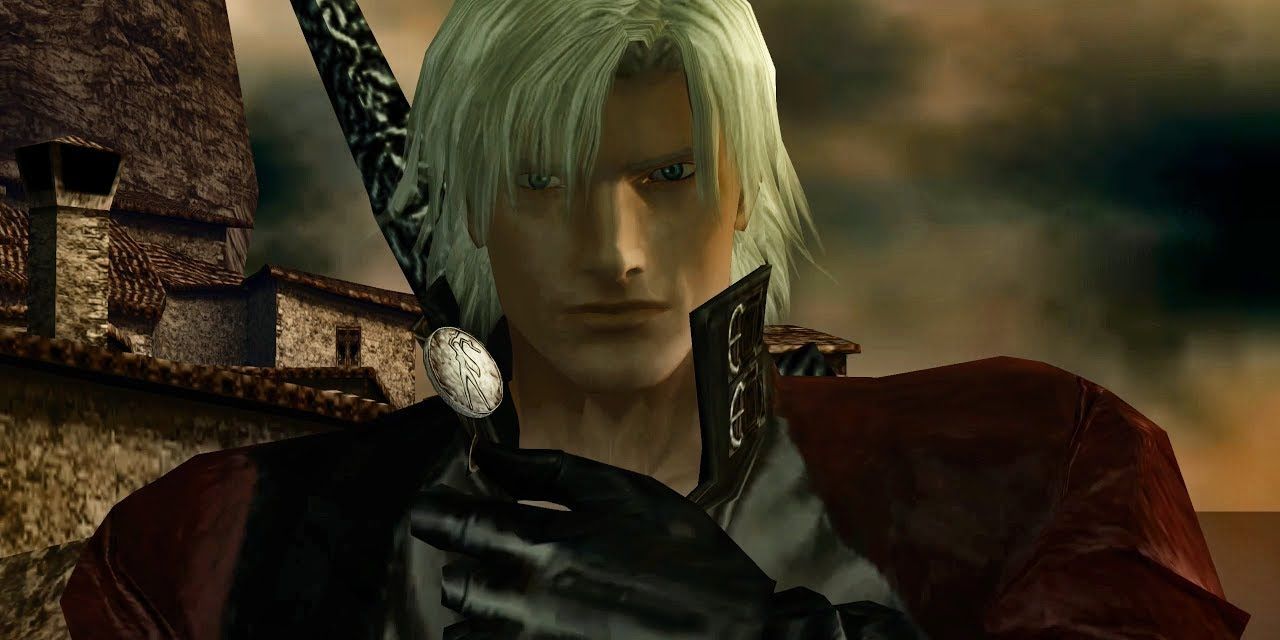
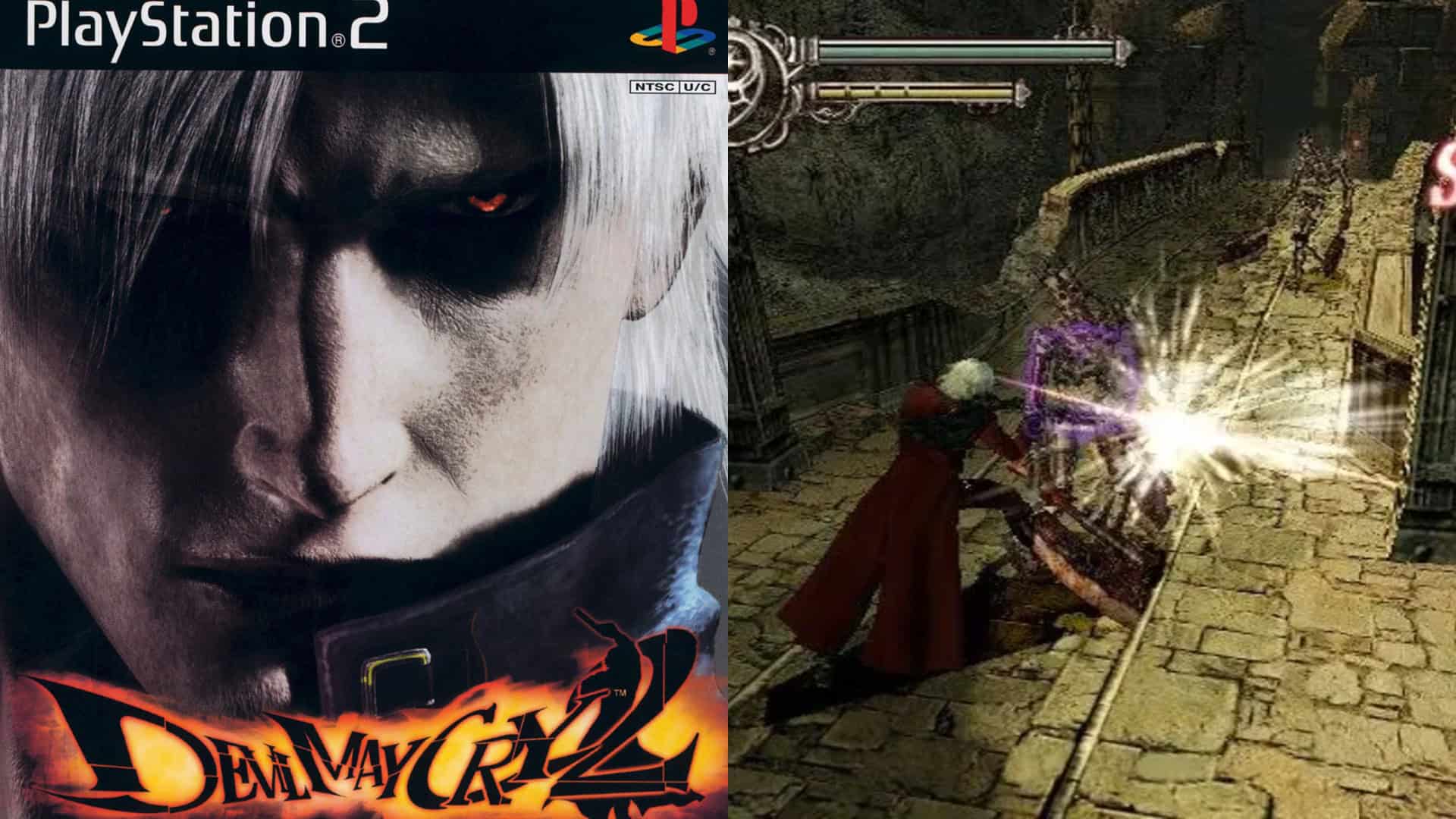
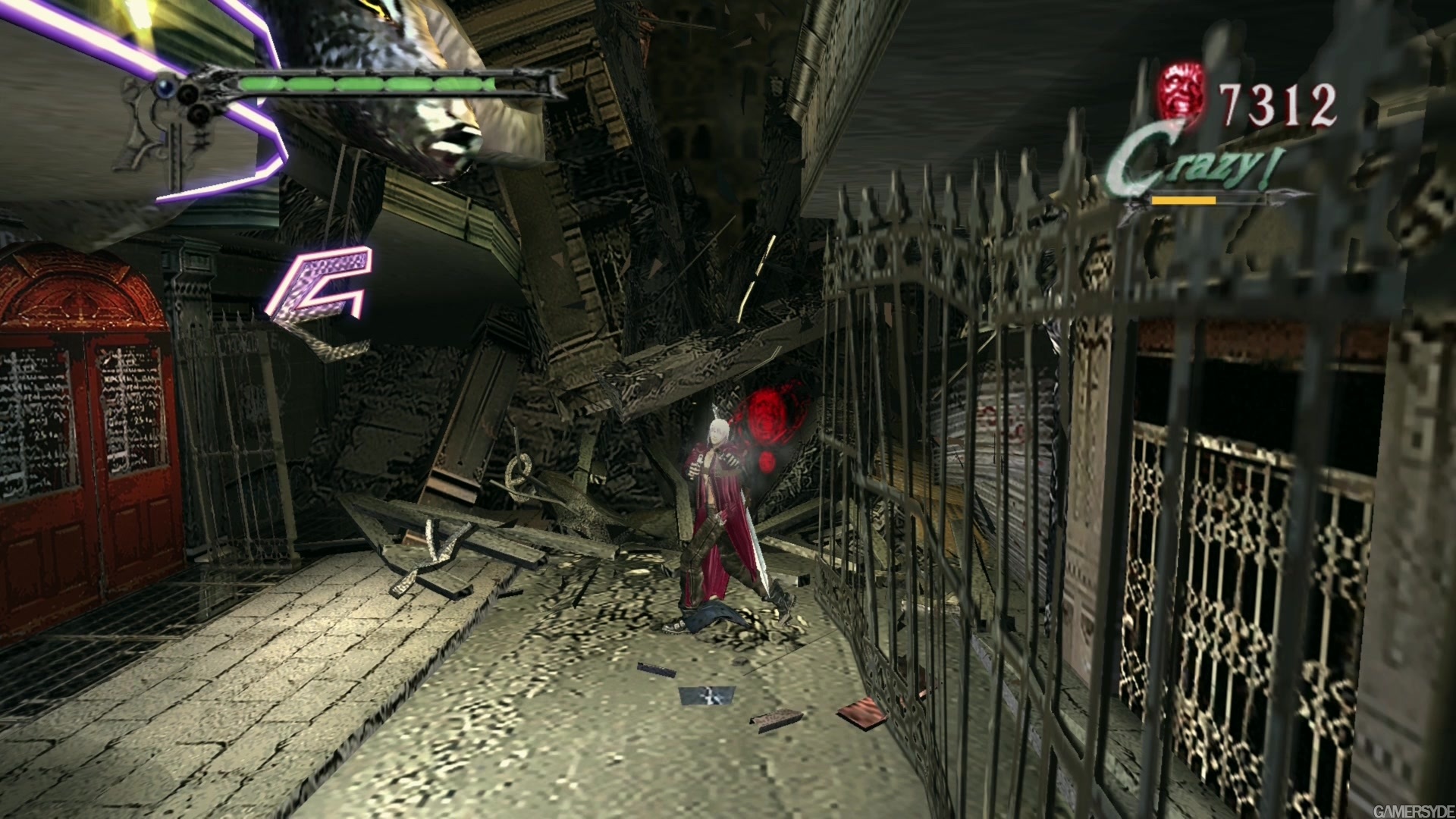
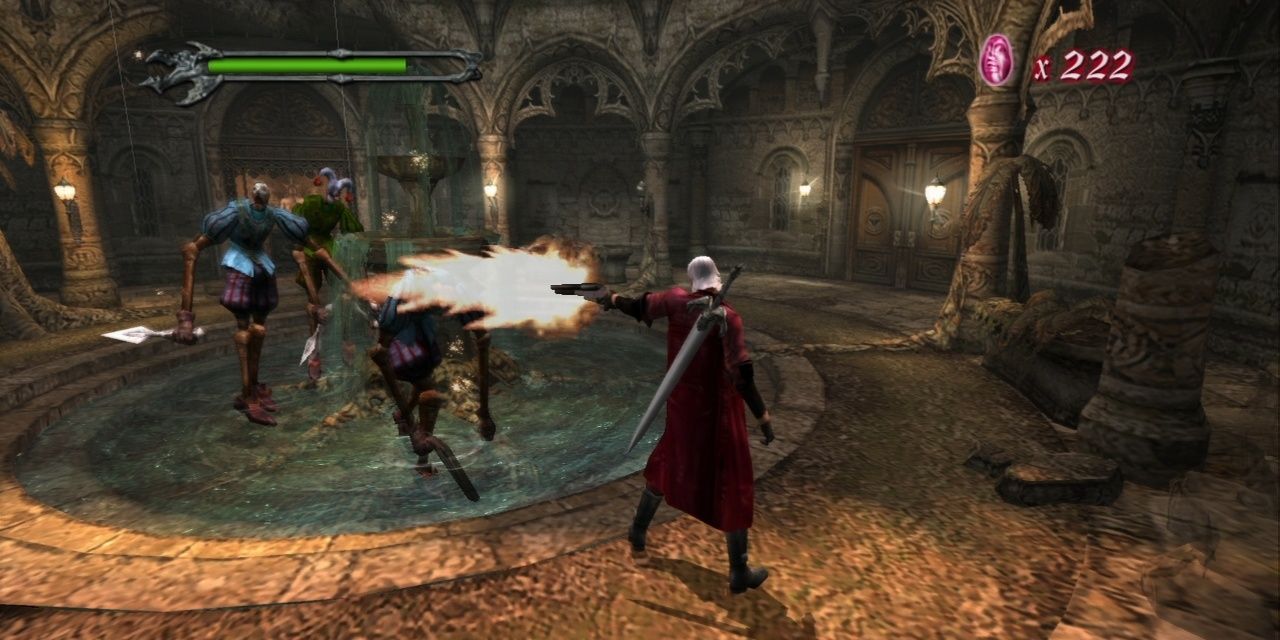
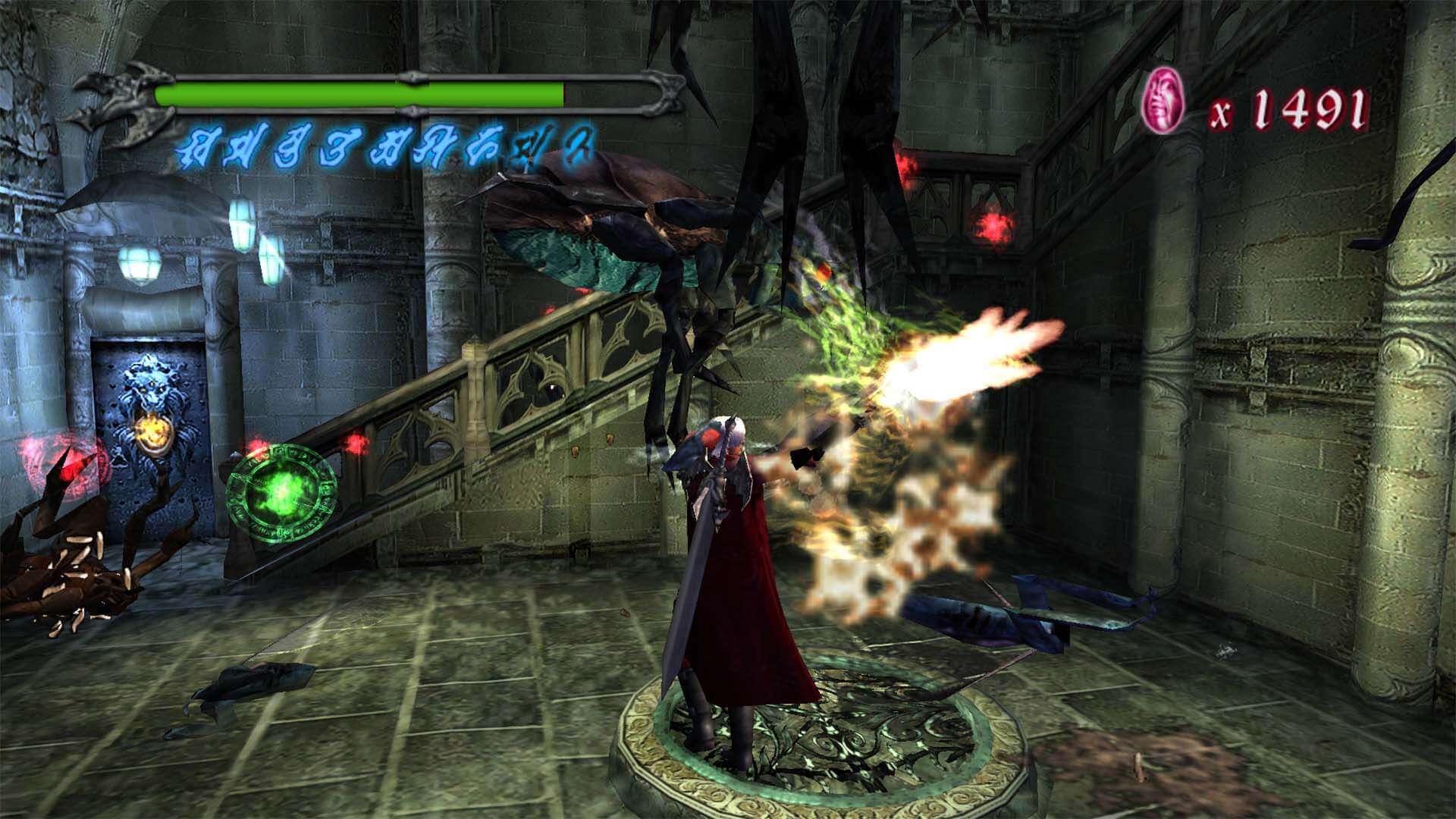
Devil May Cry 2 utilized a proprietary “Next-Gen” engine, aiming for enhanced visuals compared to its predecessor. However, the execution fell short of expectations. While character models were more detailed, textures often appeared muddy, and environments lacked the intricate detail that defined the first game’s gothic aesthetic. The use of pre-rendered cutscenes was intended to supplement the in-game graphics, but they sometimes clashed with the real-time action, creating a disjointed visual experience. The engine struggled to maintain consistent performance, leading to noticeable frame rate drops during intense combat sequences. This technical limitation hampered the overall presentation and contributed to the game’s perceived lack of polish.
Gameplay Mechanics and Core Systems
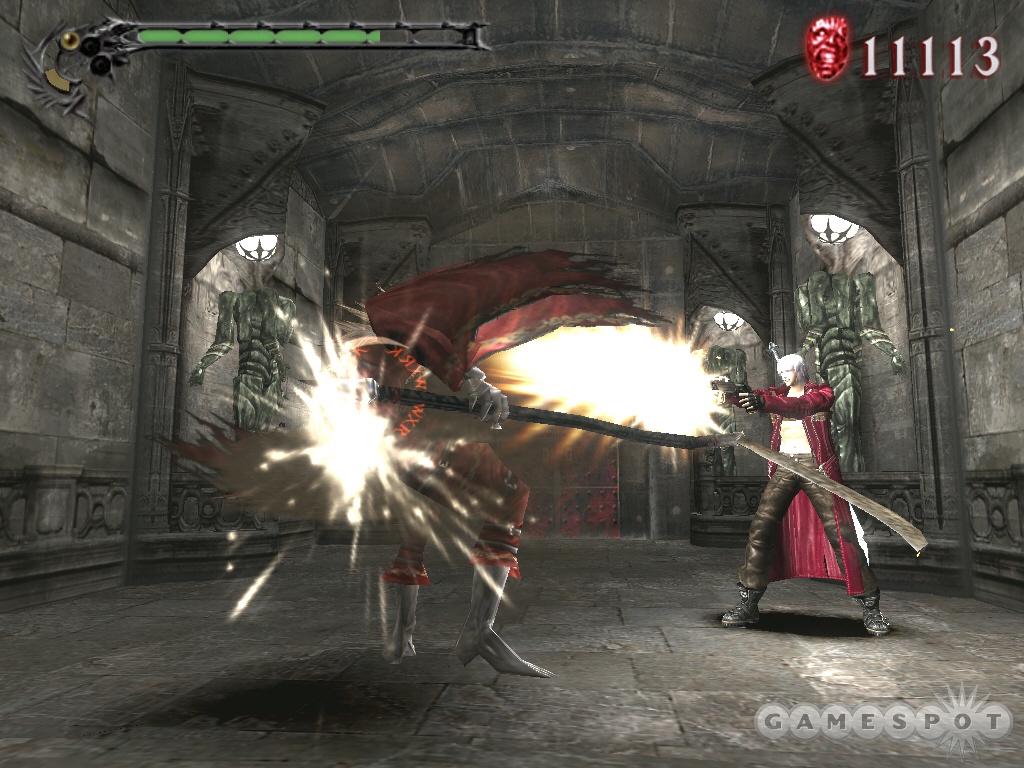
The core gameplay loop in Devil May Cry 2 revolves around stylish action combat, but significant changes were implemented that altered the feel of the original formula. Dante’s signature arsenal was streamlined, with fewer weapon options available from the start. The “Style” system, a key element of the first game’s scoring and reward structure, was simplified, making it less engaging for players seeking high scores. Lucia, the new playable character, offered a different combat style focused on ranged attacks, but her gameplay felt less fluid and impactful compared to Dante’s more aggressive approach. The overall difficulty was noticeably lower than the original, which alienated hardcore fans who craved a challenging experience.
Level Design and World Atmosphere
The level design in Devil May Cry 2 attempted to create diverse environments, ranging from lush forests to industrial complexes. However, these locations often felt generic and lacked the distinctive personality of the first game’s gothic settings. The use of verticality was limited, and many levels felt linear and uninspired. While some areas offered unique gameplay elements, such as puzzles or environmental hazards, they were not always integrated seamlessly into the overall experience. The atmosphere, a crucial element in establishing the Devil May Cry universe, felt muted and lacked the sense of dread and foreboding that characterized previous installments.
Narrative Depth and Character Profiles
The story of Devil May Cry 2 centers on Dante and Lucia’s fight against Arius, a businessman seeking to unleash the demon Argosax. While the narrative attempted to introduce new characters and expand the lore, it ultimately felt convoluted and lacked the emotional resonance of the original game. Dante’s personality was significantly altered, making him less charismatic and relatable than his previous incarnation. Lucia, while initially presented as a strong female character, often felt like a damsel in distress, undermining her agency within the story. The motivations of the antagonists were poorly defined, making them feel generic and unthreatening.
Sound Design and Acoustic Realism
The sound design in Devil May Cry 2 aimed to create an immersive audio experience, but it fell short of expectations. While the soundtrack featured a mix of orchestral scores and rock tracks, it often felt disjointed and lacked the thematic coherence of the first game’s music. The sound effects for weapons and attacks were adequate but lacked the impact and visceral feedback that would have enhanced the combat experience. The voice acting was serviceable but failed to elevate the characters or add depth to their personalities.
Release Expectations and Community Hype
Devil May Cry 2 entered a market already saturated with high-octane action games, carrying the immense pressure of living up to the legacy of its critically acclaimed predecessor. Marketing campaigns emphasized the game’s enhanced graphics and new playable character, Lucia, but failed to adequately address concerns about potential gameplay changes. The community’s anticipation was palpable, fueled by rumors and speculation about what Capcom had in store for Dante and his world. However, the initial trailers and previews offered little reassurance, leaving many fans apprehensive about whether Devil May Cry 2 could recapture the magic of the original.
Conclusion: The Future of Devil May Cry 2
Devil May Cry 2 remains a controversial entry in the franchise, often criticized for its gameplay changes, simplified difficulty, and altered character personalities. While it attempted to expand the universe and introduce new elements, it ultimately failed to live up to the expectations set by its predecessor. However, despite its shortcomings, Devil May Cry 2 played a crucial role in shaping the future of the franchise. The lessons learned from its development informed subsequent installments, leading to refinements in gameplay mechanics, character design, and overall presentation. While not universally loved, Devil May Cry 2 serves as a valuable case study in game development, highlighting the importance of balancing innovation with fan expectations.
Source: Wikipedia