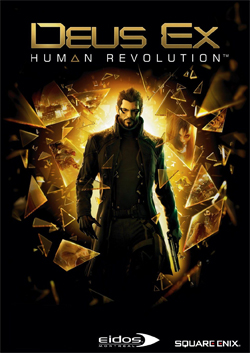
Introduction: The Next Chapter for Deus Ex: Human Revolution
Deus Ex: Human Revolution, developed by Eidos-Montréal and published by Square Enix, represents a bold reimagining of the iconic Deus Ex franchise. Released in 1998, the original Deus Ex set a high bar for immersive gameplay, intricate storytelling, and player agency. Human Revolution, released in 2011, aimed to capture that spirit while forging its own path with a prequel narrative, updated visuals, and refined mechanics. The game’s success hinged on balancing nostalgia with innovation, appealing to both longtime fans and newcomers alike. This deep-dive review will dissect every facet of the game, from its visual direction to its core gameplay systems, exploring what made Human Revolution a critical and commercial success.
Visual Direction and Graphics Engineering
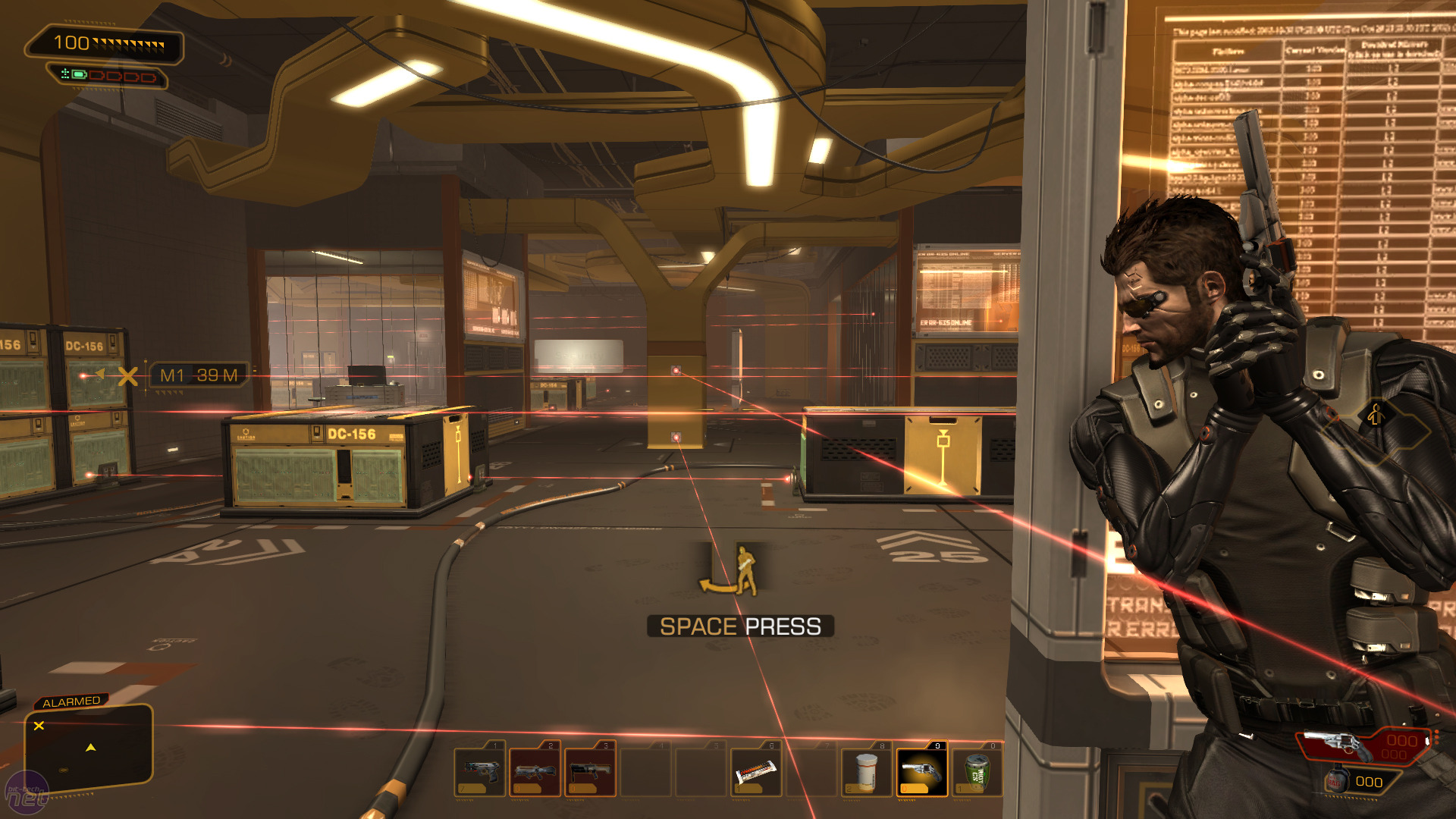
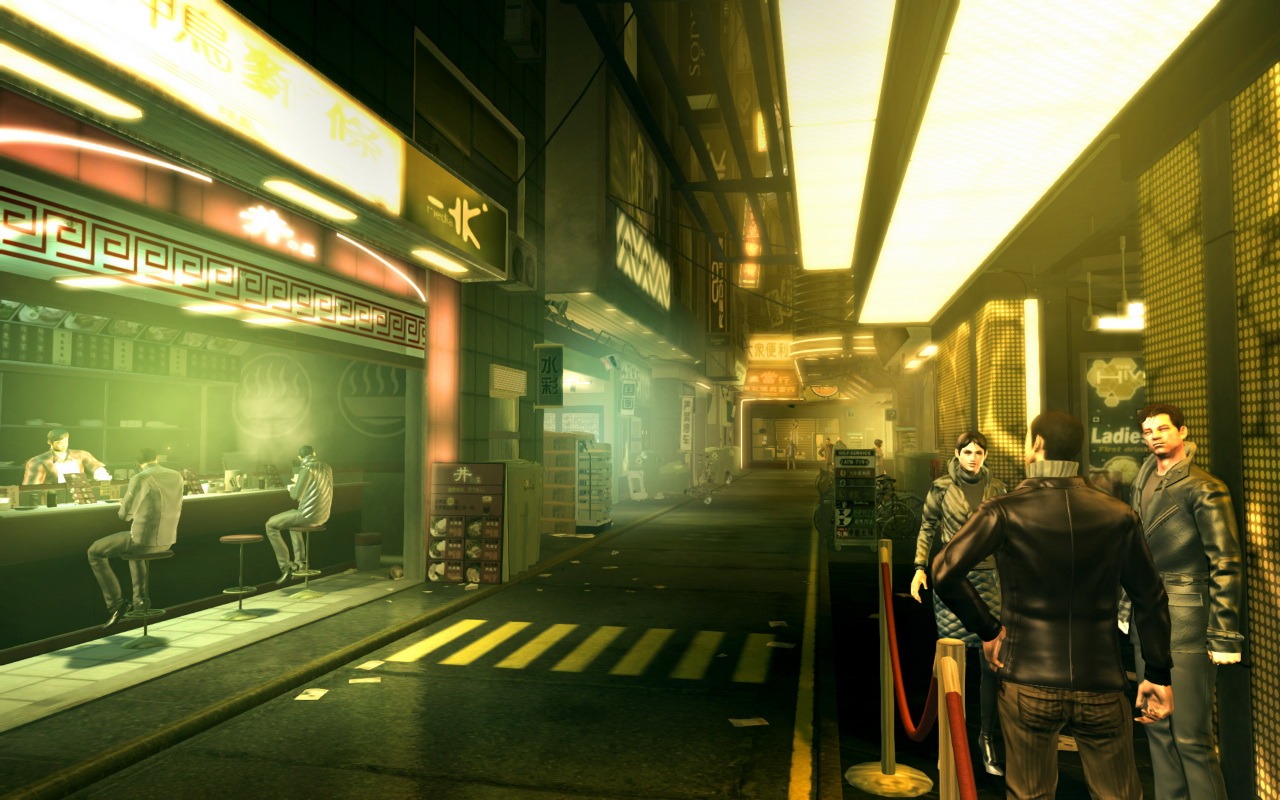
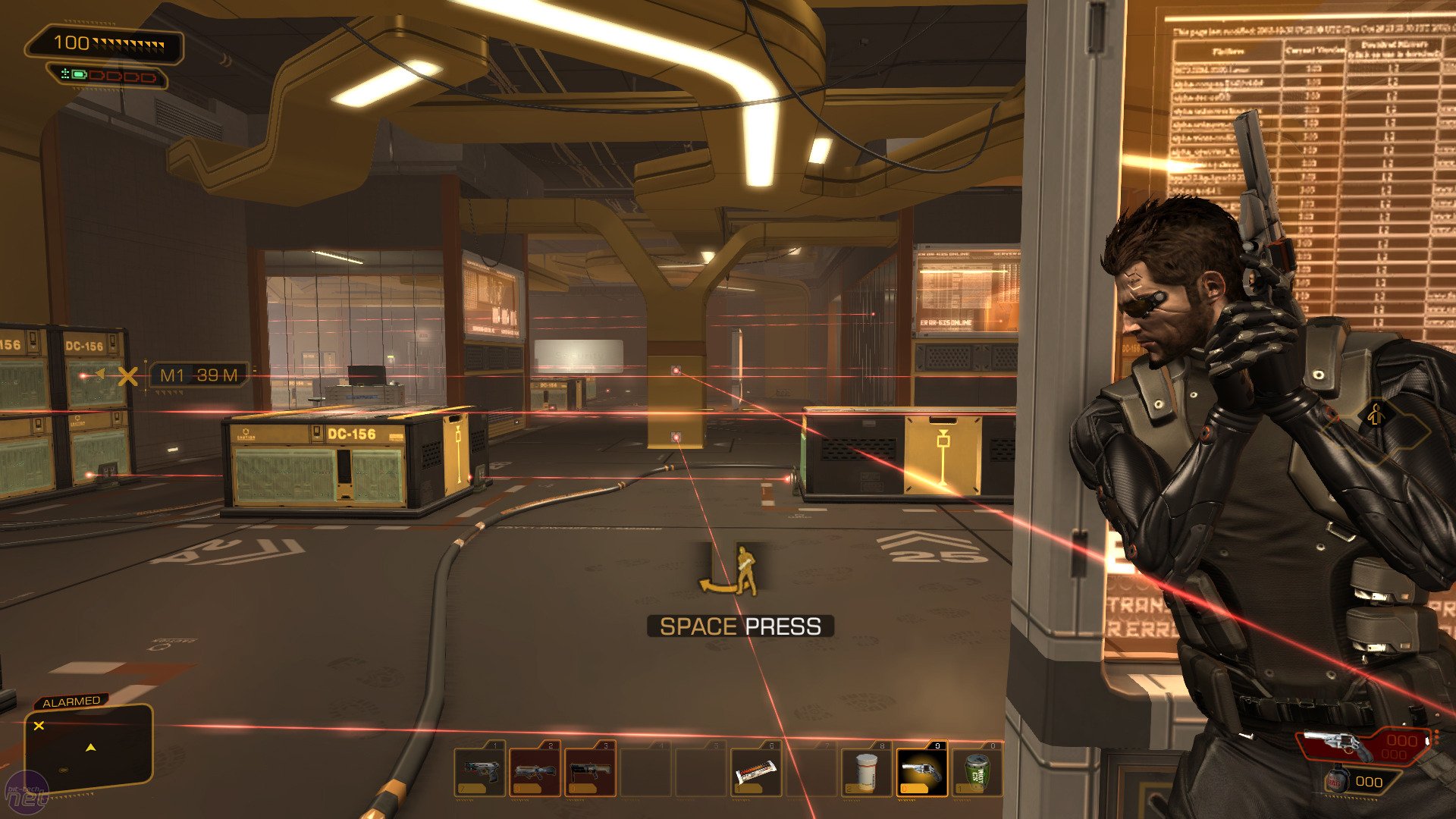
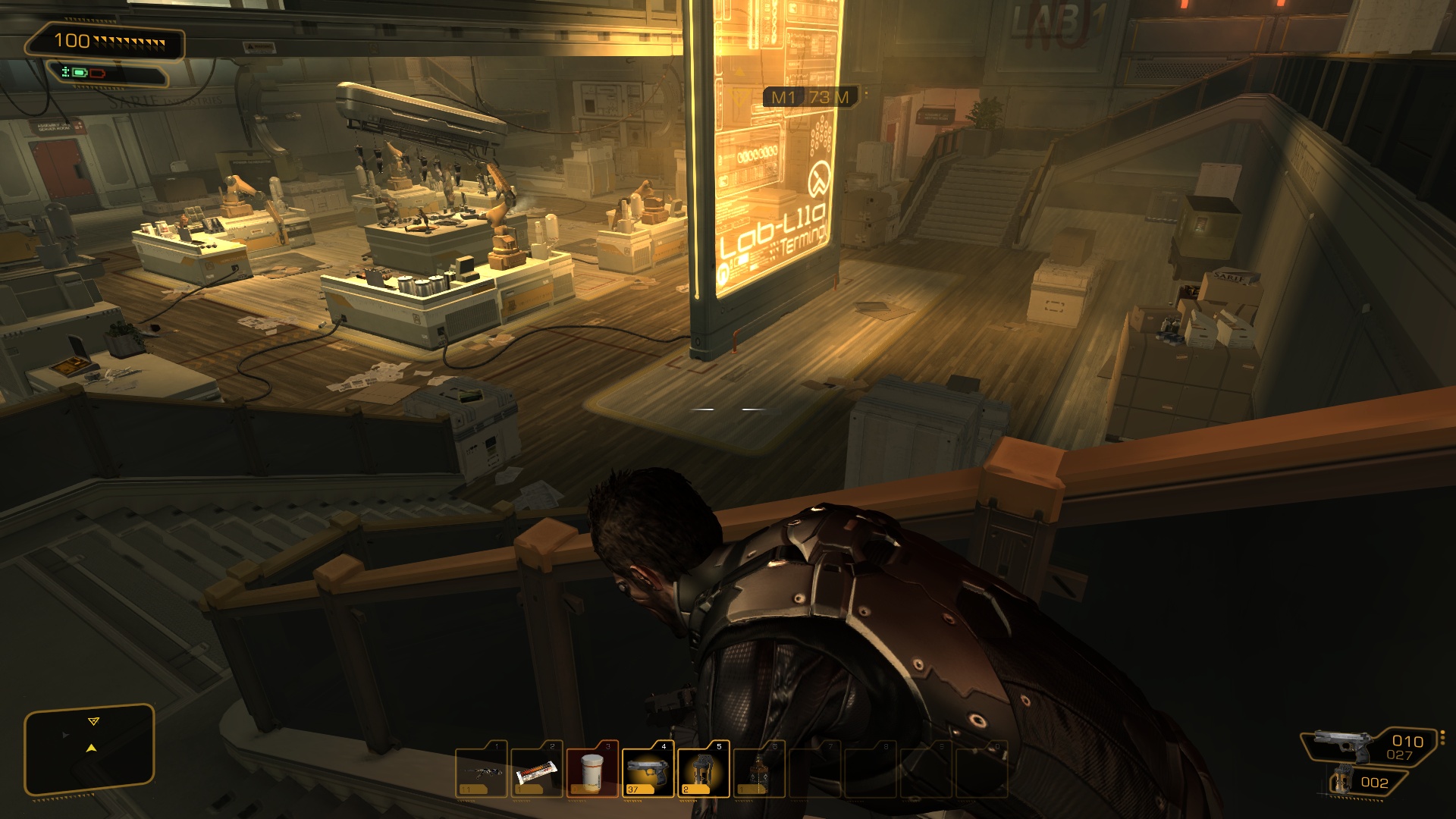
Human Revolution showcases a visually striking cyberpunk aesthetic, characterized by towering skyscrapers adorned with holographic advertisements, neon-lit streets teeming with life (and danger), and the stark contrast between opulent corporate headquarters and decaying urban slums. The game’s proprietary Next-Gen engine was instrumental in realizing this vision, allowing for detailed character models, dynamic lighting effects, and a sense of scale that truly immerses the player in the world of 2027 Detroit. While not pushing the absolute bleeding edge of graphical fidelity at the time of its release, Human Revolution’s art direction and technical execution created a compelling and memorable visual experience. The use of advanced rendering techniques allowed for realistic reflections on augmented surfaces and atmospheric effects that enhanced the game’s overall sense of immersion.
Gameplay Mechanics and Core Systems
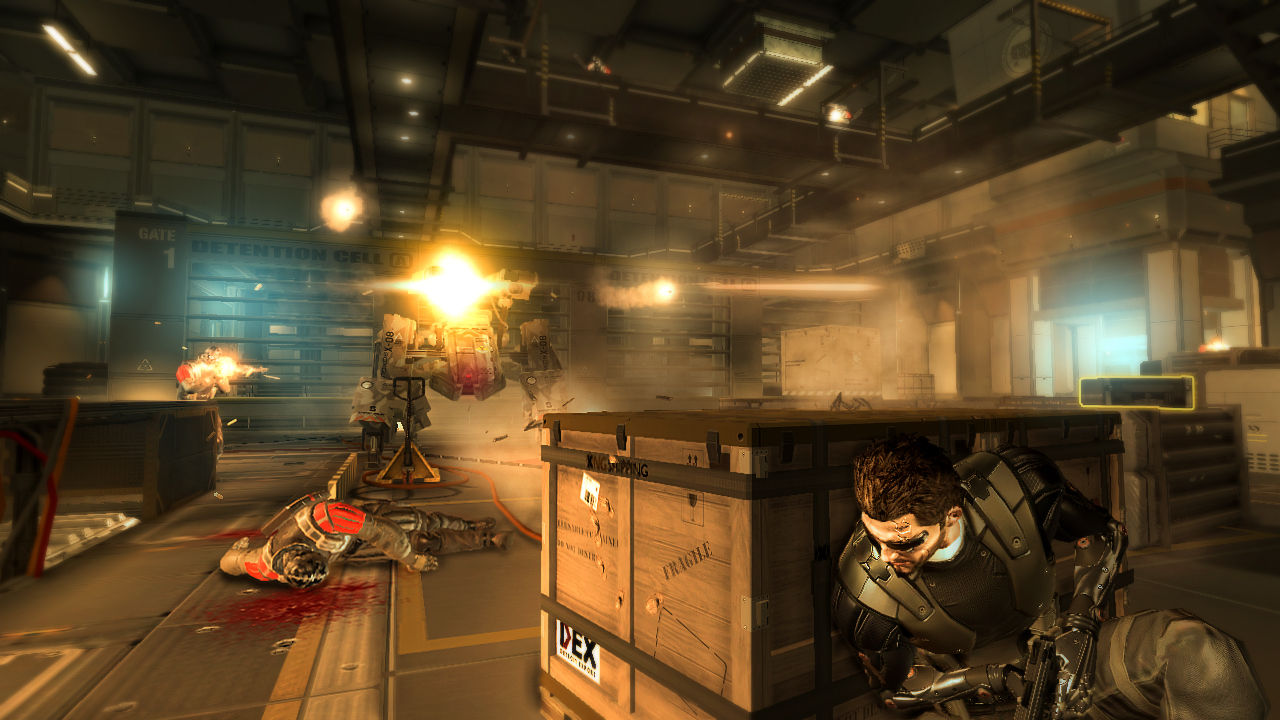
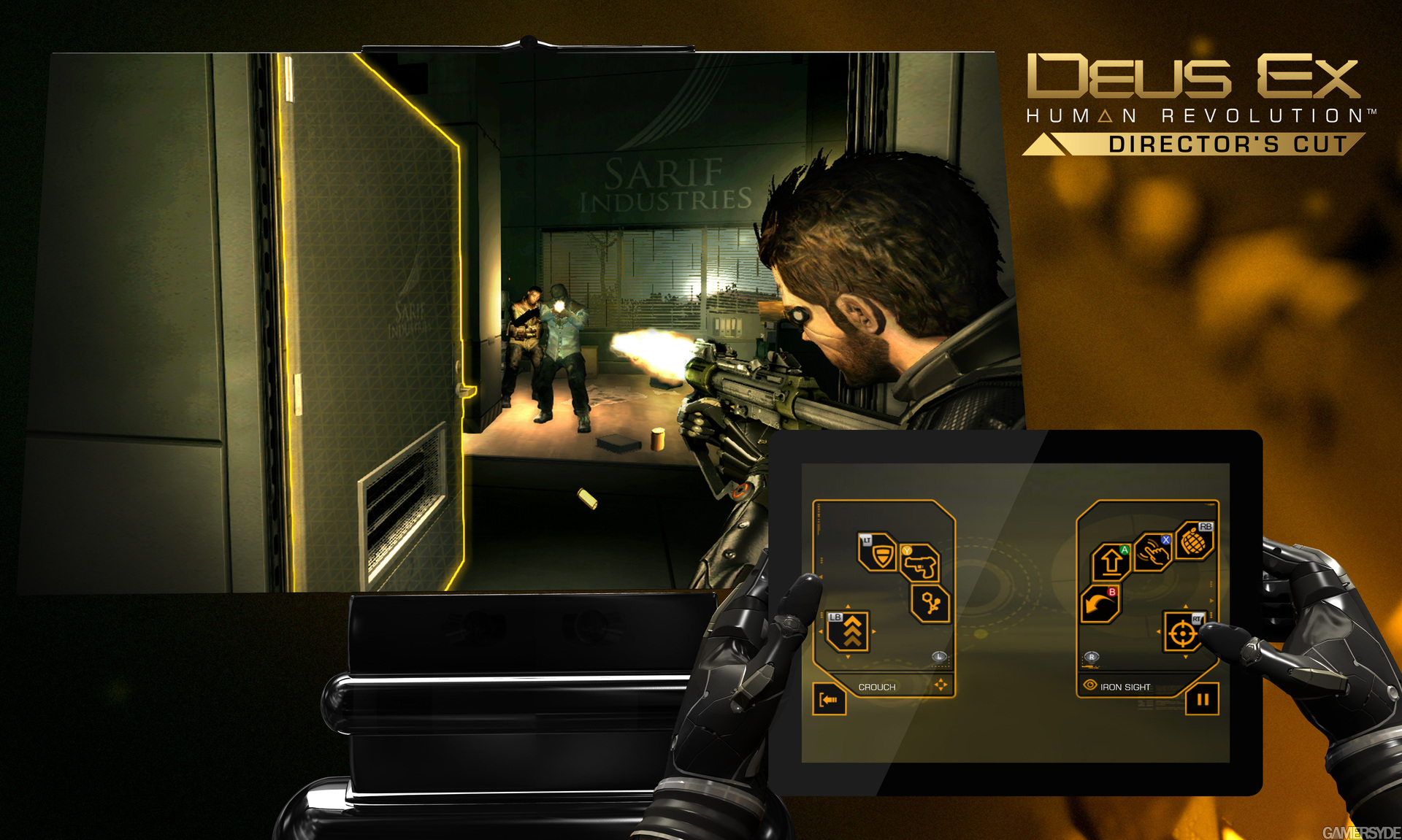
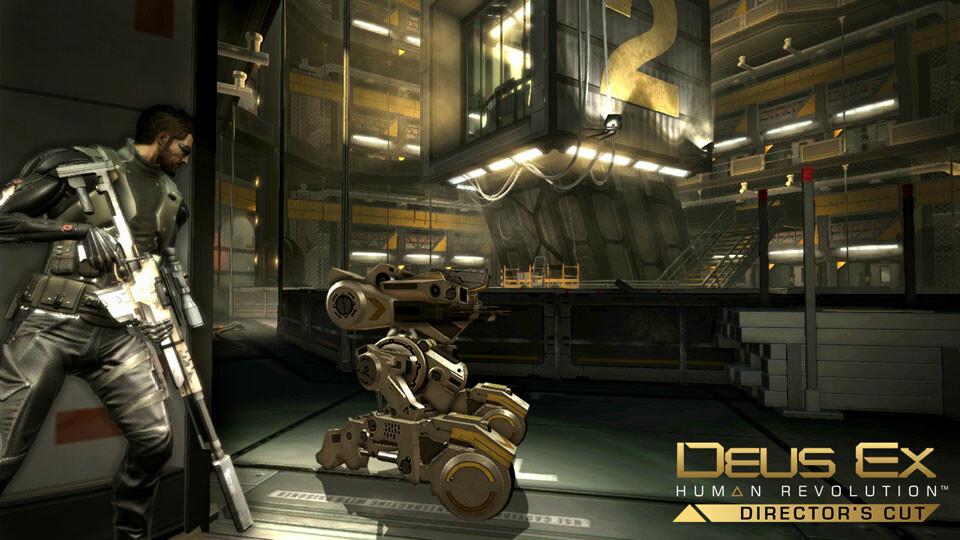
At its heart, Deus Ex: Human Revolution is an action role-playing game with a strong emphasis on player choice and consequence. Players take control of Adam Jensen, a security chief who undergoes extensive augmentation after a devastating attack on his employer, Sarif Industries. The gameplay seamlessly blends first-person shooting, stealth mechanics, and RPG elements. Players can approach situations in multiple ways, utilizing hacking skills to disable security systems, employing non-lethal takedowns to neutralize enemies, or engaging in direct combat with a variety of futuristic weaponry. The Praxis Kits system allows players to unlock new abilities and augmentations for Jensen, further customizing his playstyle and opening up new tactical options. This freedom of choice is a hallmark of the Deus Ex series, and Human Revolution successfully translates this core principle into a modern gaming experience.
Level Design and World Atmosphere
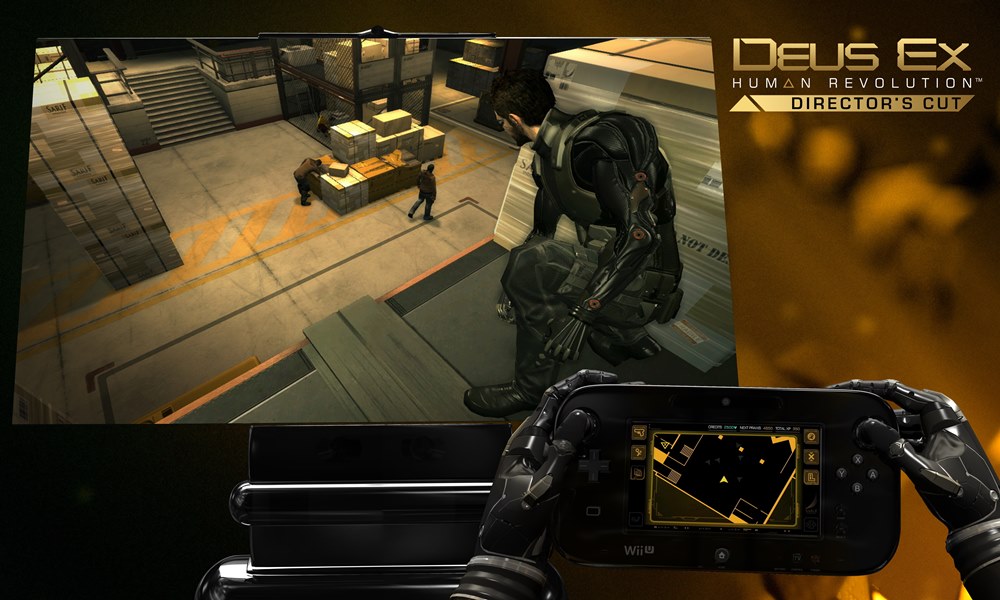
The game’s level design is meticulously crafted to encourage exploration and reward player ingenuity. Each environment, from the bustling streets of Detroit to the sterile confines of corporate research facilities, feels distinct and believable. The interconnected nature of the levels allows players to discover hidden pathways, uncover secret areas, and find alternative routes to their objectives. This sense of freedom and discovery is further enhanced by the game’s atmospheric sound design, which creates a palpable sense of tension and immersion. The world of Human Revolution feels both familiar and alien, reflecting the anxieties and aspirations of a society grappling with technological advancements and social inequality.
Narrative Depth and Character Profiles
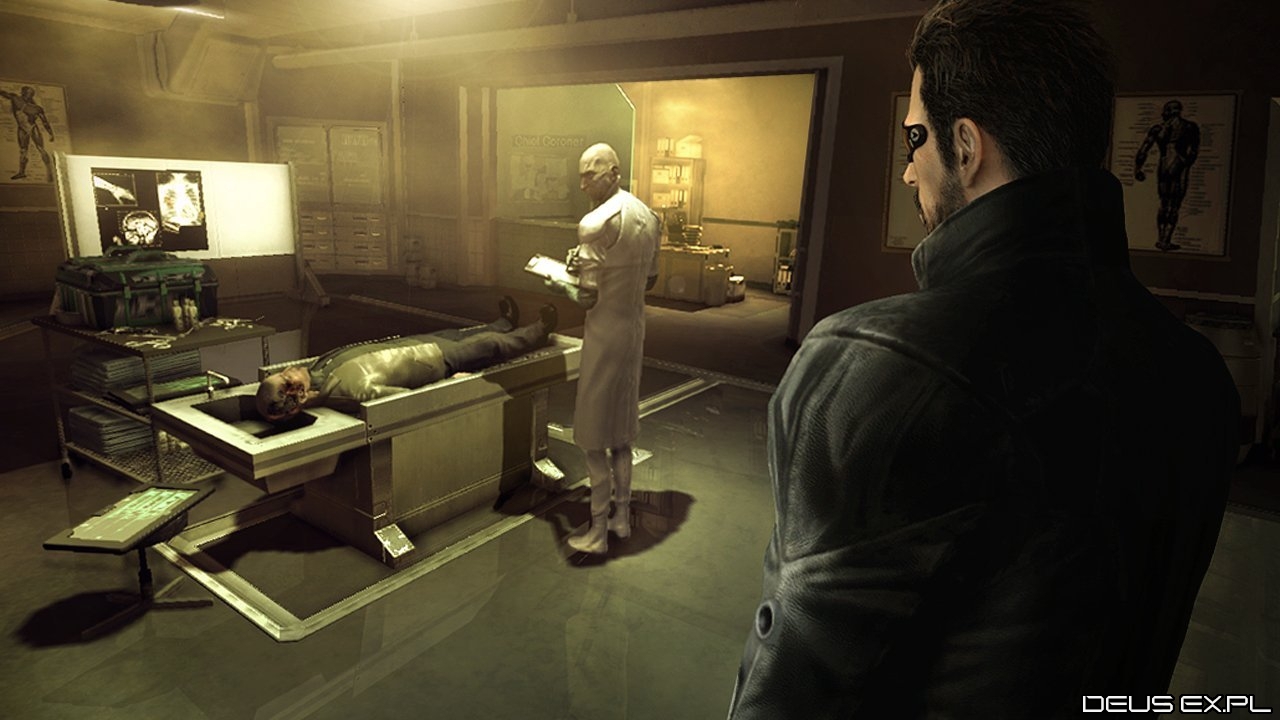
The story of Deus Ex: Human Revolution delves into complex themes of transhumanism, corporate power, and social injustice. Adam Jensen’s journey is one of self-discovery as he grapples with his augmented abilities and uncovers the truth behind the attack on Sarif Industries. The game features a diverse cast of characters, each with their own motivations and agendas. From the enigmatic David Sarif to the ruthless Eliza Cassandras, these individuals contribute to the rich tapestry of the narrative and challenge Jensen’s perceptions of right and wrong. The story is not always straightforward, encouraging players to question the information they receive and draw their own conclusions about the events unfolding around them.
Sound Design and Acoustic Realism
The sound design in Deus Ex: Human Revolution plays a crucial role in creating an immersive and believable world. From the subtle hum of electrical systems to the cacophony of urban noise, every sound is carefully crafted to enhance the player’s sense of presence. The game features a dynamic soundtrack that adapts to the player’s actions and the environment, further amplifying the tension and excitement of gameplay. The voice acting is also top-notch, bringing depth and nuance to the characters and adding another layer of immersion to the experience.
Release Expectations and Community Hype
Prior to its release, Deus Ex: Human Revolution generated significant hype within the gaming community. Longtime fans were eager to see how Eidos-Montréal would approach a new installment in the beloved franchise, while newcomers were intrigued by the prospect of experiencing a modern take on the cyberpunk genre. The game’s trailers and gameplay demos showcased its stunning visuals, innovative mechanics, and compelling narrative, further fueling anticipation for its arrival. The release was met with widespread critical acclaim, solidifying its place as a must-play title for fans of action RPGs and cyberpunk adventures.
Conclusion: The Future of Deus Ex: Human Revolution
Deus Ex: Human Revolution successfully revitalized the franchise, demonstrating that the core principles of player choice, immersive storytelling, and innovative gameplay could resonate with a new generation of gamers. While it may not have been without its flaws, the game’s strengths far outweighed its weaknesses, establishing a solid foundation for future installments in the series. The success of Human Revolution paved the way for Deus Ex: Mankind Divided, further expanding upon the world and characters introduced in the previous title. And with the highly anticipated release of Deus Ex: Synthetic Division on the horizon, the future of the franchise looks brighter than ever.
Source: Wikipedia