
Introduction: The Next Chapter for Detroit: Become Human
Detroit: Become Human, a landmark title from Quantic Dream, isn’t just a game; it’s an interactive narrative experience that delves into profound questions about consciousness, freedom, and what it truly means to be human. Released in 2018 for the PlayStation 4 and later ported to Windows, the game immediately captivated audiences with its compelling story, stunning visuals, and innovative gameplay mechanics. This Masterclass Deep-Dive will dissect every facet of Detroit: Become Human, from its technical underpinnings to its artistic vision, providing a comprehensive analysis for seasoned gamers and aspiring developers alike. We’re not just looking at the surface; we’re diving deep into the engine that powers this interactive drama.
Visual Direction and Graphics Engineering
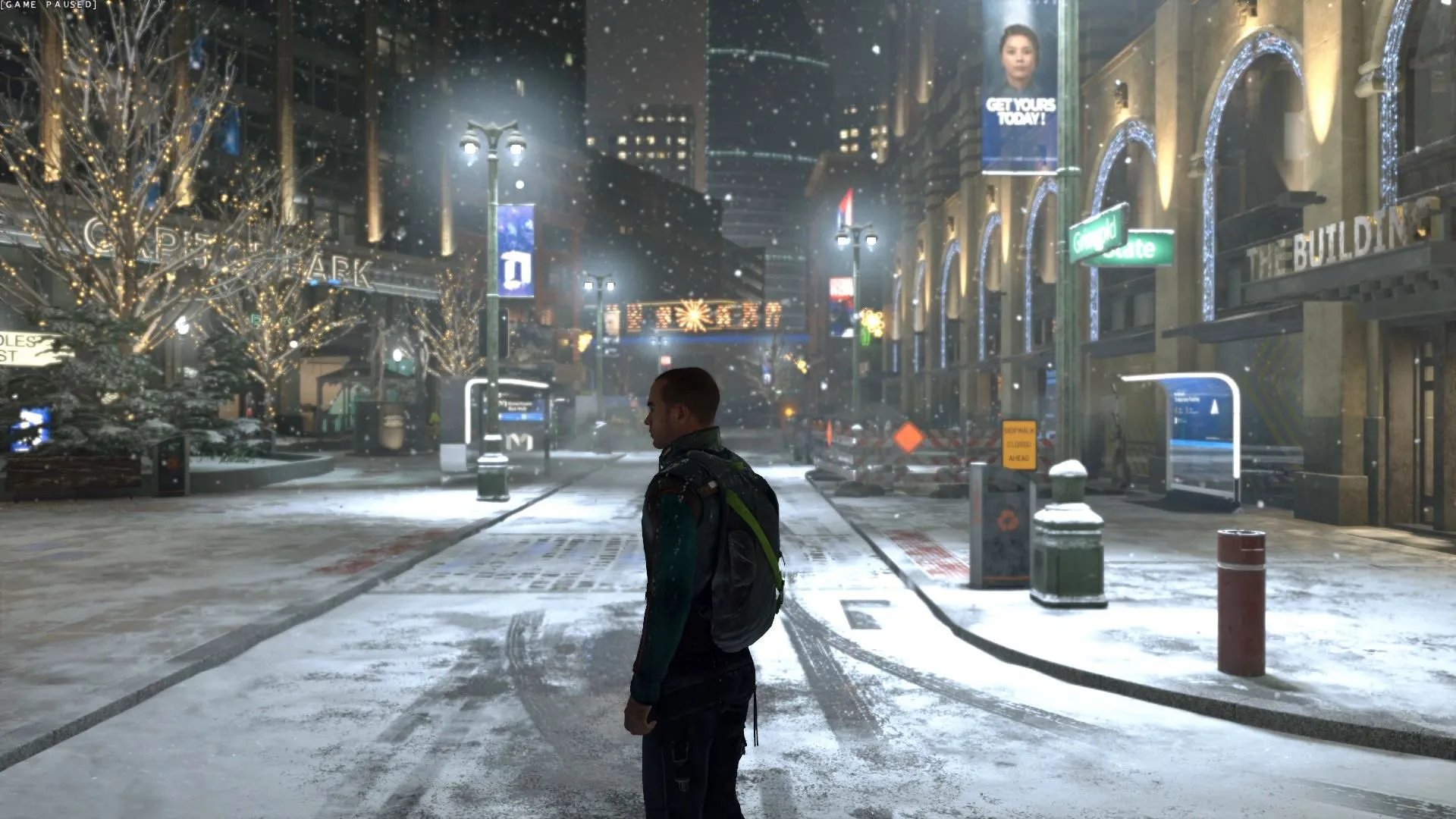
The visual fidelity of Detroit: Become Human is nothing short of breathtaking. Quantic Dream leveraged its proprietary game engine to create a hyper-realistic depiction of a near-future Detroit, meticulously crafted to evoke both beauty and unease. Character models are incredibly detailed, capturing subtle nuances in facial expressions and body language that contribute significantly to the emotional impact of the narrative. The lighting system plays a crucial role, casting dramatic shadows and highlighting key details within each scene. The engine’s ability to handle complex character animations is particularly noteworthy, allowing for incredibly lifelike performances from the cast. This level of visual polish was achieved through years of dedicated work by a team of talented artists and engineers, pushing the boundaries of what’s possible on current-generation hardware. The attention to detail extends beyond mere aesthetics; it serves to enhance the player’s immersion in the world.
Gameplay Mechanics and Core Systems
Detroit: Become Human distinguishes itself through its innovative gameplay mechanics centered around choice and consequence. The game features a branching narrative structure where every decision, no matter how seemingly insignificant, can have a ripple effect on the story’s trajectory. A “flowchart” system visually represents these potential outcomes, allowing players to track their choices and understand their impact. The Quick Time Event (QTE) system is seamlessly integrated into the gameplay, adding an element of tension and urgency to key moments. Furthermore, the game introduces unique abilities for each playable character, such as Connor’s detective skills or Markus’ ability to influence other androids. These mechanics are not merely superficial additions; they are integral to the storytelling process, empowering players to shape the narrative in meaningful ways.
Level Design and World Atmosphere
The level design in Detroit: Become Human is a masterclass in environmental storytelling. Each location, from the bustling streets of downtown Detroit to the dilapidated apartments on the outskirts of the city, is meticulously crafted to convey a sense of place and atmosphere. The game world feels both familiar and unsettling, reflecting the social tensions that simmer beneath the surface. Interactive elements are strategically placed throughout each environment, encouraging exploration and rewarding players who take the time to uncover hidden details. The use of lighting and sound design further enhances the immersive experience, creating a palpable sense of unease in certain areas and moments of tranquility in others.
Narrative Depth and Character Profiles
At its core, Detroit: Become Human is a story about humanity, empathy, and the fight for freedom. The game explores complex themes through the eyes of three distinct android characters: Kara, Connor, and Markus. Each character has their own unique motivations, struggles, and perspectives on the world around them. Kara’s journey is one of maternal love and self-discovery, as she escapes her abusive owner to protect a young girl. Connor grapples with his programming and begins to question his purpose as he hunts down deviant androids. Markus evolves from a caretaker into a revolutionary leader, inspiring other androids to rise up against their oppressors. The game’s narrative depth is further enhanced by the nuanced performances of the voice actors, who bring these characters to life with remarkable authenticity.
Sound Design and Acoustic Realism
The sound design in Detroit: Become Human is equally impressive, contributing significantly to the game’s immersive quality. The soundtrack, composed by Philip Sheppard, Nima Fakhrara, and John Paesano, perfectly complements the on-screen action, ranging from haunting melodies to pulse-pounding electronic scores. Ambient sounds are meticulously recorded and implemented, creating a realistic soundscape that draws players deeper into the game world. The use of positional audio further enhances the sense of immersion, allowing players to pinpoint the source of sounds with remarkable accuracy. The subtle nuances in character dialogue also play a crucial role in conveying emotion and building relationships between characters.
Release Expectations and Community Hype
Prior to its release, Detroit: Become Human generated significant hype within the gaming community. The game’s unique premise, stunning visuals, and innovative gameplay mechanics promised a truly unforgettable experience. Early previews and trailers showcased the game’s potential, further fueling anticipation among fans of narrative-driven games. The decision to port the game to Windows after its initial release on PlayStation 4 was met with enthusiasm from PC gamers eager to experience the title on their preferred platform. The community response has been overwhelmingly positive, praising the game’s story, characters, and overall quality.
Conclusion: The Future of Detroit: Become Human
Detroit: Become Human stands as a testament to the power of interactive storytelling and the potential of video games as a medium for exploring complex social issues. The game’s innovative gameplay mechanics, stunning visuals, and compelling narrative have earned it widespread acclaim from critics and players alike. While there are no immediate plans for a direct sequel, Quantic Dream continues to explore new ways to push the boundaries of interactive storytelling, drawing inspiration from the success of Detroit: Become Human. The legacy of this landmark title will undoubtedly continue to influence game development for years to come, inspiring future generations of artists and engineers to create truly unforgettable experiences.

Source: Wikipedia


