
Introduction: The Next Chapter for Demon’s Souls
Demon’s Souls, a title that resonated deeply within the gaming landscape upon its initial release, stands as a pivotal work from FromSoftware. More than just a game, it was an experience – a brutal, unforgiving, yet ultimately rewarding journey into a world teetering on the brink of oblivion. This Masterclass Deep-Dive will dissect every facet of Demon’s Souls, exploring its technical prowess, artistic vision, and enduring legacy. We’re not just looking at pixels; we’re examining the very soul of this groundbreaking title.
Visual Direction and Graphics Engineering
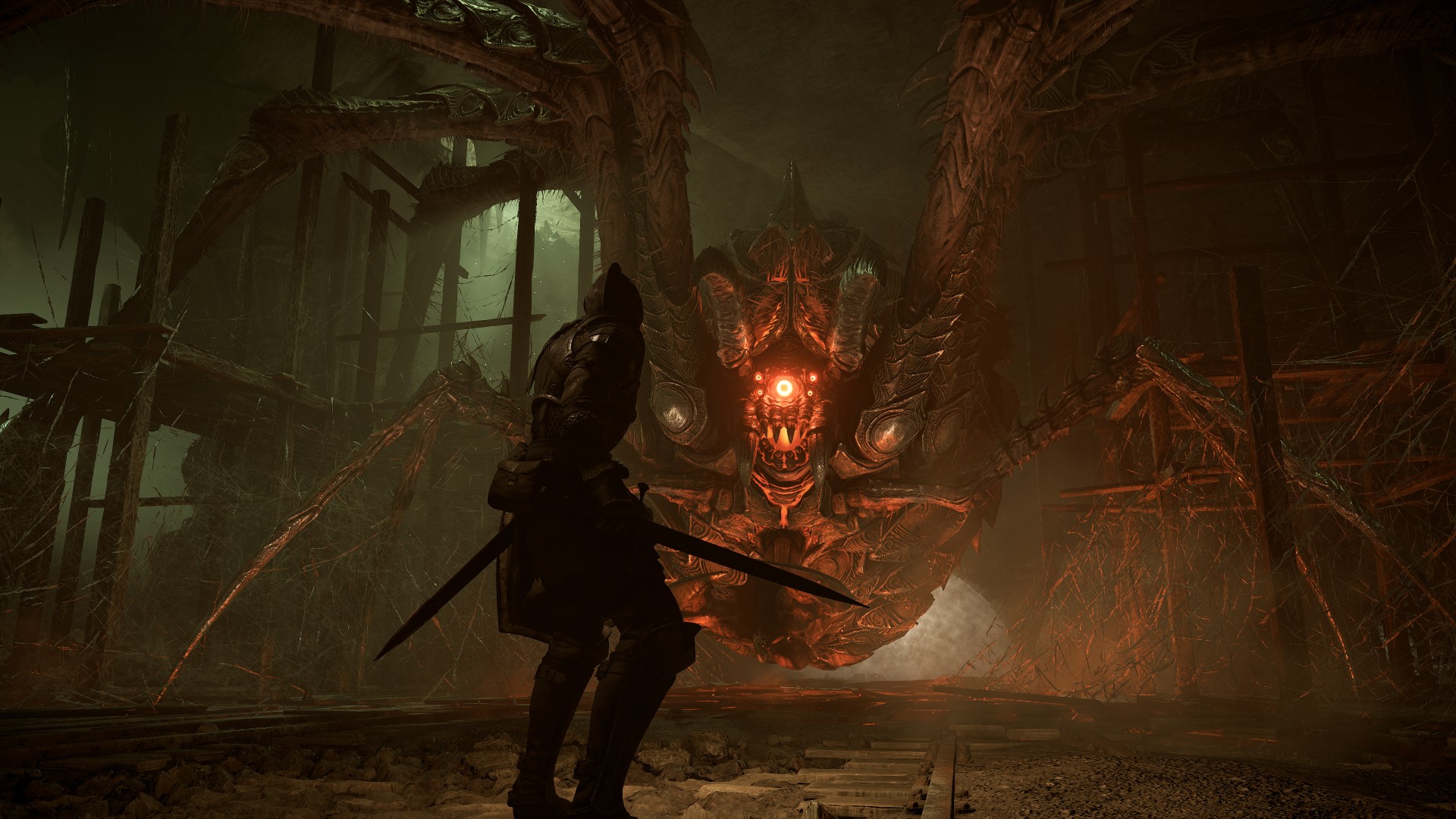
Demon’s Souls, developed for the PlayStation 3, showcased a unique visual style that blended gothic architecture with grotesque creature designs. The game’s proprietary engine, while limited by the hardware of its time, achieved remarkable results. Character models, though somewhat blocky by modern standards, possessed a distinct personality, and the environments were rich in detail, creating a palpable sense of dread and decay. showcases the detailed architecture common throughout Boletaria. The lighting engine played a crucial role in establishing the game’s atmosphere, casting long shadows and highlighting unsettling details. While not pushing graphical boundaries like some contemporaries, Demon’s Souls demonstrated an efficient use of resources to create a memorable visual experience.
Gameplay Mechanics and Core Systems
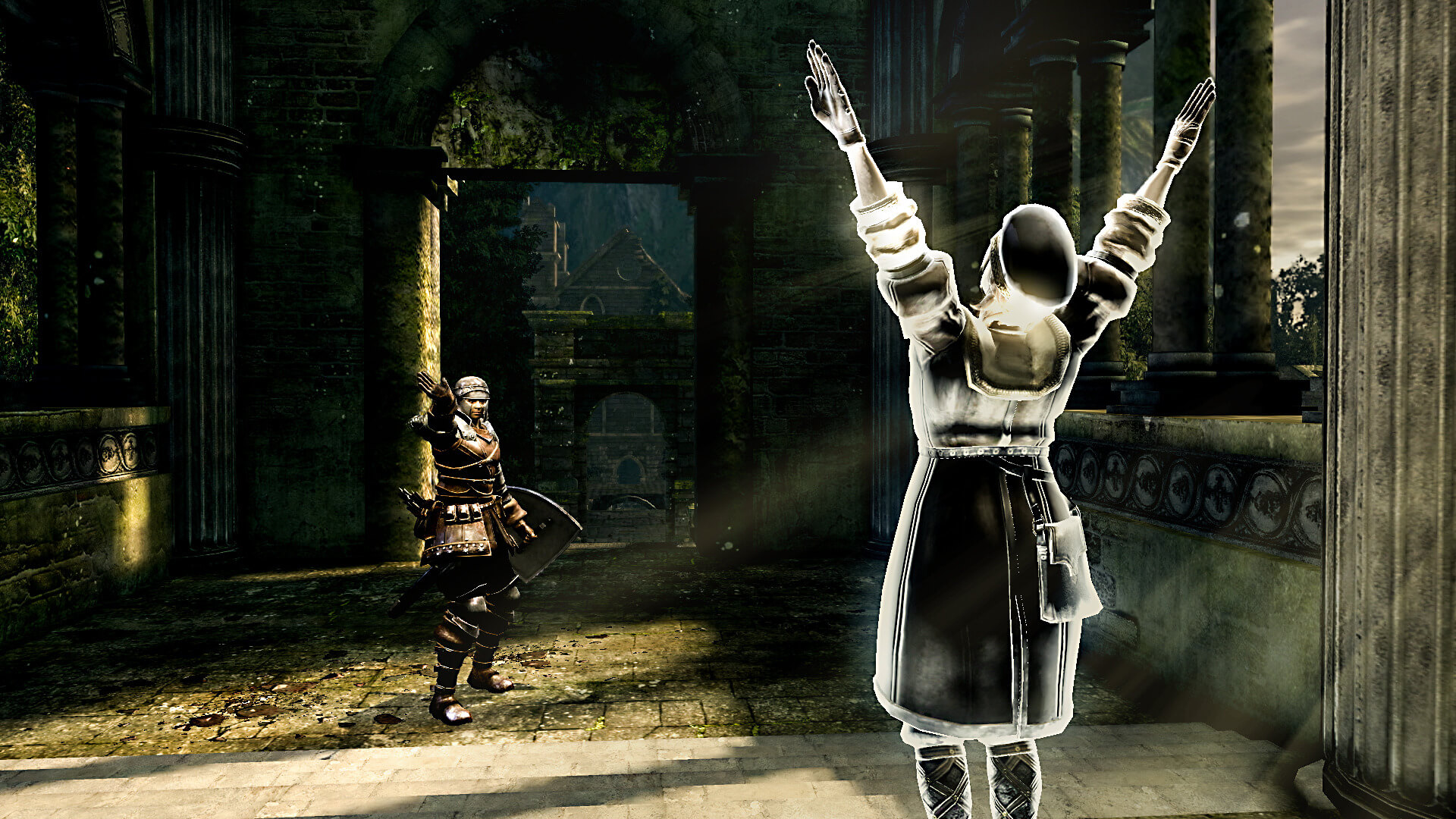
The core gameplay loop of Demon’s Souls revolves around challenging combat encounters, exploration, and resource management. The game introduced the concept of “souls,” which serve as both experience points and currency. Death is a constant threat, but it also provides opportunities for learning and adaptation. The innovative online multiplayer system allowed players to assist each other through difficult sections or invade each other’s worlds, adding an element of unpredictability and social interaction. [[INJECT_VIDEO]] demonstrates the core combat mechanics and player death cycle. This blend of cooperative and competitive elements was a defining characteristic of Demon’s Souls.
Level Design and World Atmosphere
Boletaria, the kingdom at the heart of Demon’s Souls, is a world steeped in darkness and despair. The level design is intricate and interconnected, encouraging exploration and rewarding curiosity. Each area possesses its own distinct visual identity and challenges, from the swampy depths of 5th Soul to the towering spires of Archstone. The atmosphere is oppressive and unsettling, punctuated by moments of fleeting beauty. highlights the environmental storytelling prevalent throughout the game’s levels. This careful attention to detail created a truly immersive experience.
Narrative Depth and Character Profiles
The narrative in Demon’s Souls is deliberately fragmented and ambiguous, relying on environmental storytelling and player interpretation. The story of Boletaria’s fall, the Old One’s influence, and the motivations of its characters are gradually revealed through item descriptions, NPC interactions, and visual cues. While lacking a traditional cinematic presentation, the game’s narrative depth lies in its ability to evoke emotions and encourage players to piece together the larger picture. Key characters like the Maiden in Black and various NPCs offer glimpses into the world’s history and lore.
Sound Design and Acoustic Realism
The sound design in Demon’s Souls is crucial to creating its oppressive atmosphere. The haunting soundtrack, composed by Shunsuke Kida, perfectly complements the game’s visuals and enhances the sense of dread. Environmental sounds, such as the creaking of floorboards and the distant cries of monsters, further immerse the player in Boletaria’s decaying world. The sound effects for combat are visceral and impactful, adding weight to each swing of a weapon or parry of an attack.
Release Expectations and Community Hype
Upon its release, Demon’s Souls was met with critical acclaim, praised for its challenging gameplay, unique atmosphere, and innovative online features. While not initially a massive commercial success, it quickly gained a dedicated following who appreciated its uncompromising vision. The game’s reputation grew over time, fueled by word-of-mouth and the emergence of a passionate community eager to share their experiences and strategies. This grassroots support laid the foundation for FromSoftware’s future successes.
Conclusion: The Future of Demon’s Souls
Demon’s Souls is more than just a game; it’s a testament to the power of uncompromising artistic vision and innovative gameplay design. Its influence can be seen in countless games that followed, from the Dark Souls series to Elden Ring. represents the enduring legacy of Demon’s Souls within the gaming landscape. The recent remake for the PlayStation 5 has introduced a new generation of players to this classic title, ensuring its continued relevance and impact for years to come.

Source: Wikipedia