Introduction: The Next Chapter for Delta Force: Black Hawk Down
Delta Force: Black Hawk Down arrives as a pivotal moment in the long and storied history of the Delta Force franchise. Building upon the foundations laid by its predecessors, this installment aims to deliver a visceral and authentic portrayal of combat operations during the Somali Civil War. More than just a game, it's an attempt to capture the intensity and complexity of real-world military engagements, offering players a chance to experience the challenges faced by soldiers in a volatile environment. This deep dive will dissect every facet of the game, from its visual presentation to its core gameplay mechanics, revealing what makes Delta Force: Black Hawk Down a significant entry in the FPS genre.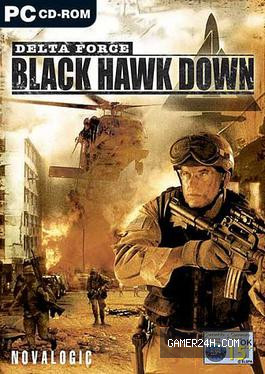
Visual Direction and Graphics Engineering
The visual direction of Delta Force: Black Hawk Down aims for gritty realism, foregoing flashy effects in favor of a more grounded aesthetic. The game leverages the capabilities of its engine to create environments that feel both authentic and immersive. While not pushing the boundaries of graphical fidelity by today's standards (especially considering the various platform releases), the developers focused on creating believable textures, lighting, and character models. showcases a typical in-game environment, highlighting the attention to detail given to recreating the urban landscapes of Mogadishu and the rugged terrain of the Jubba Valley. The use of particle effects for explosions and muzzle flashes adds to the sense of chaos and intensity during combat encounters. Optimization was clearly a priority, ensuring that the game ran smoothly across its target platforms, from high-end PCs to consoles.Gameplay Mechanics and Core Systems
At its heart, Delta Force: Black Hawk Down is a first-person shooter focused on tactical team-based gameplay. Players command a squad of AI-controlled soldiers, issuing commands such as moving to cover, engaging enemies, and providing suppressive fire. The game emphasizes communication and coordination between the player and their teammates, rewarding players who can effectively manage their squad's positioning and actions. Weapon handling is realistic, with recoil and spread affecting accuracy. Ammunition management is also crucial, forcing players to make strategic decisions about when to engage and when to conserve resources. The inclusion of a mission editor allows for extensive customization and replayability, enabling players to create their own scenarios and challenges. illustrates the squad command interface, highlighting the player's ability to direct their team members in real-time.Level Design and World Atmosphere
The level design in Delta Force: Black Hawk Down is a key element in creating an immersive experience. The game features a variety of environments, ranging from dense urban areas to open desert landscapes. Each location is meticulously crafted to reflect the historical context of the Somali Civil War. Buildings are realistically modeled, with detailed interiors and exteriors. The use of dynamic lighting and weather effects further enhances the atmosphere, creating a sense of tension and unpredictability. Sound design plays a crucial role in immersing players in the environment, with authentic weapon sounds, ambient noises, and voice acting that bring the world to life.Narrative Depth and Character Profiles
While primarily focused on gameplay, Delta Force: Black Hawk Down attempts to weave a narrative thread throughout the missions. Players experience key events from Operation Gothic Serpent, gaining insights into the challenges faced by Task Force Ranger. While character development is not extensive, the game provides glimpses into the personalities of the AI-controlled teammates, adding a layer of depth to the gameplay experience. The story is presented through in-game dialogue and cutscenes, providing context for the player's actions and motivations.Sound Design and Acoustic Realism
The sound design in Delta Force: Black Hawk Down is critical to creating an immersive and realistic experience. Weapon sounds are meticulously recorded to accurately reflect the characteristics of each firearm. Environmental sounds, such as gunfire, explosions, and vehicle noises, further enhance the sense of chaos and intensity during combat encounters. Voice acting is used sparingly but effectively, adding personality to the AI-controlled teammates and providing context for key events in the story. The overall soundscape creates a palpable sense of tension and danger, drawing players deeper into the world of the game.Release Expectations and Community Hype
The release of Delta Force: Black Hawk Down generated significant hype within the gaming community, fueled by its association with the iconic book and film of the same name. Players eagerly anticipated a chance to experience the intense combat operations depicted in the source material. The promise of realistic gameplay mechanics, immersive environments, and a compelling narrative further contributed to the anticipation. However, some concerns were raised about the game's graphical fidelity compared to more modern titles.Conclusion: The Future of Delta Force: Black Hawk Down
Delta Force: Black Hawk Down represents a significant chapter in the franchise's history, striving to deliver an authentic and immersive portrayal of combat operations during the Somali Civil War. While not without its limitations, the game offers a compelling experience for fans of tactical shooters. showcases gameplay footage, highlighting the intensity and realism that define the Delta Force: Black Hawk Down experience. The legacy of this title continues to inspire developers and players alike, solidifying its place as a classic in the FPS genre.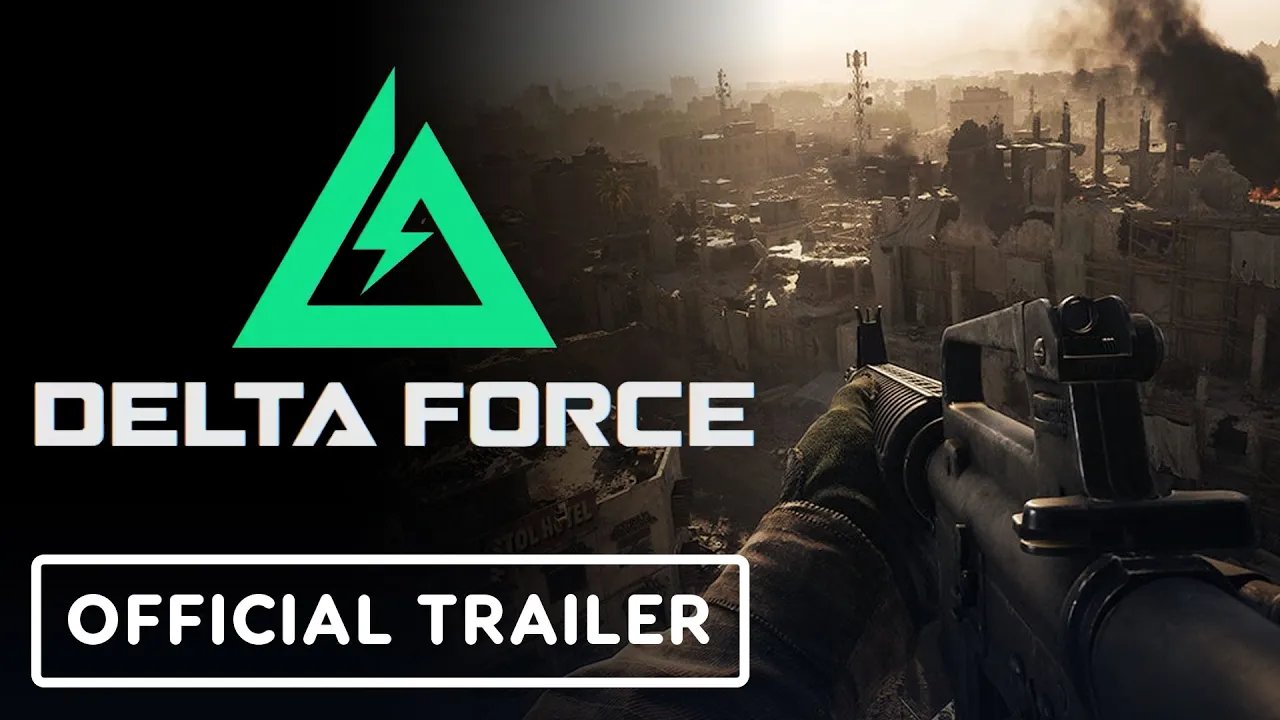
Source: Wikipedia
Google Preferred Source
Add us to your favorite news sources on Google
Get instant updates and breaking news directly in Google News