Introduction: The Next Chapter for Death Stranding
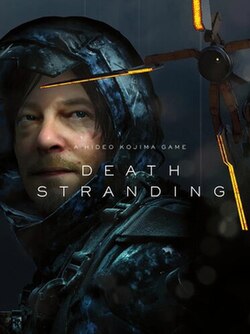
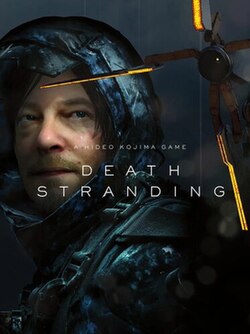
Death Stranding, a title that sparked both fervent anticipation and bewildered curiosity, represents more than just a game; it’s a statement. Developed by Kojima Productions after their departure from Konami, this action-adventure title boldly reimagines the open world genre, challenging players with its unique blend of gameplay mechanics, narrative depth, and stunning visuals. This deep dive will explore every facet of Death Stranding, from its groundbreaking engine to its complex characters, offering a comprehensive analysis for the discerning gamer.
Visual Direction and Graphics Engineering
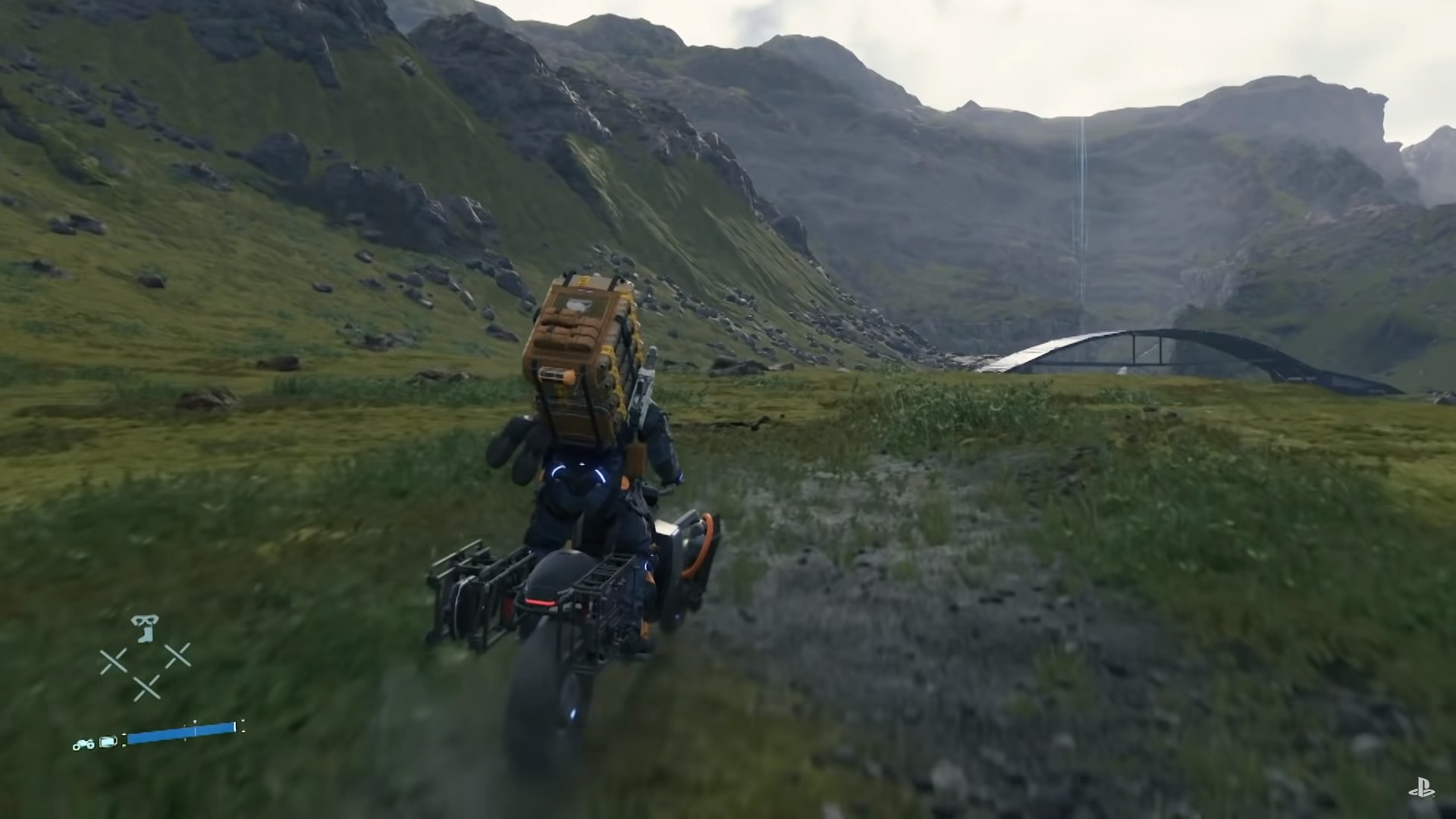
The visual fidelity of Death Stranding is nothing short of breathtaking. Built on Kojima Productions’ proprietary Decima Engine, the game showcases photorealistic environments, meticulously crafted character models, and stunning special effects. The engine allows for incredible detail in textures, lighting, and particle systems, creating a truly immersive experience. The landscapes are vast and varied, ranging from desolate beaches to towering mountains, each rendered with an unparalleled level of realism. The use of volumetric fog and dynamic weather effects further enhances the atmosphere, drawing players deeper into the game world.
Gameplay Mechanics and Core Systems
Death Stranding’s gameplay is as unconventional as its narrative. Players take on the role of Sam Porter Bridges, a porter tasked with reconnecting isolated settlements in a post-apocalyptic America. The core mechanic revolves around traversal – carefully balancing cargo, managing stamina, and avoiding environmental hazards like Timefall (radioactive rain) and BTs (Beached Things). The “strand” system allows for unique combat encounters, utilizing the Odradek scanner to detect invisible BTs and using specialized weapons to sever their chiral strands. The game also features a robust crafting system, allowing players to create essential items like bridges, ropes, and anti-BT devices.
Level Design and World Atmosphere
The world of Death Stranding is vast and interconnected, encouraging exploration and strategic planning. Each location presents unique challenges and opportunities, requiring players to adapt their approach based on the terrain and available resources. The game’s open-world design allows for a high degree of player agency, with multiple paths to reach objectives and overcome obstacles. The atmosphere is thick with tension and isolation, punctuated by moments of beauty and camaraderie.
Narrative Depth and Character Profiles
The narrative of Death Stranding is complex and thought-provoking, exploring themes of connection, loss, and the resilience of humanity. Sam Porter Bridges, portrayed with stoic intensity by Norman Reedus, is a compelling protagonist grappling with his past and burdened with the responsibility of saving what remains of society. The supporting cast is equally well-developed, each character contributing to the rich tapestry of the game’s story. Mads Mikkelsen delivers a chilling performance as Higgs, the enigmatic antagonist driving much of the conflict.
Sound Design and Acoustic Realism
The sound design in Death Stranding is crucial to creating its immersive atmosphere. The use of directional audio allows players to pinpoint the location of threats, while the haunting soundtrack perfectly complements the game’s melancholic tone. The “bridges” mechanic, which connects settlements and creates a network of shared resources, is visually represented by glowing lines that crisscross the landscape, further emphasizing the importance of connection in this fractured world.
Release Expectations and Community Hype
Prior to its release, Death Stranding generated significant hype within the gaming community. The game’s unconventional trailers and cryptic marketing campaign fueled speculation about its gameplay mechanics and narrative themes. The combination of Kojima Productions’ pedigree and the star-studded cast created a perfect storm of anticipation. While some players were initially confused by the game’s unique approach, many others embraced its originality and praised its innovative gameplay.
Conclusion: The Future of Death Stranding
Death Stranding is more than just a game; it’s an experience. Its groundbreaking gameplay mechanics, stunning visuals, and thought-provoking narrative have cemented its place as a landmark title in the gaming landscape. While not for everyone, its unique approach to open-world design and its emphasis on connection and collaboration offer a refreshing alternative to traditional action-adventure games. The success of Death Stranding has paved the way for future Kojima Productions titles, promising even more innovative and ambitious gaming experiences.
Source: Wikipedia


