

Om det här spelet
Introduction: The Next Chapter for Dead Space 2
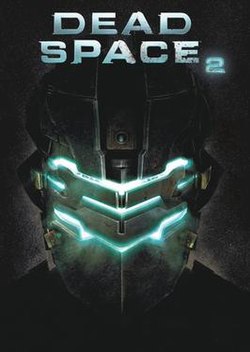
Dead Space 2, released in 2011, arrived as a highly anticipated sequel to the critically acclaimed survival horror title, Dead Space. Developed by Visceral Spel and published by Electronic Arts, it built upon the foundation of its predecessor while introducing new gameplay elements, expanding the lore, and delving deeper into the psychological torment of protagonist Isaac Clarke. The game immediately placed players back into the terrifying universe of USG Ishimura, now expanded to include the sprawling Sprawl space station, a location rife with Necromorphs and shrouded in mystery. This installment promised a more action-oriented experience while retaining the core tenets of survival horror that made the original so compelling.
Visual Direction and Graphics Engineering
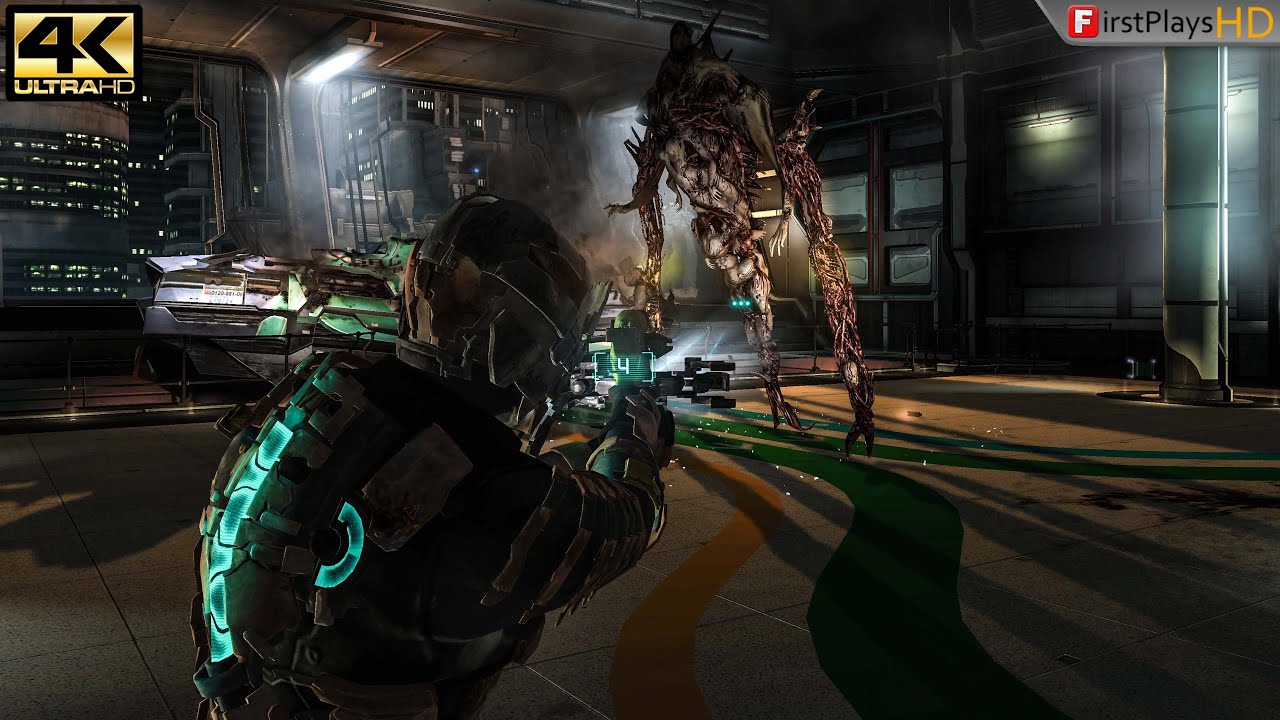
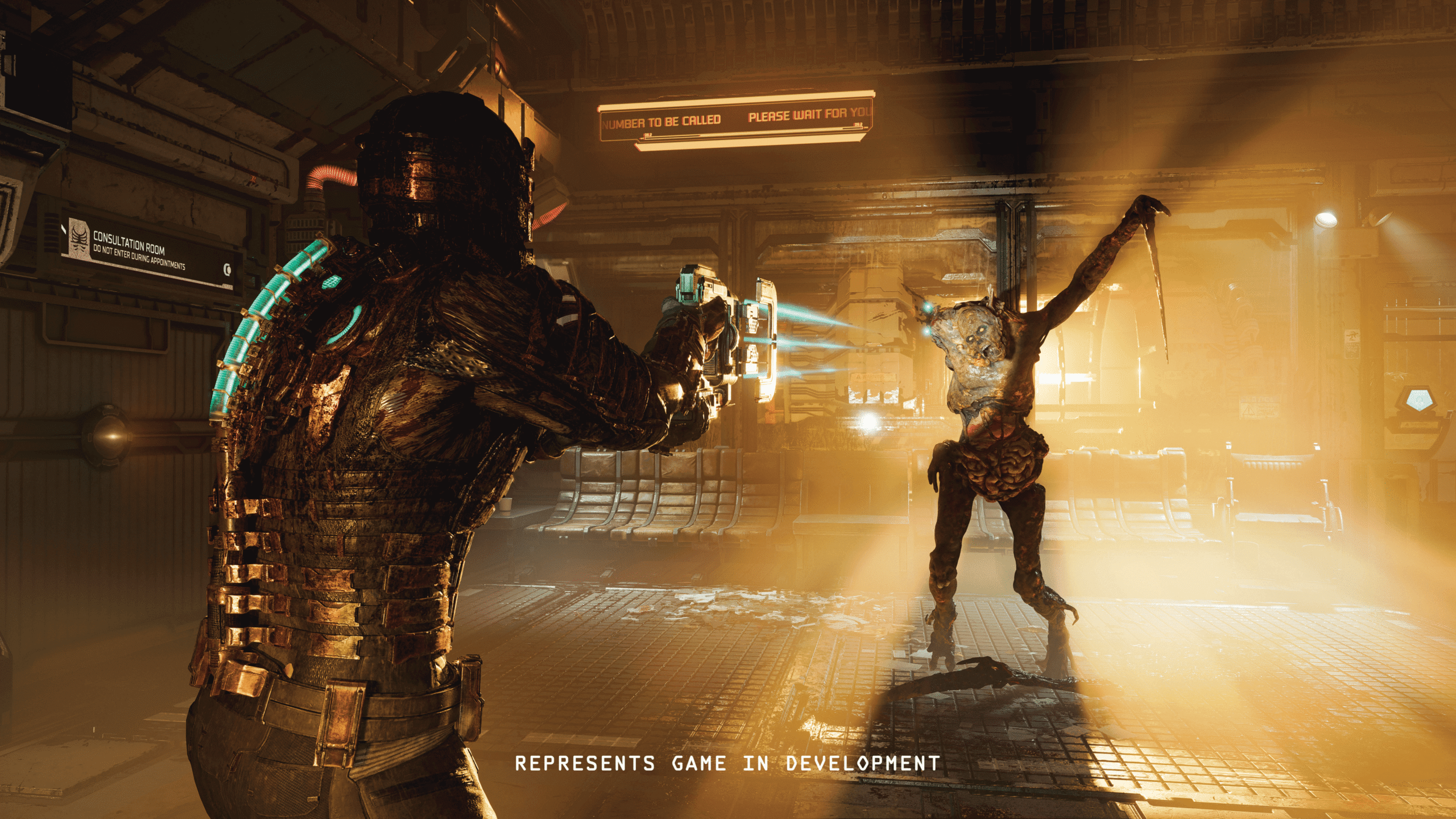
Visually, Dead Space 2 represented a significant leap forward from the original. Built on a proprietary next-gen engine, the game showcased impressive environmental detail, realistic character models, and visceral Necromorph designs. The Sprawl station felt claustrophobic and oppressive, with flickering lights, damaged infrastructure, and unsettling visual cues that constantly heightened the sense of dread. The developers leveraged advanced lighting techniques to create a truly immersive atmosphere, with dynamic shadows and particle effects adding to the overall feeling of unease. While the engine was impressive for its time, it also presented challenges in terms of optimization, particularly on older hardware configurations.
Spelupplevelse Mechanics and Core Systems
Dead Space 2 refined and expanded upon the core gameplay mechanics introduced in the original. The strategic dismemberment system remained a crucial element, requiring players to carefully target Necromorph limbs to effectively neutralize them. New weapons and upgrades were added, providing Isaac with more options for combat. A new “Strategic Marker” system allowed players to plan out encounters and identify potential threats before engaging. While the game leaned slightly more towards action than its predecessor, it still maintained a strong emphasis on resource management and careful planning. The addition of zero-gravity sections provided unique gameplay opportunities, allowing Isaac to navigate the Sprawl in unconventional ways.
Level Design and World Atmosphere
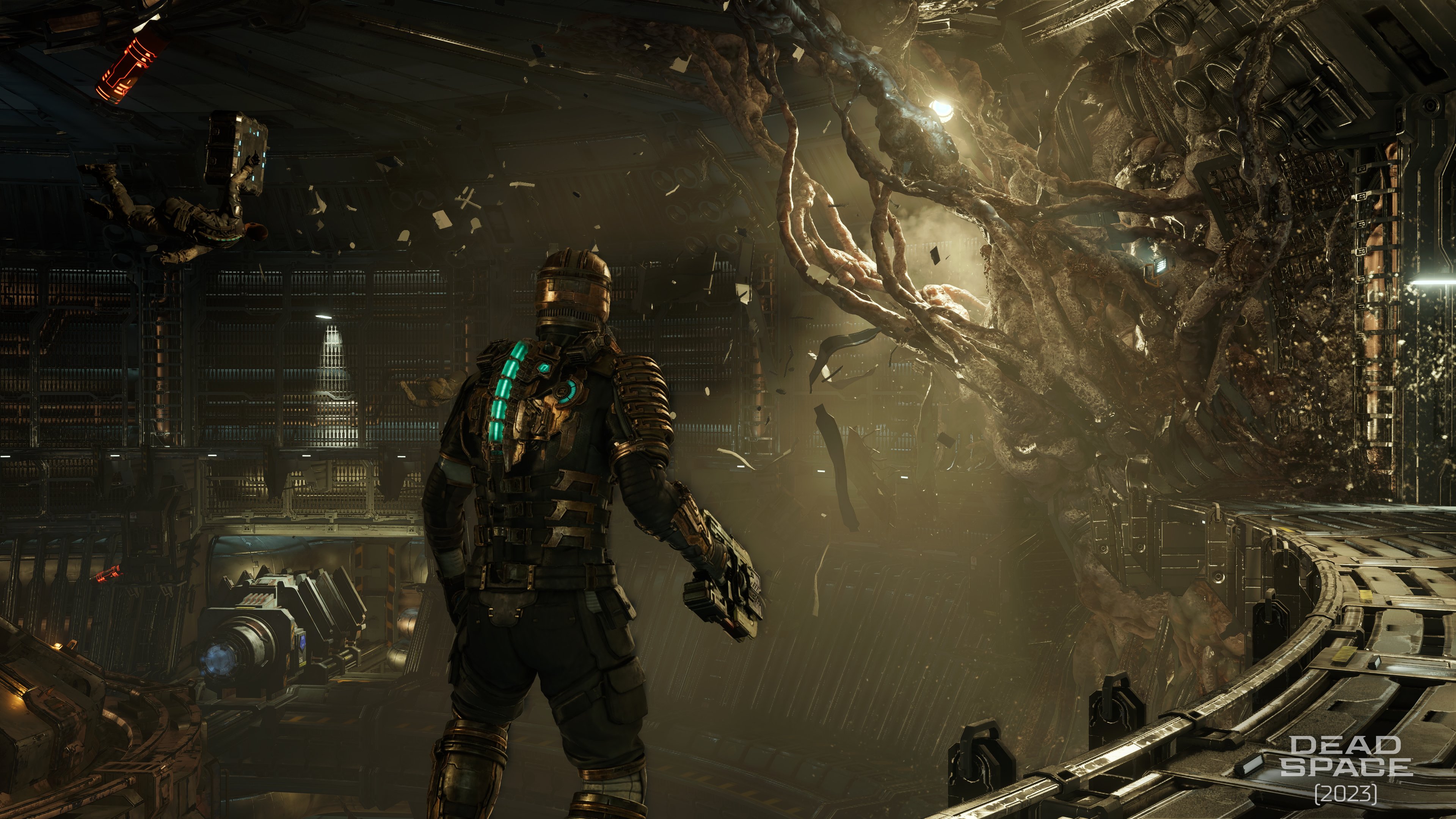
The level design in Dead Space 2 was meticulously crafted to create a truly unsettling experience. The Sprawl station felt like a character in itself, with its labyrinthine corridors, decaying infrastructure, and constant reminders of the horrors that had unfolded within its walls. The developers used environmental storytelling to great effect, scattering audio logs, security camera footage, and other clues that gradually revealed the history of the Sprawl and the events that led to its downfall. The use of verticality was also notable, with multiple levels connected by elevators and zero-gravity sections, adding another layer of complexity to the exploration.
Narrative Depth and Character Profiles
Dead Space 2‘s narrative delved deeper into the psychological state of Isaac Clarke, exploring his deteriorating mental health as he grappled with the trauma of the Ishimura incident and the influence of the alien Markers. The game introduced new characters, including Ellie Langford, a security officer who becomes an uneasy ally to Isaac. The story unfolded through a combination of in-game events, audio logs, and hallucinatory sequences that blurred the line between reality and delusion. The use of classic nursery rhymes as motifs added a layer of unsettling familiarity to the narrative, further emphasizing Isaac’s fractured psyche.
Sound Design and Acoustic Realism
The sound design in Dead Space 2 was crucial in creating its terrifying atmosphere. The game featured a haunting soundtrack composed by Jason Graves, which perfectly complemented the visuals and heightened the sense of dread. Environmental sounds, such as creaking metal, flickering lights, and distant screams, were meticulously crafted to create a truly immersive experience. The sound design also played a key role in gameplay, providing audio cues that alerted players to the presence of Necromorphs or other dangers.
Release Expectations and Community Hype
Prior to its release, Dead Space 2 generated significant hype within the gaming community. Fans eagerly anticipated a sequel that would build upon the success of the original while addressing some of its shortcomings. The developers actively engaged with the community, sharing previews, gameplay demonstrations, and behind-the-scenes content. The game was widely expected to be a major contender for Game of the Year awards, and it ultimately lived up to many of those expectations.
Conclusion: The Future of Dead Space 2
Dead Space 2 remains a landmark title in the survival horror genre. Its blend of strategic gameplay, atmospheric visuals, and compelling narrative made it a critical and commercial success. While subsequent entries in the Dead Space franchise have explored different directions, Dead Space 2 represents a high point for the series, showcasing the potential of combining action and horror in a truly unforgettable experience. The recent remake of the original Dead Space has reignited interest in the franchise, and it will be exciting to see what the future holds for Isaac Clarke and the terrifying universe he inhabits.
Source: Wikipedia
Galleri




Gå med i konversationen