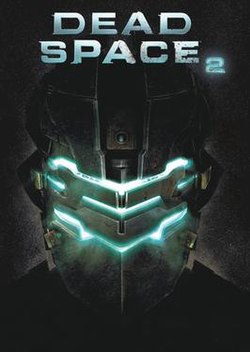
Introduction: The Next Chapter for Dead Space 2
Dead Space 2, released in 2011 by Visceral Games and published by Electronic Arts, arrived as a highly anticipated sequel to the critically acclaimed survival horror title, Dead Space. Building upon the foundation laid by its predecessor, Dead Space 2 plunged players back into the terrifying universe of Isaac Clarke, this time on the sprawling Sprawl space station. The game not only expanded the lore but also delved deeper into Isaac’s psychological state, grappling with both the horrors of the Necromorph outbreak and the insidious influence of the alien Markers. This Masterclass Deep-Dive will dissect every facet of Dead Space 2, from its groundbreaking visual direction to its chilling sound design, providing an in-depth analysis for seasoned gamers and aspiring developers alike.
Visual Direction and Graphics Engineering
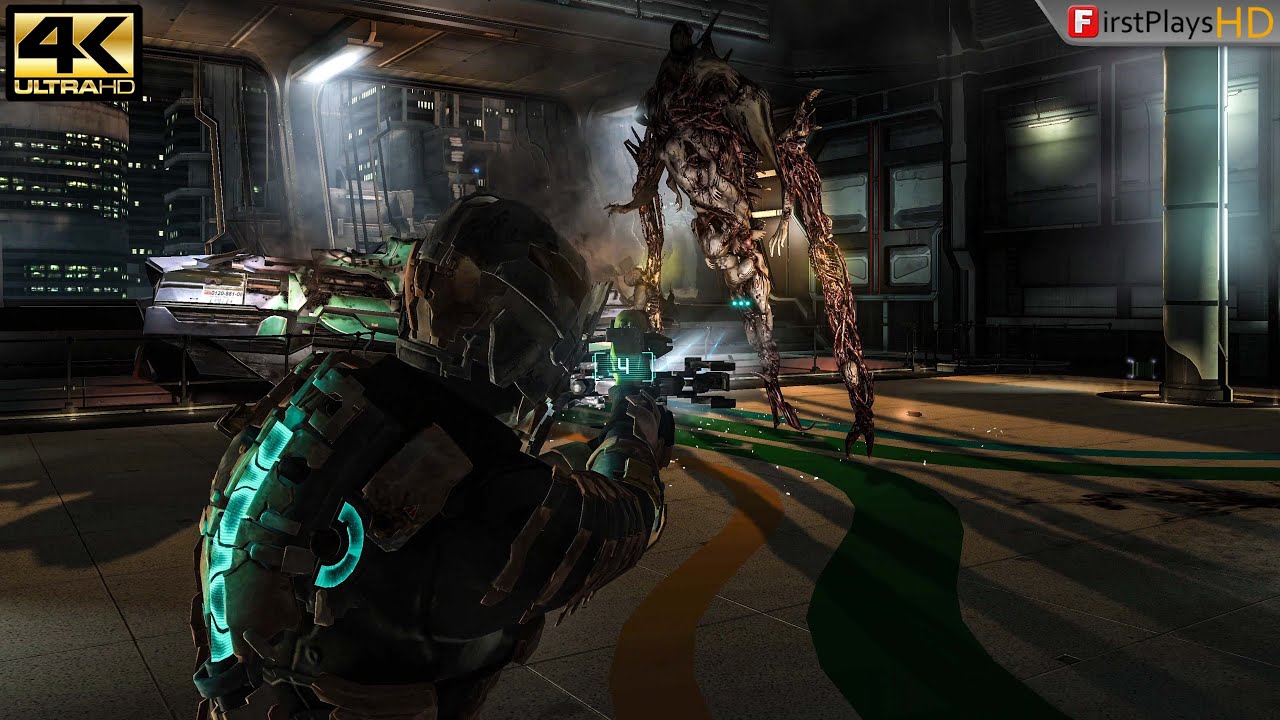
Visually, Dead Space 2 represented a significant leap forward from the original. Developed on a proprietary next-gen engine, the game showcased impressive graphical fidelity for its time. The Sprawl station was rendered with meticulous detail, creating a claustrophobic and oppressive atmosphere that perfectly complemented the horror elements. Lighting played a crucial role in enhancing the sense of dread, casting long shadows and highlighting grotesque details on the Necromorphs. The developers employed advanced techniques to create realistic blood splatter and dismemberment effects, adding visceral impact to combat encounters. This commitment to visual excellence contributed significantly to the game’s immersive quality.
Gameplay Mechanics and Core Systems
Dead Space 2 refined and expanded upon the core gameplay mechanics introduced in the original. The strategic dismemberment system remained a central pillar, requiring players to target specific limbs of Necromorphs to effectively neutralize them. New weapons and upgrades were added, providing players with greater tactical options. The introduction of zero-gravity sequences offered unique traversal opportunities and combat scenarios. While maintaining the survival horror elements, Dead Space 2 incorporated more action-oriented gameplay, catering to a broader audience. This balancing act proved successful, as it allowed for intense encounters while still emphasizing resource management and strategic decision-making.
Level Design and World Atmosphere
The level design in Dead Space 2 was instrumental in creating the game’s oppressive atmosphere. The Sprawl station was meticulously crafted, with interconnected corridors, cramped chambers, and vast open areas that fostered a sense of vulnerability. Environmental storytelling played a key role, revealing fragments of the station’s history and the tragic events that unfolded before Isaac’s arrival. The use of verticality added another layer of complexity to navigation and combat. The developers masterfully utilized lighting, sound, and visual cues to create moments of intense dread and suspense, keeping players constantly on edge.
Narrative Depth and Character Profiles
Dead Space 2 delved deeper into the psychological torment of Isaac Clarke. His deteriorating mental state was a central theme, explored through hallucinations, visions, and unsettling dialogue. The game introduced new characters who played significant roles in Isaac’s journey, both allies and antagonists. The narrative was intricately woven with classic nursery rhymes, adding another layer of symbolism and unease. This focus on character development and psychological horror elevated Dead Space 2 beyond a simple action-horror experience.
Sound Design and Acoustic Realism
The sound design in Dead Space 2 was nothing short of exceptional. From the guttural roars of the Necromorphs to the unsettling ambient sounds of the Sprawl, every audio cue contributed to the game’s immersive atmosphere. The use of directional audio allowed players to pinpoint the location of threats, adding another layer of tension to gameplay. Jason Graves’ haunting musical score perfectly complemented the visuals and narrative, creating a truly unforgettable auditory experience.
Release Expectations and Community Hype
Dead Space 2 arrived with significant hype generated by its predecessor’s success. The developers actively engaged with the community, releasing trailers, gameplay demos, and behind-the-scenes content to build anticipation. Pre-order bonuses and special editions further fueled demand. The game was widely anticipated as a major release in the survival horror genre, and it largely delivered on those expectations.
Conclusion: The Future of Dead Space 2
Dead Space 2 remains a landmark title in the survival horror genre. Its blend of strategic gameplay, atmospheric visuals, and psychological depth set it apart from its contemporaries. While subsequent entries in the series have explored different directions, Dead Space 2 continues to be celebrated for its unique combination of horror and action. It serves as a testament to the power of immersive storytelling and innovative game design.
Source: Wikipedia


