

About this game
Introduction: The Next Chapter for Dead Cells
Dead Cells, the critically acclaimed roguelike Metroidvania from French developer Motion Twin, has carved a unique space in the gaming landscape. Its blend of challenging combat, intricate level design, and addictive gameplay loop has captivated players worldwide. This deep-dive review will dissect every facet of Dead Cells, exploring its visual direction, core mechanics, narrative depth, and overall impact on the industry. We’re not just looking at a game; we’re analyzing an experience that redefined expectations for indie development.
Visual Direction and Graphics Engineering
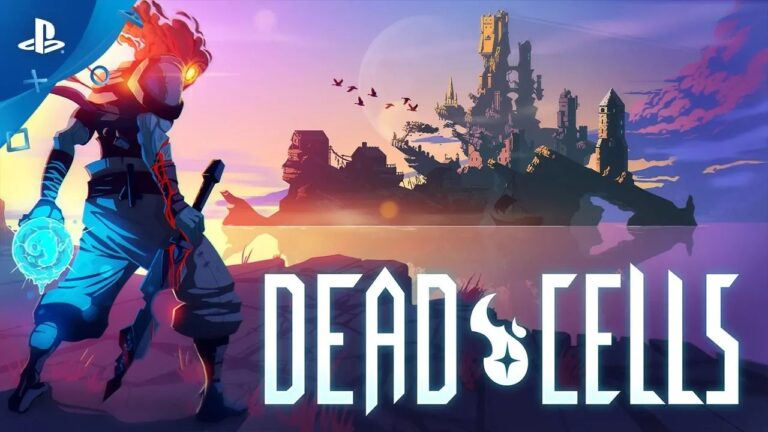
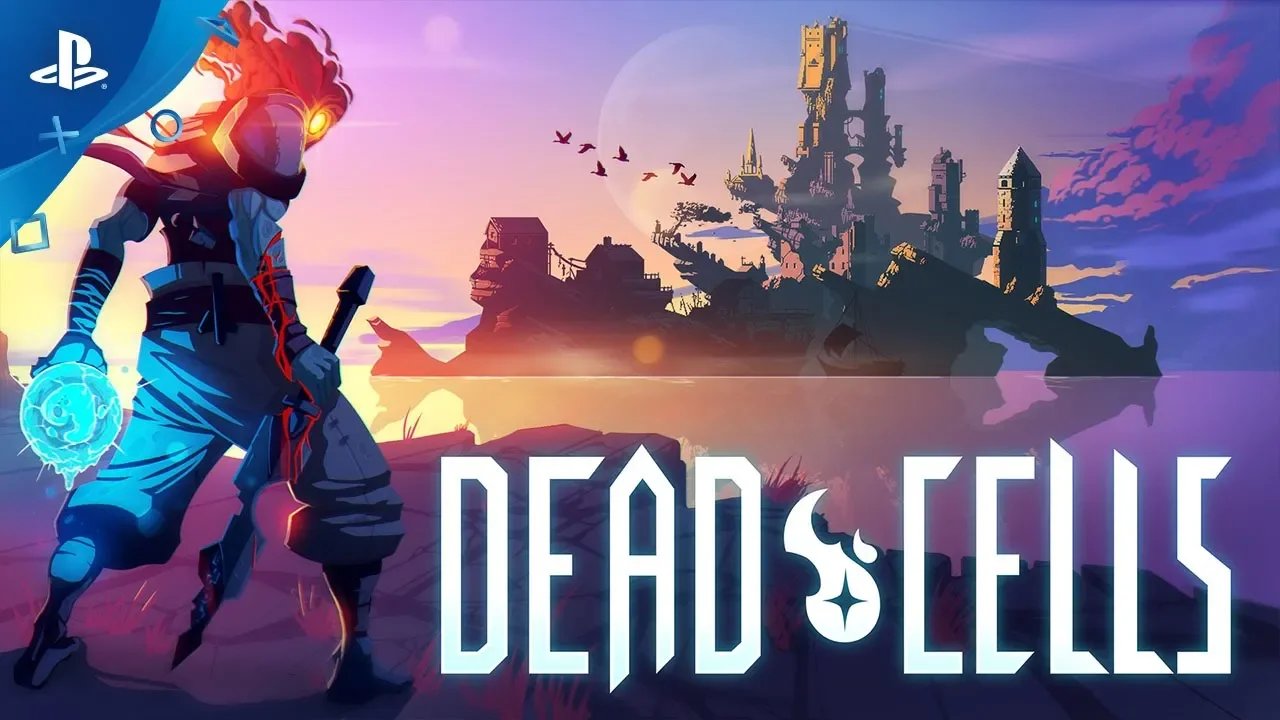
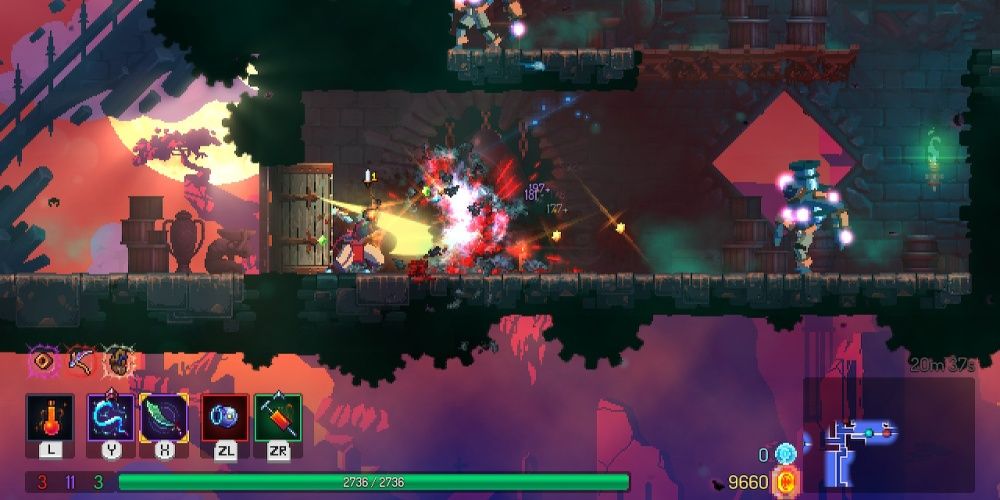
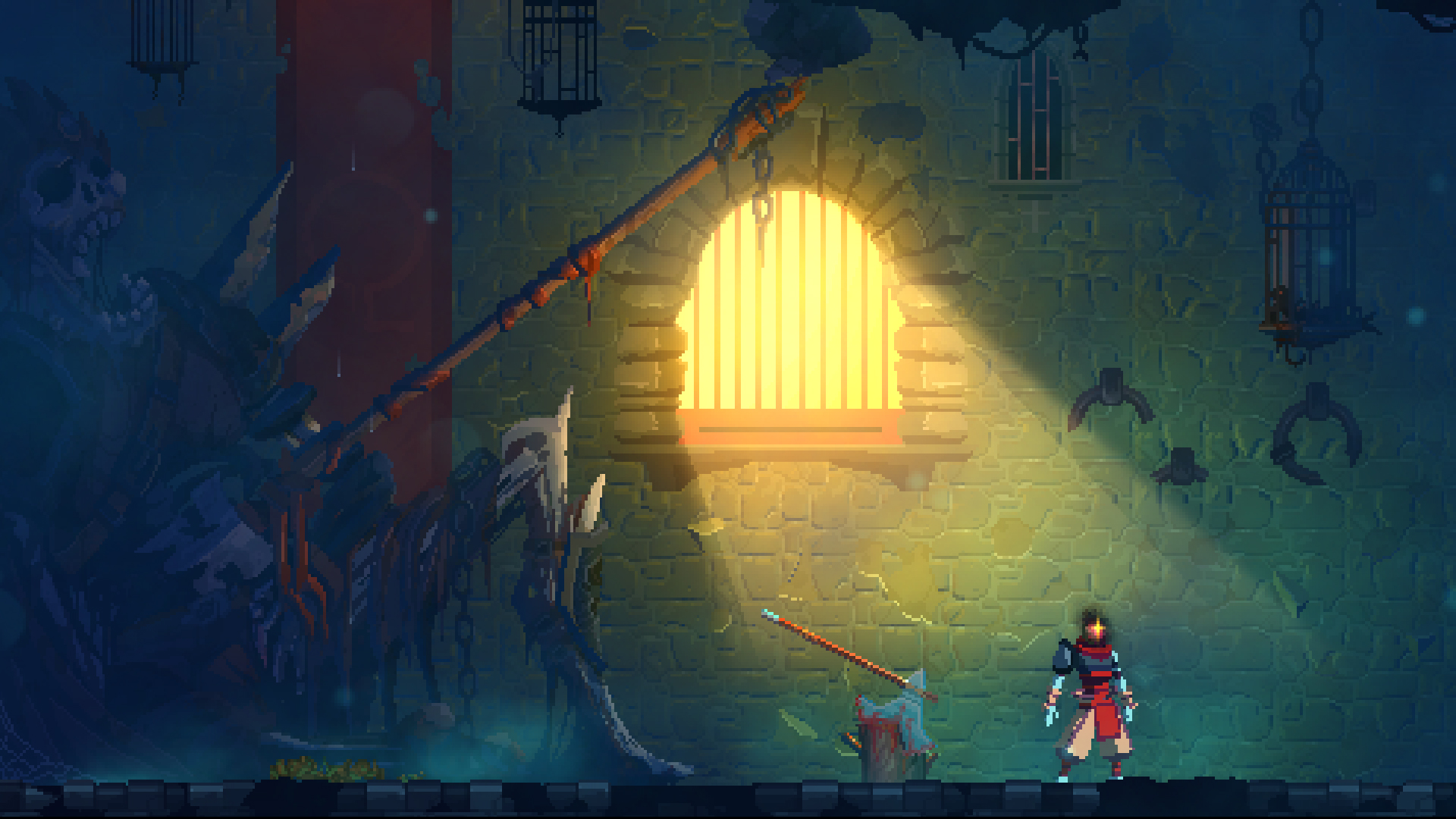
Dead Cells boasts a distinctive pixel-art style that is both charming and brutal. The environments are richly detailed, despite their relatively low resolution, creating a sense of depth and atmosphere. This visual fidelity is achieved through careful attention to lighting, animation, and environmental effects. The game’s proprietary engine allows for smooth performance even on lower-end hardware, a testament to the developers’ optimization skills. The character designs are equally impressive, with each enemy and boss possessing unique animations and attack patterns that contribute to the overall sense of danger and unpredictability.
Gameplay Mechanics and Core Systems
The core gameplay loop in Dead Cells revolves around exploration, combat, and progression. Players must navigate procedurally generated levels, battling hordes of enemies and collecting resources to upgrade their character. The game’s permadeath system adds a layer of tension and encourages players to experiment with different weapons and skills. The variety of available weapons, from swords and bows to grenades and traps, allows for diverse playstyles and caters to different preferences. Mastering the parry mechanic is crucial for survival, allowing players to deflect enemy attacks and create openings for counterattacks.
Level Design and World Atmosphere
The level design in Dead Cells is a masterclass in environmental storytelling. Each area of the island is visually distinct, with its own unique enemies, challenges, and secrets. The procedurally generated levels ensure that each playthrough feels fresh and unpredictable, while still maintaining a consistent sense of atmosphere and progression. The interconnectedness of the levels encourages exploration and rewards players who take the time to uncover hidden pathways and shortcuts.
Narrative Depth and Character Profiles
While Dead Cells doesn’t rely on a traditional narrative structure, it does offer glimpses into the lore and history of the island through environmental details and cryptic dialogue. The player character, known only as “The Prisoner,” is a silent protagonist whose motivations are left largely ambiguous, allowing players to project their own interpretations onto the experience.
The various NPCs encountered throughout the game provide snippets of information about the island’s past and the events that led to its current state.
Sound Design and Acoustic Realism
The sound design in Dead Cells is equally impressive, with a soundtrack that perfectly complements the game’s atmosphere. The music ranges from haunting melodies to adrenaline-pumping battle themes, creating a dynamic audio experience that enhances the overall immersion. The sound effects are also meticulously crafted, providing satisfying feedback for every action and adding weight to the combat encounters.
Release Expectations and Community Hype
Dead Cells was initially released in early access, allowing players to provide feedback and help shape the final product. This collaborative approach fostered a strong sense of community around the game, which continues to thrive today. The anticipation leading up to the full release was palpable, with players eagerly awaiting new content updates and improvements.
Conclusion: The Future of Dead Cells
Dead Cells is more than just a game; it’s a testament to the power of indie development and the creativity of its creators. Its blend of challenging gameplay, intricate level design, and captivating atmosphere has earned it a dedicated following and cemented its place as a modern classic. While the future of Dead Cells remains uncertain, its legacy will undoubtedly continue to inspire developers and captivate players for years to come.
Source: Wikipedia
Gallery





Join the conversation