Introduction: The Next Chapter for Days Gone
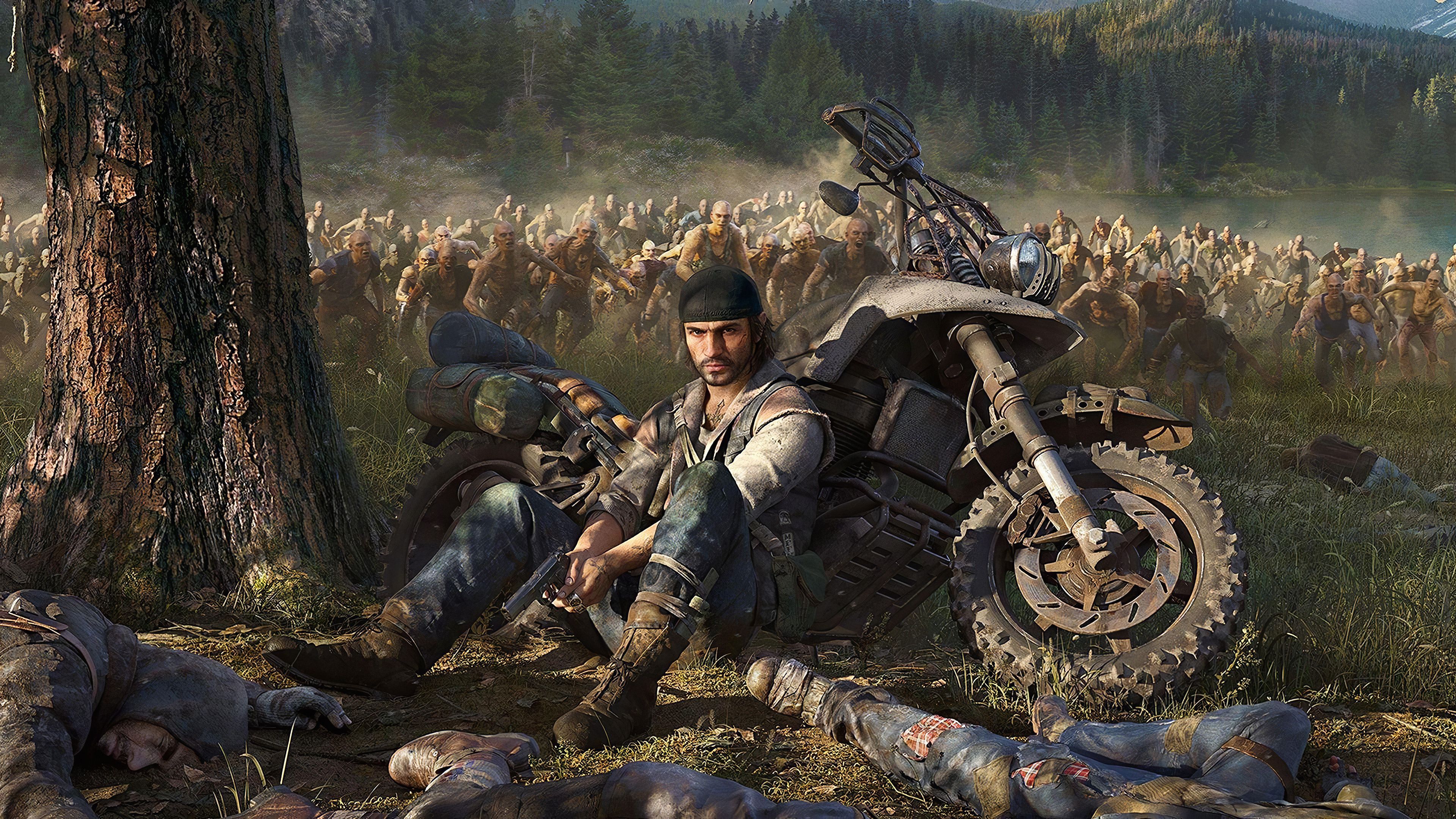
Days Gone, a post-apocalyptic action-adventure game developed by Bend Studio and published by Sony Interactive Entertainment, arrived in 1999. Set two years after a global pandemic transforms much of humanity into aggressive, zombie-like creatures known as “Freakers,” the game follows Deacon St. John, a former outlaw biker, on his quest to find his presumed-dead wife, Sarah. This journey takes him through the ravaged landscapes of Oregon, where he confronts hordes of Freakers, marauding gangs, and the harsh realities of survival. Days Gone represents Bend Studio’s foray into open-world game development, marking a significant departure from their previous work on Syphon Filter and handheld spin-offs. The game leverages Unreal Engine 4 to deliver a visually stunning and technically impressive experience.
Visual Direction and Graphics Engineering
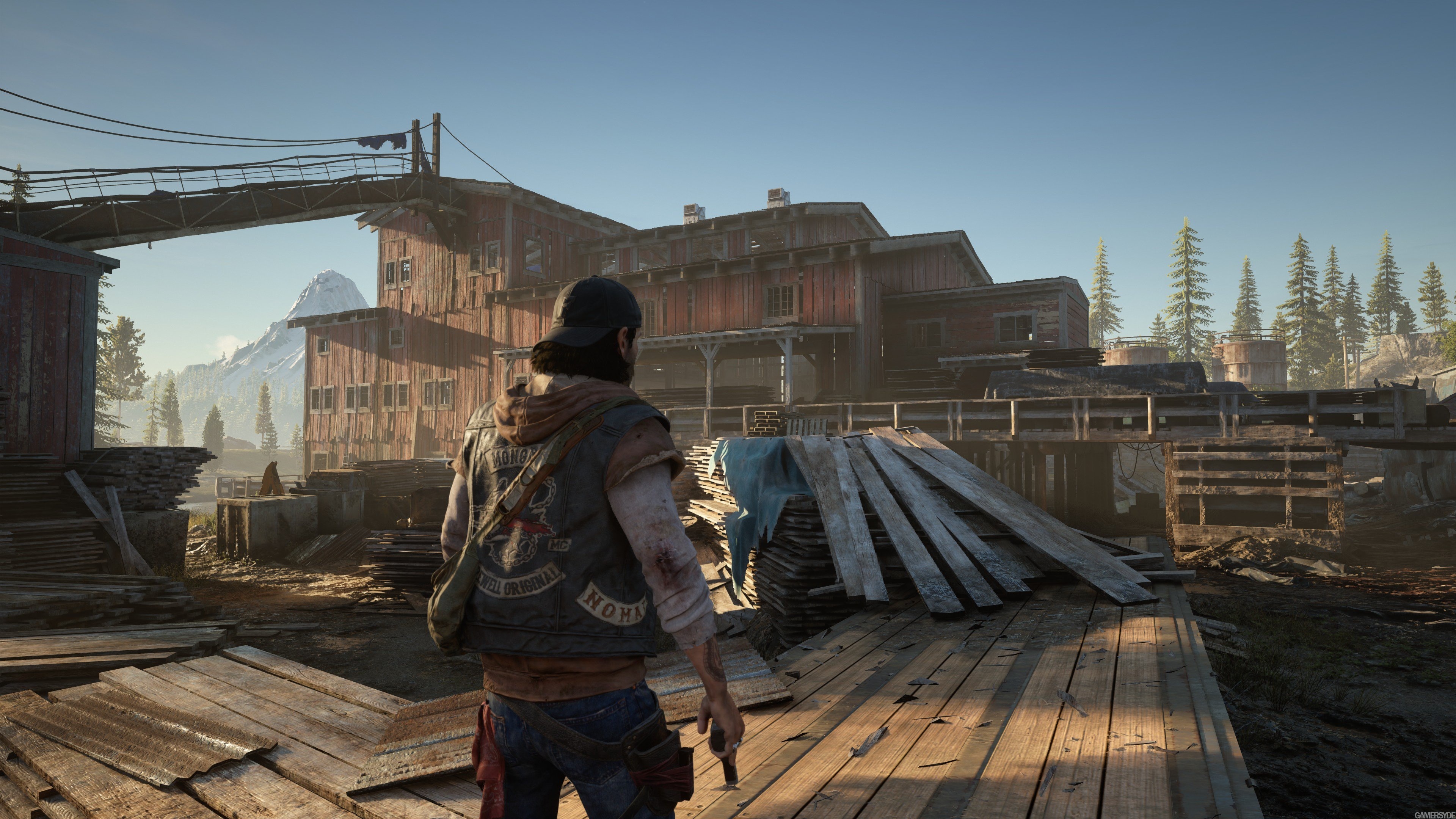
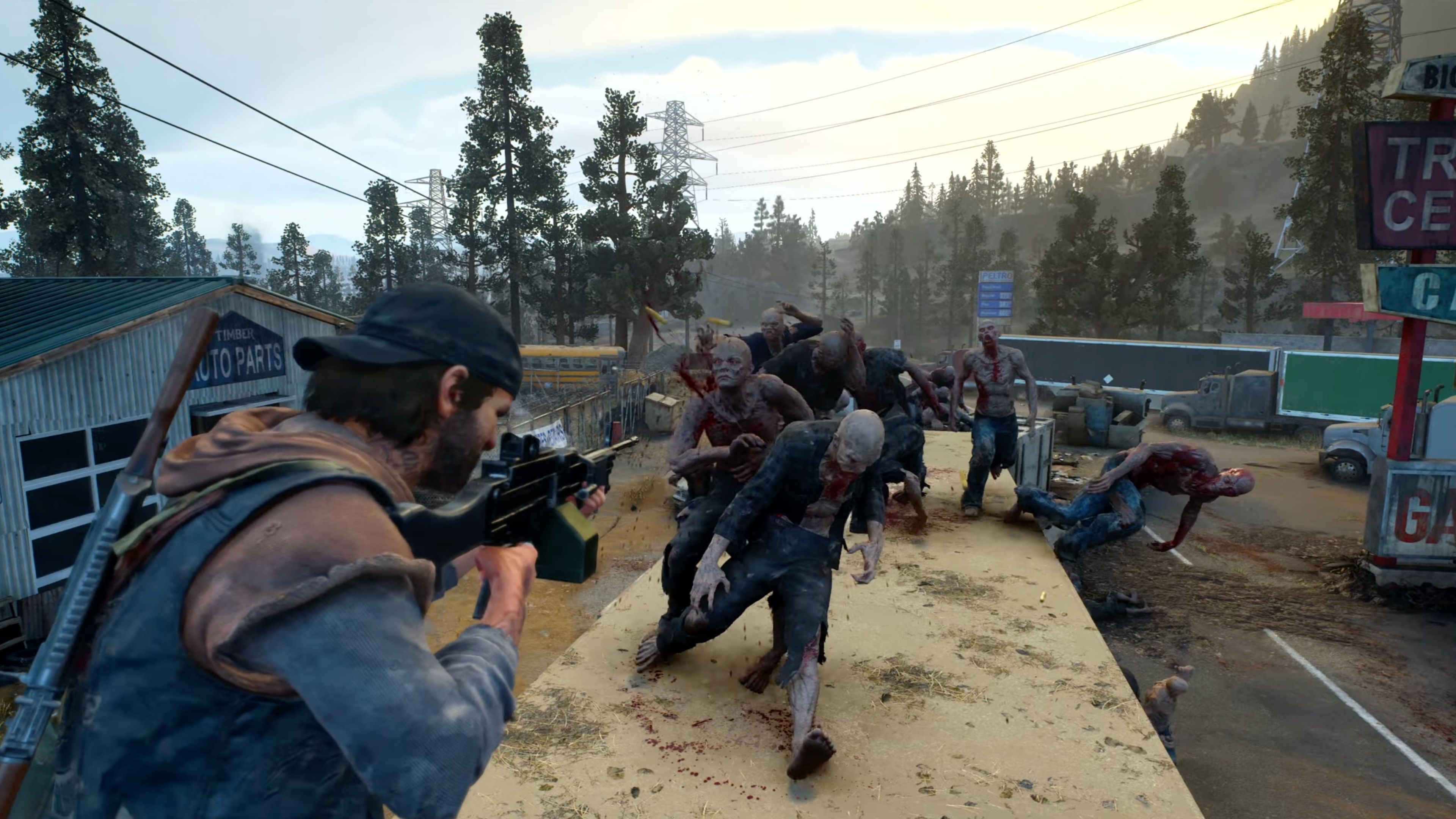
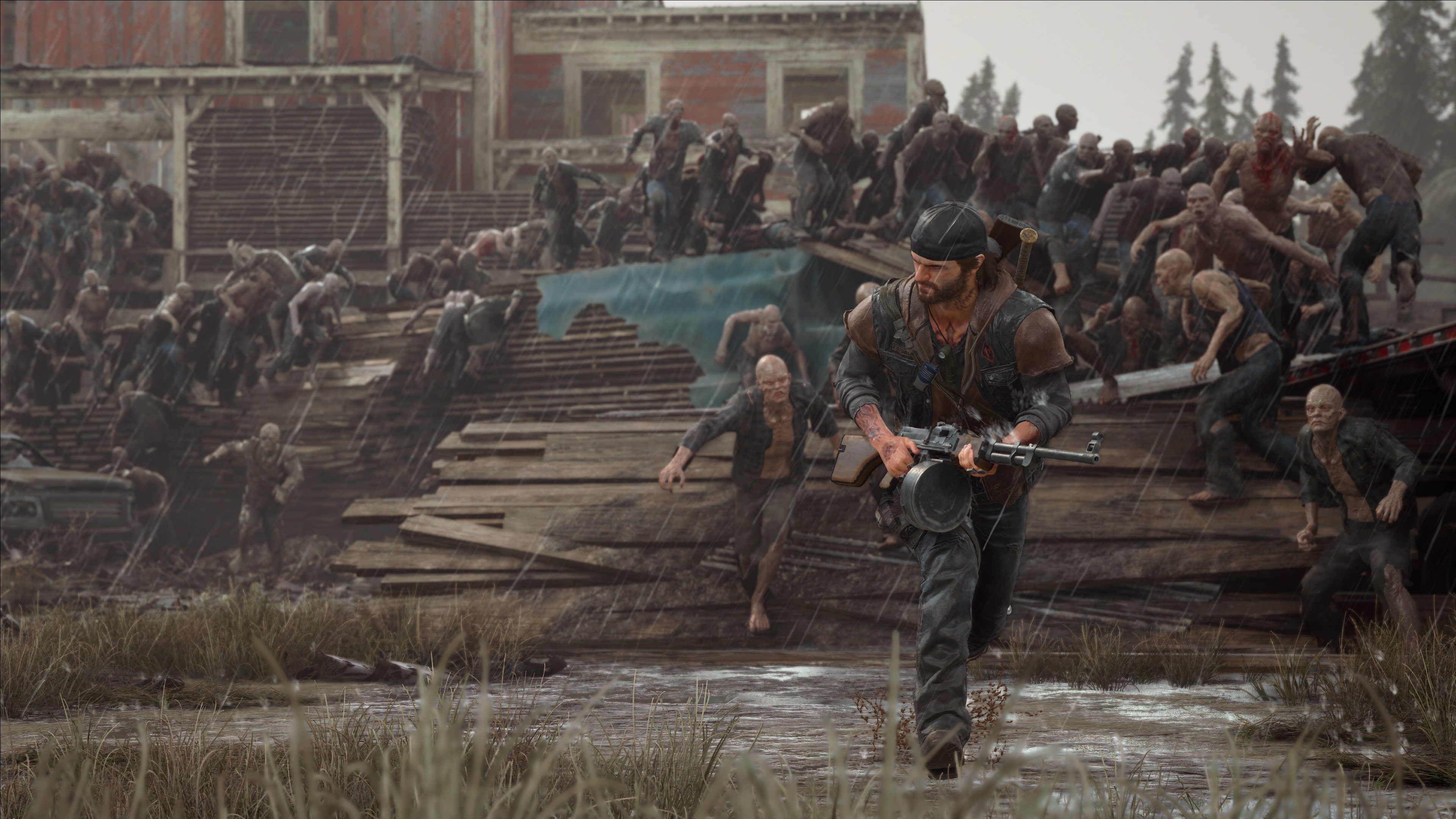
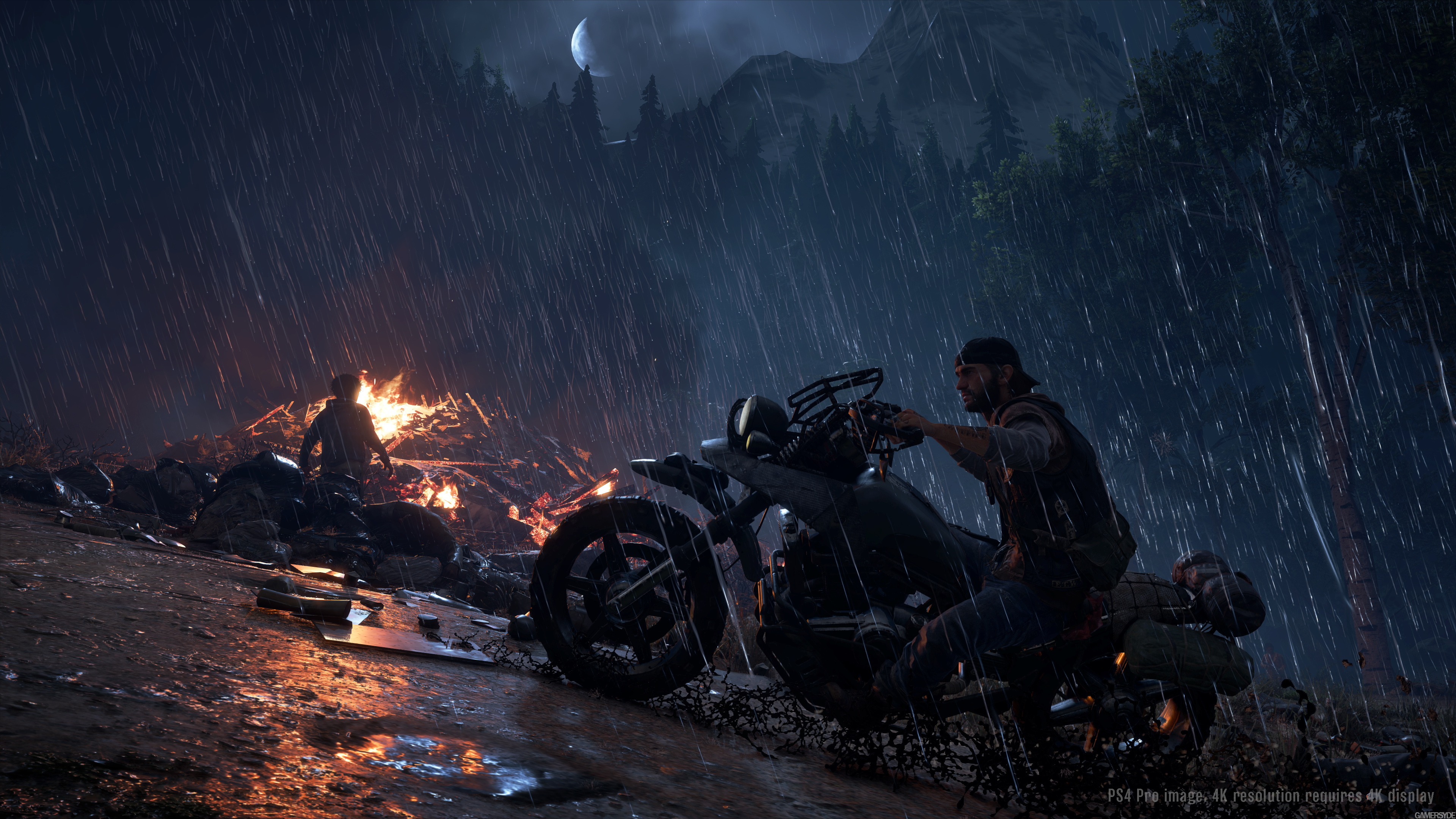
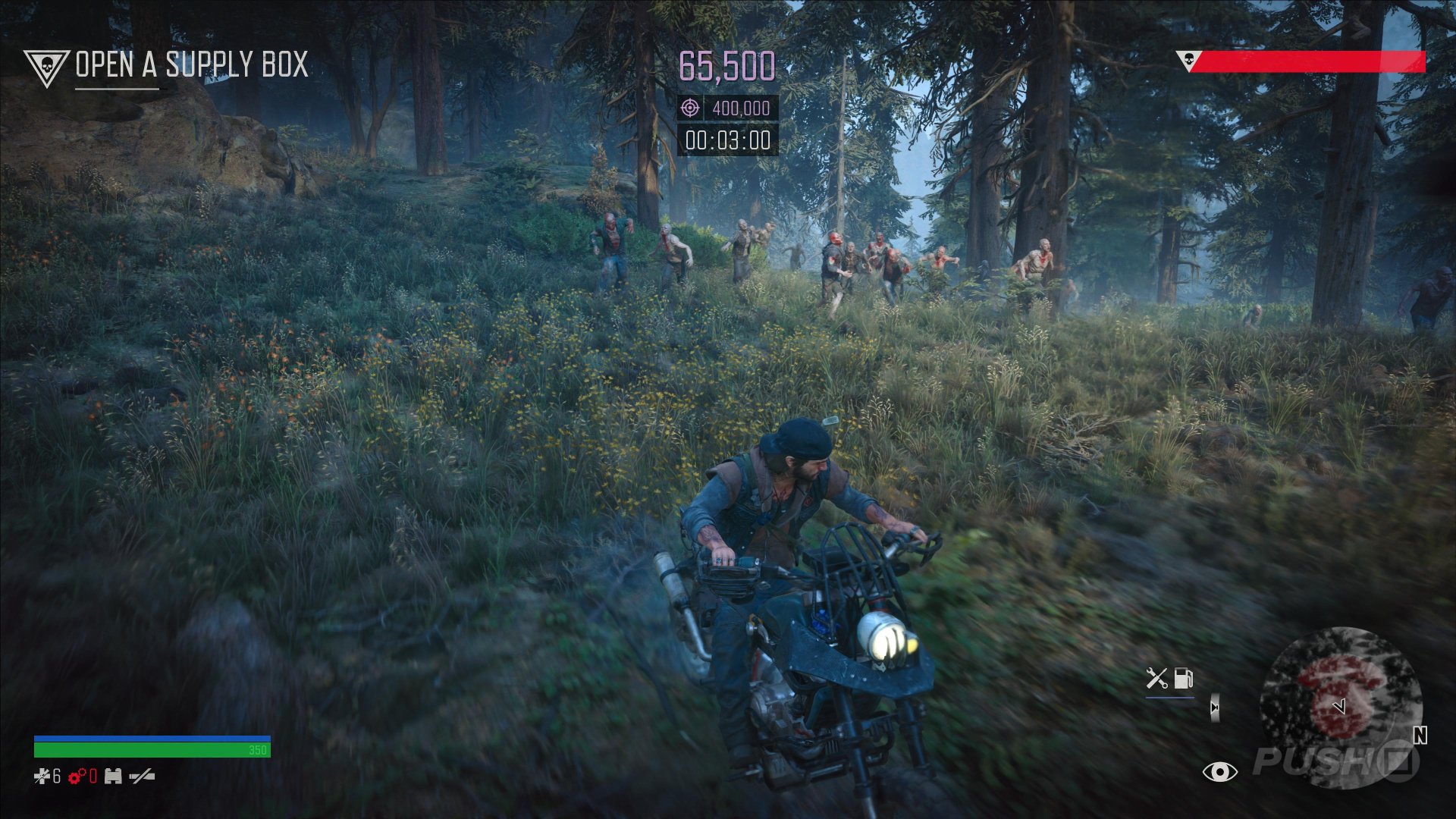
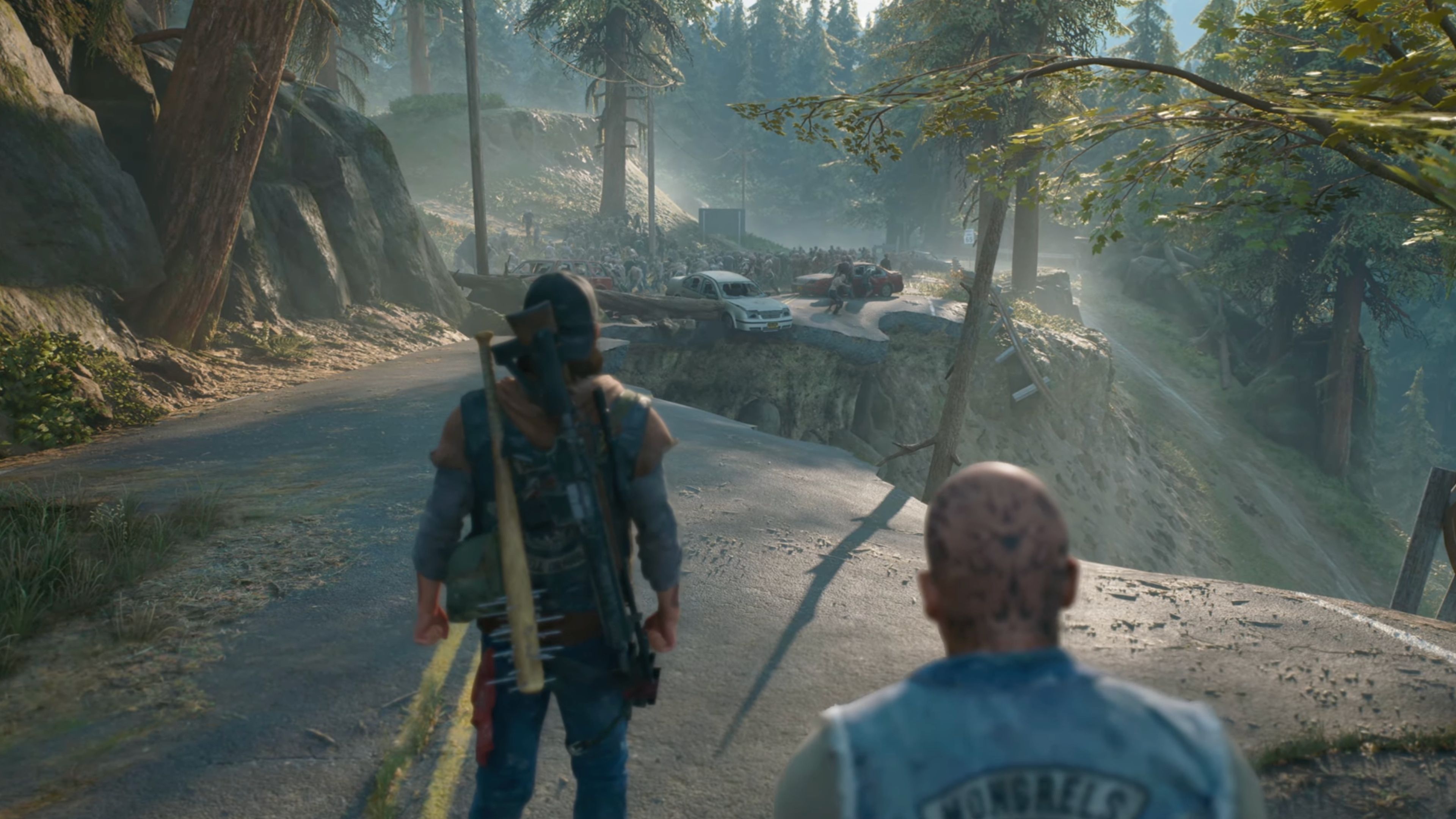
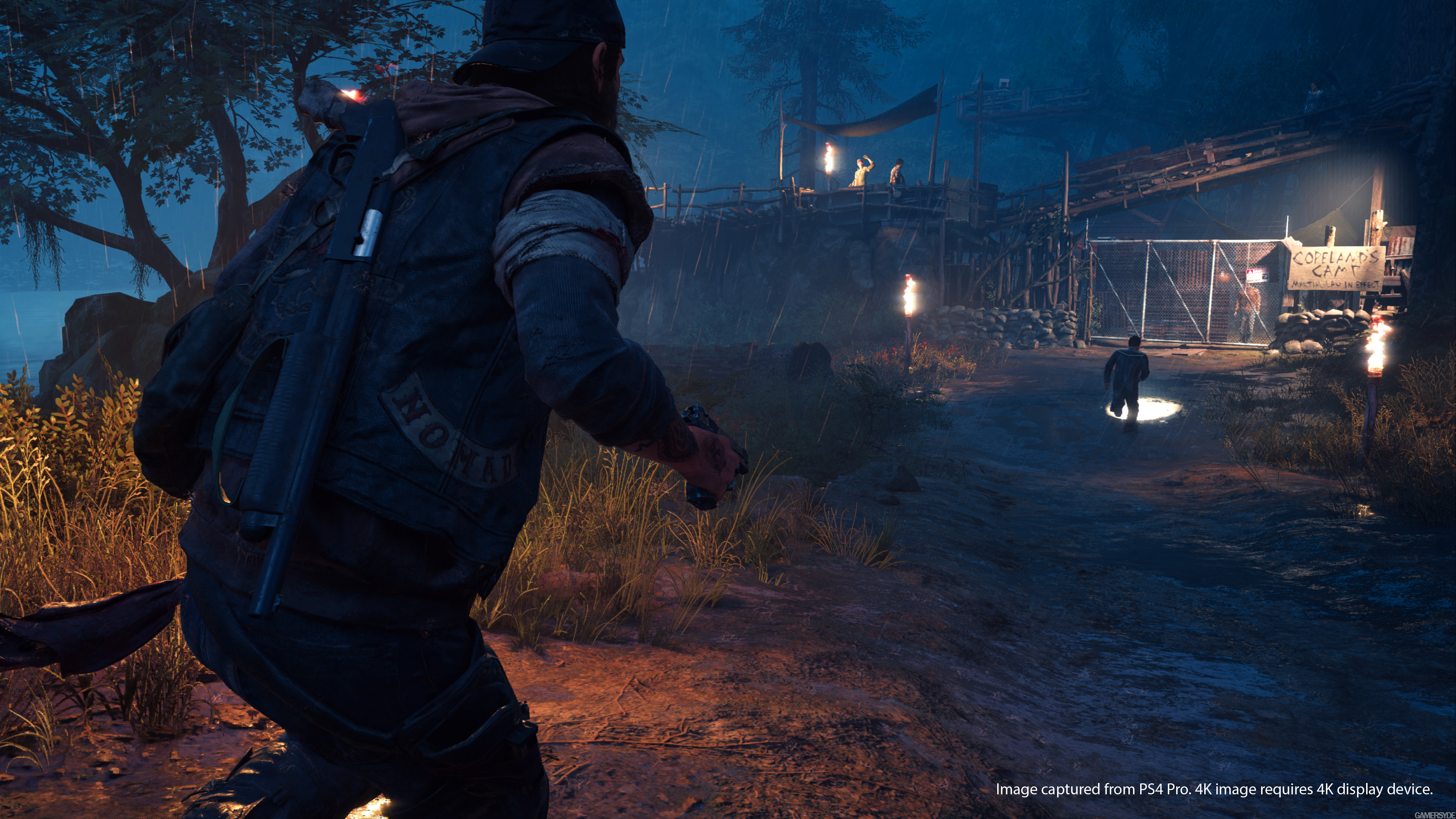
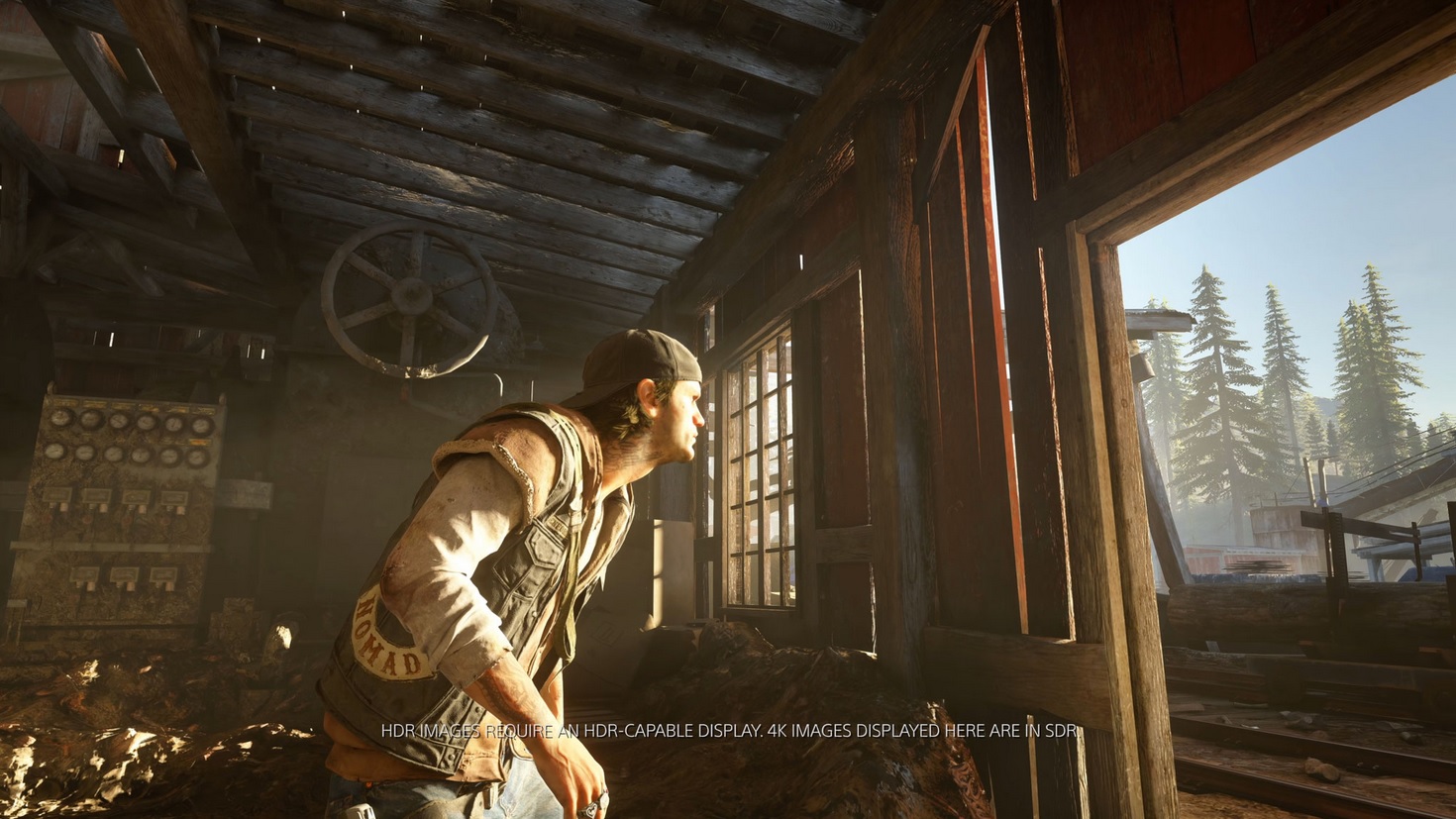
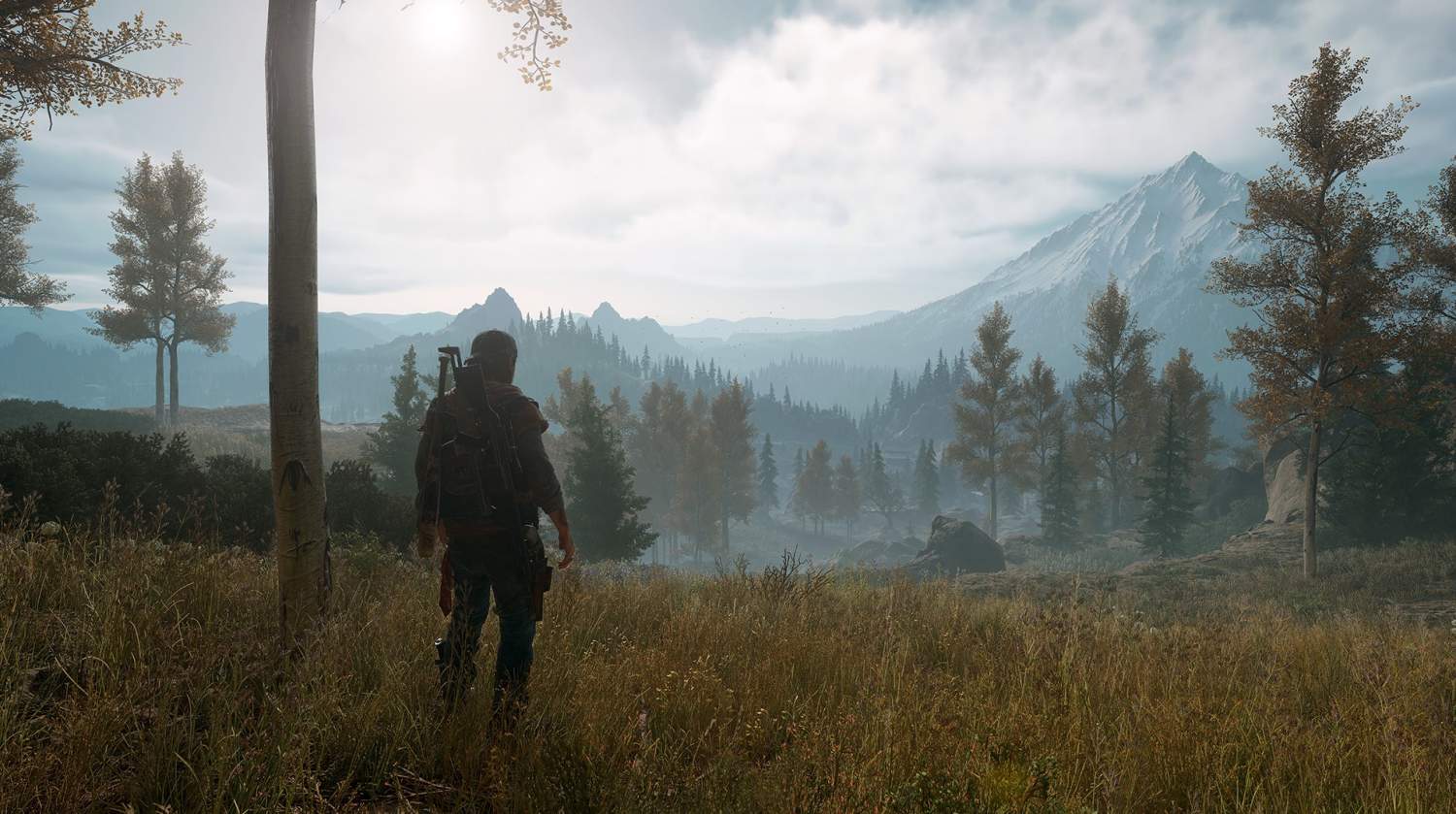
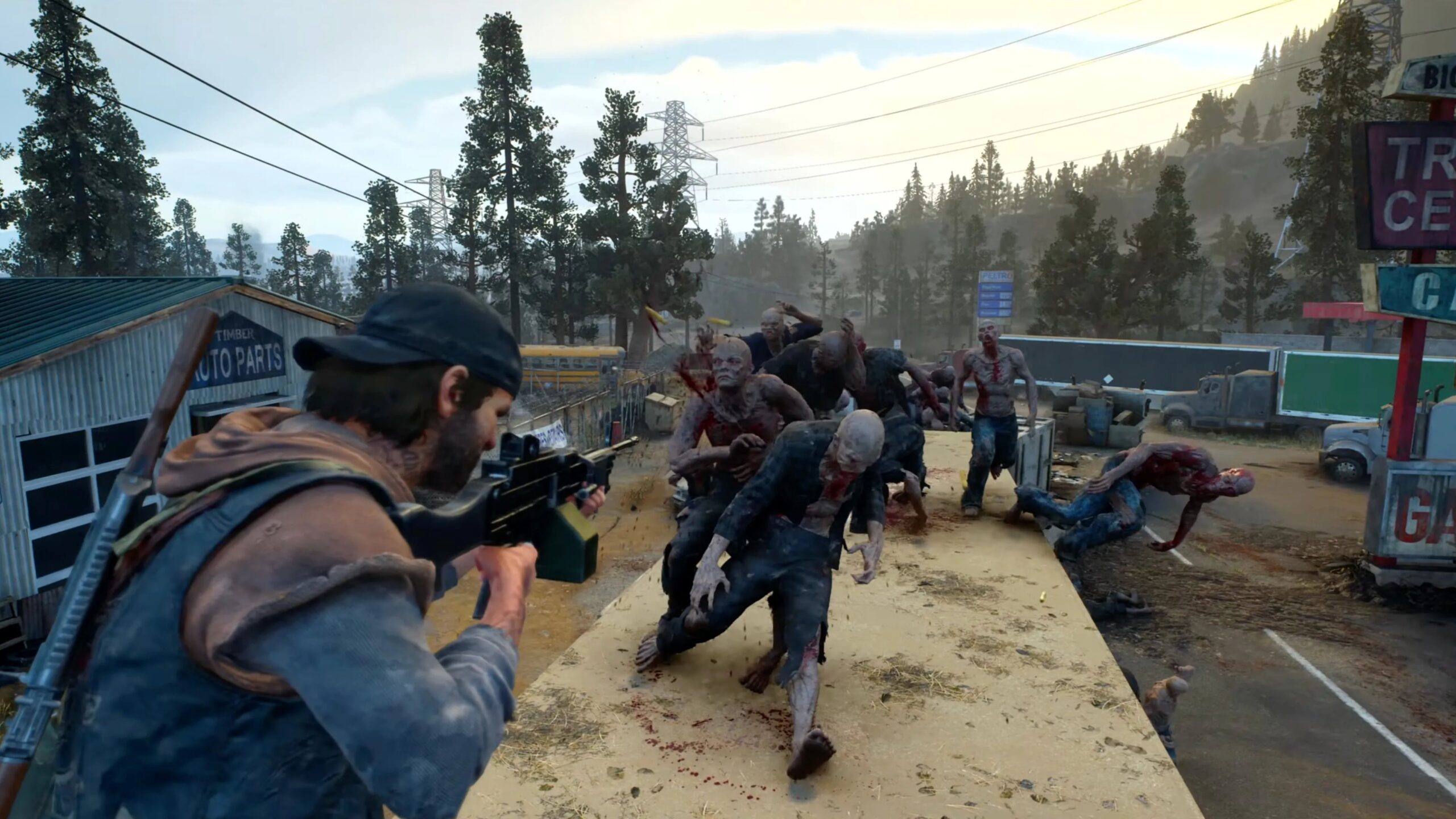
Days Gone showcases the power of Unreal Engine 4, delivering a visually compelling open world. The environments are meticulously crafted, ranging from dense forests and snow-covered mountains to desolate towns and sprawling farmlands. The game’s visual direction emphasizes realism, with detailed textures, dynamic lighting, and advanced weather effects that contribute to the immersive atmosphere. Freaker hordes are rendered with impressive detail, their movements and behaviors adding to the sense of dread and danger. Optimization is crucial in an open-world environment teeming with enemies, and Days Gone demonstrates a commendable level of performance across various hardware configurations.
Gameplay Mechanics and Core Systems
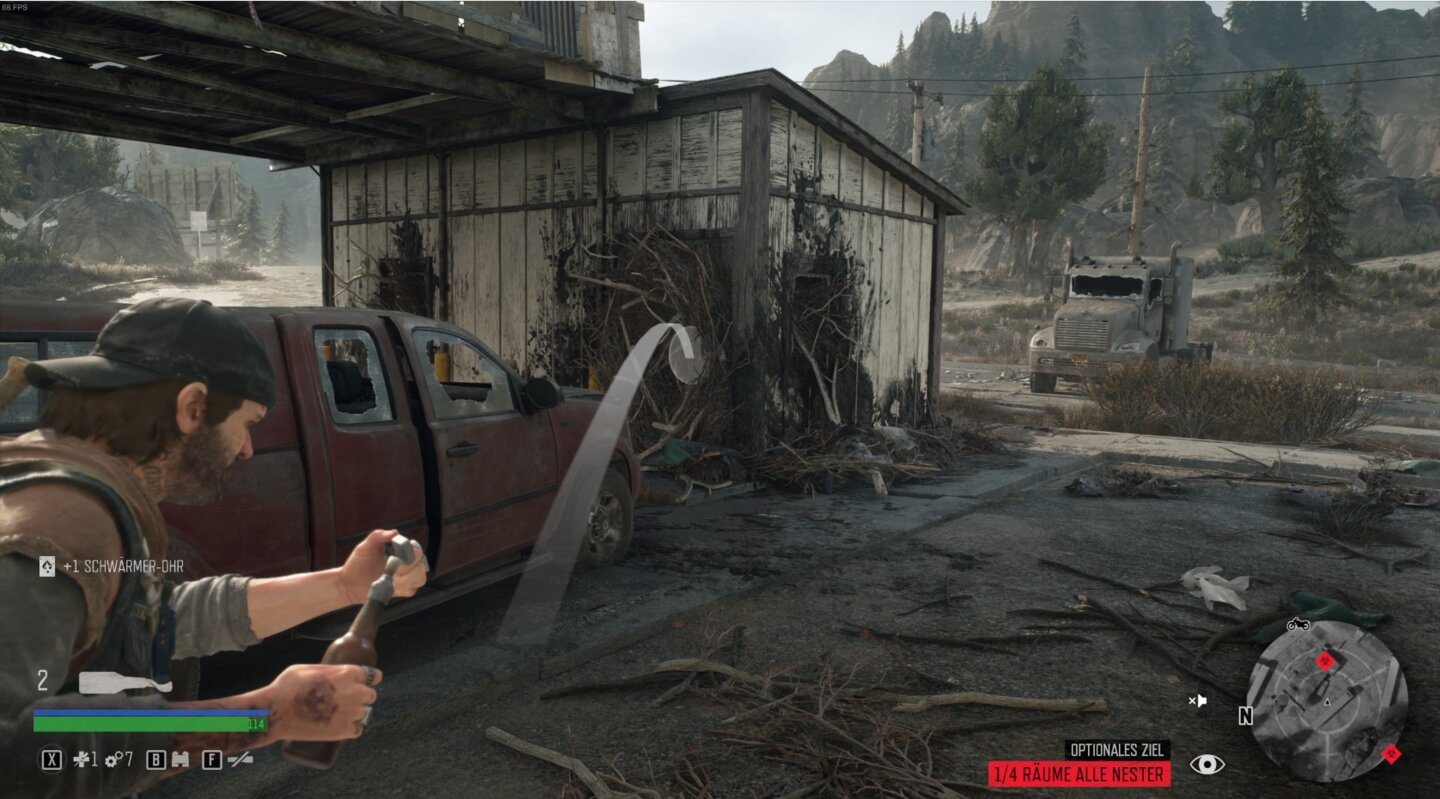
The core gameplay loop revolves around Deacon’s motorcycle, which serves as his primary mode of transportation and a vital resource for survival. Players must scavenge for resources to maintain their bike, repair damage, and refuel its engine. Combat is visceral and challenging, requiring players to utilize a variety of weapons, including firearms, melee weapons, and improvised tools. Stealth plays a crucial role in avoiding or neutralizing threats, particularly when facing large Freaker hordes. The game features a crafting system that allows players to create new items and upgrades, enhancing their combat effectiveness and survival capabilities.
Level Design and World Atmosphere
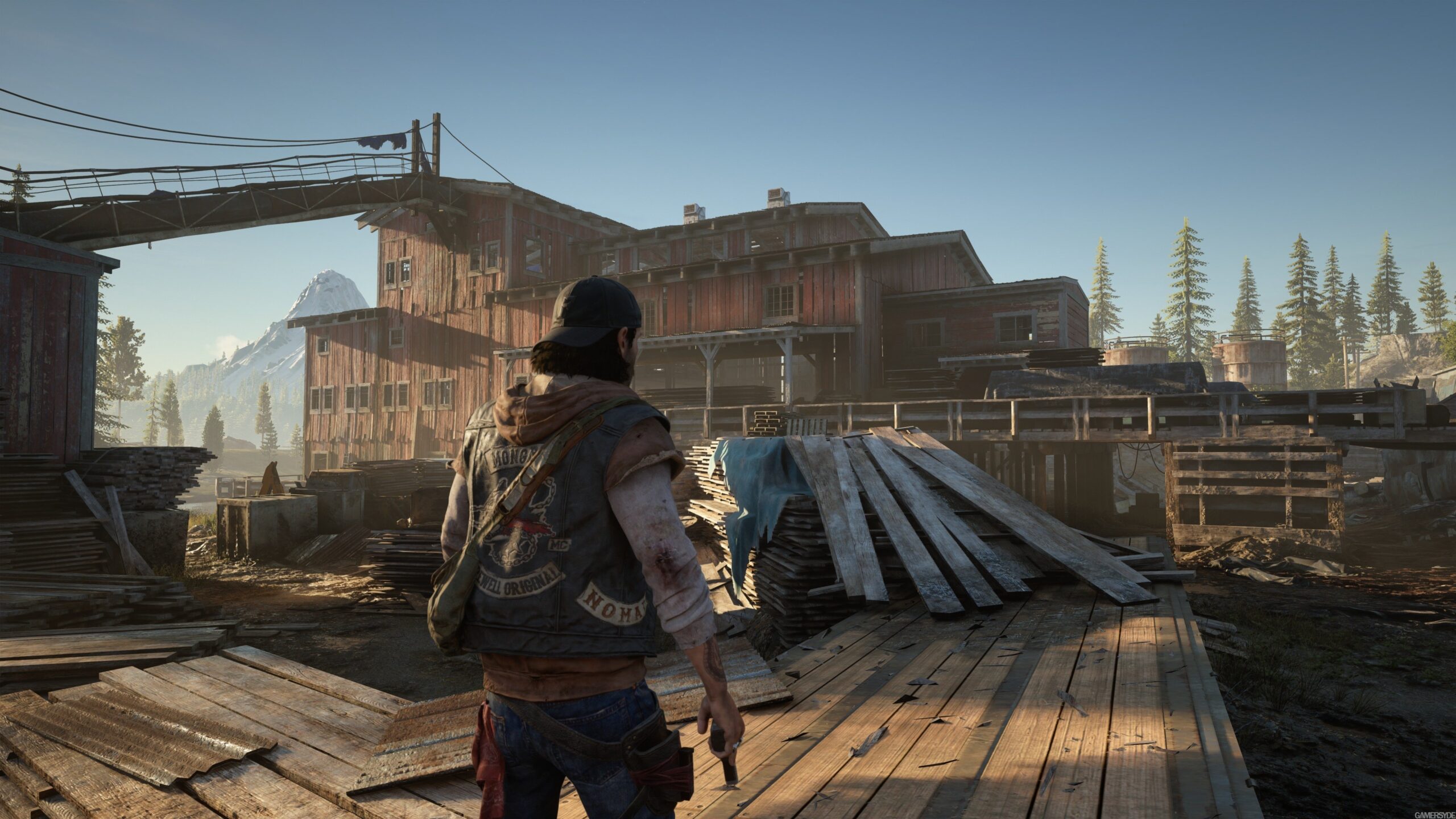
The open world of Days Gone is meticulously designed to encourage exploration and discovery. Each location tells a story, revealing the remnants of a once-thriving society now overrun by Freakers and opportunistic survivors. The level design incorporates both linear paths and branching routes, allowing players to approach objectives in their own way. The atmosphere is consistently bleak and oppressive, reflecting the harsh realities of the post-apocalyptic setting. Environmental storytelling plays a key role in immersing players in the world and providing context for the events that have unfolded.
Narrative Depth and Character Profiles
Days Gone features a compelling narrative centered on Deacon’s personal journey to find Sarah. The story explores themes of loss, redemption, and the enduring power of human connection in the face of overwhelming adversity. Deacon is a complex and relatable protagonist, haunted by his past but driven by hope. Supporting characters add depth and nuance to the world, each with their own motivations and struggles. The game’s narrative unfolds through a combination of cutscenes, dialogue sequences, and environmental storytelling.
Sound Design and Acoustic Realism
The sound design in Days Gone is crucial for creating an immersive and terrifying experience. The guttural growls of Freakers, the roar of Deacon’s motorcycle, and the crackle of gunfire all contribute to the game’s intense atmosphere. Environmental sounds play a key role in alerting players to potential threats, adding another layer of tension to the gameplay. The soundtrack complements the visuals perfectly, enhancing the emotional impact of key moments in the story.
Release Expectations and Community Hype
Days Gone generated significant hype leading up to its release, fueled by trailers showcasing the game’s impressive graphics and intense action sequences. The open-world setting and focus on Freaker hordes promised a unique and engaging experience for players. While initial reviews were mixed, praising the game’s visuals and gameplay mechanics but criticizing certain aspects of the narrative and character development, the community embraced Days Gone as a solid entry in the post-apocalyptic genre.
Conclusion: The Future of Days Gone
Days Gone represents a bold step forward for Bend Studio, showcasing their ability to create compelling open-world experiences. While not without its flaws, the game offers a unique blend of action, survival, and narrative depth that sets it apart from other titles in the post-apocalyptic genre. The success of Days Gone has paved the way for future projects from Bend Studio, potentially exploring new settings and gameplay mechanics while continuing to push the boundaries of what’s possible with Unreal Engine 4.
The game’s enduring popularity is a testament to its strengths, solidifying its place as a memorable entry in the PlayStation library.

Source: Wikipedia