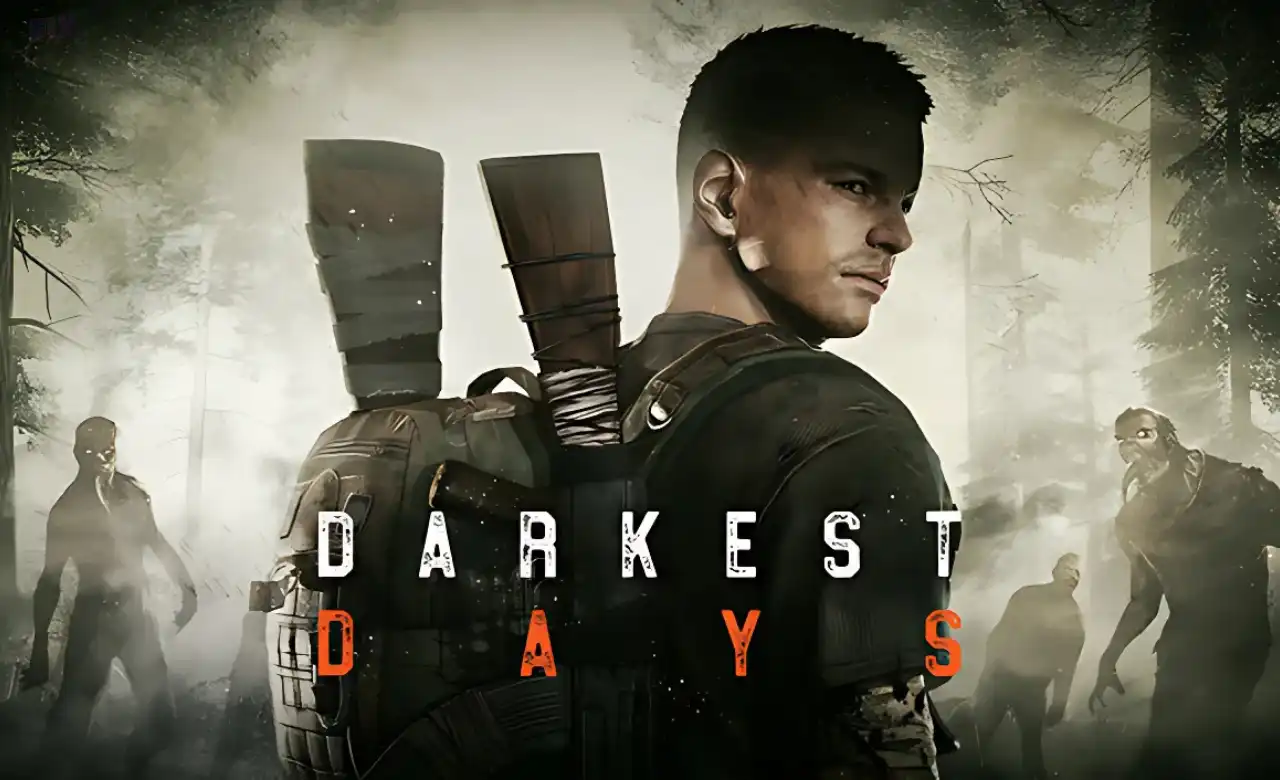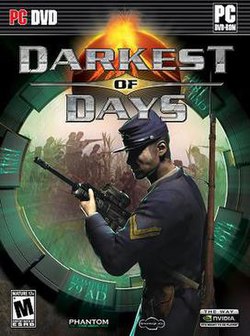
Introduction: The Next Chapter for Darkest of Days
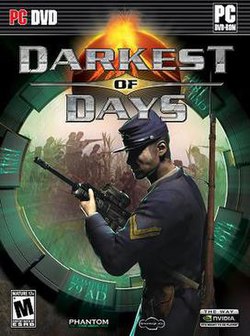
Darkest of Days, a first-person shooter developed by 8monkey Labs and originally published by Phantom EFX (with later releases on Windows via Steam and Mac OS X by Virtual Programming), represents a fascinating, if somewhat niche, entry into the time travel genre. While its initial release garnered attention for its ambitious premise – transporting players through various historical periods to combat threats to the timeline – its subsequent availability and community reception paint a more complex picture. This deep-dive review aims to dissect the game’s strengths and weaknesses, exploring its technical achievements, narrative ambitions, and overall impact on the gaming landscape. The game’s core concept of a soldier recruited by a time travel organization to protect history is inherently compelling, promising a unique blend of historical accuracy and science fiction action.
Visual Direction and Graphics Engineering
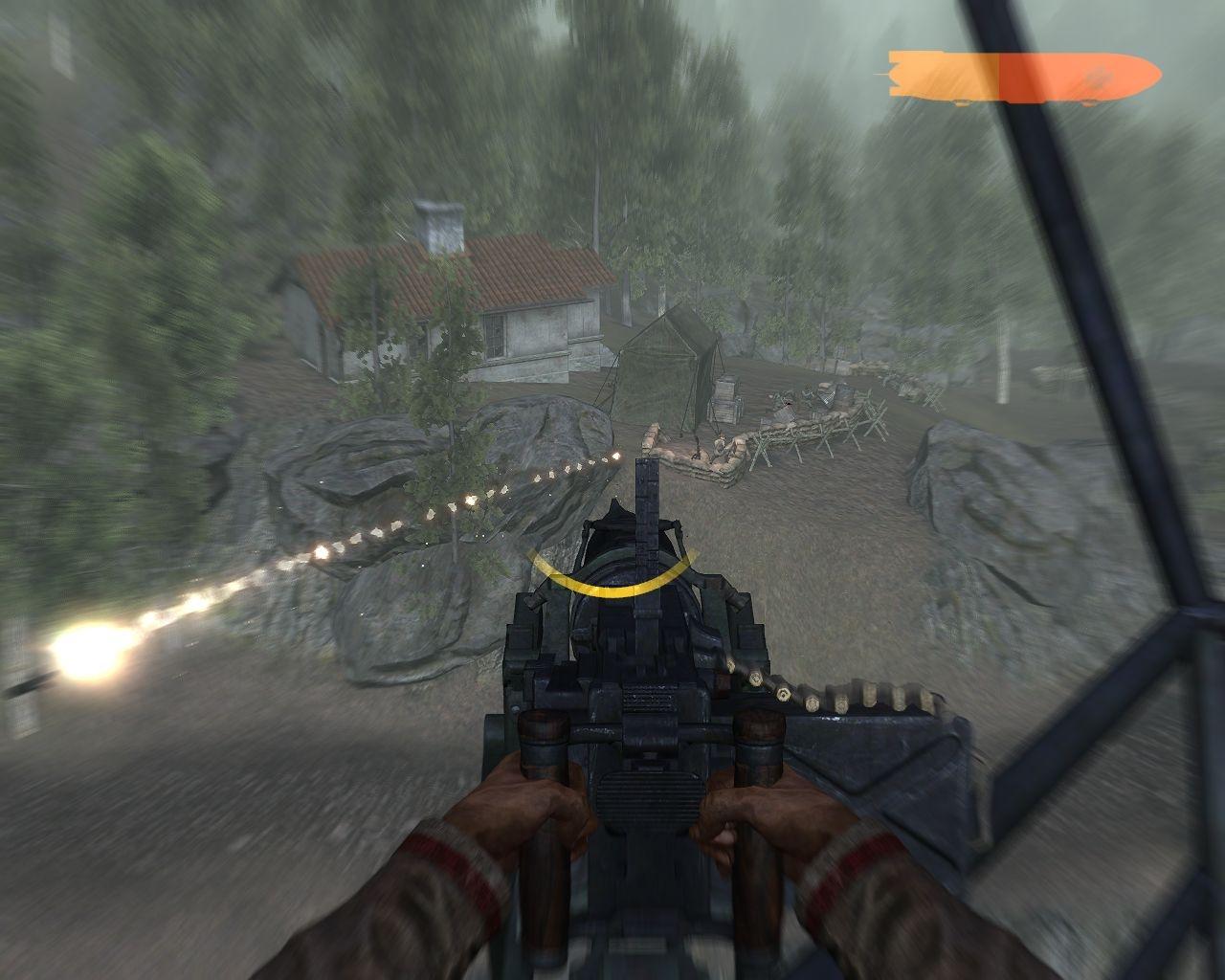
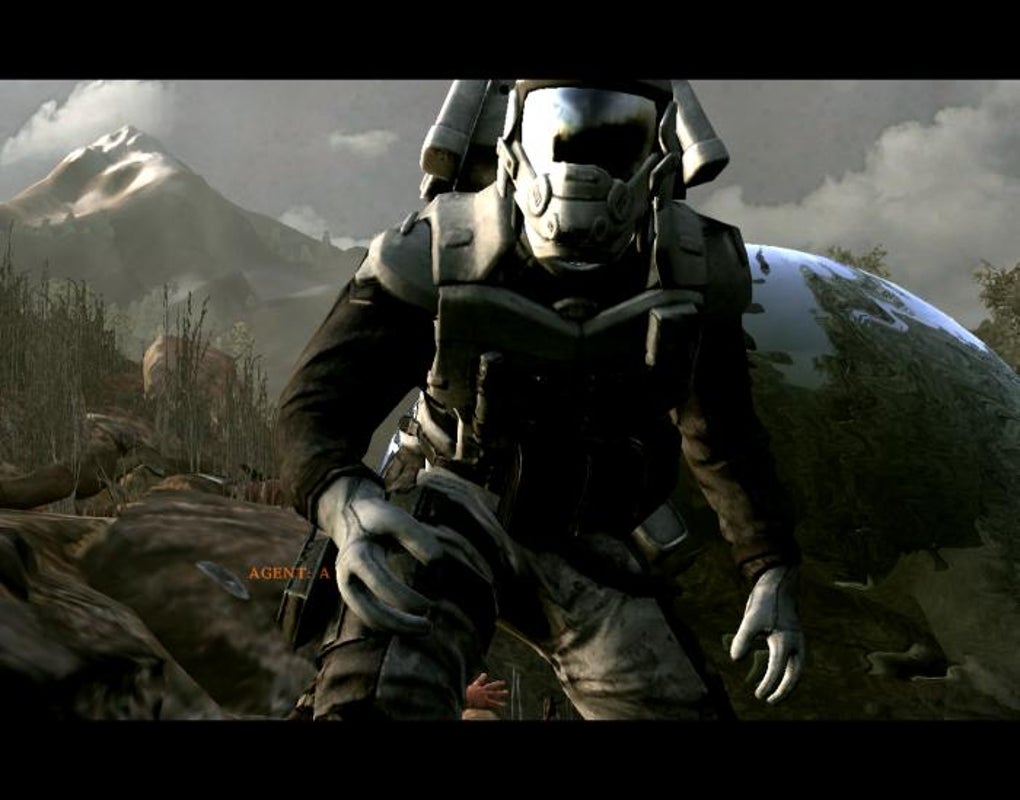
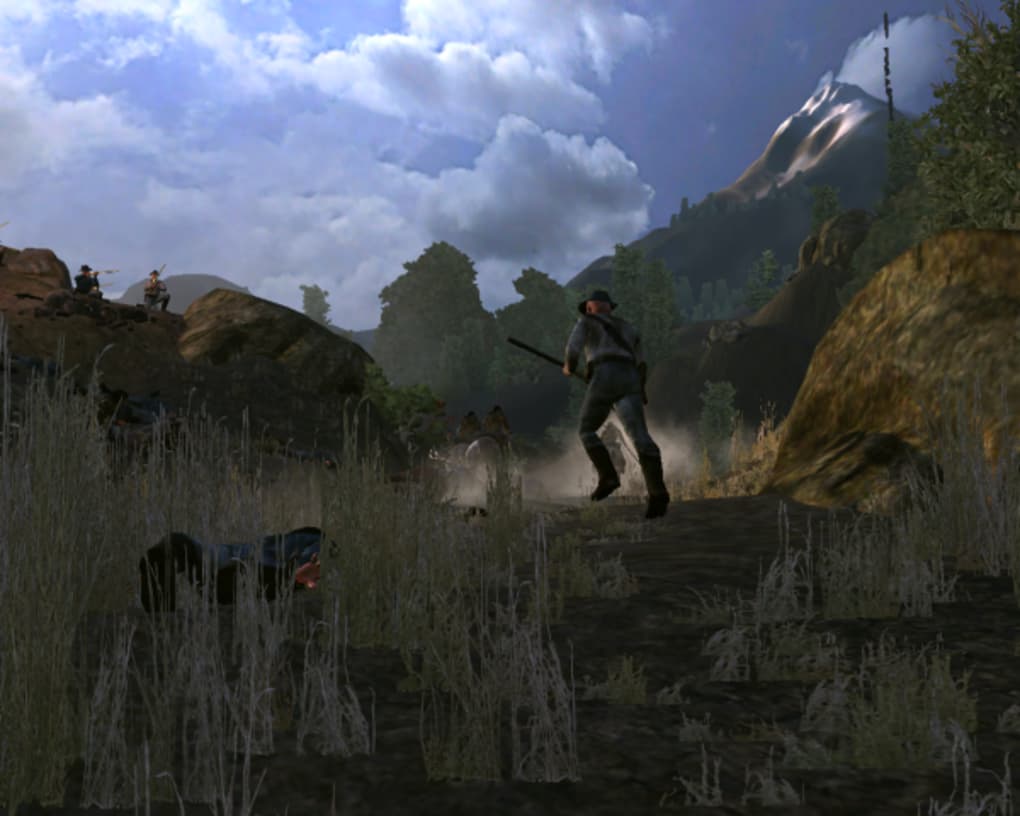
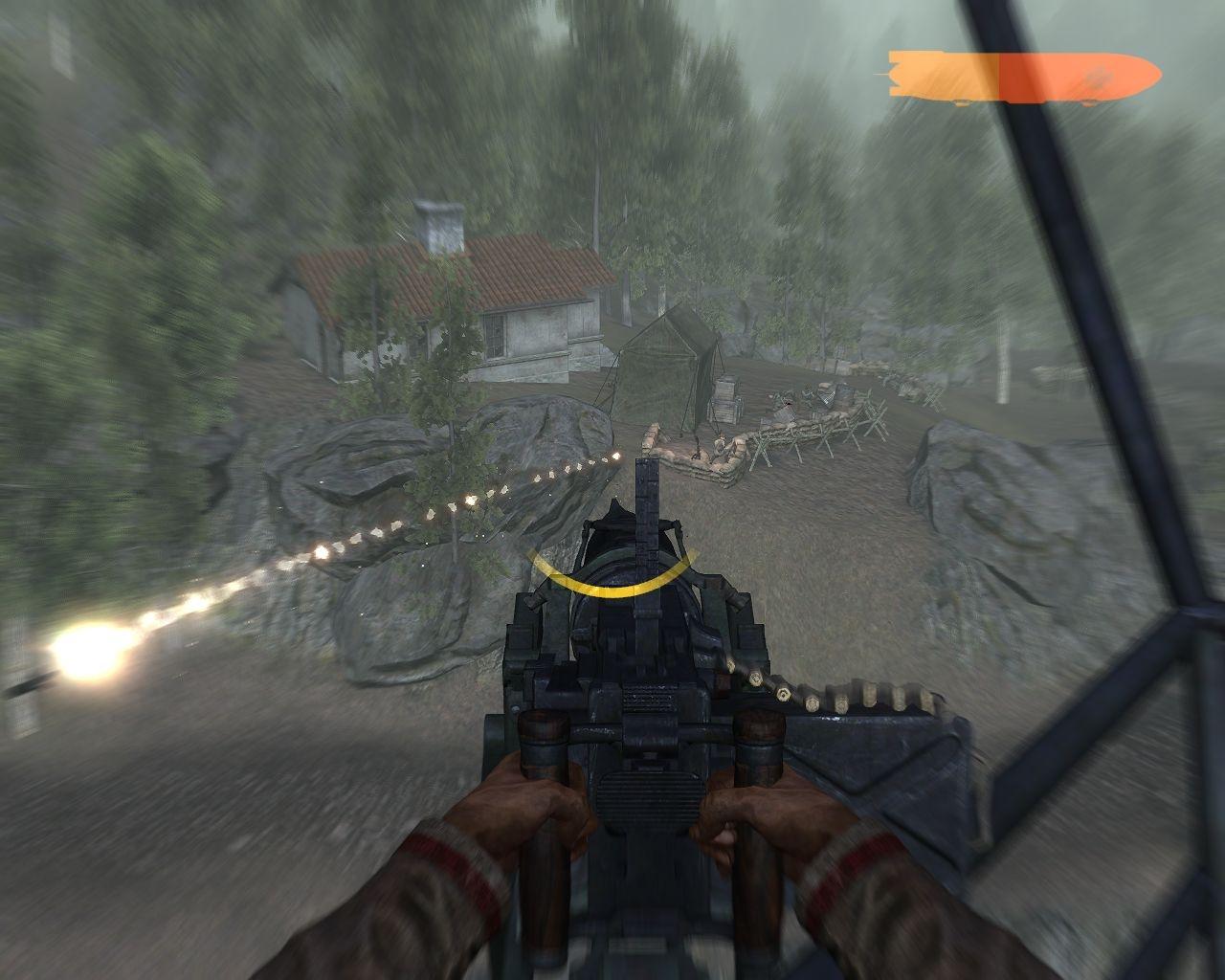
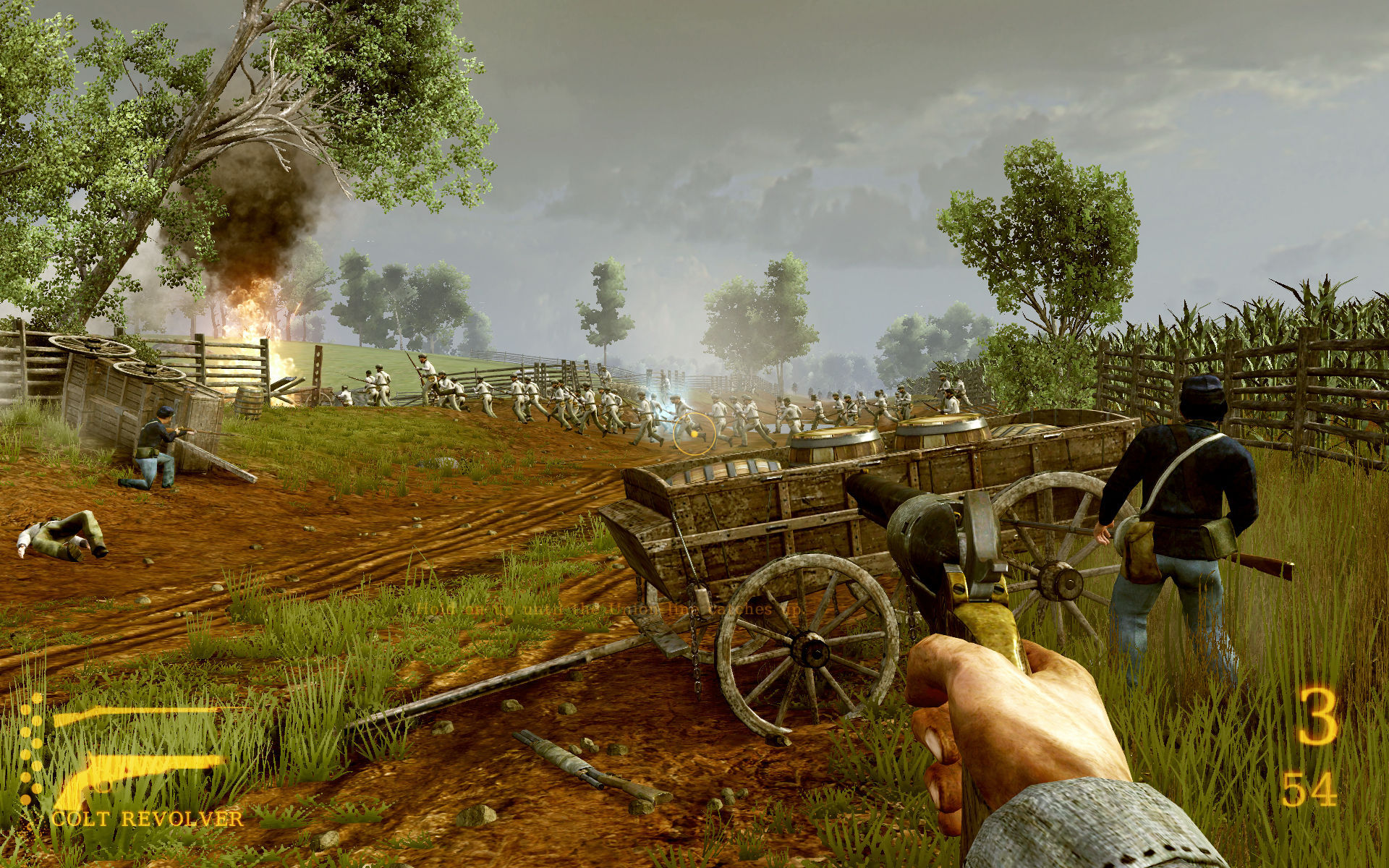
Given its release timeframe (originally Xbox 360), Darkest of Days’ visual fidelity is understandably constrained by the hardware limitations of the era. However, the developers at 8monkey Labs managed to create distinct visual styles for each time period, attempting to capture the essence of Ancient Rome, the American Civil War, World War I, and other eras. The “Proprietary Next-Gen Engine,” while not pushing boundaries in terms of raw graphical power, likely focused on optimizing performance and enabling the transitions between vastly different historical settings. While modern gamers might find the textures and character models somewhat dated, the art direction aimed to create a sense of immersion within each time period. The challenges lay in balancing visual distinctiveness with maintaining consistent gameplay mechanics across such diverse environments.
Gameplay Mechanics and Core Systems
The core gameplay loop revolves around first-person shooting, punctuated by narrative sequences that drive the player through different eras. While details on specific weapon types and enemy AI are scarce, it’s reasonable to assume a focus on providing a variety of combat scenarios appropriate for each historical setting. The time travel mechanic itself likely plays a crucial role in both gameplay and narrative progression, potentially introducing unique challenges or opportunities based on the era being visited. The “Proprietary Next-Gen Engine” would have needed to handle not only the visual transitions but also the underlying game logic required to manage these temporal shifts.
Level Design and World Atmosphere
The level design in Darkest of Days is arguably one of its most critical aspects, as it directly impacts the player’s immersion within each time period. The environments need to be both visually authentic and strategically designed to provide engaging combat encounters. Recreating iconic locations from history, such as battlefields or Roman settlements, would have presented significant challenges for the development team. The success of the game hinges on how well these historical settings are realized and integrated into the gameplay experience.
Narrative Depth and Character Profiles
The narrative structure of Darkest of Days is driven by the player’s role as a soldier tasked with protecting history from unseen threats. While details about specific characters, such as “Mother” and Doctor Koell, remain somewhat vague, their presence suggests a complex organization driving the time travel mechanics. The game likely explores themes of historical preservation, the dangers of altering the past, and the ethical dilemmas associated with wielding such powerful technology.
Sound Design and Acoustic Realism
The sound design in Darkest of Days plays a vital role in creating an immersive experience. Authentic weapon sounds, period-appropriate music, and realistic environmental audio would be essential for transporting players to different eras. The game’s “Proprietary Next-Gen Engine” likely included tools for managing complex audio landscapes, ensuring that the sound design complements the visuals and gameplay mechanics.
Release Expectations and Community Hype
The initial release of Darkest of Days generated a degree of excitement within the gaming community, particularly among fans of time travel narratives and historical settings. However, its subsequent removal from Steam suggests potential issues with sales or licensing that impacted its long-term availability. The game’s niche appeal likely contributed to its limited commercial success.
Conclusion: The Future of Darkest of Days
Darkest of Days represents a bold attempt to blend time travel mechanics with historical settings, offering a unique gameplay experience for those willing to overlook its technical limitations. While its current unavailability on major platforms limits its accessibility, the game’s core concept and ambition remain intriguing.
Source: Wikipedia