Introduction: The Next Chapter for Dark Souls
Dark Souls, a name synonymous with challenging gameplay and intricate world design, has captivated players for over a decade. FromSoftware’s masterpiece isn’t just a game; it’s an experience that demands patience, skill, and a willingness to learn from failure. This deep dive will explore the core elements that make Dark Souls so enduring, examining its visual direction, gameplay mechanics, level design, narrative depth, sound design, release expectations, and ultimately, the future of this iconic franchise. We’re not just talking about a game; we’re dissecting a phenomenon.
Visual Direction and Graphics Engineering
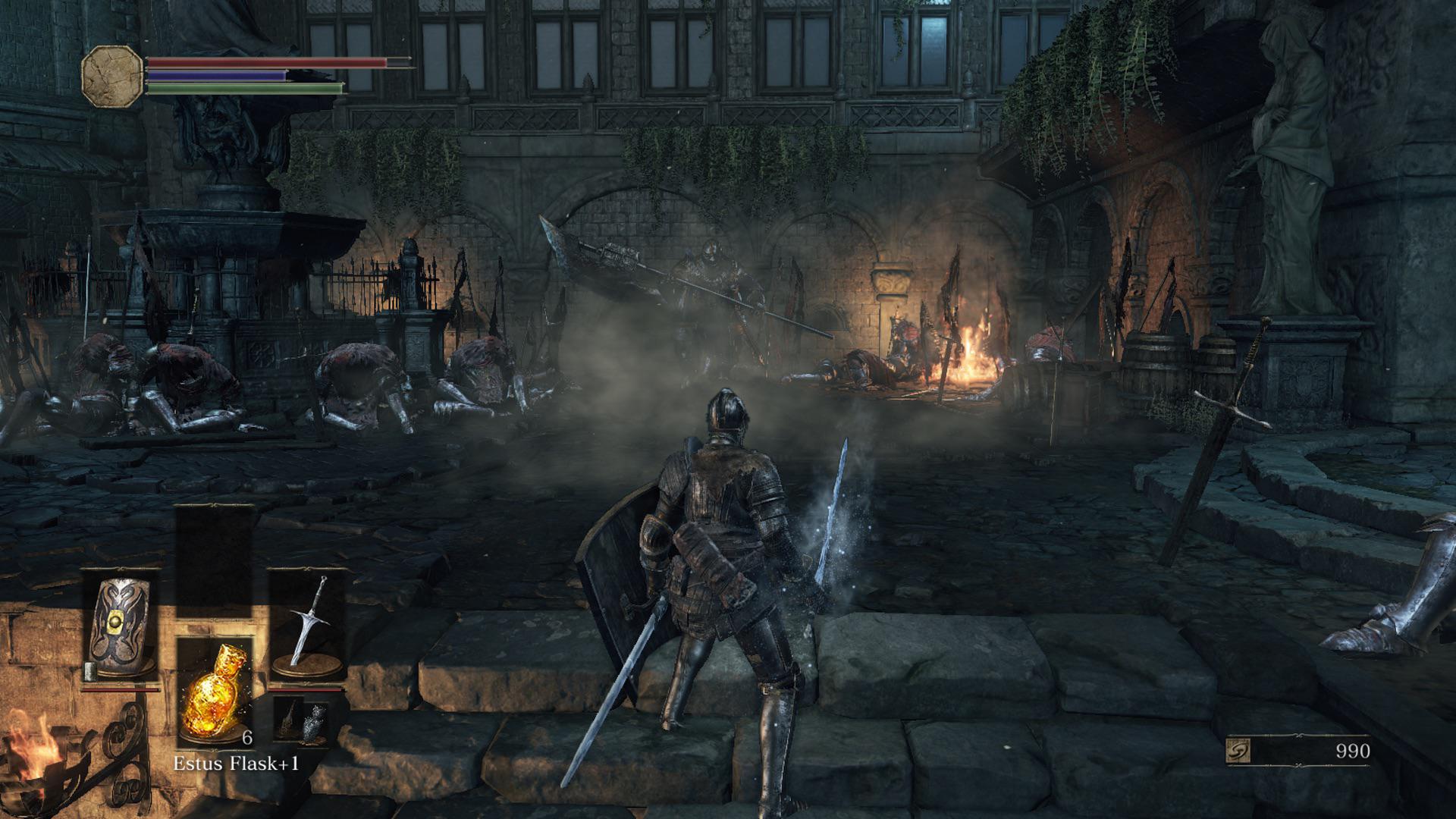
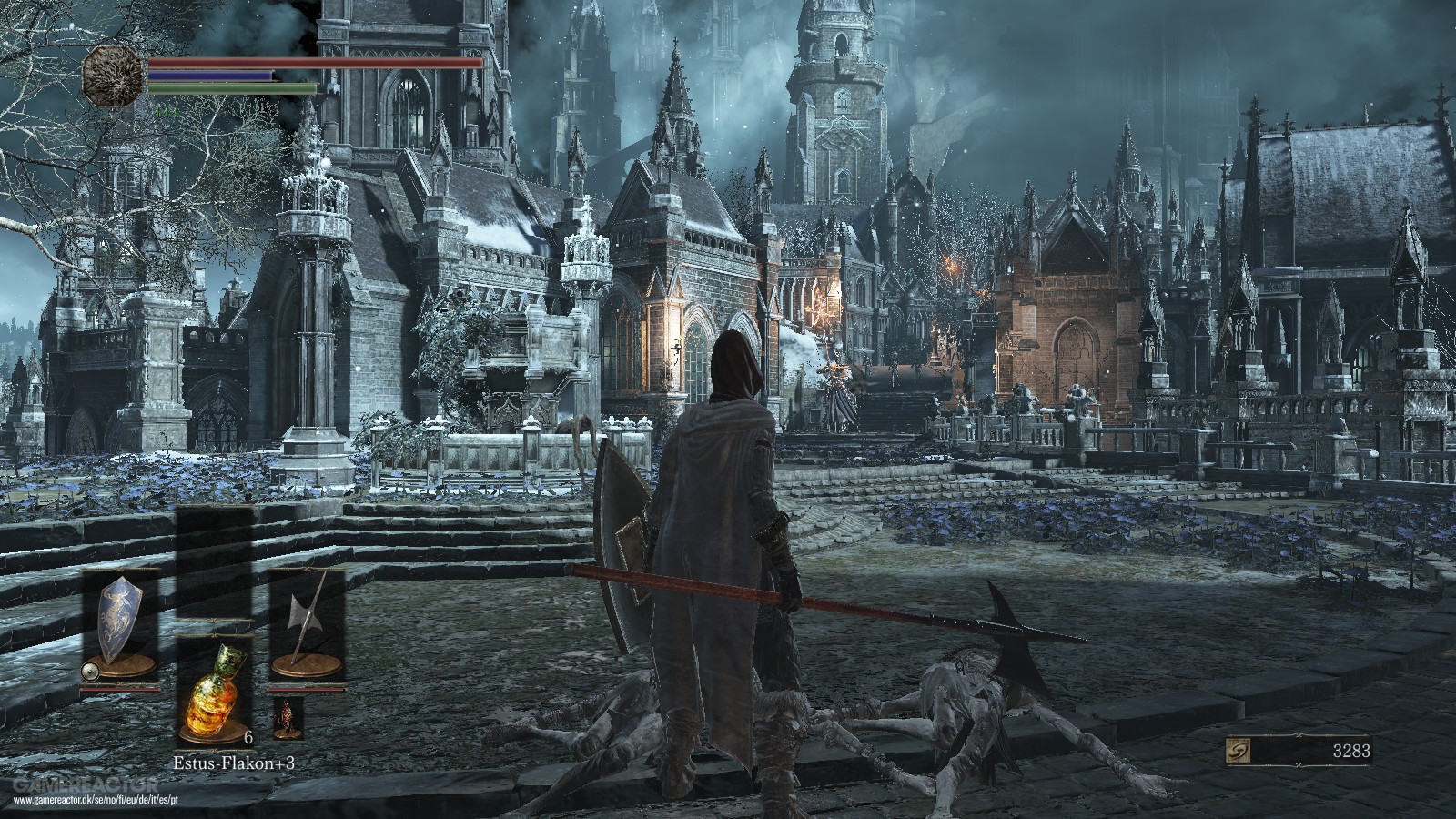
Dark Souls’ visual style is deliberately bleak and oppressive. The environments are decaying, filled with crumbling architecture and unsettling details that contribute to the overall sense of dread. While technically impressive for its time, the graphics engine prioritized atmosphere over raw graphical fidelity. This conscious decision allowed the artists to focus on creating a world that felt lived-in and believable, even in its ruined state. The use of lighting is particularly noteworthy; flickering torches cast long shadows, obscuring dangers and adding to the feeling of vulnerability. The proprietary engine, while not pushing bleeding-edge technology, was expertly utilized to achieve a distinctive visual identity that remains impactful today.
Gameplay Mechanics and Core Systems
The core gameplay loop in Dark Souls revolves around exploration, combat, and character progression. Combat is deliberate and punishing, demanding precise timing and strategic decision-making. Every encounter, from the smallest enemy to the towering bosses, presents a significant threat. The stamina system forces players to carefully manage their actions, preventing mindless button mashing. Death is an integral part of the experience; players lose their accumulated souls (the game’s currency) upon death and must retrieve them by returning to where they fell. This risk-reward mechanic adds tension to every step. Character progression involves leveling up attributes like strength, dexterity, and vitality, allowing players to customize their builds and adapt to different playstyles.
Level Design and World Atmosphere
Dark Souls’ level design is a masterclass in interconnectedness and environmental storytelling. The world of Lordran (in the original Dark Souls) is intricately woven together, with shortcuts and hidden pathways rewarding exploration. Each area has its own distinct atmosphere, from the sun-drenched Undead Burg to the subterranean depths of Blighttown. The level design encourages players to learn from their mistakes, memorizing enemy placements and discovering optimal routes. This sense of discovery is a key element of the Dark Souls experience.
Narrative Depth and Character Profiles
While lacking explicit exposition, Dark Souls’ narrative unfolds through environmental details, item descriptions, and cryptic dialogue. The story revolves around the fading flame and the cyclical nature of existence. Players take on the role of an undead character tasked with either rekindling the flame or ushering in an age of darkness. The game features a cast of memorable characters, each with their own motivations and secrets. Understanding these characters requires careful observation and piecing together fragments of information.
Sound Design and Acoustic Realism
The sound design in Dark Souls is crucial to creating its oppressive atmosphere. The clanging of armor, the groans of undead enemies, and the mournful music all contribute to the sense of dread. The game’s soundtrack is minimalistic but incredibly effective, often used to heighten tension or underscore moments of triumph. The acoustic realism further immerses players in the world, making every sound feel significant.
Release Expectations and Community Hype
The release of any new Dark Souls title generates immense hype within the gaming community. Players eagerly anticipate new challenges, intricate level designs, and a fresh take on the established formula. The “Soulsborne” subgenre has become synonymous with challenging gameplay and rewarding exploration, attracting both hardcore gamers and newcomers alike. The expectations are always high, and FromSoftware consistently delivers experiences that live up to the hype.
Conclusion: The Future of Dark Souls
Dark Souls is more than just a game; it’s a cultural phenomenon that has redefined the action RPG genre. Its challenging gameplay, intricate level design, and atmospheric world have captivated players for years. While the future of the series remains uncertain, its legacy as one of the greatest games ever made is secure. The influence of Dark Souls can be seen in countless other titles, solidifying its place as a true masterpiece.
Source: Wikipedia


