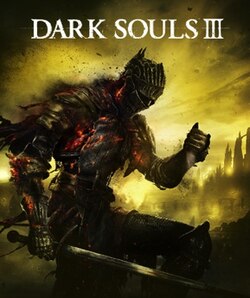
Introduction: The Next Chapter for Dark Souls III
Dark Souls III, the culmination of a decade-long journey into the bleak and unforgiving world FromSoftware crafted, arrived in 2016 as both a fitting conclusion and a bold step forward. Following a somewhat divisive sequel in Dark Souls II, Miyazaki returned to direct, promising a return to form while simultaneously pushing the technical and design boundaries established by its predecessors. The game’s release was met with immense anticipation, fueled by years of speculation and fervent hope from a dedicated fanbase eager for a definitive experience that would honor the legacy of Lordran. This Masterclass Deep-Dive will dissect every facet of Dark Souls III, examining its visual prowess, gameplay intricacies, narrative depth, and overall impact on the action RPG landscape.
Visual Direction and Graphics Engineering
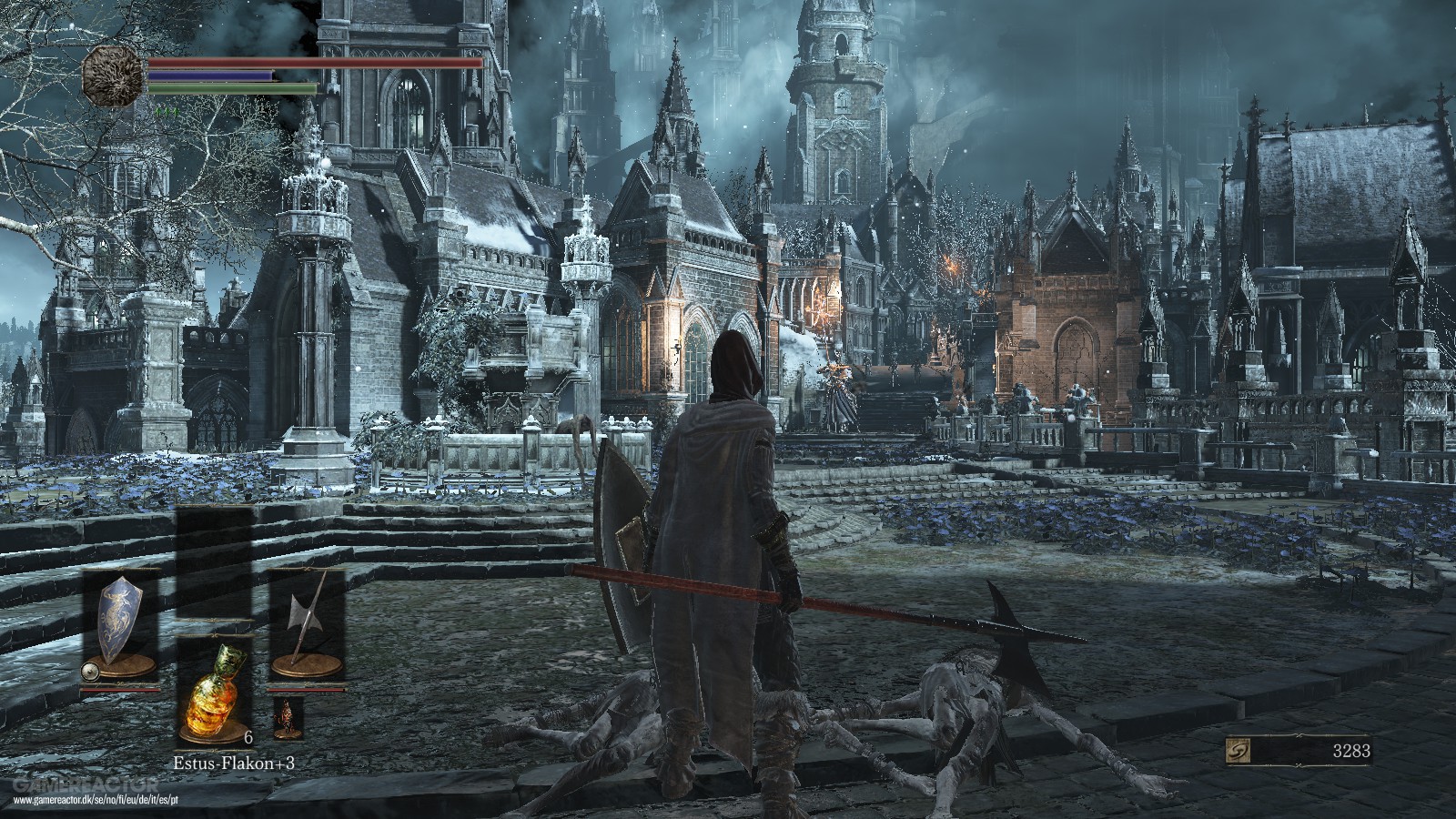
Dark Souls III represents a significant leap in graphical fidelity compared to previous entries. While still retaining the series’ signature dark fantasy aesthetic, the game boasts improved character models, more detailed environments, and enhanced lighting effects. The proprietary Next-Gen engine allowed for more complex geometry and particle systems, resulting in visually stunning moments, particularly during boss encounters. The use of dynamic lighting creates a palpable sense of atmosphere, casting long shadows that dance across the decaying architecture of Lothric. However, optimization challenges were present, especially on older hardware, leading to occasional frame rate dips. Despite these technical hurdles, the visual presentation remains one of Dark Souls III’s strongest assets, effectively conveying the game’s oppressive and melancholic tone.
Gameplay Mechanics and Core Systems
At its core, Dark Souls III retains the fundamental gameplay loop that defines the series: deliberate combat, challenging enemy encounters, and a constant sense of vulnerability. However, several refinements were implemented to streamline and enhance the experience. The introduction of weapon arts added a new layer of tactical depth, allowing players to customize their combat style with unique abilities tied to each weapon. Stamina management remains crucial, demanding careful planning and precise execution. The bonfire system provides safe havens for healing and leveling up, but also serves as checkpoints that can be strategically exploited by aggressive enemies. While the difficulty curve might seem daunting at first, mastering the game’s mechanics is incredibly rewarding.
Level Design and World Atmosphere
Dark Souls III features a meticulously crafted world, blending familiar locations from previous games with entirely new areas. The level design emphasizes interconnectedness, encouraging exploration and discovery. Each environment tells its own story, revealing fragments of lore through environmental details and cryptic NPC interactions. From the sprawling Ashen Estuary to the hauntingly beautiful Archives, every location is imbued with a sense of history and decay. The game’s atmosphere is oppressive and melancholic, reflecting the dying embers of a once-great civilization. This pervasive feeling of loss and despair permeates every corner of Lothric, creating an unforgettable and deeply immersive experience.
Narrative Depth and Character Profiles
The narrative in Dark Souls III unfolds through environmental storytelling, item descriptions, and cryptic dialogue with NPCs. The player assumes the role of the Ashen One, an undead warrior tasked with rekindling the First Flame and preventing the Age of Fire from fading completely. While the overarching plot is relatively straightforward, the game encourages players to piece together the fragmented lore and uncover the hidden truths behind Lothric’s downfall. The characters encountered along the way are often enigmatic and morally ambiguous, adding layers of complexity to the narrative. Their motivations and allegiances remain shrouded in mystery, prompting players to question their own assumptions and interpretations.
Sound Design and Acoustic Realism
The sound design in Dark Souls III is a masterclass in atmospheric immersion. The haunting melodies composed by Yuka Kitamura and Motoi Sakuraba perfectly complement the game’s visuals, creating an unforgettable auditory experience. The subtle creaks of decaying architecture, the distant cries of unseen creatures, and the clashing sounds of combat all contribute to the game’s oppressive atmosphere. The sound effects are meticulously crafted to convey a sense of weight and impact, making every swing of a weapon feel visceral and satisfying. The overall effect is one of profound immersion, drawing players deeper into the bleak and unforgiving world of Lothric.
Release Expectations and Community Hype
The release of Dark Souls III was met with an unprecedented level of hype within the gaming community. Years of speculation and fervent hope had built up anticipation for a return to form from FromSoftware, following a somewhat divisive sequel in Dark Souls II. The promise of Miyazaki’s direct involvement, coupled with tantalizing glimpses of gameplay footage, fueled expectations that this would be the definitive conclusion to the Dark Souls trilogy. Pre-orders soared, and online forums buzzed with discussions about potential builds, boss strategies, and lore theories. The game ultimately delivered on many of these expectations, solidifying its place as a landmark achievement in the action RPG genre.
Conclusion: The Future of Dark Souls III
Dark Souls III stands as a testament to FromSoftware’s unwavering commitment to challenging gameplay, intricate world-building, and atmospheric storytelling. While not without its technical shortcomings, the game represents a significant evolution for the series, pushing the boundaries of what was possible within the action RPG genre. Its impact on the gaming landscape is undeniable, inspiring countless imitators and solidifying its place as a modern classic. The release of the “Ringed City” DLC further expanded upon the world of Lothric, providing players with even more opportunities to explore its secrets and confront its horrors. As we look towards the future, Dark Souls III remains a shining example of what can be achieved when artistry and technical prowess converge.
Source: Wikipedia


