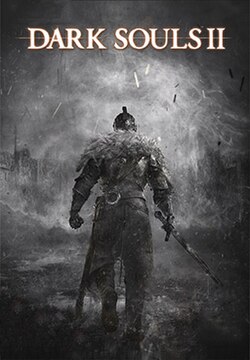
Introduction: The Next Chapter for Dark Souls II
Dark Souls II arrived in 2014 as the highly anticipated sequel to FromSoftware’s groundbreaking title, Dark Souls. While retaining the core tenets of challenging combat, intricate level design, and a bleak atmosphere, Dark Souls II marked a departure from the original in terms of its development team and certain gameplay mechanics. This Masterclass Deep-Dive will dissect every facet of the game, from its visual direction to its narrative depth, providing an exhaustive analysis for the discerning gamer. The pressure was immense: could FromSoftware recapture the magic that made the first Dark Souls a phenomenon?
Visual Direction and Graphics Engineering
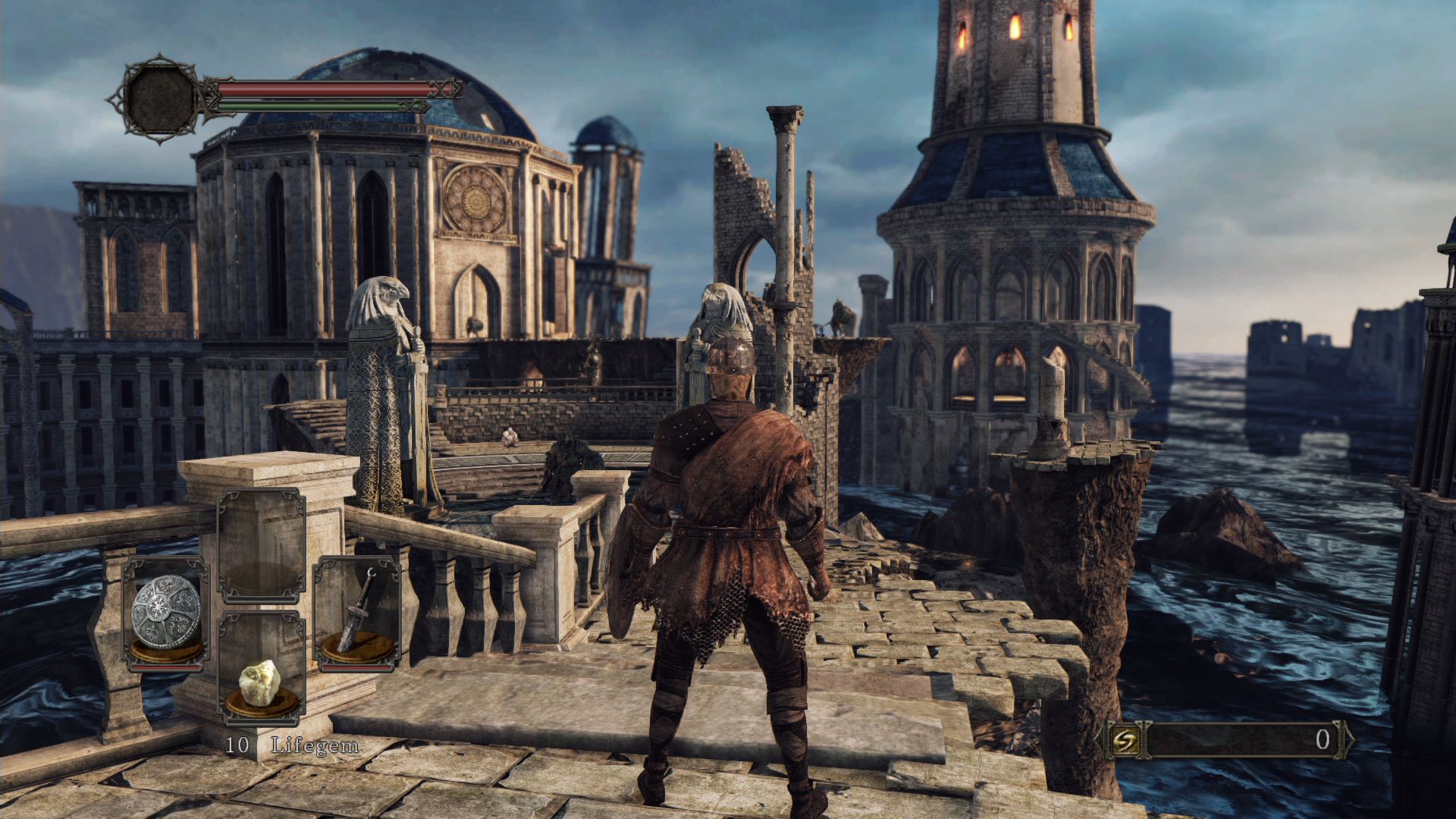
Dark Souls II utilizes a proprietary “Next-Gen” engine developed by FromSoftware. While not as visually stunning as some contemporary titles, the game boasts a distinct art style characterized by decaying grandeur and oppressive darkness. The environments are meticulously crafted to evoke a sense of isolation and despair, with crumbling architecture, desolate landscapes, and grotesque enemy designs contributing to the overall atmosphere. showcases the intricate detail in Drangleic’s architecture, highlighting the game’s commitment to visual storytelling. While the engine might not push graphical boundaries, its efficiency allows for complex level design and a consistent frame rate, crucial for maintaining the demanding gameplay experience.
Gameplay Mechanics and Core Systems
The core gameplay loop of Dark Souls II remains faithful to its predecessor: explore treacherous environments, engage in challenging combat encounters, and overcome seemingly insurmountable obstacles. However, several key changes were implemented. The “hollowing” system, which reduces maximum health upon repeated deaths, adds a new layer of risk management. Weapon upgrades are more diverse, encouraging experimentation with different playstyles. While some players criticized these changes as deviations from the original formula, they also offered fresh challenges and strategic options. illustrates a player character facing off against a formidable enemy, emphasizing the game’s demanding combat system.
Level Design and World Atmosphere
Drangleic, the fallen kingdom where Dark Souls II takes place, is a masterpiece of environmental storytelling. The level design is intricate and interconnected, rewarding exploration with hidden passages, valuable items, and challenging optional areas. The atmosphere is thick with dread, amplified by the haunting soundtrack and the constant threat of ambushes. From the sprawling Undead Settlement to the imposing Shrine of Amana, each location feels distinct and contributes to the overall sense of unease. The game’s interconnected world encourages players to forge their own path, discovering secrets and piecing together the fragmented narrative.
Narrative Depth and Character Profiles
The story of Dark Souls II is shrouded in mystery, gradually revealed through item descriptions, environmental cues, and cryptic dialogue with non-player characters (NPCs). The player character, an undead traveler seeking a cure for their curse, must navigate a world populated by morally ambiguous figures, each with their own motivations and agendas. While the narrative may not be as straightforward as in some other games, it offers a rich tapestry of lore and intrigue that rewards attentive players. Characters like Velka, the Queen of Sin, and Kaathe, the enigmatic scholar, add depth and complexity to the world, prompting players to question their allegiances and motivations.
Sound Design and Acoustic Realism
The sound design in Dark Souls II is crucial to creating its oppressive atmosphere. The haunting soundtrack, composed by Motoi Sakuraba and Yuka Kitamura, perfectly complements the visuals, enhancing the sense of dread and isolation. Environmental sounds, such as the creaking of floorboards and the distant cries of enemies, further immerse the player in the world. The sound effects for combat are visceral and impactful, adding weight to each swing of a weapon or parry of an attack.
Release Expectations and Community Hype
The release of Dark Souls II was met with immense anticipation from fans eager to experience the next chapter in FromSoftware’s critically acclaimed series. Marketing campaigns hinted at new gameplay mechanics and environments, fueling speculation and excitement within the gaming community. However, some players expressed concerns about the departure from the original formula and the involvement of a different development team. The game ultimately delivered on its promise of challenging combat, intricate level design, and a bleak atmosphere, although it also faced criticism for certain changes to the gameplay mechanics.
showcases gameplay footage highlighting the core elements that made Dark Souls II both celebrated and debated.
Conclusion: The Future of Dark Souls II
Dark Souls II remains a significant entry in the Dark Souls franchise, offering a unique blend of familiar gameplay mechanics and innovative features. While it may not have achieved the same level of universal acclaim as its predecessor, it continues to be praised for its challenging combat, intricate level design, and atmospheric world. The game’s enduring popularity is a testament to FromSoftware’s ability to create compelling experiences that resonate with players long after they finish playing. The legacy of Dark Souls II lives on through its dedicated community, which continues to explore its secrets, share their experiences, and celebrate the game’s unique qualities.
Source: Wikipedia


