Introduction: The Next Chapter for Dark Messiah of Might and Magic
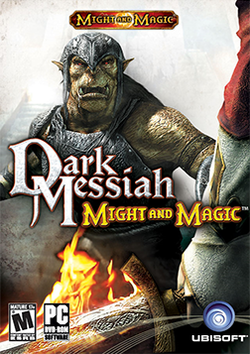
Dark Messiah of Might and Magic, a cult classic action RPG developed by Arkane Studios, carved out a unique space in the gaming landscape. Its blend of first-person combat, environmental interaction, and a compelling narrative set it apart from its contemporaries. While initially released in 2006 on PC, the Xbox 360 version, “Dark Messiah of Might and Magic: Elements,” brought this experience to consoles with enhancements and refinements. This deep dive aims to dissect every facet of the game, exploring its strengths, weaknesses, and enduring appeal. We’re not just revisiting a game; we’re analyzing a legacy.
Visual Direction and Graphics Engineering
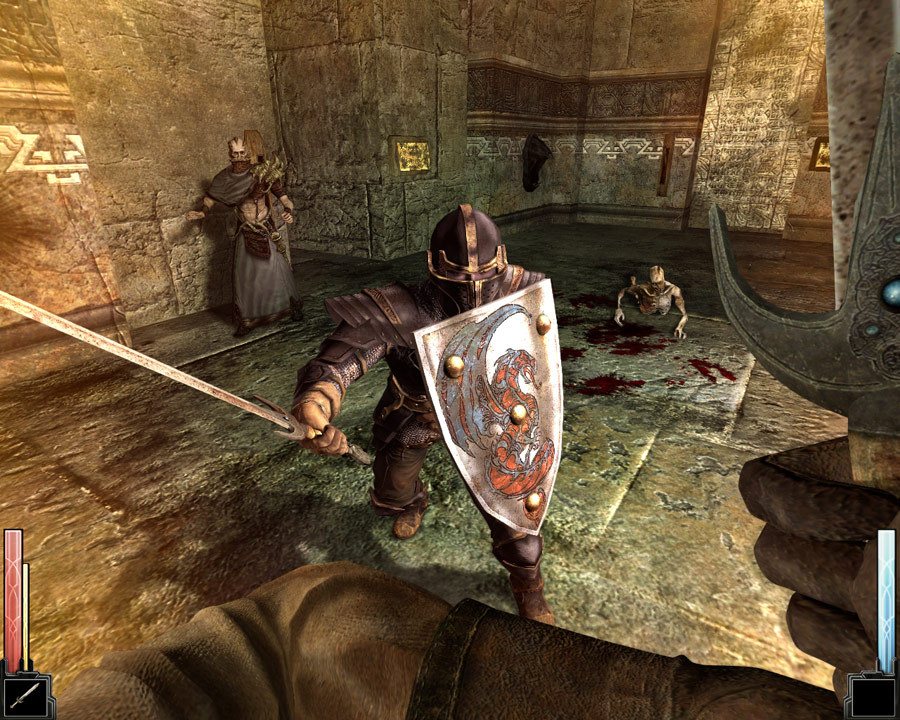
The visual style of Dark Messiah is characterized by its gritty realism and detailed environments. The Source engine, while showing its age compared to modern titles, was skillfully utilized to create a world that feels both believable and fantastical. Lighting plays a crucial role in establishing the atmosphere, with flickering torches casting long shadows and illuminating grotesque details on enemy creatures. While textures might lack the fidelity of today’s standards, the art direction compensates with imaginative creature designs and evocative architectural elements. The Xbox 360 version (“Elements”) received graphical updates, including improved textures and lighting effects, although some purists argue that these changes slightly altered the original aesthetic.
Gameplay Mechanics and Core Systems
Dark Messiah’s gameplay revolves around a unique blend of melee combat, ranged attacks, and environmental manipulation. The “pick-up-and-use” system allows players to interact with almost everything in the environment, from throwing objects at enemies to triggering traps. This adds a layer of tactical depth to encounters, encouraging creative problem-solving. The game also features a robust skill tree, allowing players to specialize in different combat styles, such as melee proficiency, archery expertise, or stealth mastery. Mastering the timing and execution of attacks is crucial for survival, especially against the game’s challenging enemies.
Level Design and World Atmosphere
The level design in Dark Messiah is intricate and interconnected, encouraging exploration and rewarding curiosity. The environments range from claustrophobic dungeons to sprawling outdoor landscapes, each meticulously crafted to immerse players in the world. The atmosphere is thick with dread and foreboding, enhanced by the game’s excellent sound design and lighting effects. The level of interactivity within these environments is remarkable; almost every object can be picked up and used, adding a layer of tactical depth to encounters.
Narrative Depth and Character Profiles
The narrative in Dark Messiah is a dark fantasy tale centered around Sareth, an apprentice wizard caught in a web of political intrigue and ancient evils. The story unfolds through a series of quests and interactions with memorable characters, each with their own motivations and secrets. While the main plotline is engaging, it’s the smaller, more personal stories that truly resonate with players. The game explores themes of betrayal, ambition, and the corrupting influence of power.
Sound Design and Acoustic Realism
The sound design in Dark Messiah is exceptional, contributing significantly to the game’s immersive atmosphere. From the clanging of swords to the guttural roars of monsters, every sound effect is meticulously crafted to create a visceral experience. The ambient sounds further enhance the sense of realism, with wind whistling through crumbling ruins and water dripping from cavern walls. The musical score, composed by Sascha Dikiciyan and Cris Velasco, perfectly complements the game’s dark fantasy setting.
Release Expectations and Community Hype
The original release of Dark Messiah on PC was met with critical acclaim, praised for its innovative gameplay mechanics, immersive atmosphere, and compelling narrative. However, it also suffered from technical issues that plagued many games of that era. The Xbox 360 version (“Elements”) aimed to address these issues while also enhancing the game’s visuals and adding new content. While the console release generated excitement among fans eager for a more polished experience, some purists felt that the changes detracted from the original’s charm.
Conclusion: The Future of Dark Messiah of Might and Magic
Dark Messiah of Might and Magic remains a beloved title for its unique blend of action RPG elements and innovative gameplay mechanics. While its technical limitations may be apparent to modern gamers, its enduring appeal lies in its immersive atmosphere, compelling narrative, and the freedom it offers players to interact with their environment. Whether a remaster or a spiritual successor, the legacy of Dark Messiah deserves to be preserved and expanded upon.
Source: Wikipedia


