


About this game
Introduction: Stealth Espionage Reimagined
In an era dominated by high-octane action and sprawling open-world adventures, Dark Light: Survivor, developed by Mirari & Co., stands out as a masterclass in stealth espionage and roguelike survival. This innovative title combines the strategic depth of tactical espionage with the unpredictable nature of rogue-like gameplay, setting a new standard for immersive narrative-driven experiences. As players delve into the shadows of an alien world, they are thrust into a high-stakes game of cat-and-mouse where every decision could mean life or death.
The game’s core premise revolves around Lucia, a skilled operative dispatched to infiltrate and dismantle The Architects’ network—a malevolent organization that threatens not only her mission but also the fabric of reality itself. To succeed, she must navigate through labyrinthine environments filled with hostile guards, traps, and environmental hazards while gathering intelligence on the enemy’s plans.
Dark Light: Survivor offers a unique blend of stealth mechanics, real-time combat, and exploration that challenges players to adapt their strategies constantly. With each failed attempt at survival comes valuable lessons learned, making every subsequent run more informed and thrilling than the last. This intricate balance between risk and reward not only keeps the gameplay fresh but also drives home the narrative’s urgency and stakes.
Visual Splendor: Pushing the Limits of Unreal Engine 5
Dark Light: Survivor
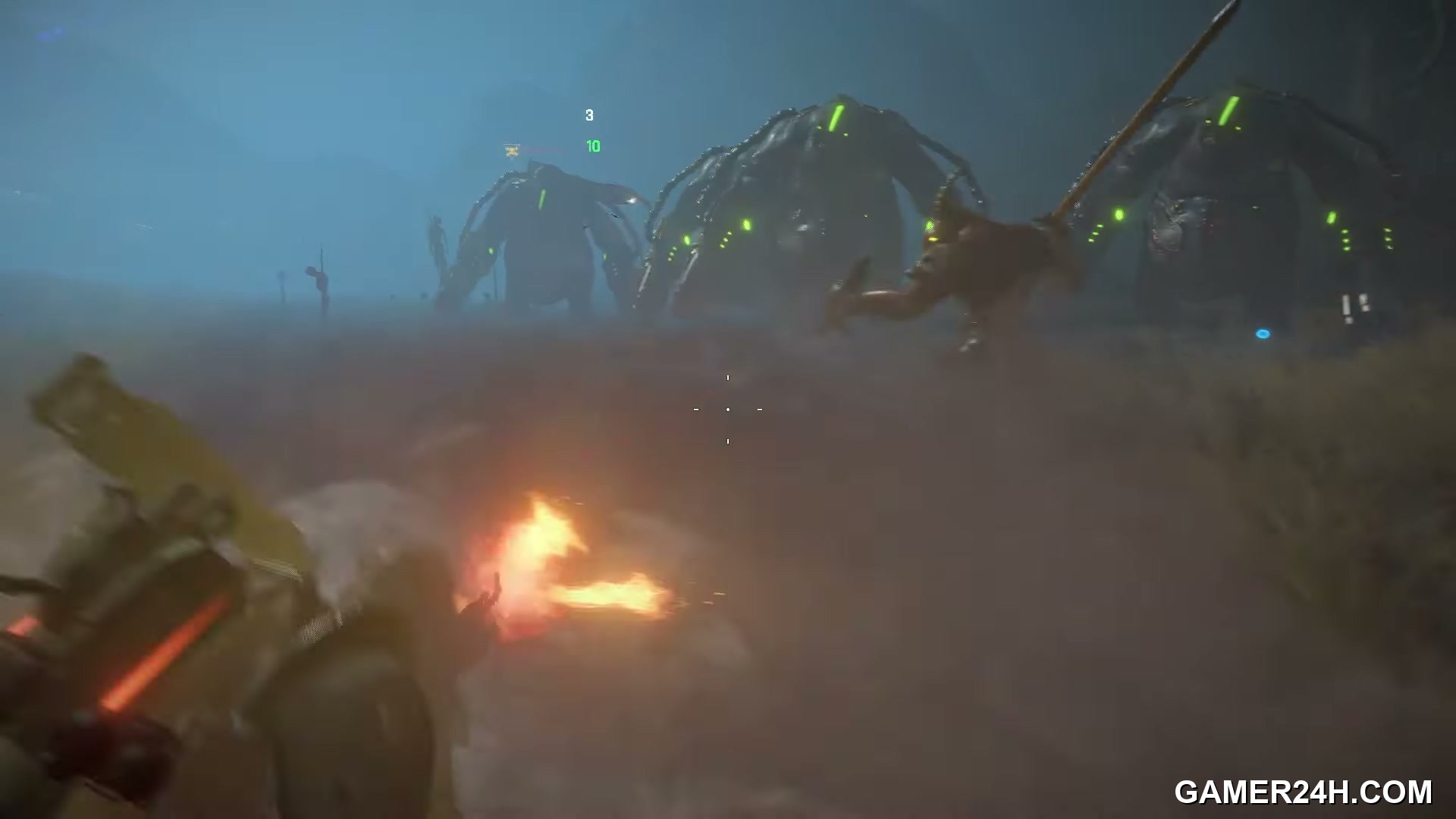
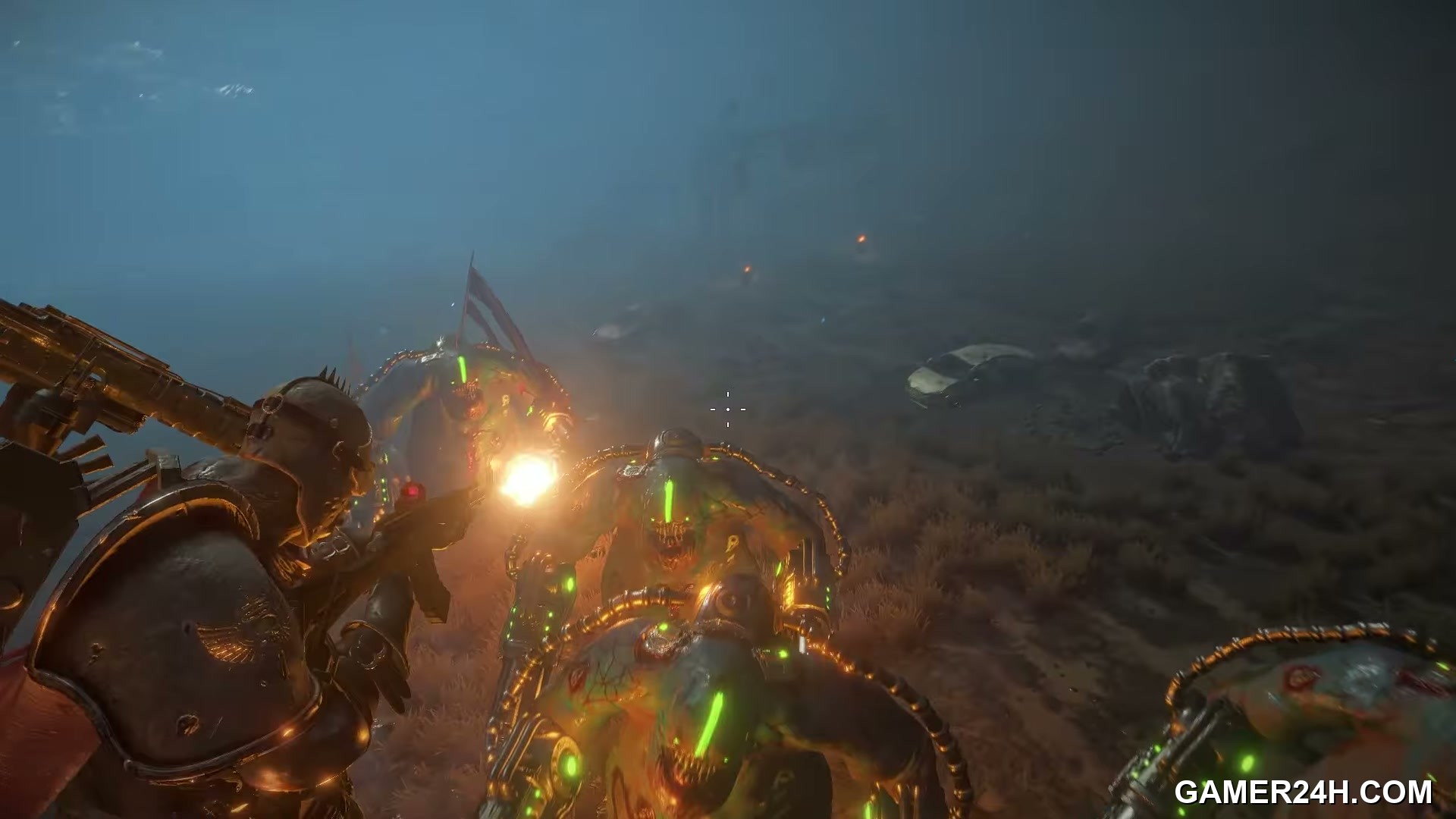
em>’s visual design is nothing short of breathtaking, leveraging the power of Unreal Engine 5 to create a stunningly immersive world. From the neon-lit corridors of The Architects’ headquarters to the dimly lit, rain-soaked streets outside, every environment exudes atmosphere and detail.
The use of cutting-edge lighting techniques such as Global Illumination (GI) and Lightmass ensures that shadows are cast realistically, enhancing both the ambiance and the tactical depth. Players will find themselves constantly scanning their surroundings for cover, taking advantage of flickering lights to remain unseen or using environmental props like crates and barriers to block line-of-sight.
Furthermore, character models are meticulously crafted with a focus on realism, featuring lifelike textures, dynamic animations, and expressive facial features that convey emotion even in the most intense moments. The game’s attention to detail extends beyond its characters, incorporating interactive elements such as destructible objects, dynamic weather effects, and reactive AI behavior.
The result is not just an aesthetically pleasing experience but one that fully immerses players into the world of Dark Light: Survivor. Each corner turned reveals something new, whether it’s a hidden enemy waiting in ambush or a cleverly placed piece of environmental storytelling. This level of visual fidelity combined with an engaging narrative ensures that no two playthroughs will ever feel quite the same.
Combat & Systems: Tactical Espionage and Combat Dynamics
At its core, Dark Light: Survivor is a game about precision and strategy. Players must navigate through heavily guarded areas using stealth tactics to avoid detection while gathering crucial intelligence. This involves careful observation of enemy patrol patterns, the use of environmental cover, and timing movements to exploit AI blind spots.
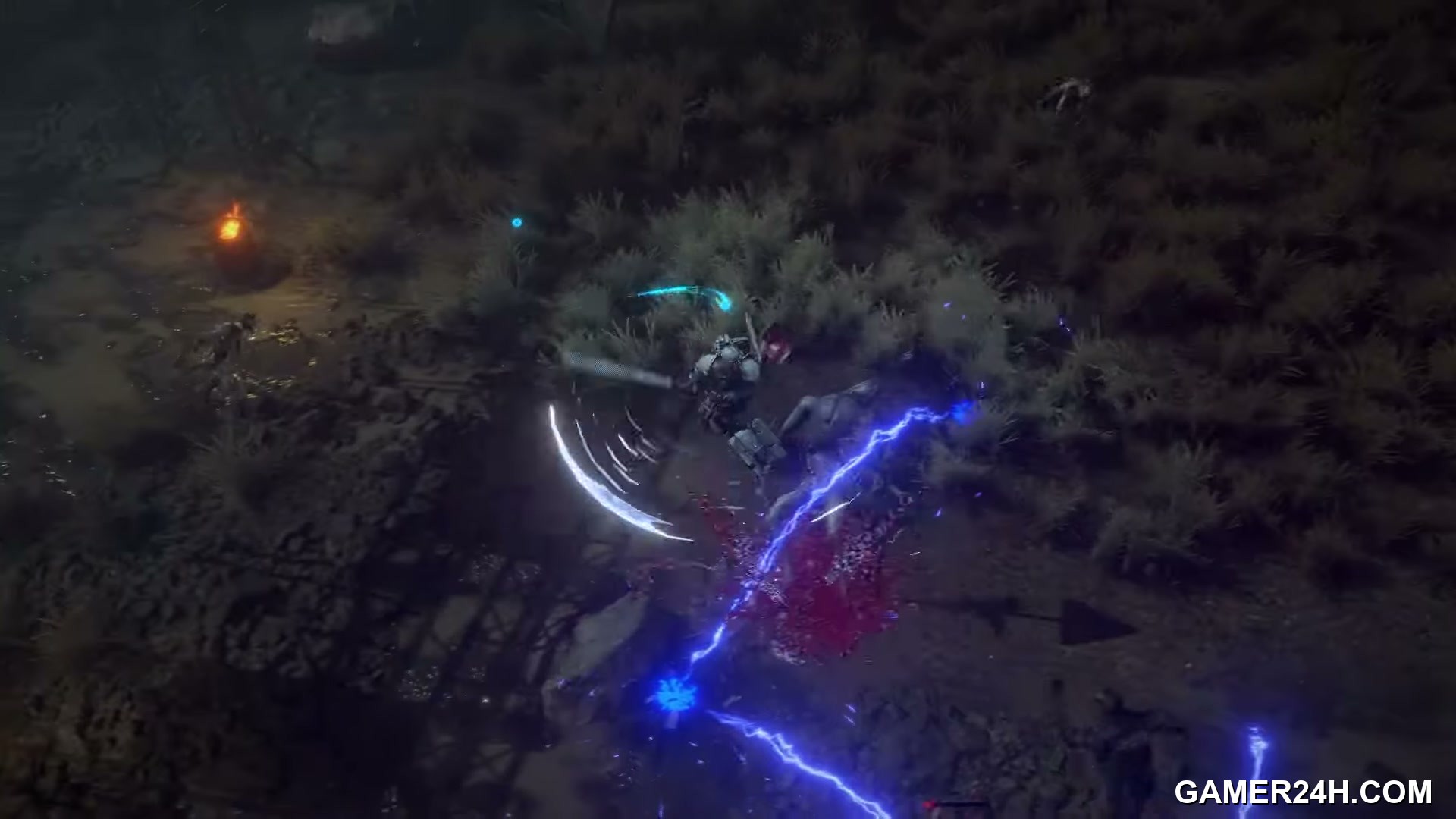
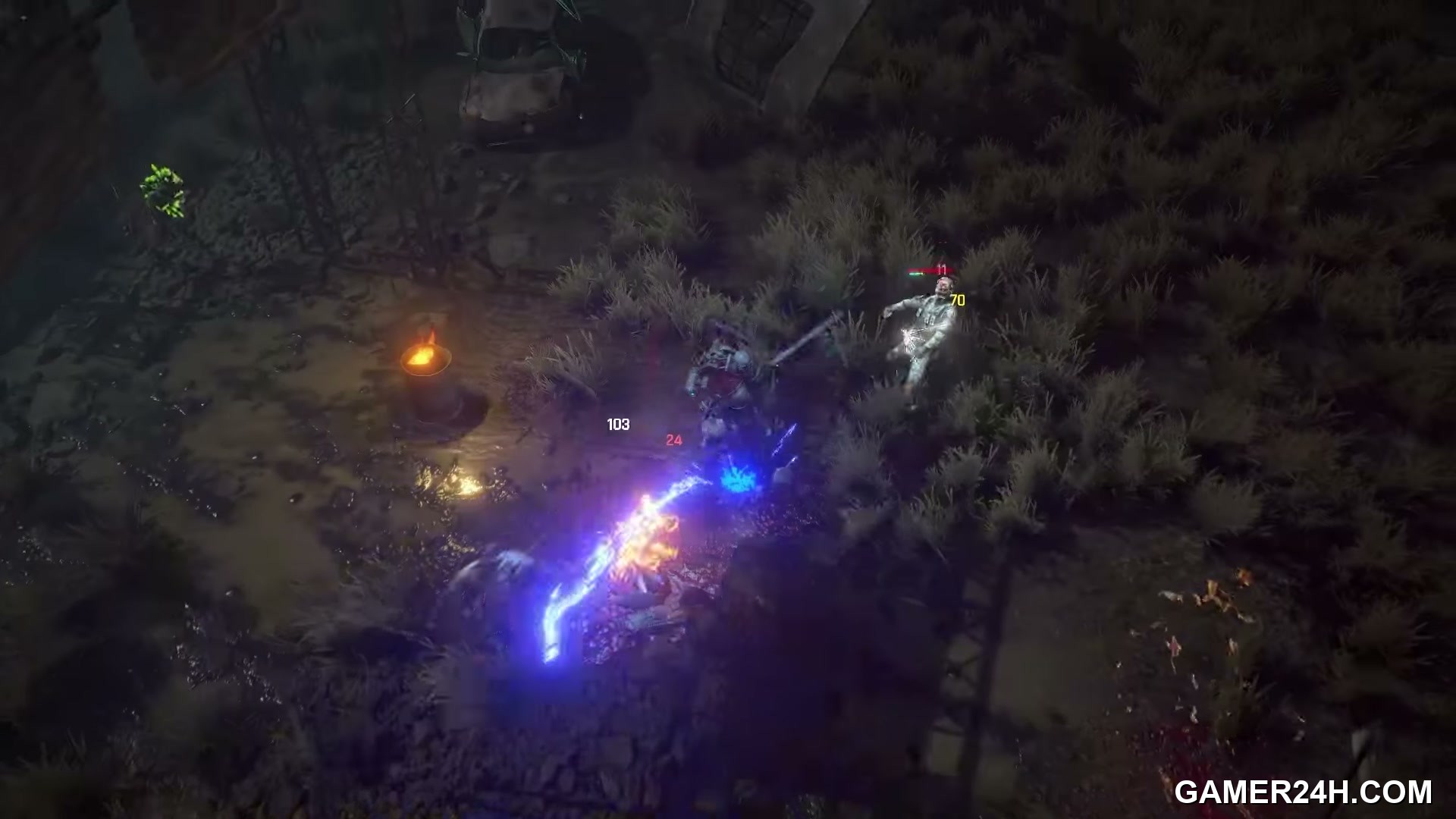
The combat system in Dark Light: Survivor is equally nuanced but leans more towards quick reflexes and tactical awareness rather than brute force. Players are equipped with a variety of tools including silenced weapons, non-lethal gadgets like flashbangs and smoke grenades, and high-tech surveillance equipment to aid in their espionage efforts.
One of the key features that sets this game apart is its dynamic AI system which reacts intelligently to player actions. Guards have different alert levels and can search for missing operatives or investigate suspicious noises. This adds a layer of unpredictability to encounters and forces players to constantly assess risks versus rewards when deciding whether to confront threats head-on or attempt stealthier approaches.
Another important aspect of gameplay is resource management. Players must carefully allocate their limited supply of ammunition, health packs, and other consumables while also prioritizing upgrades for their equipment based on mission objectives and personal playstyle preferences. This interplay between strategic planning and real-time execution creates a tense yet rewarding experience that tests both mental acuity and reflexes.
Finally, the game incorporates procedural generation elements into its level design, ensuring no two runs are identical. With each death comes new challenges and opportunities for growth, encouraging experimentation with different tactics and weapon loadouts to uncover optimal strategies.
Gameplay & Atmosphere Analysis: Portals and Tension
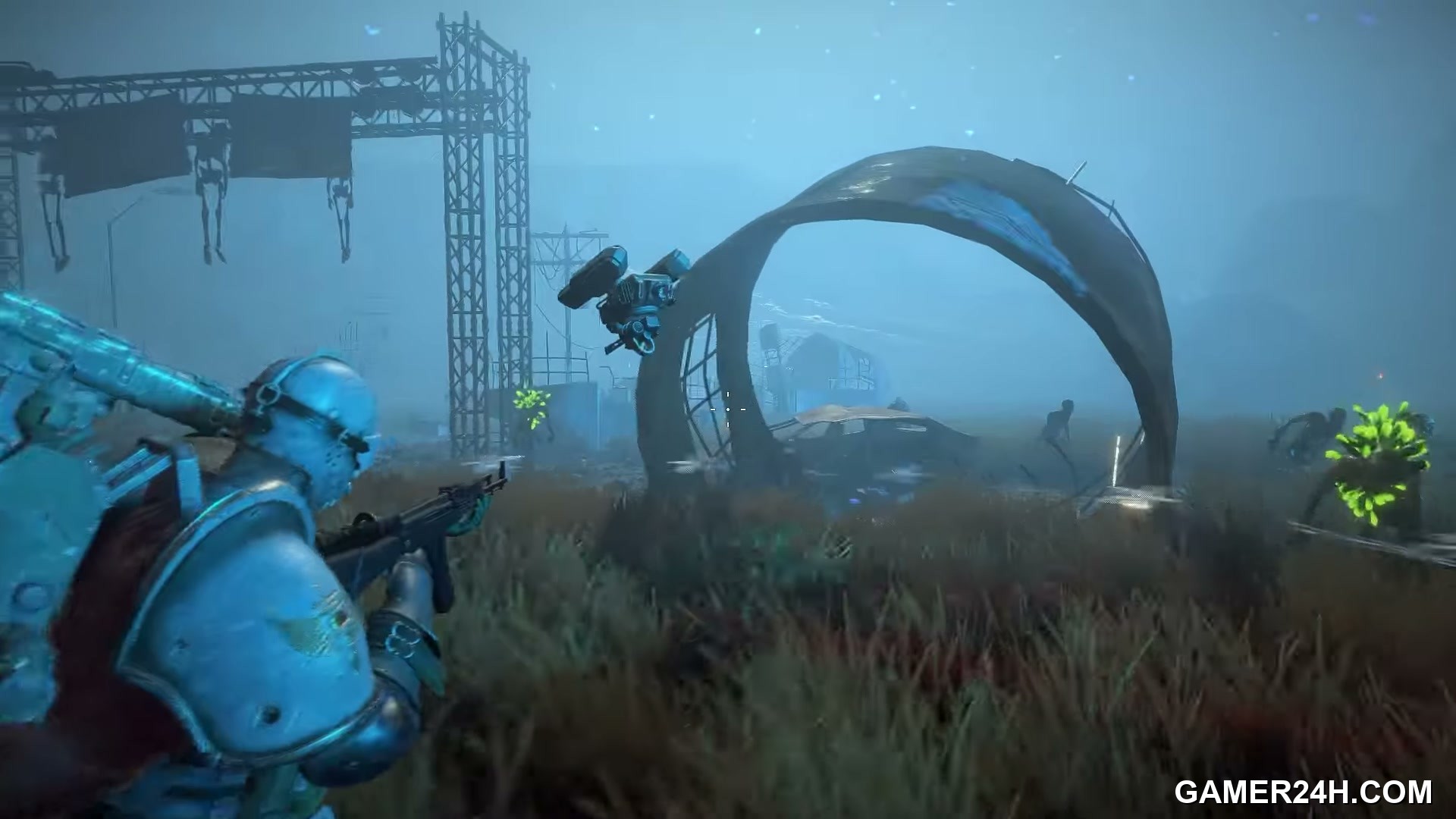
The atmosphere in Dark Light: Survivor is as integral to the experience as its gameplay mechanics. The game’s use of portals between multiple dimensions adds an extra layer of intrigue and tension, as players must navigate through shifting environments that can dramatically change with each new portal they enter.
These dimensional shifts not only introduce varied challenges but also serve as narrative devices, hinting at deeper mysteries surrounding The Architects’ true nature and Lucia’s ultimate goal. For instance, one mission might take place in a neon-lit corporate office filled with aggressive guards and security cameras, while the next could involve infiltrating an abandoned facility where hostile creatures roam freely.
The juxtaposition of these contrasting settings creates a sense of unpredictability that keeps players on edge at all times. Each environment presents unique threats and opportunities for exploration, requiring constant adaptation to prevailing conditions. The dynamic lighting effects further enhance this atmosphere by casting eerie shadows and highlighting danger zones in stark relief.
Moreover, the game’s sound design plays a crucial role in setting the tone and informing player decisions. From the subtle hum of security systems to the sudden burst of gunfire or alarm sirens, every auditory cue serves as both warning and opportunity. Players must learn to interpret these sounds within the context of their surroundings to successfully complete missions.
In essence, Dark Light: Survivor masterfully blends its gameplay mechanics with atmospheric design elements to create an immersive experience that challenges players intellectually while maintaining a high level of engagement through visual and auditory cues. The combination of stealth-based infiltration, real-time combat dynamics, and environmental storytelling culminates in a game that is not just about surviving but thriving amidst chaos.
Narrative & Characters: The Architects’ Mystery and Lucia’s Mission
The narrative framework of Dark Light: Survivor revolves around the enigmatic figure known as The Architects, an organization shrouded in mystery whose influence extends across multiple dimensions. Players take on the role of Lucia, a skilled operative tasked with dismantling this powerful entity from within.
Lucia’s journey is one of personal and professional growth, driven by both duty to her superiors and a growing sense of responsibility towards those affected by The Architects’ machinations. Her character arc involves navigating complex ethical dilemmas, forming alliances across different realms, and uncovering hidden truths about the organization’s origins and objectives.
Throughout the game, players encounter various secondary characters who add depth to the story through their interactions with Lucia. These individuals range from fellow agents and double-agents within The Architects’ ranks to sympathetic civilians caught in crossfire. Each character brings unique perspectives and motivations that enrich the overall narrative tapestry.
Additionally, the storytelling is interspersed with cutscenes and interactive dialogue options that influence how players perceive Lucia’s mission and its broader implications. Choices made during these moments can alter outcomes significantly, providing multiple pathways through which the story unfolds based on player actions and preferences.
The overarching mystery surrounding The Architects serves as a compelling catalyst for exploration and discovery. As Lucia delves deeper into their operations, she uncovers a web of interconnected secrets tied to cosmic forces beyond comprehension. This intricate plotline challenges players intellectually while keeping them engaged with a narrative that is both thought-provoking and emotionally resonant.
In summary, Dark Light: Survivor‘s narrative offers a rich tapestry of character development, ethical dilemmas, and cosmic mysteries wrapped around the central theme of espionage and survival. Through its complex characters and evolving storyline, it delivers an engaging and immersive experience that leaves players questioning what they know about their world and those within it.
Acoustic Preservation / Audio Design: Sounds of Silence and Combat
The audio design in Dark Light: Survivor plays a crucial role in enhancing the game’s atmosphere and gameplay mechanics. From the subtle hum of surveillance systems to the deafening blast of gunfire, every sound contributes to an immersive experience that heightens tension and informs player decisions.
One of the most striking aspects is the use of silence. In many stealth-based scenarios, players must rely on their ears as much as their eyes. The absence of noise can indicate safe passage or the presence of hidden dangers waiting in the shadows. This auditory interplay between sound and silence creates a heightened sense of awareness that is essential for successful infiltration.
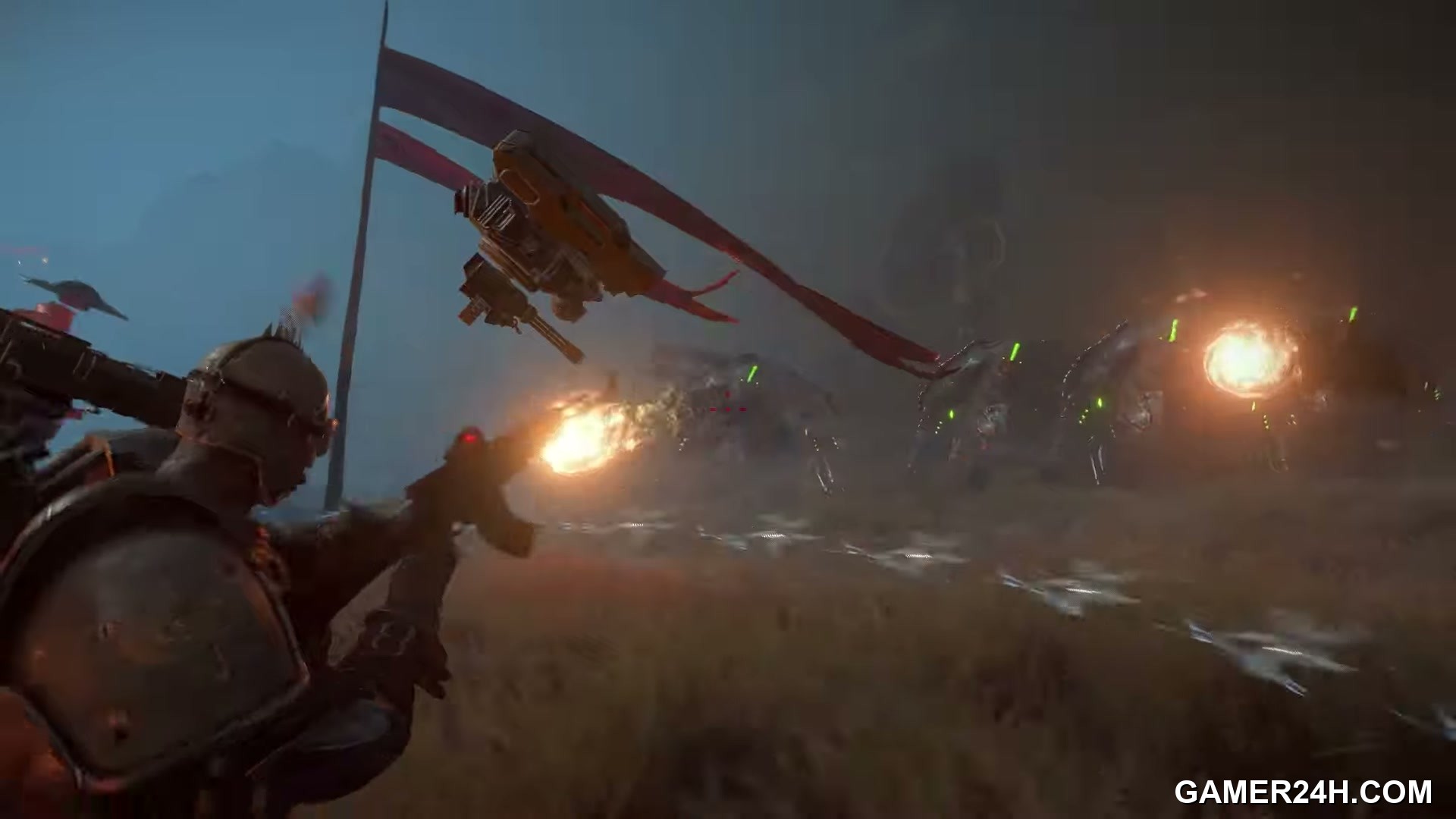
Combat sequences are equally well-crafted, featuring visceral audio cues that emphasize the intensity of exchanges. Explosive impacts, screeching metal from sliding doors, and rapid gunfire create an adrenaline-pumping soundscape that complements visual effects perfectly. The game also incorporates dynamic audio feedback such as environmental reverberations and directional sound effects to provide spatial awareness during combat encounters.
Furthermore, character-specific vocalizations add personality and emotion to interactions within the narrative-driven elements of the game. From tense dialogue exchanges to moments of triumph or despair, these voice performances contribute significantly to emotional engagement with Lucia’s story and the broader cast of characters.
The combination of intricate ambient sounds, precise combat effects, and emotive vocal work results in an audio landscape that is both immersive and informative. It serves not only as a backdrop but also as an integral part of gameplay mechanics, making Dark Light: Survivor a standout title in terms of auditory preservation.
Critical Reception: Expectations and First Impressions
As anticipation builds for the release of Dark Light: Survivor, industry analysts and gaming enthusiasts alike are eagerly speculating about its potential impact on both the stealth genre and broader action-adventure market. Initial reviews from beta testers have been overwhelmingly positive, highlighting the game’s innovative blend of tactical espionage mechanics with roguelike elements.
Critics praise Dark Light: Survivor‘s visual fidelity and atmospheric design as key selling points, noting its ability to create immersive environments that effectively convey tension and urgency. The dynamic AI system has also received high marks for adding an extra layer of challenge and unpredictability to stealth missions.
However, some early feedback suggests that the steep learning curve associated with mastering combat and stealth mechanics may deter less experienced players initially. Balancing accessibility with depth remains a critical consideration as developers continue refining gameplay balance ahead of launch.
The narrative-driven aspects of Dark Light: Survivor, including its deep character development and intricate plot twists, are particularly well-received by fans of story-focused titles. Engaging storytelling combined with strategic gameplay ensures that players remain invested in Lucia’s journey throughout their adventure.
In conclusion, the critical reception indicates strong anticipation for Dark Light: Survivor‘s release, praising its innovative approach to stealth and survival gaming while acknowledging potential challenges related to accessibility. As more gamers get hands-on experience leading up to launch day, further insights will undoubtedly shape overall perceptions of this highly anticipated title.
Conclusion: The Vanguard of Next-Gen Action
In summation, Dark Light: Survivor emerges as a groundbreaking entry in the action-adventure genre, seamlessly blending stealth espionage with roguelike mechanics to create an unparalleled gaming experience. Its stunning visuals, intricate gameplay systems, and compelling narrative combine to offer players both challenge and reward on multiple levels.
With its meticulous attention to detail in every aspect—from atmospheric design to audio feedback—Dark Light: Survivor sets itself apart as a true vanguard of next-generation action titles. By pushing the boundaries of what is possible with Unreal Engine 5, Mirari & Co. have crafted an immersive world that invites players into a realm where strategy meets suspense.
As gamers eagerly await its release, there is no doubt that Dark Light: Survivor will leave a lasting impression on both casual and hardcore fans alike, marking it as a must-play title for anyone seeking unparalleled immersion in the stealth espionage genre.
.single-share-action-btn:hover { transform: translateY(-2px); box-shadow: 0 6px 20px rgba(37, 99, 235, 0.4) !important; background: linear-gradient(135deg, #0369a1 0%, #1d4ed8 50%, #4338ca 100%) !important; } .single-share-action-btn:active { transform: translateY(0); box-shadow: 0 2px 8px rgba(37, 99, 235, 0.2) !important; } .share-section, .entry-share, .post-share-bar { display: none !important; }Gallery





No comments