

About this game
Introduction: The Next Chapter for Danger from the Deep
Danger from the Deep (DftD) stands as a testament to the enduring appeal of historical simulation, specifically focusing on the challenging and often perilous world of German U-boats during World War II. This open-source project, born in 2003, has cultivated a dedicated community drawn to its commitment to technical accuracy and immersive gameplay. While development has been intermittent, the game’s unique blend of historical fidelity and accessible mechanics continues to attract players seeking an authentic submarine warfare experience. The project’s longevity is remarkable, fueled by passionate developers and a loyal player base eager for new features and improvements. This deep dive will explore the various facets that make Danger from the Deep a compelling simulation title.
Visual Direction and Graphics Engineering
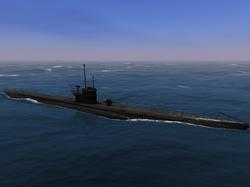
Given its age and open-source nature, Danger from the Deep’s visual presentation reflects the technological limitations of its era. The game leverages OpenGL 1.5 (with recommendations for greater versions) to render environments and submarine interiors. While not boasting cutting-edge graphics by today’s standards, the developers have focused on creating a sense of claustrophobia and realism within the U-boat environment. Textures are functional rather than photorealistic, prioritizing clarity and readability of vital information displayed on control panels. The visual style aims for authenticity, replicating the look and feel of period equipment and environments. shows an example of the game’s interior rendering, highlighting the focus on functionality over high-fidelity graphics.
Gameplay Mechanics and Core Systems
The core gameplay loop in Danger from the Deep revolves around managing all aspects of a U-boat operation, from navigation and damage control to crew management and combat. Players must contend with limited resources, constant threats from enemy ships and submarines, and the ever-present danger of depth charges. The game features realistic sonar systems, requiring players to interpret acoustic data to locate targets. Damage models are intricate, simulating the effects of torpedo hits and other forms of attack on the submarine’s structural integrity and functionality. Crew management is also a key element, as the well-being and morale of the crew directly impact the U-boat’s performance. The game strives for a balance between accessibility and complexity, allowing both casual players and hardcore simulation enthusiasts to find enjoyment.
Level Design and World Atmosphere
Danger from the Deep aims to recreate historically accurate depictions of various operational areas during World War II. While not featuring vast open worlds, the game focuses on creating immersive environments within the confines of the U-boat itself and in the surrounding ocean depths. The level design emphasizes realism, with attention paid to details such as water temperature, salinity, and underwater currents. The game’s atmosphere is one of tension and suspense, reflecting the dangerous nature of submarine warfare. The limited visibility and constant threat of attack contribute to a feeling of vulnerability and isolation. illustrates a typical gameplay scenario, showcasing the player’s perspective as they navigate through enemy waters.
Narrative Depth and Character Profiles
While not explicitly narrative-driven in the traditional sense, Danger from the Deep offers glimpses into the lives of the crew members serving aboard the U-boat. Through radio transmissions, log entries, and occasional interactions, players gain insights into their personalities, motivations, and experiences during wartime. The game’s historical context provides a backdrop for these individual stories, adding depth and meaning to the gameplay experience. While not featuring elaborate character arcs or cinematic cutscenes, Danger from the Deep subtly weaves narrative elements into the simulation, enhancing its immersive qualities.
Sound Design and Acoustic Realism
The sound design in Danger from the Deep plays a crucial role in creating an authentic and immersive experience. The game features realistic sonar pings, engine noises, creaking hull sounds, and the ever-present threat of depth charge explosions. These audio cues provide players with vital information about their surroundings and contribute to the overall sense of tension and suspense. The sound design is carefully crafted to replicate the acoustic environment within a U-boat, enhancing the player’s connection to the simulation.
Release Expectations and Community Hype
Given its open-source nature and intermittent development cycle, predicting the future release expectations for Danger from the Deep is challenging. However, the game’s dedicated community remains active, contributing bug fixes, new features, and ongoing support. The project’s longevity speaks volumes about the passion of its developers and players. While a major overhaul or complete re-release may not be on the immediate horizon, continued incremental improvements and enhancements are likely to keep the game alive and thriving for years to come.
showcases gameplay footage and highlights community contributions.
Conclusion: The Future of Danger from the Deep
Danger from the Deep stands as a unique and enduring example of open-source game development. Its commitment to historical accuracy, combined with its accessible gameplay mechanics, has cultivated a dedicated community that continues to support and enhance the project. While not boasting cutting-edge graphics or elaborate narratives, the game’s immersive qualities and authentic simulation experience make it a compelling choice for players seeking a challenging and rewarding submarine warfare adventure. The future of Danger from the Deep remains in the hands of its passionate community, ensuring that this enduring title will continue to sail the virtual seas for years to come.
Source: Wikipedia
Gallery


Join the conversation