

このゲームについて
Introduction: The Next Chapter for Crusader Kings
Crusader Kings, a cornerstone of the grand strategy genre, has captivated players for nearly two decades. Developed by Paradox 開発 Studio and published initially in 2004, the franchise has evolved from its humble beginnings to become a sprawling dynasty simulator that blends intricate political maneuvering with emergent storytelling. This deep-dive review will dissect Crusader Kings, examining its core mechanics, visual presentation, narrative depth, and overall impact on the gaming landscape. We’re not just looking at a game; we’re analyzing a phenomenon.
Visual Direction and Graphics Engineering
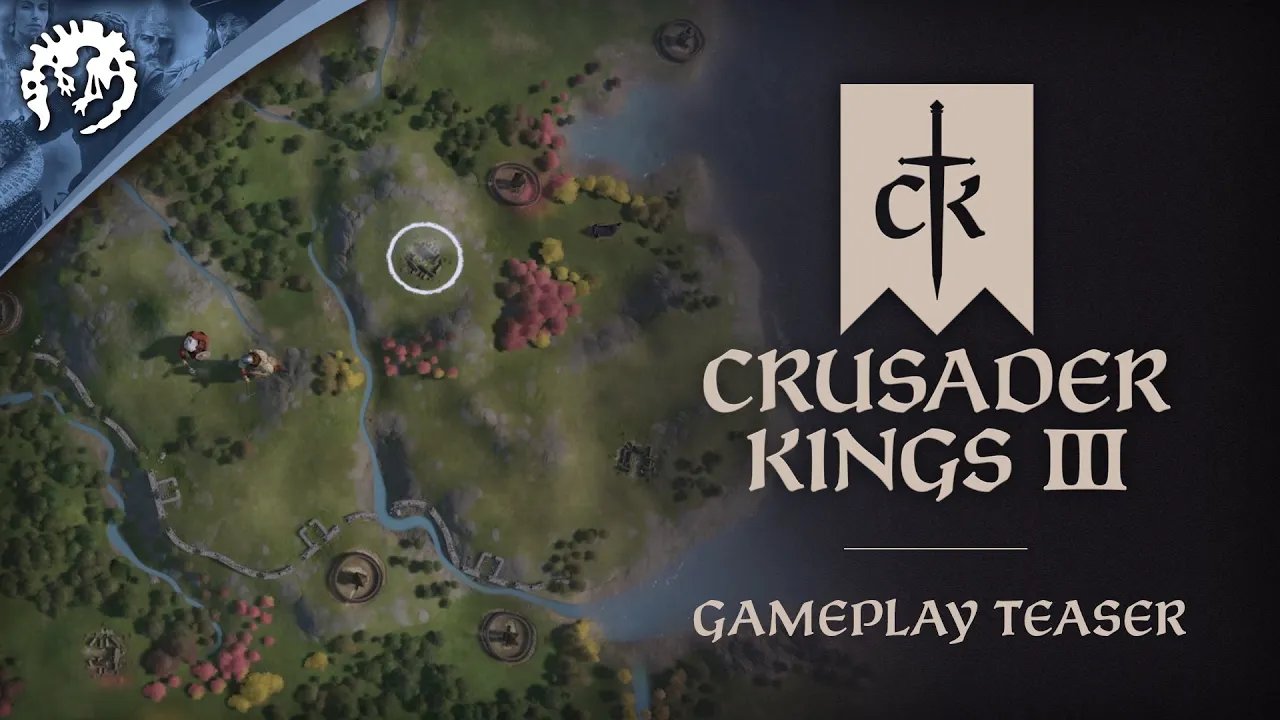
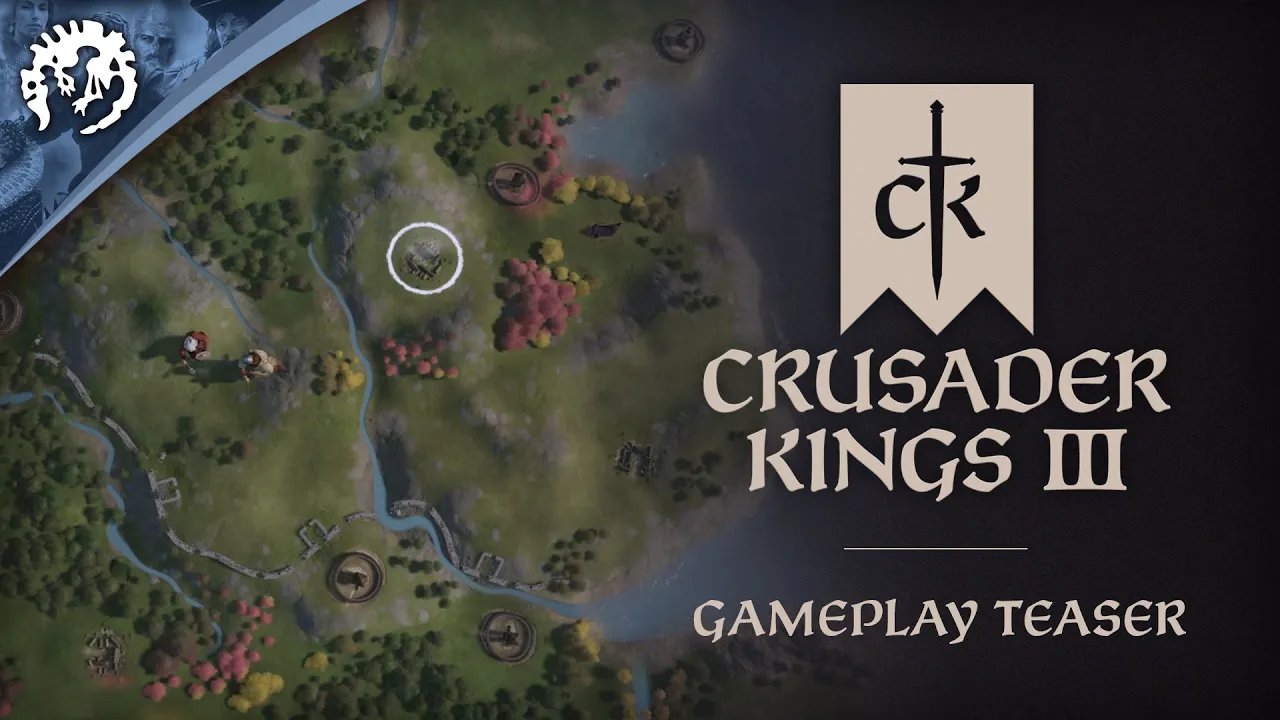
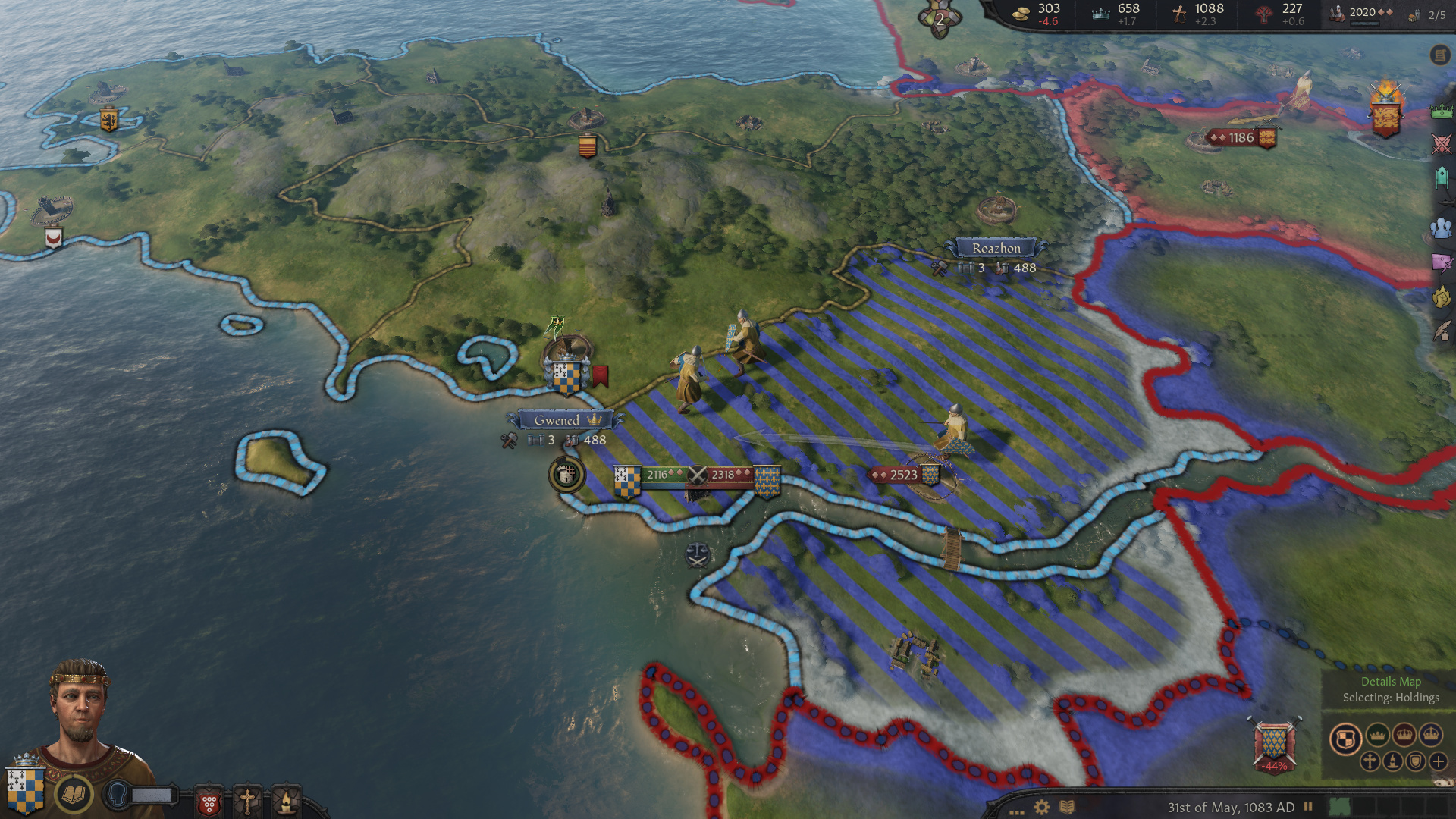
While Crusader Kings isn’t known for pushing graphical boundaries, its visual style is deceptively simple yet effective. The isometric perspective provides a clear overview of the player’s realm, allowing for easy management of resources and armies. The character portraits, while stylized, convey personality and emotion, adding depth to the individuals vying for power. The Europa Engine, though dated by modern standards, has been meticulously optimized over the years to ensure smooth performance even with large empires and complex simulations. The visual direction prioritizes clarity and functionality over raw graphical fidelity, a conscious choice that aligns with the game’s strategic focus.
ゲームプレイ Mechanics and Core Systems
At its heart, Crusader Kings is a dynasty simulator where players guide their family through generations, navigating intricate webs of politics, warfare, and intrigue. The core gameplay loop revolves around managing resources, forging alliances, expanding territory, and ensuring the survival of your lineage. The game features a complex system of character traits that influence behavior and relationships, leading to unpredictable events and emergent narratives. From assassinations and rebellions to marriages and religious conversions, every decision has consequences that ripple throughout the realm. The depth of the simulation is truly remarkable, offering players an unparalleled level of control over their dynasty’s destiny.
Level Design and World Atmosphere
Crusader Kings doesn’t feature traditional “levels” in the way a platformer or shooter does. Instead, the entire map of Europe (and beyond) serves as the game world. The design focuses on creating a believable and immersive historical setting, with each region possessing unique characteristics and challenges. The atmosphere is one of constant tension and uncertainty, where alliances can shift at any moment and betrayal lurks around every corner. The game excels at recreating the political landscape of the Middle Ages, from the Holy Roman Empire to the Crusader states.
Narrative Depth and Character Profiles
What truly sets Crusader Kings apart is its unparalleled narrative depth. Every character, from kings and queens to lowly peasants, possesses a unique personality and motivations. The game uses a system of events and decisions that shape their lives and influence the course of history. These events can range from simple requests for favors to complex political intrigues, creating a constant stream of emergent storytelling. Players are not just controlling characters; they are witnessing their lives unfold in all its messy glory.
Sound Design and Acoustic Realism
The sound design in Crusader Kings complements the visual presentation by providing an immersive audio experience. The soundtrack features medieval-inspired music that sets the tone for each region and event. Sound effects, such as the clash of swords and the roar of battle, add to the sense of realism. While not a primary focus, the audio elements contribute significantly to the overall atmosphere.
Release Expectations and Community Hype
The release of Crusader Kings III was met with immense anticipation from both long-time fans and newcomers alike. The game promised to build upon the foundations laid by its predecessors while introducing new features and improvements. The community’s enthusiasm was palpable, fueled by years of speculation and leaked information. The hype surrounding the release was a testament to the enduring popularity of the Crusader Kings franchise.
Conclusion: The Future of Crusader Kings
Crusader Kings is more than just a game; it’s a historical simulation that allows players to experience the complexities of medieval politics and dynasty management. Its intricate gameplay mechanics, emergent storytelling, and enduring popularity have cemented its place as a cornerstone of the grand strategy genre.
The future of Crusader Kings looks bright, with ongoing development and expansions promising even more depth and complexity for years to come. It’s a game that rewards patience, strategic thinking, and a willingness to embrace the unpredictable nature of history.
Source: Wikipedia
ギャラリー

会話に参加する