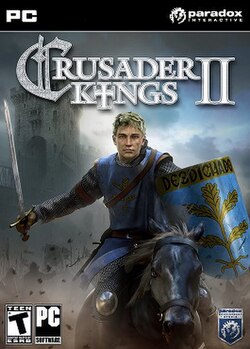
Introduction: The Next Chapter for Crusader Kings II
Crusader Kings II, a grand strategy title developed by Paradox Development Studio and published by Paradox Interactive, represents more than just a sequel; it’s a testament to the enduring appeal of dynasty management and medieval intrigue. Released in 2012, it built upon the foundation laid by its predecessor while introducing significant improvements to gameplay, graphics, and overall player experience. While Crusader Kings III has since taken center stage, understanding CKII is crucial for appreciating the evolution of the franchise and its lasting impact on the strategy game genre. This deep-dive review will explore every facet of this historical masterpiece, from its visual direction to its intricate gameplay mechanics.
Visual Direction and Graphics Engineering
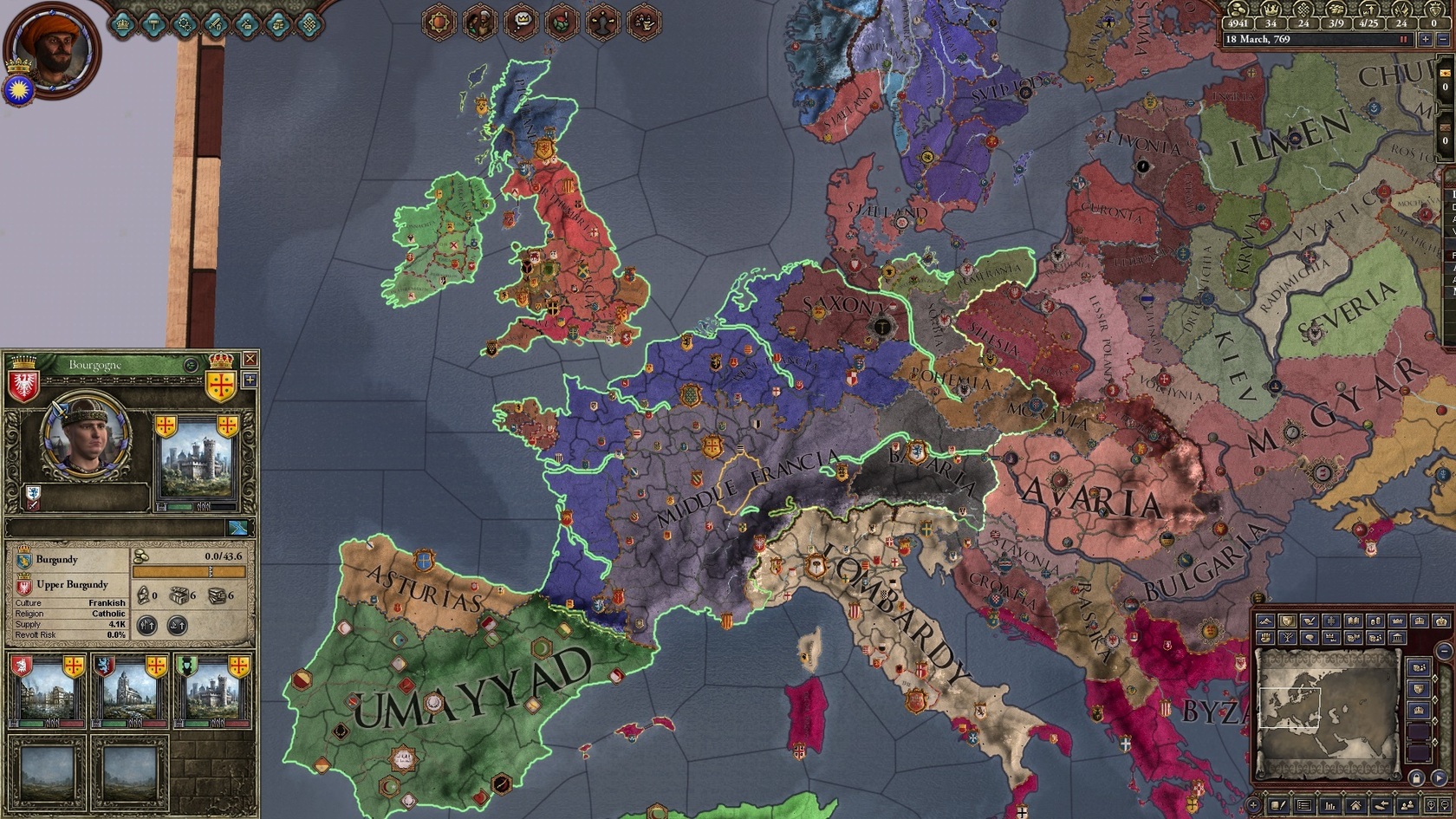
While not a graphical powerhouse by modern standards, Crusader Kings II boasts a distinctive art style that effectively conveys the atmosphere of the Middle Ages. The game utilizes a combination of 2D maps with detailed regional representations and stylized character portraits. These portraits, in particular, are iconic, offering glimpses into the personalities and ambitions of the rulers you control. The visual design prioritizes clarity and information density, ensuring that players can easily interpret the complex political landscape. While the engine is proprietary and not as advanced as some contemporaries, it’s optimized for performance, allowing even older systems to run the game smoothly. The map design, while stylized, provides a good overview of territories and strategic locations.
Gameplay Mechanics and Core Systems
The core gameplay loop revolves around managing your dynasty through generations. You control characters, forge alliances through marriage, wage wars, engage in diplomacy, and even resort to assassination when necessary. The game features a complex web of interconnected systems, including inheritance laws, religious doctrines, cultural influences, and character traits that significantly impact gameplay. One of the most compelling aspects is the “character-driven” narrative; your rulers have distinct personalities, ambitions, and flaws that shape their actions and influence the course of history. This focus on individual characters adds a layer of unpredictability and emergent storytelling that sets Crusader Kings II apart from other strategy games. The game’s depth lies in its ability to simulate the complexities of medieval politics and society, offering players unparalleled freedom to forge their own historical narratives.
Level Design and World Atmosphere
Crusader Kings II doesn’t feature traditional “levels” but rather a vast and detailed map of Europe, North Africa, and parts of Asia. This expansive world is divided into numerous counties, duchies, kingdoms, and empires, each with its own unique characteristics and challenges. The game effectively captures the atmosphere of the Middle Ages through its visual design, music, and historical events. From the bustling cities to the remote wilderness regions, each location feels distinct and contributes to the overall sense of immersion. The map itself is a crucial element of the gameplay, providing players with a strategic overview of their surroundings and highlighting potential threats and opportunities.
Narrative Depth and Character Profiles
The narrative depth in Crusader Kings II is truly remarkable. Every character has a backstory, personality traits, ambitions, and relationships that influence their actions and interactions. The game generates countless emergent stories based on these factors, creating a dynamic and unpredictable experience. You might encounter ambitious vassals plotting against you, religious zealots seeking to spread their faith, or cunning rivals vying for power.
These characters are not just static entities; they evolve over time, developing new traits, forming alliances, and pursuing their own agendas. This focus on character-driven narratives is a key element of the game’s appeal, offering players countless opportunities to create their own unique historical sagas.
Sound Design and Acoustic Realism
The sound design in Crusader Kings II complements the visual presentation effectively. The soundtrack features medieval-inspired music that sets the tone for each region and event. Sound effects are used sparingly but add to the overall sense of immersion, from the clash of swords during battles to the subtle sounds of courtly life. While not as sophisticated as some modern games, the audio design is well-integrated and contributes to the game’s atmosphere.
Release Expectations and Community Hype
Upon its release in 2012, Crusader Kings II was met with widespread critical acclaim. Players praised its depth, complexity, and emergent storytelling capabilities. The game quickly gained a dedicated following, leading to numerous expansions and downloadable content that further enriched the gameplay experience. The community surrounding Crusader Kings II is incredibly active, creating mods, sharing stories, and discussing strategies. This strong community support has helped to sustain the game’s popularity for years after its initial release.
Conclusion: The Future of Crusader Kings II
Crusader Kings II remains a landmark achievement in the strategy genre. While Crusader Kings III now represents the future of the franchise, CKII holds a special place in the hearts of many players. Its unique blend of grand strategy and character-driven narratives continues to captivate audiences, offering an unparalleled level of depth and replayability. The game’s enduring popularity is a testament to its timeless appeal and its ability to transport players back to the turbulent world of medieval Europe.
Source: Wikipedia


