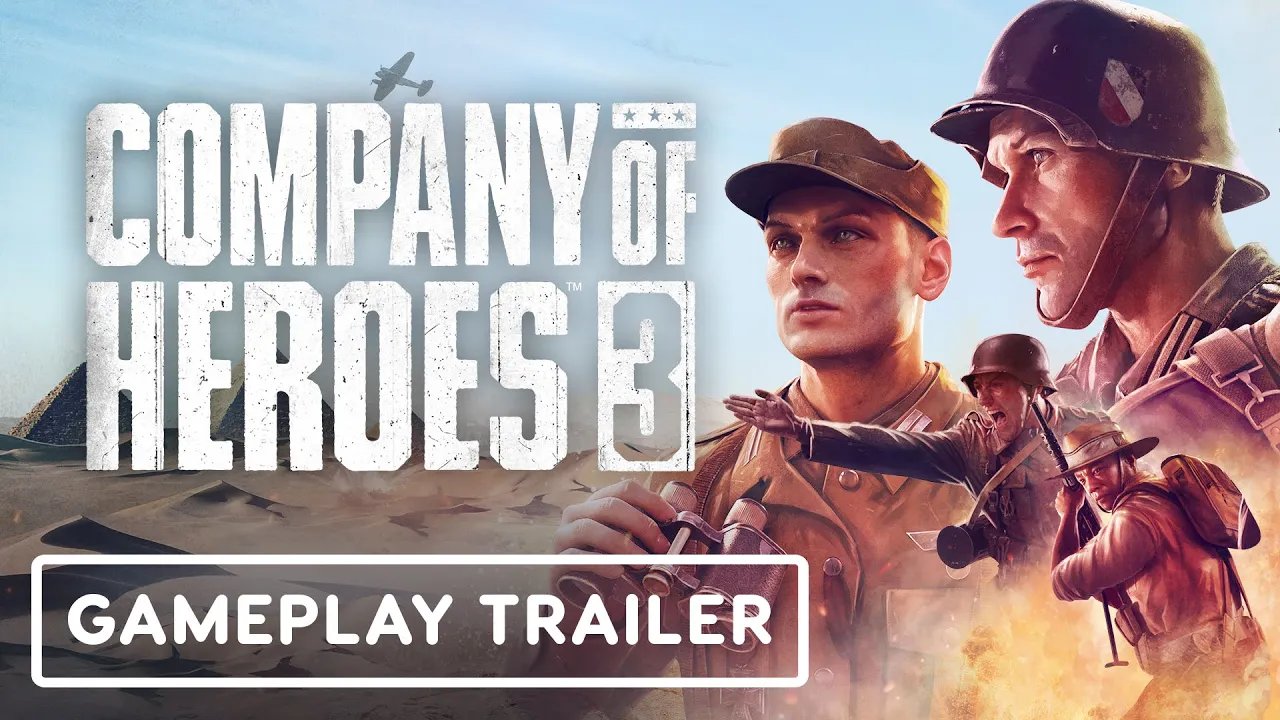
Introduction: The Next Chapter for Company of Heroes
Company of Heroes, a cornerstone of the real-time strategy genre, has consistently delivered intense tactical gameplay and immersive historical settings. Developed by Relic Entertainment and published by THQ Sega, the series stands out for its focus on squad-based combat, dynamic environments, and a commitment to portraying the brutal realities of World War II. This deep dive will explore the game’s core elements, from its groundbreaking engine to its compelling narrative, examining what makes Company of Heroes a benchmark title and speculating on its future trajectory.
Visual Direction and Graphics Engineering
The original Company of Heroes was built upon a proprietary “Next-Gen” engine, designed to deliver detailed environments and realistic character models for the time. While specific technical details are scarce due to the age of the technology, it’s clear that Relic prioritized visual fidelity to enhance immersion. The game featured destructible environments, allowing players to strategically alter the battlefield. This engine innovation was crucial in creating a sense of dynamism and realism, making each battle feel unique and unpredictable. Later iterations likely benefited from iterative improvements and optimizations, but the core philosophy of prioritizing visual impact remained consistent.
Gameplay Mechanics and Core Systems
At its heart, Company of Heroes is defined by its squad-based gameplay. Players command small units, focusing on tactical positioning, cover utilization, and combined arms tactics. The “Suppression” mechanic, where enemy fire can pin down troops without causing casualties, adds a layer of strategic depth. Resource management is streamlined, allowing players to focus more on combat decisions rather than micromanaging logistics. This emphasis on tactical gameplay distinguishes Company of Heroes from other RTS titles that often rely on large-scale army compositions. The game’s AI is also noteworthy, providing a challenging and engaging experience for both single-player campaigns and multiplayer matches.
Level Design and World Atmosphere
The level design in Company of Heroes plays a critical role in establishing the atmosphere of war. Maps are meticulously crafted to reflect historical locations, from the hedgerows of Normandy to the snow-covered fields of Eastern Europe. The environments are not merely backdrops; they actively influence gameplay, providing cover, creating chokepoints, and offering strategic advantages. The dynamic weather effects further enhance the sense of realism, impacting visibility and unit performance. This attention to detail creates a truly immersive experience that transports players to the battlefields of World War II.
Narrative Depth and Character Profiles
While primarily focused on tactical gameplay, Company of Heroes also features compelling narratives. The campaigns often explore the experiences of individual soldiers and units, providing glimpses into their motivations and struggles. These stories are interwoven with historical events, adding a layer of context and meaning to the battles. While not as heavily emphasized as in some other war games, the narrative elements contribute to the overall sense of immersion and emotional impact. The game excels at portraying the human cost of war, reminding players of the sacrifices made by those who fought.
Sound Design and Acoustic Realism
The sound design in Company of Heroes is a crucial element that contributes significantly to its immersive quality. From the roar of tanks to the crackle of gunfire, every sound effect is meticulously crafted to create a realistic and visceral experience. The game also features a dynamic soundtrack that adapts to the intensity of the action, further enhancing the sense of immersion. The audio cues are also strategically used to provide players with information about enemy positions and movements, adding another layer of tactical depth.
Release Expectations and Community Hype
The release of any new installment in the Company of Heroes franchise is always met with significant anticipation from both long-time fans and newcomers alike. The community has consistently praised the series for its innovative gameplay mechanics, immersive atmosphere, and commitment to historical accuracy. Any announcement regarding a potential sequel or expansion pack generates considerable hype, as players eagerly await the opportunity to experience the next chapter in this iconic war game saga.
Conclusion: The Future of Company of Heroes
Company of Heroes remains a landmark title in the real-time strategy genre. Its focus on tactical gameplay, immersive atmosphere, and commitment to historical accuracy has earned it a dedicated following and critical acclaim. While the original games may show their age technologically, the core gameplay mechanics remain timeless. The future of the franchise hinges on Relic Entertainment’s ability to innovate while staying true to the series’ established identity. Whether through sequels, expansions, or remasters, there is undoubtedly still potential for Company of Heroes to captivate players and continue its legacy as a benchmark title in the world of war games.
Source: Wikipedia


