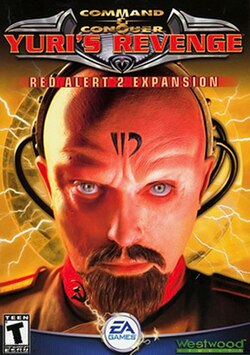
Introduction: The Next Chapter for Command & Conquer: Yuri's Revenge
Command & Conquer: Yuri's Revenge arrived in 2001 as more than just an expansion; it was a bold reimagining of the Red Alert universe, diving deeper into themes of control and free will. Developed by Westwood Studios, this title built upon the foundation laid by its predecessors, offering players a compelling narrative centered around Yuri, a formidable antagonist with plans for global domination through psychic manipulation. The game's success stemmed from its ability to enhance existing gameplay mechanics while introducing fresh ideas that resonated with both veteran fans and newcomers alike. It represented a crucial chapter in the Command & Conquer saga, solidifying its legacy as a cornerstone of real-time strategy gaming.Visual Direction and Graphics Engineering
While limited by the technology of its time, Yuri's Revenge showcased impressive visual direction for its era. The game employed a proprietary "Next-Gen" engine (though arguably not as groundbreaking as the name implied), focusing on detailed unit models and environments that conveyed a sense of scale and realism. The use of particle effects, particularly during explosions and weapon impacts, added to the visceral experience. Westwood's artists skillfully utilized color palettes to differentiate factions and create distinct visual identities for each base type. While not pushing graphical boundaries by modern standards, the game’s art style remains appealing due to its clarity and attention to detail, contributing significantly to the overall immersive quality.Gameplay Mechanics and Core Systems
Yuri's Revenge refined the core gameplay loop established in Red Alert 2. Players were presented with a familiar RTS experience: base building, resource management, unit production, and tactical combat. However, Yuri introduced unique units and abilities for both Allied and Soviet factions, adding strategic depth. The introduction of "Psychic Dominators" as a central game mechanic forced players to adapt their strategies and prioritize defense against Yuri's mind control attempts. This constant threat added a layer of tension and urgency that distinguished the gameplay from previous installments. The game also featured a robust single-player campaign with diverse missions, encouraging experimentation with different unit compositions and tactical approaches.Level Design and World Atmosphere
The level design in Yuri's Revenge was both functional and evocative. Maps were carefully crafted to provide strategic chokepoints, resource locations, and flanking opportunities. The environments ranged from the familiar landscapes of North America to more exotic locales, each contributing to the game’s overall atmosphere. Westwood Studios paid close attention to detail, incorporating visual cues and environmental storytelling elements that enriched the player's experience. Whether it was a bustling city under siege or a desolate battlefield scarred by conflict, each map felt like a living, breathing world.Narrative Depth and Character Profiles
Yuri's Revenge expanded upon the narrative established in Red Alert 2, delving deeper into the motivations of Yuri, the enigmatic antagonist. The story was presented through engaging cutscenes and in-game dialogue, providing context for the conflict and adding emotional weight to the events unfolding on screen. While not boasting a cast of deeply complex characters, the game successfully portrayed the ideological clash between freedom and control, making Yuri a compelling villain whose actions had far-reaching consequences. The story was more than just a backdrop; it was an integral part of the gameplay experience, driving players forward and providing a sense of purpose.Sound Design and Acoustic Realism
The sound design in Yuri's Revenge played a crucial role in creating an immersive and engaging experience. From the roar of tanks to the crackle of energy weapons, every sound effect was carefully crafted to provide feedback to the player and enhance the sense of realism. The soundtrack, composed by Frank Klepacki, perfectly complemented the gameplay, ranging from intense battle themes to more atmospheric pieces that underscored the narrative moments. The audio cues were also strategically used to alert players to incoming threats or highlight important events on the battlefield.Release Expectations and Community Hype
Upon its release in October 2001, Yuri's Revenge generated significant hype within the Command & Conquer community. Fans eagerly anticipated the expansion, drawn by the promise of new units, a compelling storyline centered around Yuri, and refinements to the gameplay mechanics. The game largely delivered on these expectations, earning praise for its engaging campaign, strategic depth, and overall polish. While some critics noted that it didn't fundamentally reinvent the RTS genre, it was widely considered a worthy successor to Red Alert 2 and a must-have title for fans of the series.Conclusion: The Future of Command & Conquer: Yuri's Revenge
Command & Conquer: Yuri's Revenge remains a significant entry in the Command & Conquer franchise. Its blend of familiar gameplay mechanics with innovative features, coupled with its engaging narrative and atmospheric presentation, cemented its place as a classic RTS title. While technological advancements have rendered its graphics somewhat dated by modern standards, its core gameplay loop and strategic depth continue to hold up remarkably well. [[INJECT_VIDEO]] The game serves as a testament to Westwood Studios' commitment to quality and innovation, leaving a lasting legacy within the real-time strategy genre.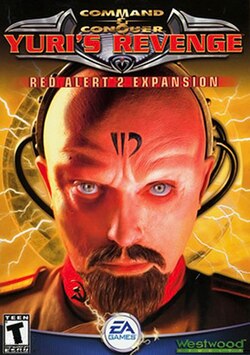
Source: Wikipedia
Google Preferred Source
Add us to your favorite news sources on Google
Get instant updates and breaking news directly in Google News