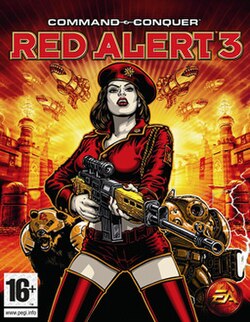
Introduction: The Next Chapter for Command & Conquer: Red Alert 3
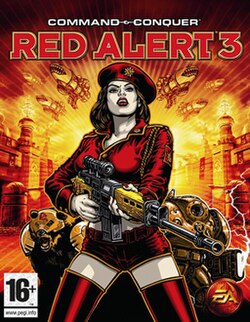
Command & Conquer: Red Alert 3 arrived in 2008 as the highly anticipated sequel to a franchise renowned for its innovative gameplay and engaging narratives. Developed by EA Los Angeles, it built upon the foundations laid by its predecessors while introducing new units, technologies, and a compelling storyline centered around an alternate history where the Soviet Union attempts to rewrite the past to secure global dominance. This Masterclass Deep-Dive will dissect every facet of Red Alert 3, from its visual design to its gameplay mechanics, offering a comprehensive analysis for seasoned gamers and aspiring game developers alike.
Visual Direction and Graphics Engineering
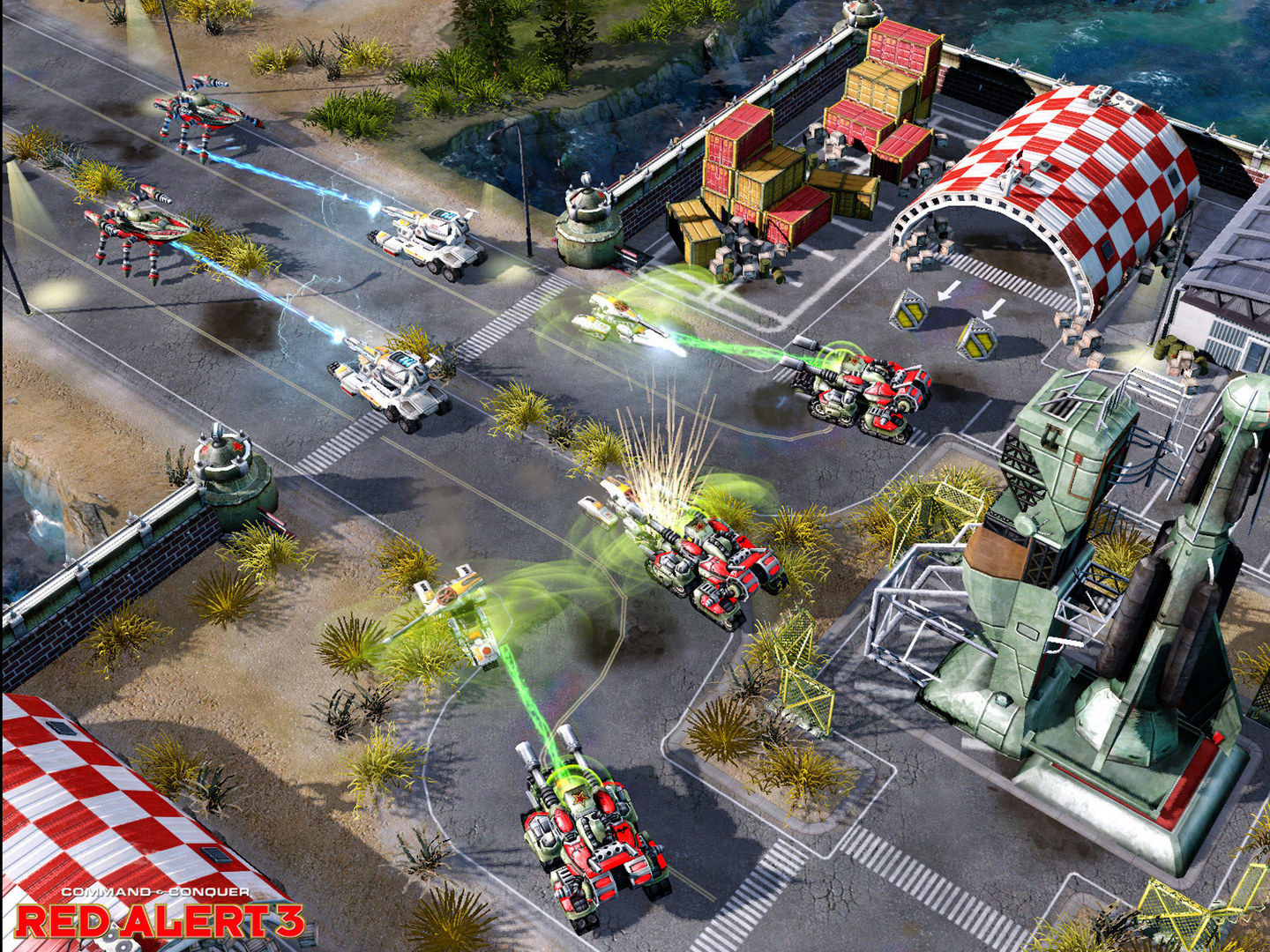
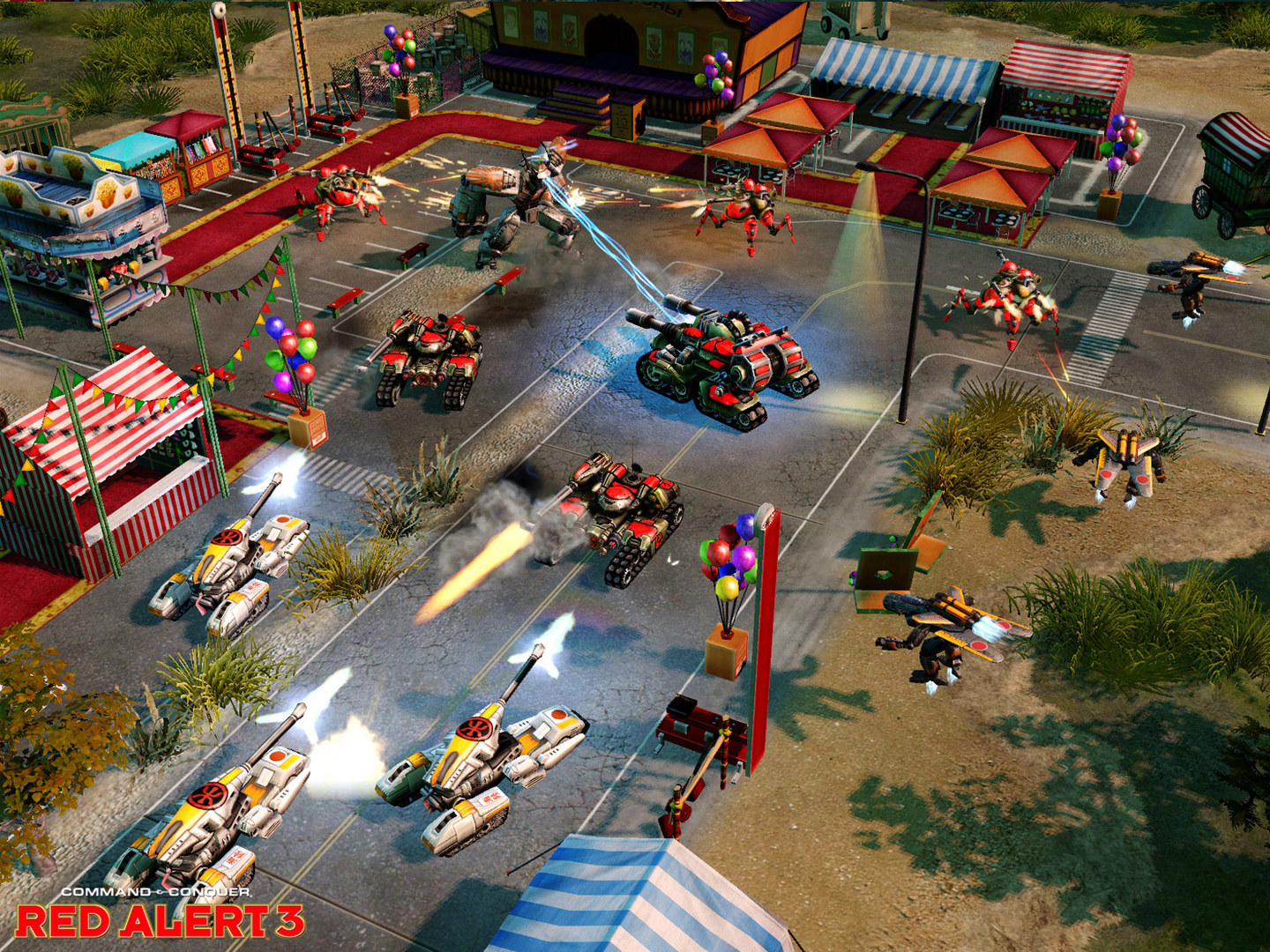
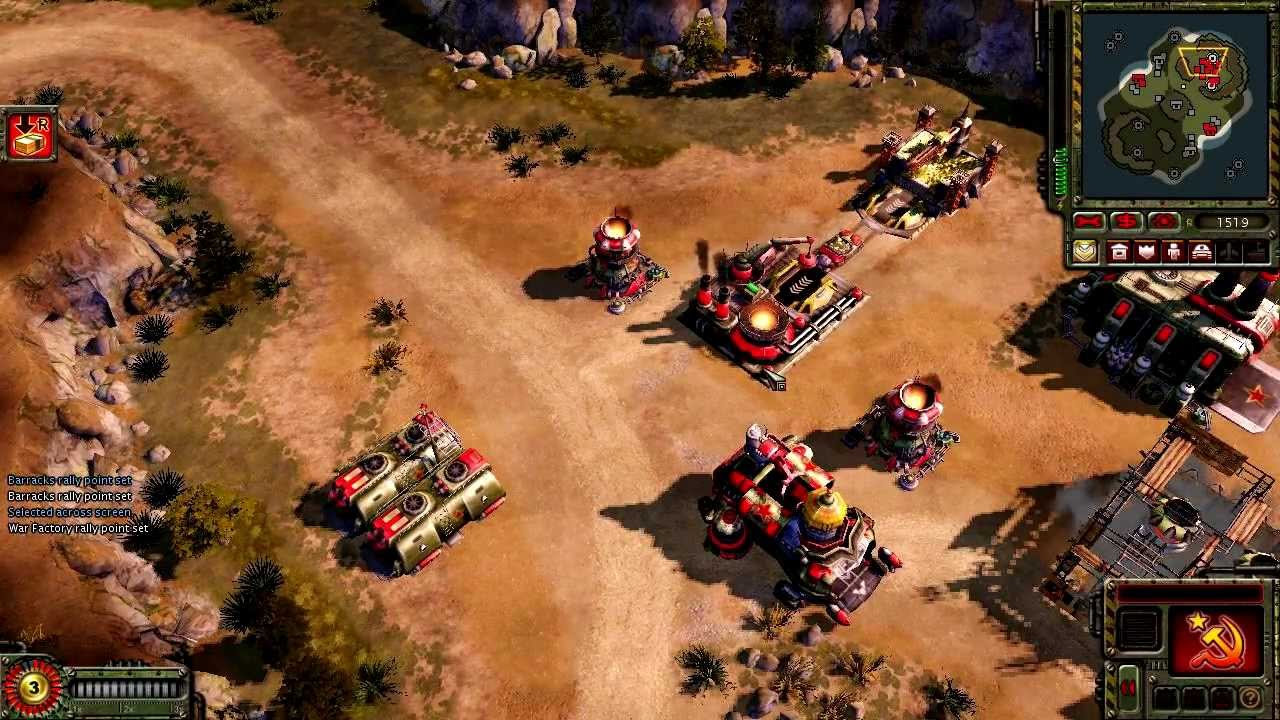
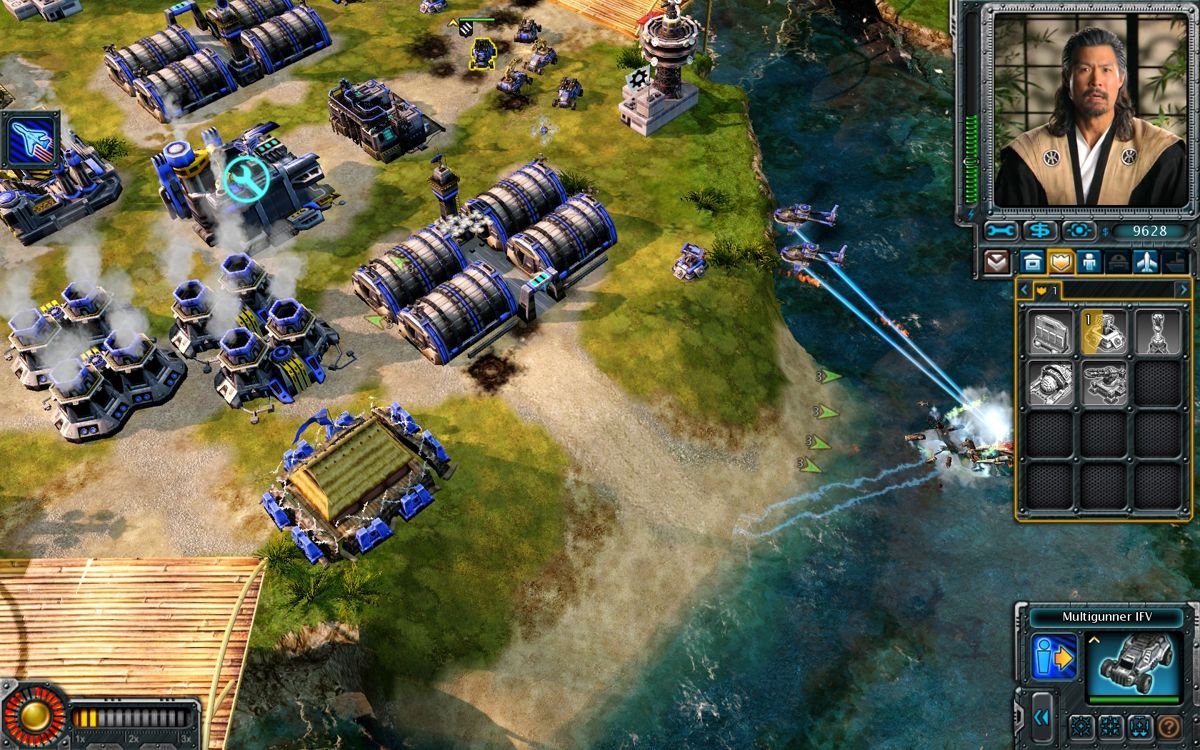
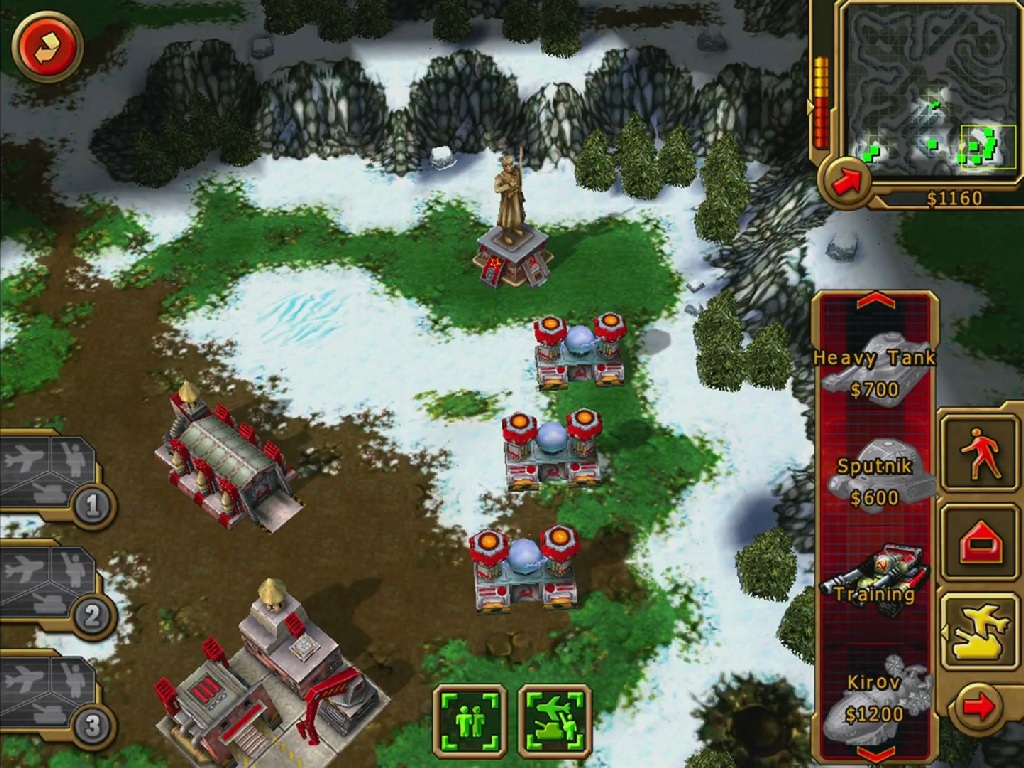
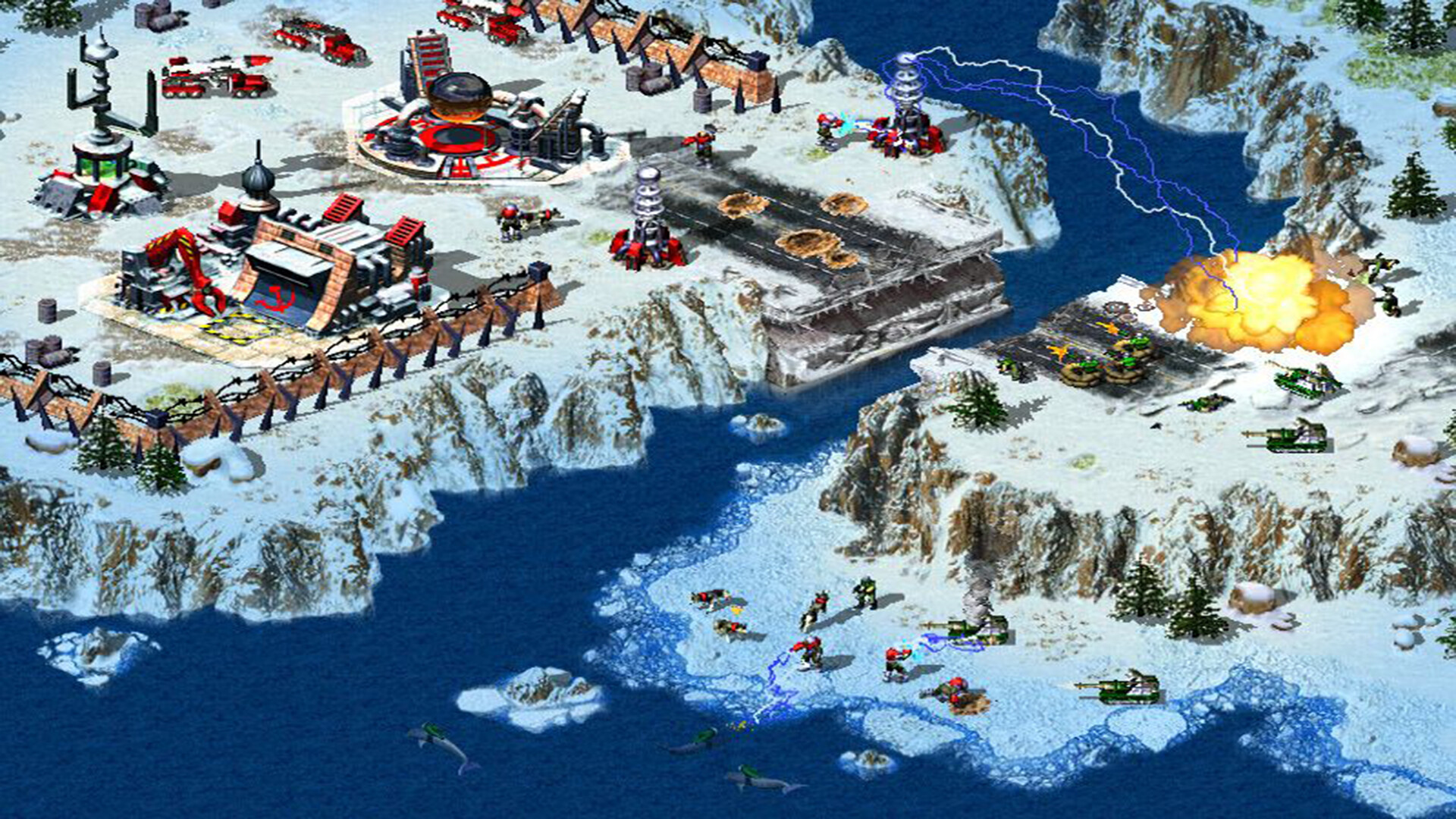
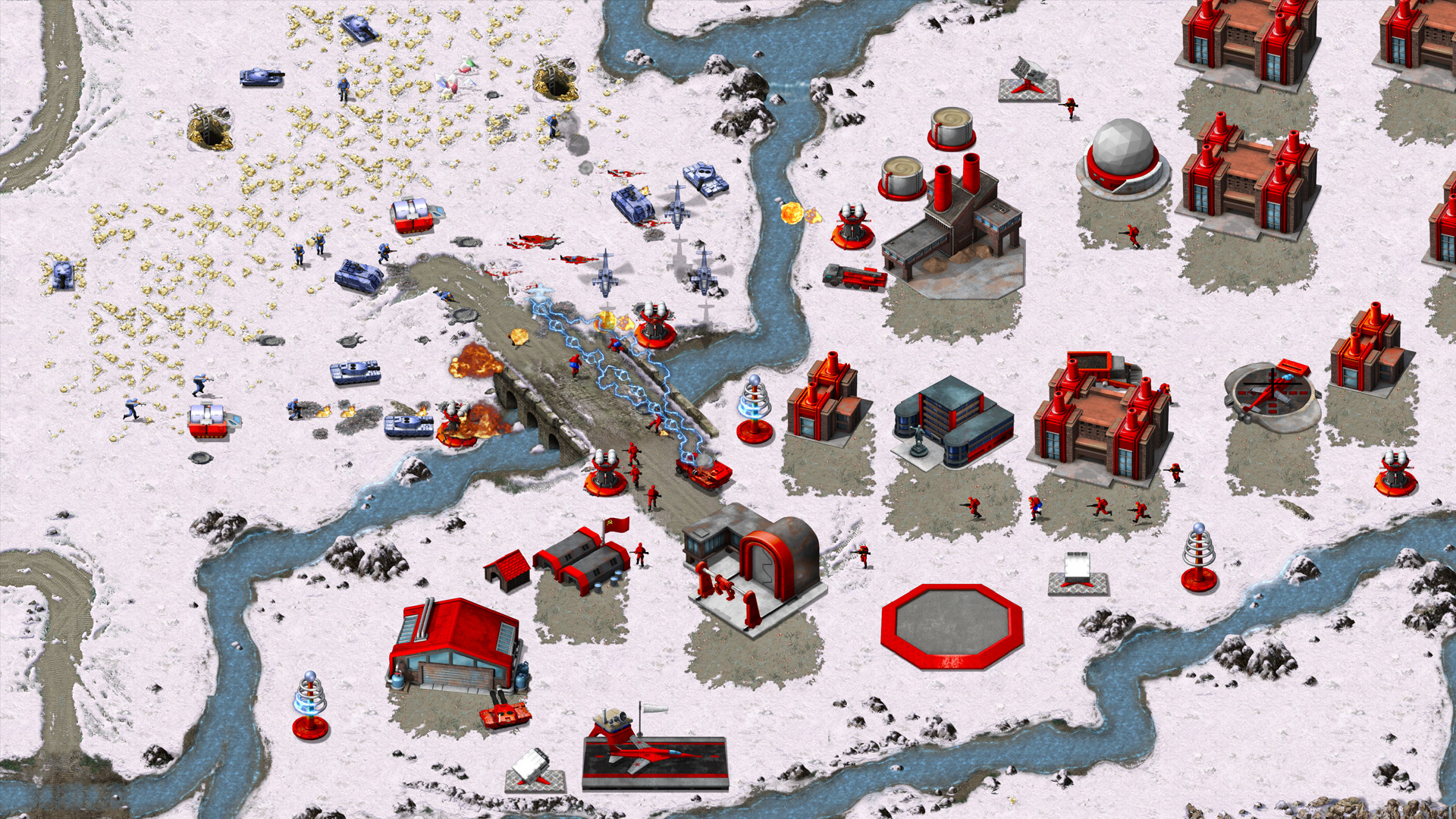
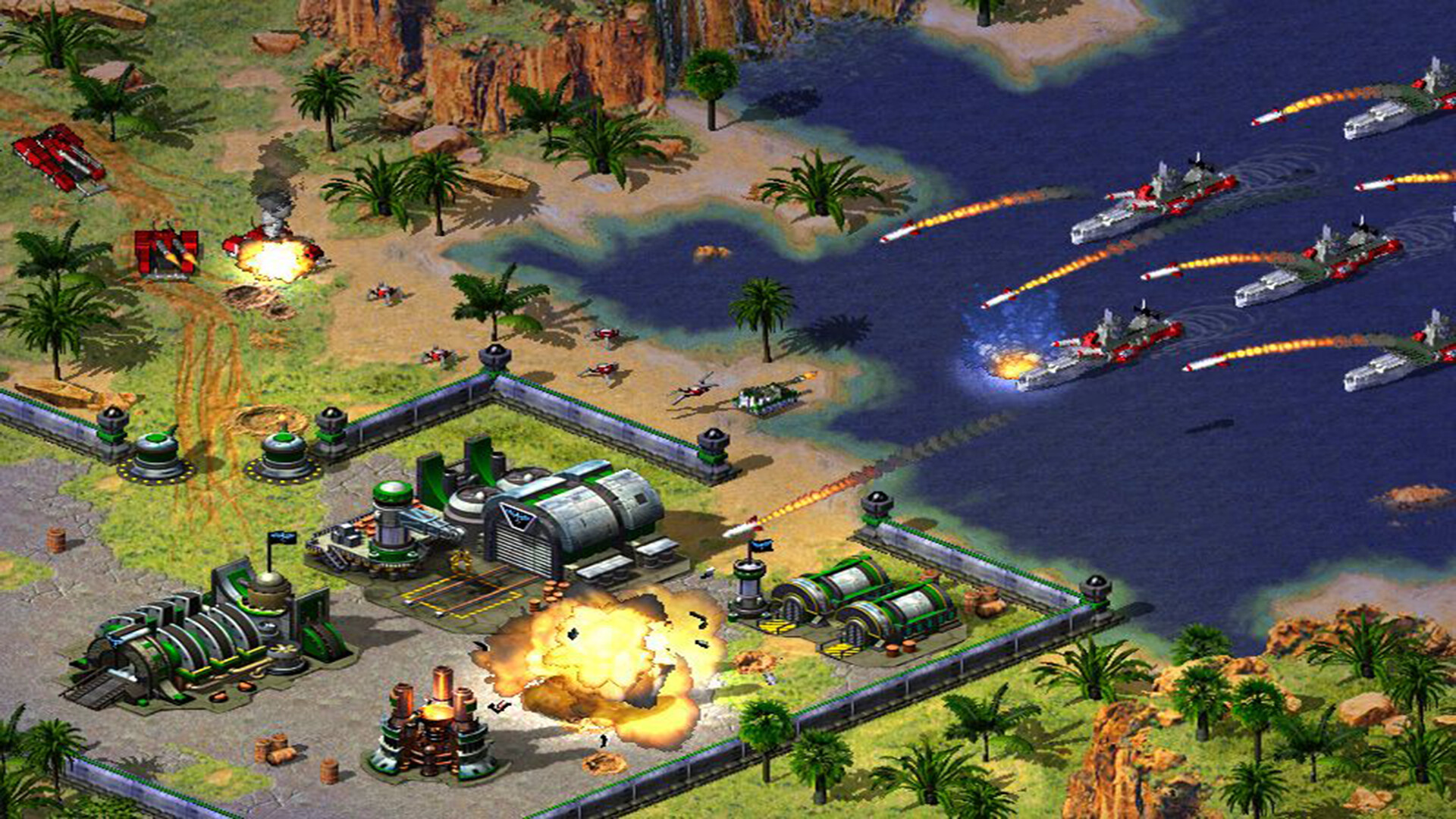
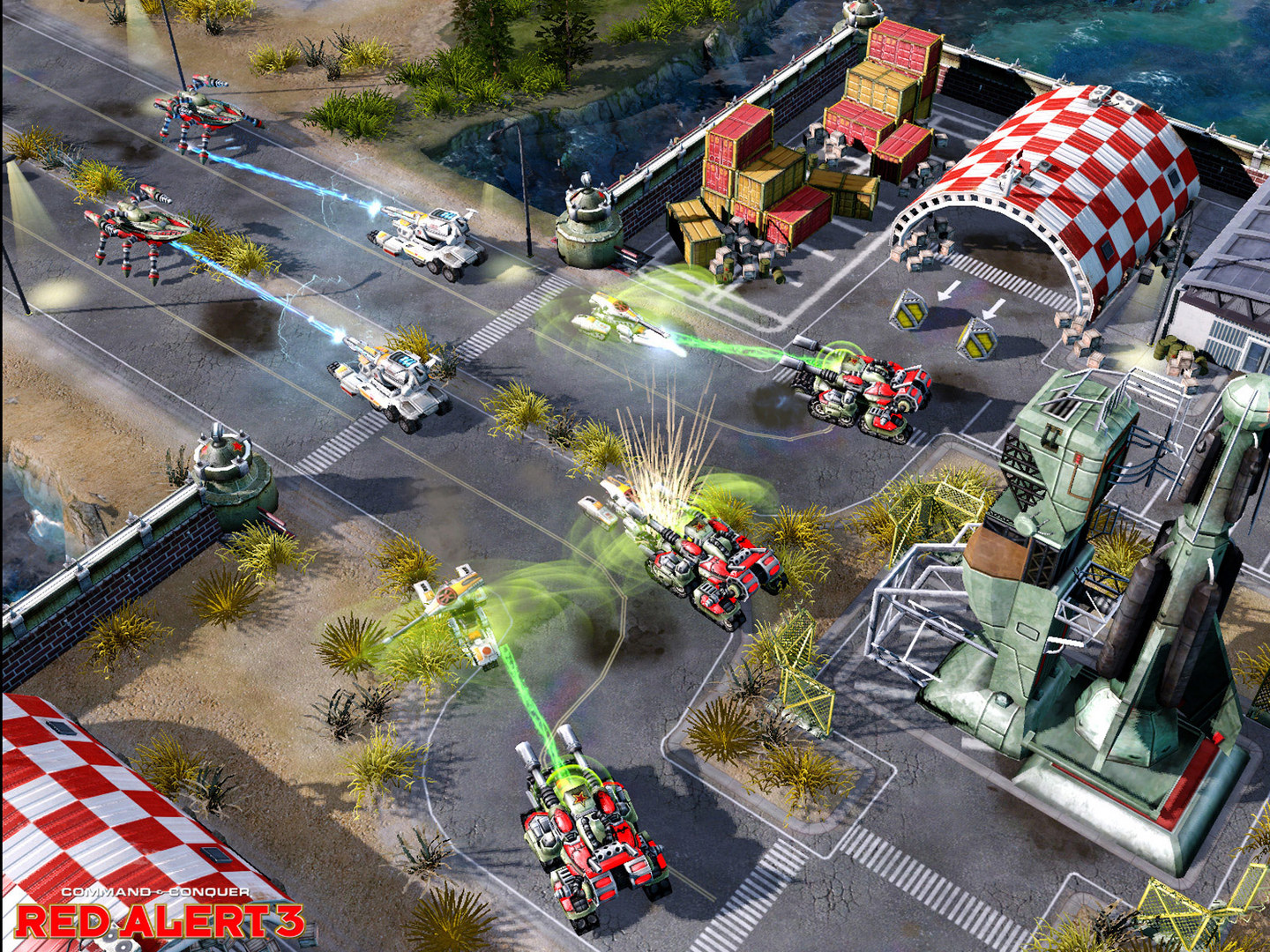
Red Alert 3 showcased impressive visuals for its time, leveraging the SAGE 2.0 engine to deliver detailed environments and dynamic unit animations. The game’s art style leaned towards a stylized realism, creating visually distinct factions with unique architectural designs and military aesthetics. The Soviet Union was characterized by imposing structures and brutalist architecture, while the Allies presented a more technologically advanced and sleek appearance. The Japanese Empire introduced an element of ancient tradition blended with futuristic technology. The engine allowed for large-scale battles with hundreds of units on screen simultaneously, pushing the hardware capabilities of contemporary PCs. Optimization was key to ensuring smooth performance across a range of system configurations.
Gameplay Mechanics and Core Systems
The core gameplay of Red Alert 3 remained true to the real-time strategy genre, emphasizing resource management, base building, and tactical unit deployment. However, several innovations were introduced. The “Chronoshift” ability allowed players to rewind time for a short period, offering strategic opportunities to correct mistakes or exploit enemy vulnerabilities. New units like the Tesla Trooper and the Apocalypse Tank added depth and variety to army compositions. The introduction of Commander abilities provided unique powers that could significantly impact battles. Resource management was streamlined, allowing players to focus more on tactical decision-making.
Level Design and World Atmosphere
The game’s levels were meticulously crafted to provide diverse environments ranging from the frozen landscapes of Siberia to the bustling cities of Europe and the Pacific islands. Each map offered unique strategic opportunities and challenges, encouraging players to adapt their tactics accordingly. The level design often incorporated interactive elements such as destructible cover and environmental hazards, adding another layer of complexity to gameplay. The atmosphere was enhanced by dynamic weather effects and detailed soundscapes that brought each location to life.
Narrative Depth and Character Profiles
Red Alert 3’s narrative centered around the Soviet Union’s desperate attempt to alter history by preventing Einstein from developing atomic weapons. This led to a conflict between the Allied forces and the resurgent Soviets, with the Japanese Empire playing a pivotal role as a wildcard faction. The game featured memorable characters like Commander Archer, Natasha Rostova, and various quirky unit commanders who added personality and humor to the story. While the storyline received mixed reviews for its campy tone, it provided a compelling backdrop for the intense battles that defined the gameplay experience.
Sound Design and Acoustic Realism
The sound design of Red Alert 3 was crucial in creating an immersive and engaging experience. The game featured a diverse range of audio cues, from the roar of tanks to the crackle of energy weapons. Each faction had its own distinct sonic identity, further enhancing their visual differentiation. The soundtrack, composed by James Hannigan, Frank Klepacki, and Timothy Michael Wynn, was a blend of orchestral scores and electronic music that perfectly complemented the game’s action-packed gameplay.
Release Expectations and Community Hype
The release of Command & Conquer: Red Alert 3 was highly anticipated by fans of the franchise. The game generated significant buzz in the gaming community, with trailers and previews showcasing its new features and stunning visuals. However, the game also faced criticism for its perceived departure from the series’ traditional gameplay elements and its reliance on humor. Despite these concerns, Red Alert 3 ultimately proved to be a commercial success, selling millions of copies worldwide. [[INJECT_VIDEO]]
Conclusion: The Future of Command & Conquer: Red Alert 3
Command & Conquer: Red Alert 3 remains a significant entry in the real-time strategy genre. While its narrative choices may not appeal to all players, its innovative gameplay mechanics and stunning visuals continue to captivate audiences. The game’s legacy is evident in subsequent entries in the Command & Conquer franchise, which have continued to build upon the foundations laid by Red Alert 3. Its impact on the RTS landscape is undeniable, solidifying its place as a classic title for generations of gamers.
Source: Wikipedia