Introduction: The Next Chapter for Colony Wars: Vengeance
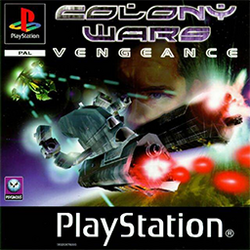
Colony Wars: Vengeance, released in 1998 by Psygnosis, represents a significant leap forward for the space combat simulator genre on the PlayStation. Building upon the foundation laid by its predecessor, this title delivers a more refined and immersive experience, pushing the hardware to its limits while offering players a compelling narrative and engaging gameplay. This deep-dive review will dissect every facet of Colony Wars: Vengeance, from its groundbreaking graphics engine to its intricate mission design, providing a comprehensive analysis for both veteran fans and newcomers alike.
Visual Direction and Graphics Engineering
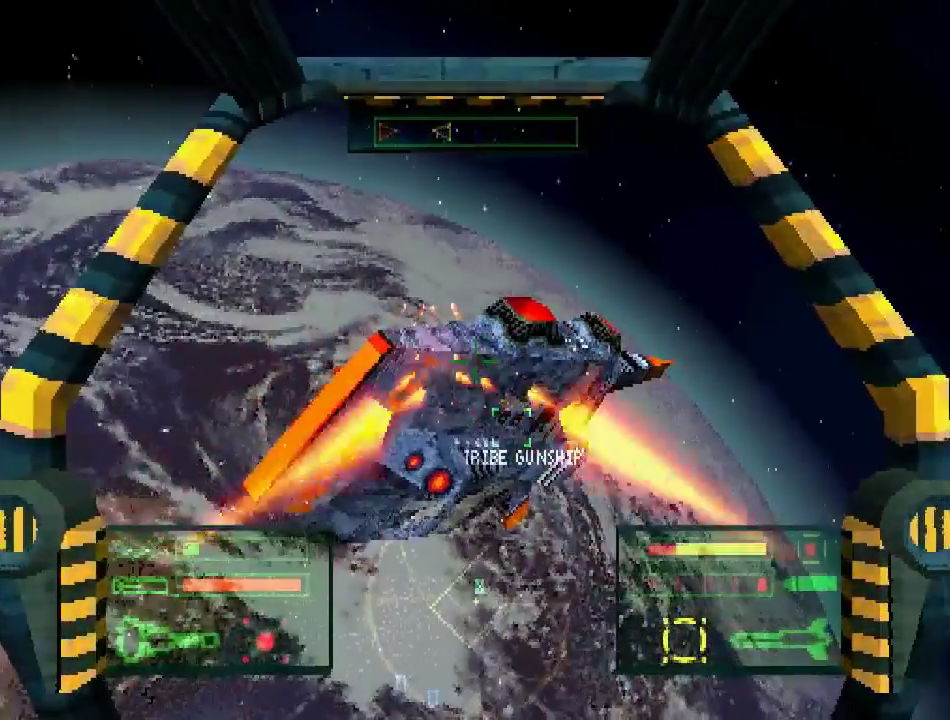
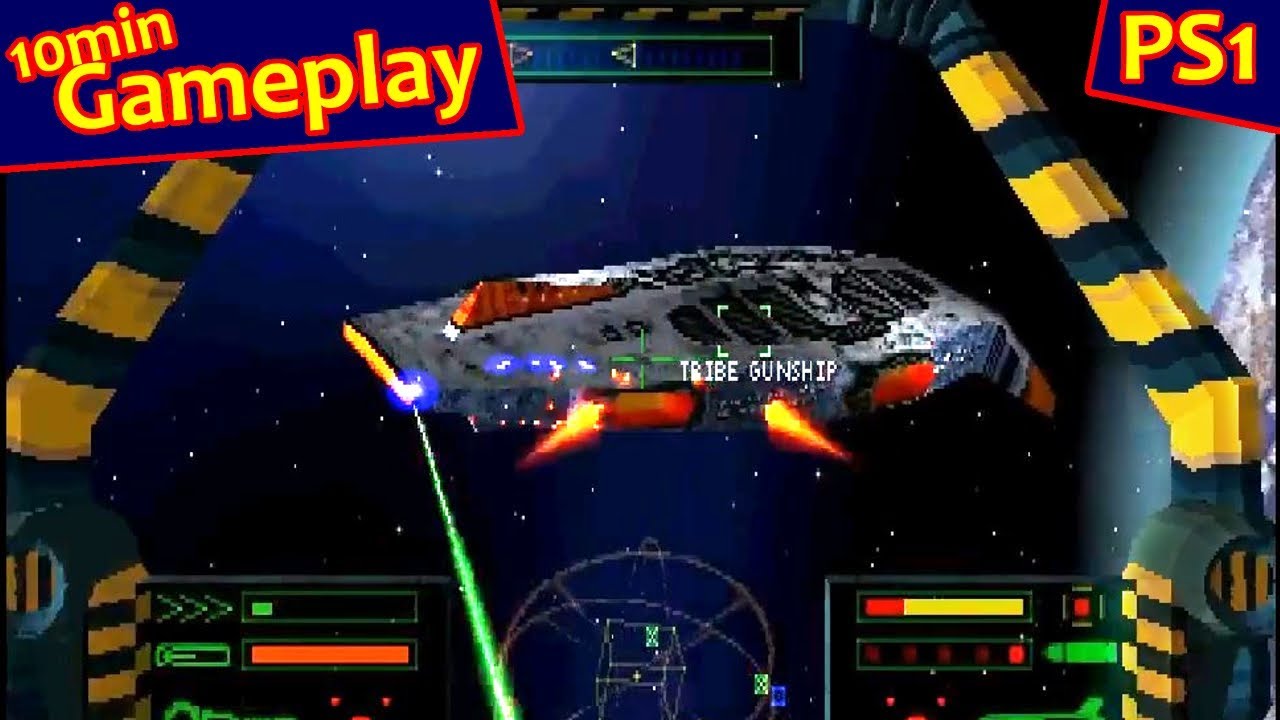
Psygnosis's proprietary Next-Gen Engine was instrumental in bringing the vastness of space and the intensity of aerial combat to life. While limited by the PlayStation's hardware capabilities, the developers maximized polygon counts and texture resolution to create detailed starfighters and sprawling nebulae. The use of particle effects, particularly during explosions and weapon discharges, added a layer of visual spectacle that was impressive for its time. showcases the game's signature art style: sleek ship designs against vibrant cosmic backdrops. The engine also featured rudimentary lighting effects, enhancing the sense of depth and realism within the game world.Gameplay Mechanics and Core Systems
Colony Wars: Vengeance introduces a refined control scheme that allows for precise maneuvering in zero-gravity environments. Players pilot one of four Colonial Navy starfighters, each possessing unique weapon configurations and handling characteristics. The addition of power pods scattered throughout missions provides an innovative upgrade system, allowing players to enhance their ship's attributes such as engine power, maneuverability, shield capacity, and afterburner duration. This customization element adds a layer of strategic depth to the gameplay, encouraging experimentation and rewarding skillful play. The lead pursuit indicator on the heads-up display is a crucial tool for tracking enemy fighters and landing accurate shots.Level Design and World Atmosphere
The game's level design is both varied and challenging, ranging from asteroid fields teeming with hostile drones to sprawling space stations under siege. Each mission presents unique objectives and tactical considerations, forcing players to adapt their strategies on the fly. The use of dynamic lighting and atmospheric effects creates a palpable sense of immersion, drawing players into the heart of the conflict. illustrates the diverse environments encountered throughout the game, from claustrophobic corridors within enemy vessels to expansive nebulae filled with danger.Narrative Depth and Character Profiles
While not as heavily emphasized as in some other space combat simulators, Colony Wars: Vengeance features a compelling narrative that unfolds through mission briefings and cutscenes. Players take on the role of Mertens, a newly enlisted pilot in the Colonial Navy, thrust into a war against an unknown enemy. The story is delivered with a sense of urgency and intrigue, motivating players to progress through the campaign and uncover the truth behind the conflict. While character development is relatively limited, the game establishes a clear sense of stakes and consequences for player actions.Sound Design and Acoustic Realism
The sound design in Colony Wars: Vengeance plays a crucial role in enhancing the immersive experience. The roar of starfighter engines, the whine of energy weapons, and the explosions that rock enemy vessels all contribute to a visceral sense of combat. Stephen Murphy's score perfectly complements the on-screen action, creating an atmosphere of tension and excitement. demonstrates how the audio cues work in tandem with the visuals to create a truly captivating experience.Release Expectations and Community Hype
Upon its release, Colony Wars: Vengeance was met with widespread acclaim for its innovative gameplay, stunning graphics, and immersive atmosphere. The game quickly became a cult classic among space combat simulator enthusiasts, praised for its challenging missions, customizable starfighters, and compelling narrative. The community surrounding the game remains active to this day, with dedicated forums and online communities where players share tips, strategies, and fan-made content.Conclusion: The Future of Colony Wars: Vengeance
Colony Wars: Vengeance stands as a testament to the creative vision and technical prowess of Psygnosis. While limited by the constraints of its time, the game delivers an unforgettable space combat experience that continues to resonate with players today. Its legacy can be seen in subsequent titles within the genre, solidifying its place as a landmark achievement in gaming history. represents the enduring appeal of Colony Wars: Vengeance, a classic that continues to inspire and entertain.
Source: Wikipedia
Google Preferred Source
Add us to your favorite news sources on Google
Get instant updates and breaking news directly in Google News