Introduction: Stealth Espionage Reimagined
In an era where action-adventure games are inundated with open-world extravaganzas and high-octane combat sequences, “Code: To Jin Yong” emerges as a breath of fresh air. Developed by LightSpeed Studios and set against the backdrop of intricate espionage, this game is a masterclass in stealth and tactical gameplay. As players step into the shoes of Lucia—a skilled operative tasked with uncovering the mysteries behind a covert organization known as The Architects—they find themselves immersed in a world where shadows are allies, sounds betray, and every decision can mean life or death.
Visual Splendor: Pushing the Limits of Unreal Engine 5

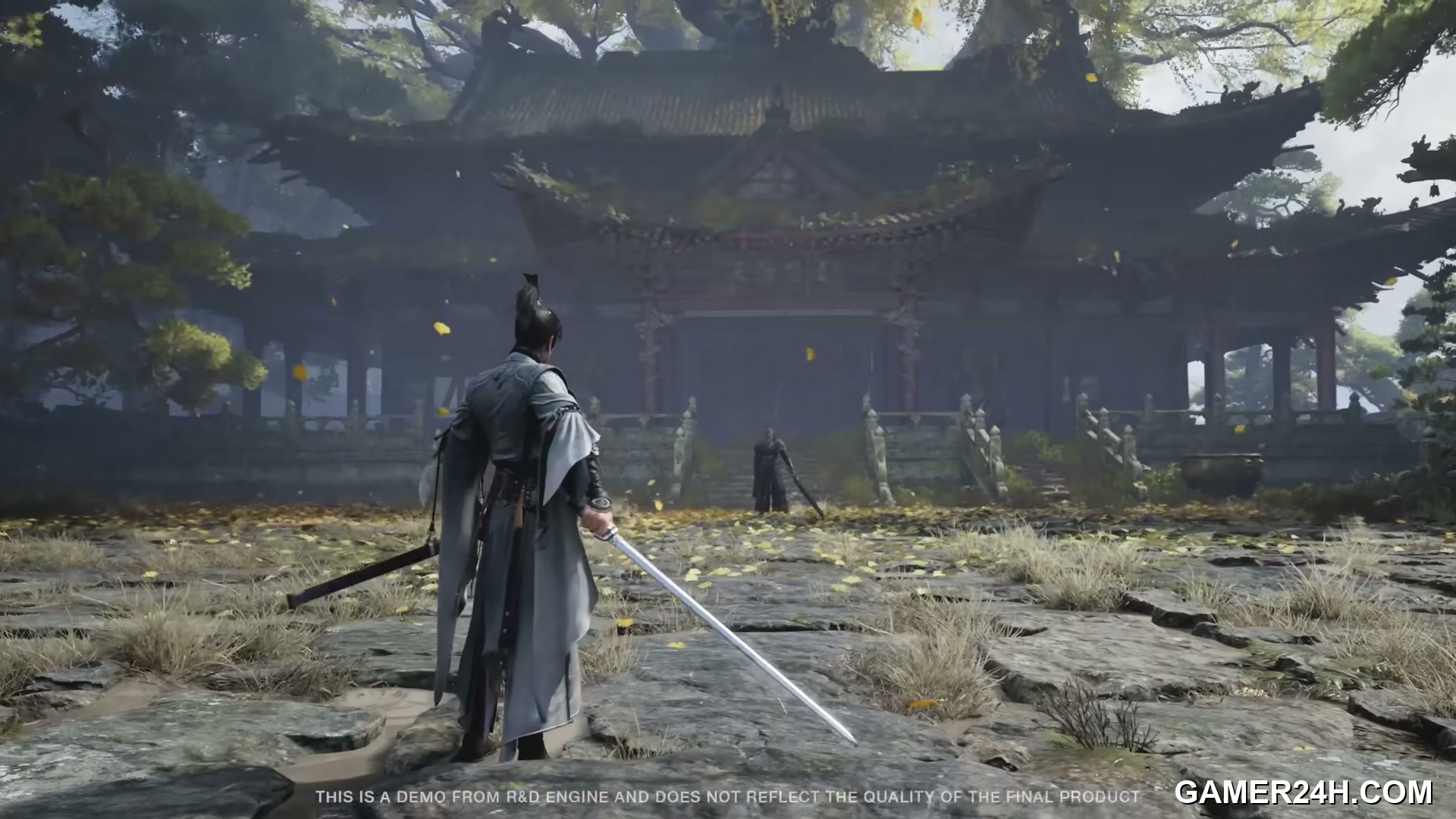
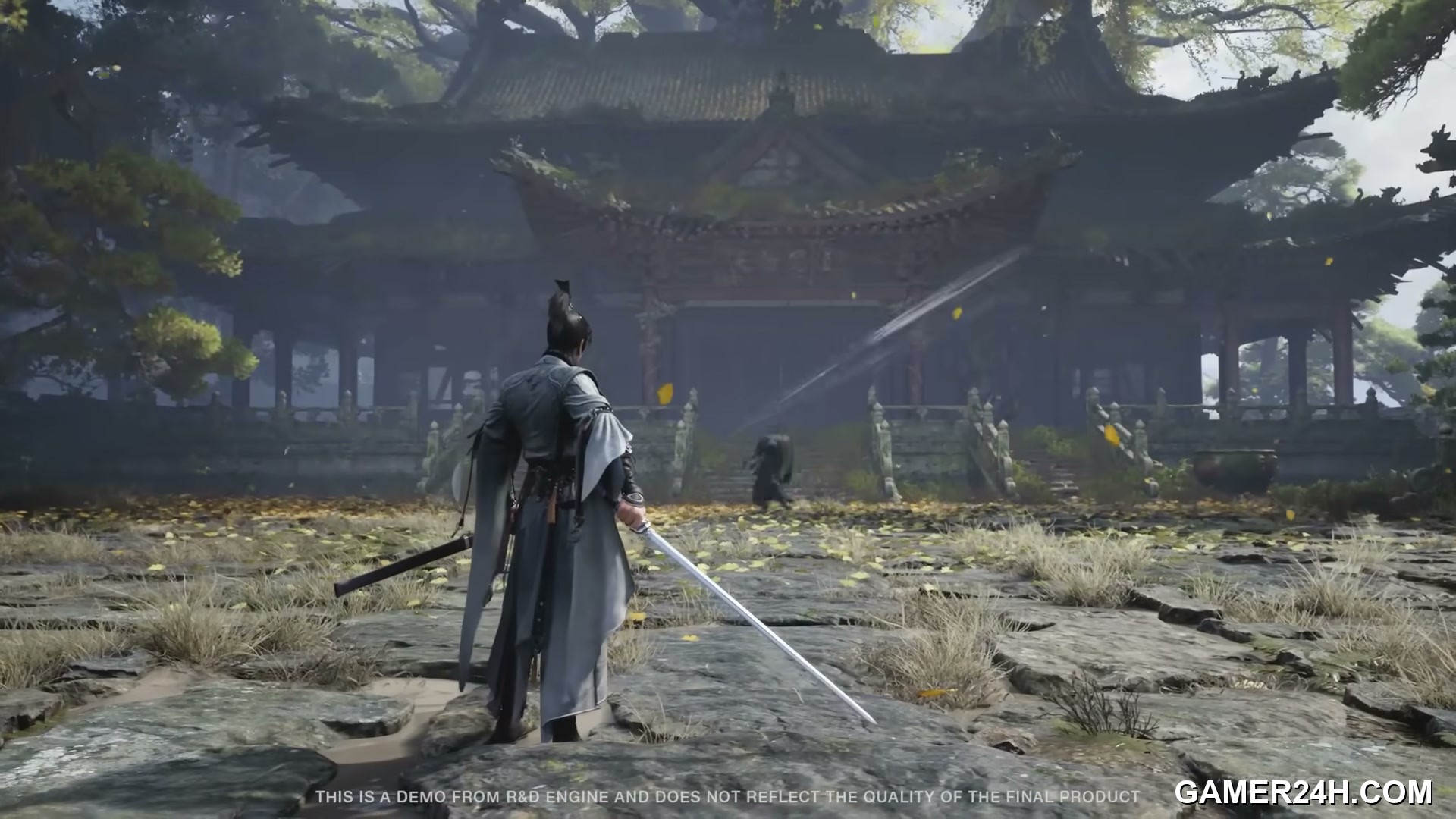
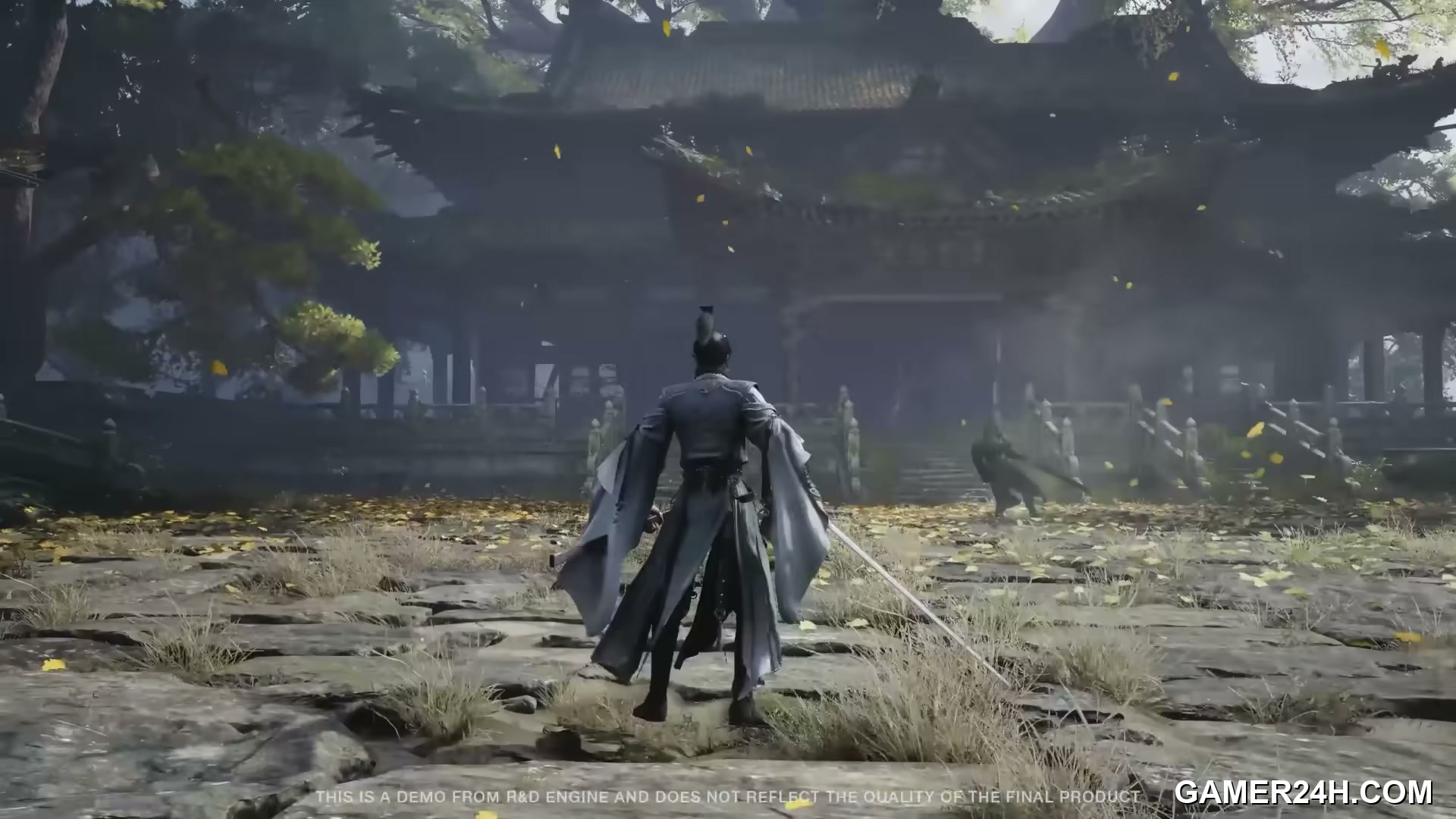
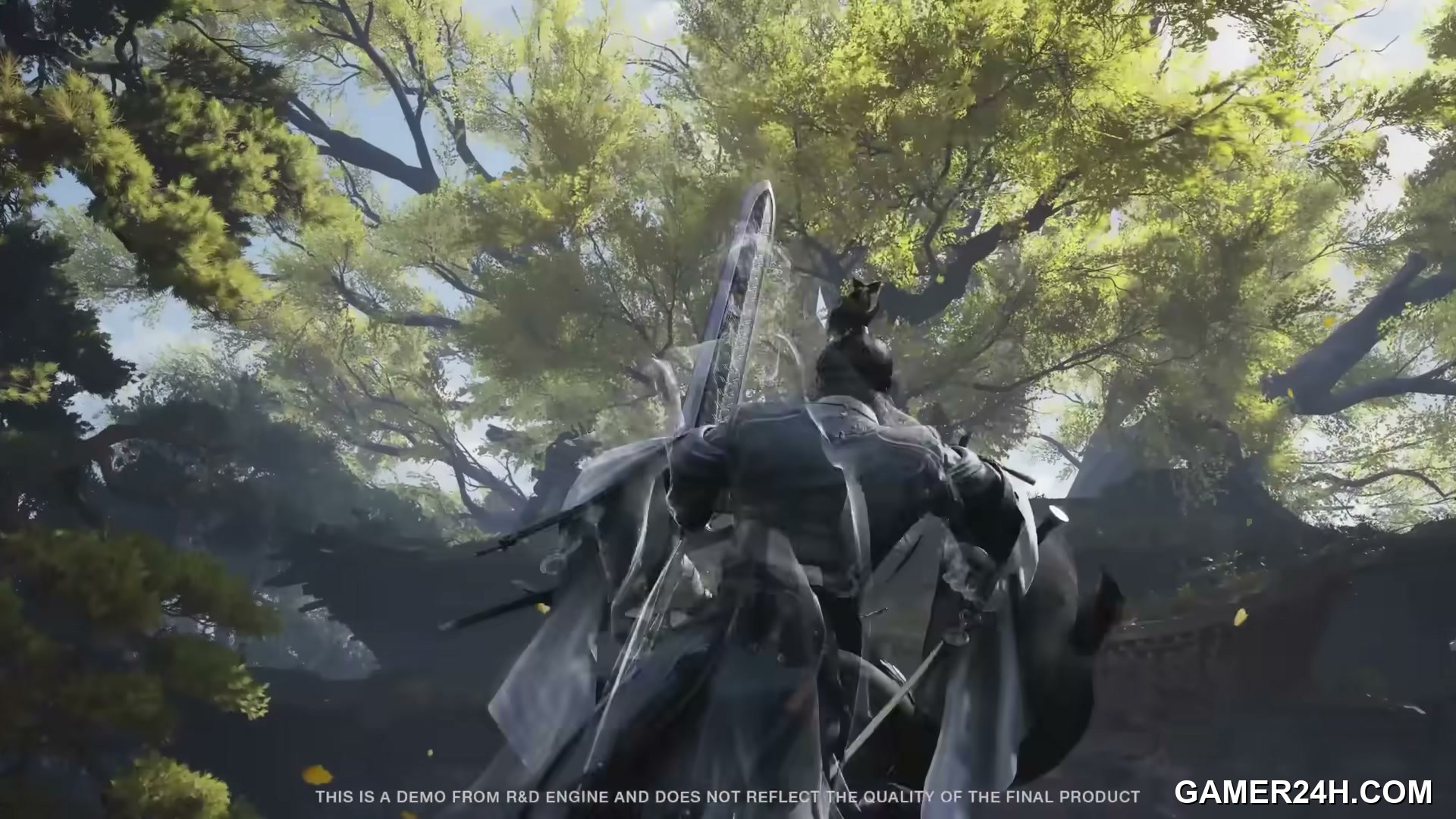
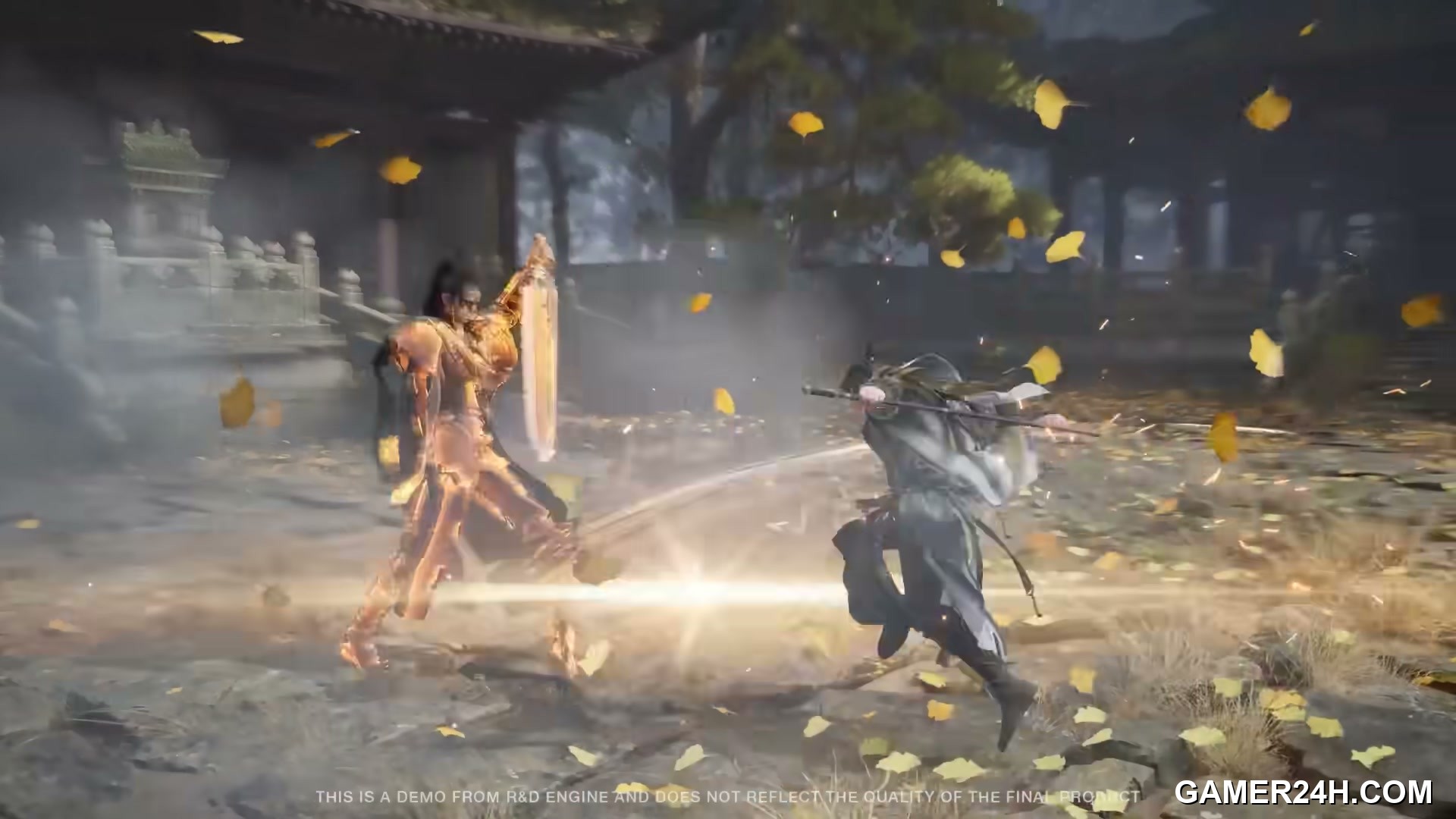
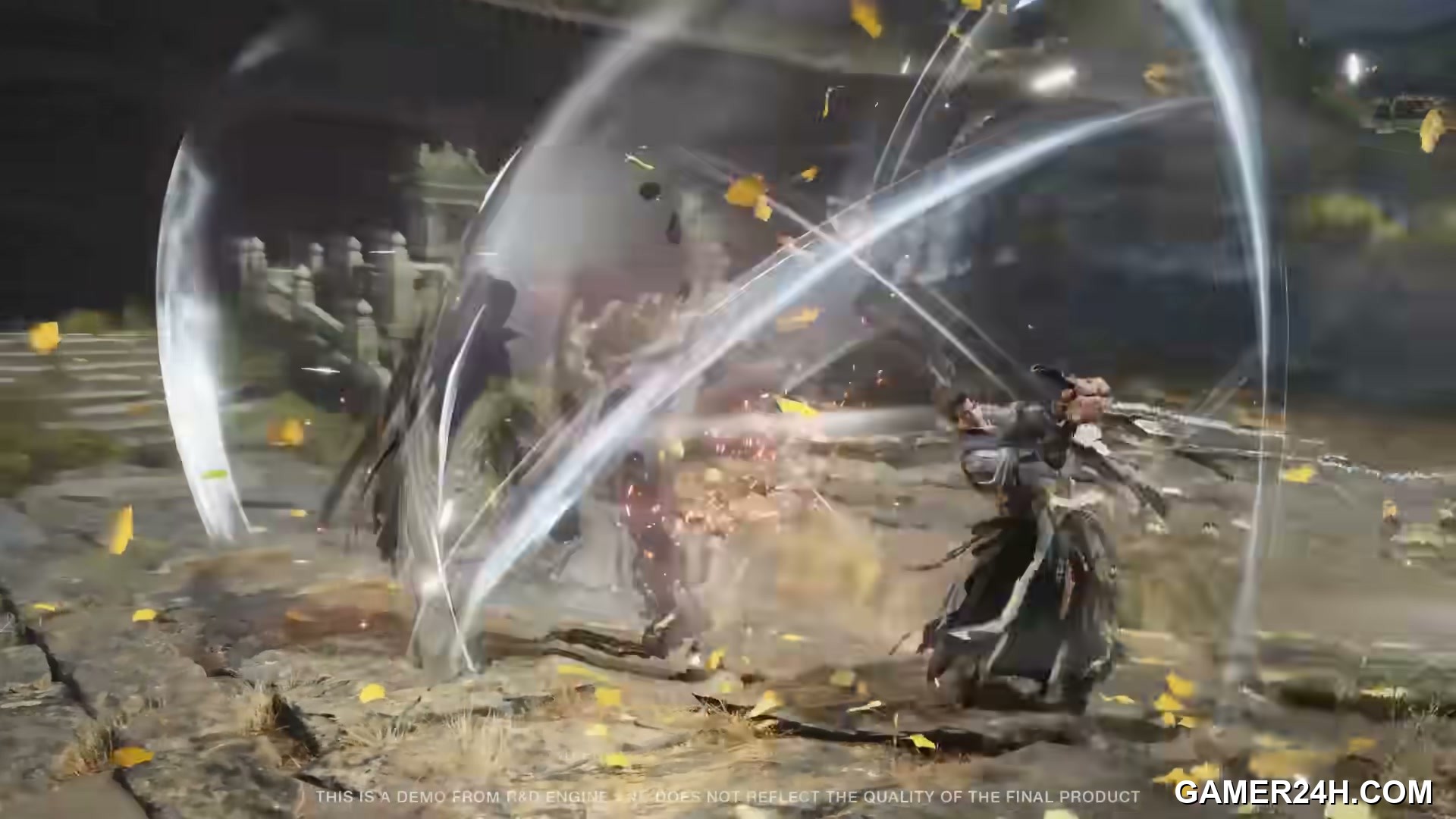
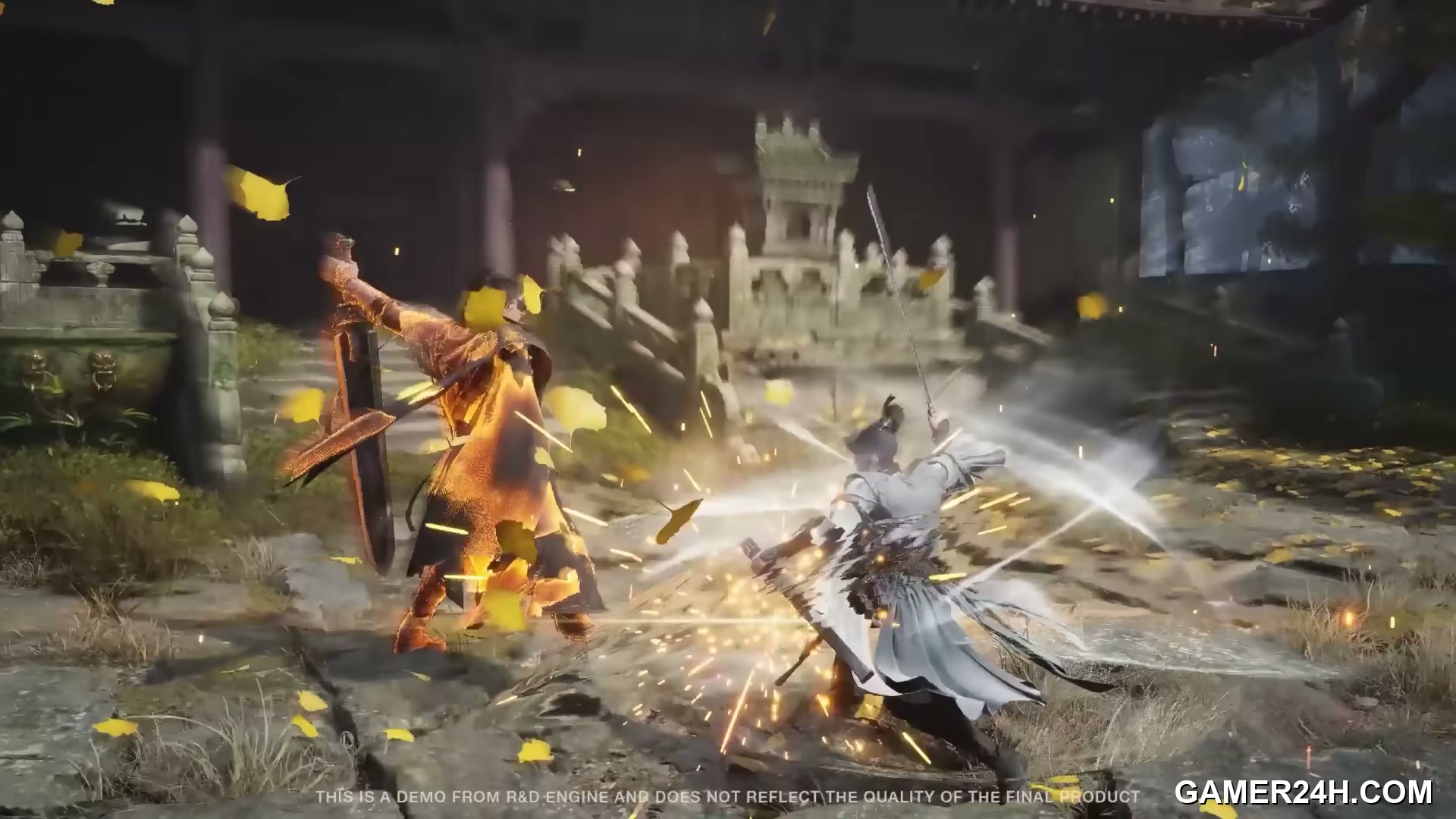
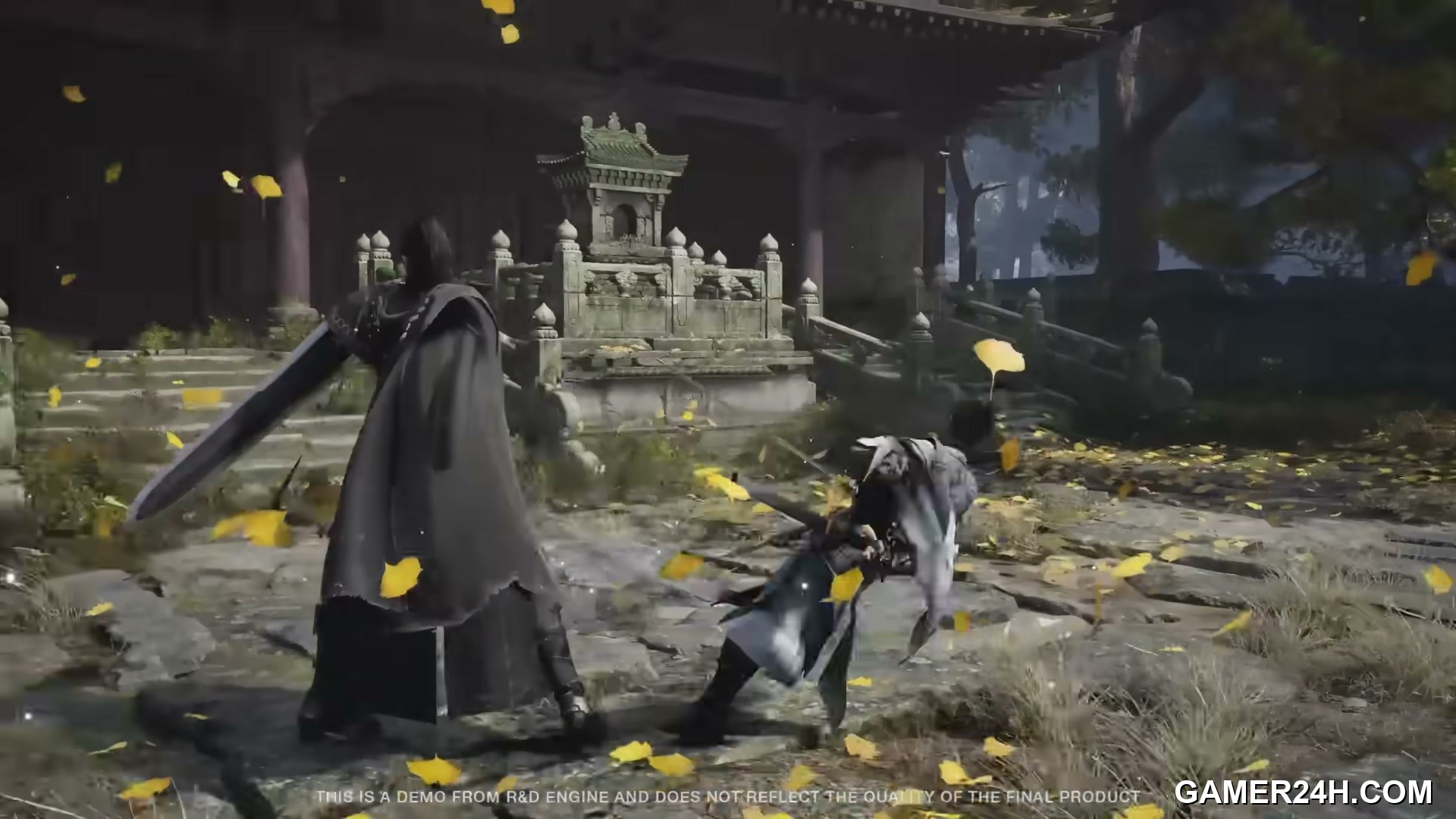
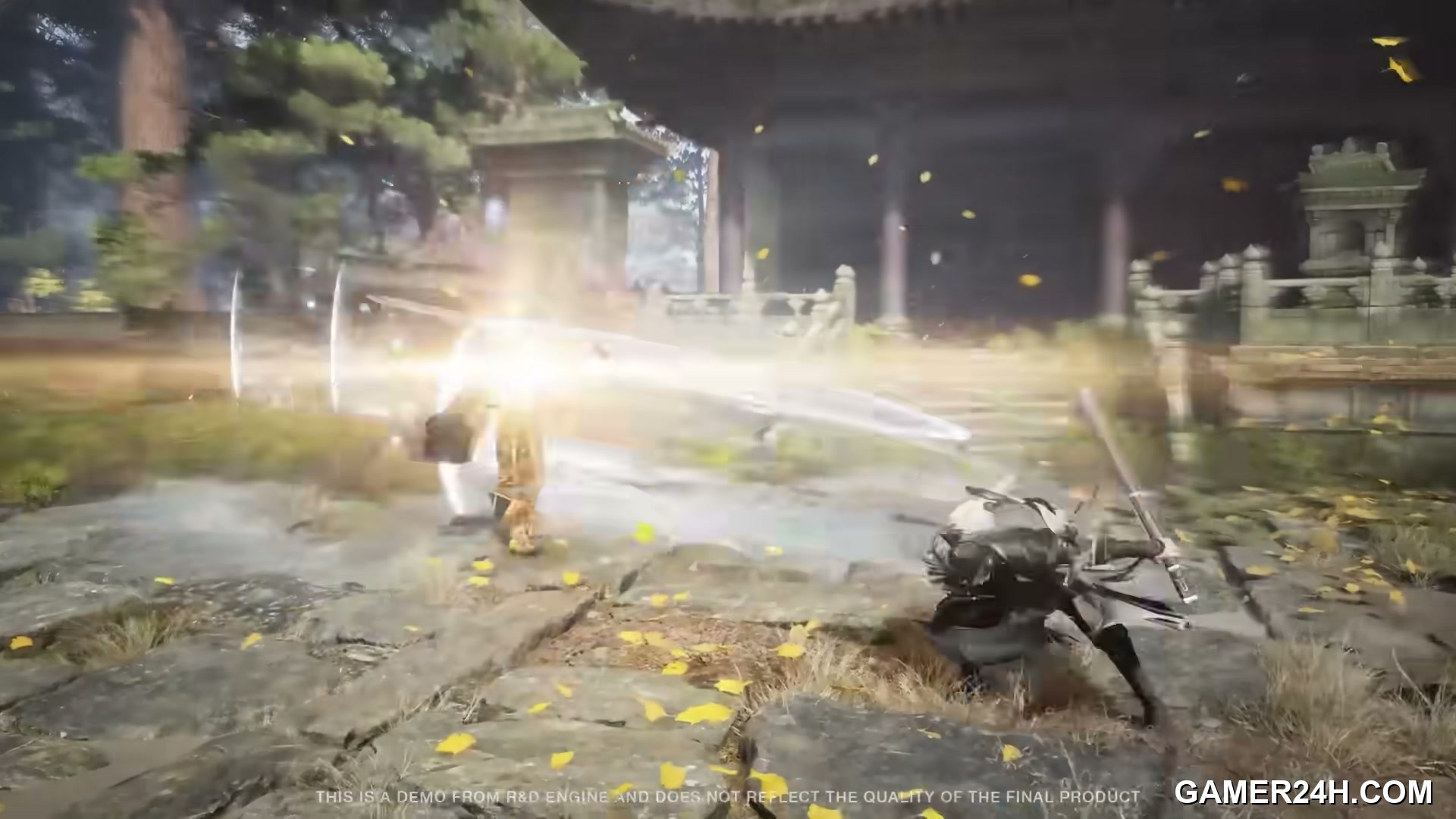
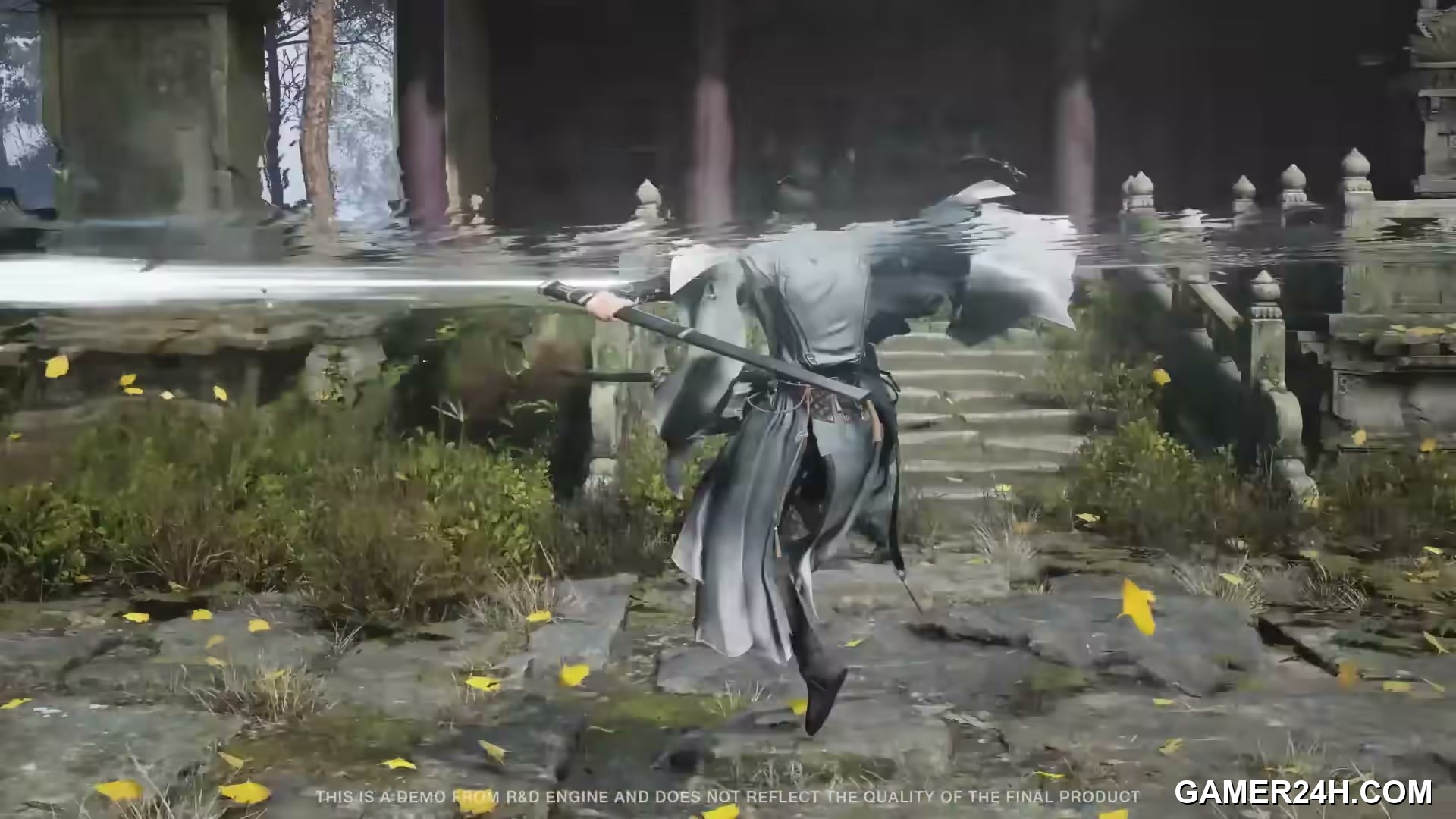
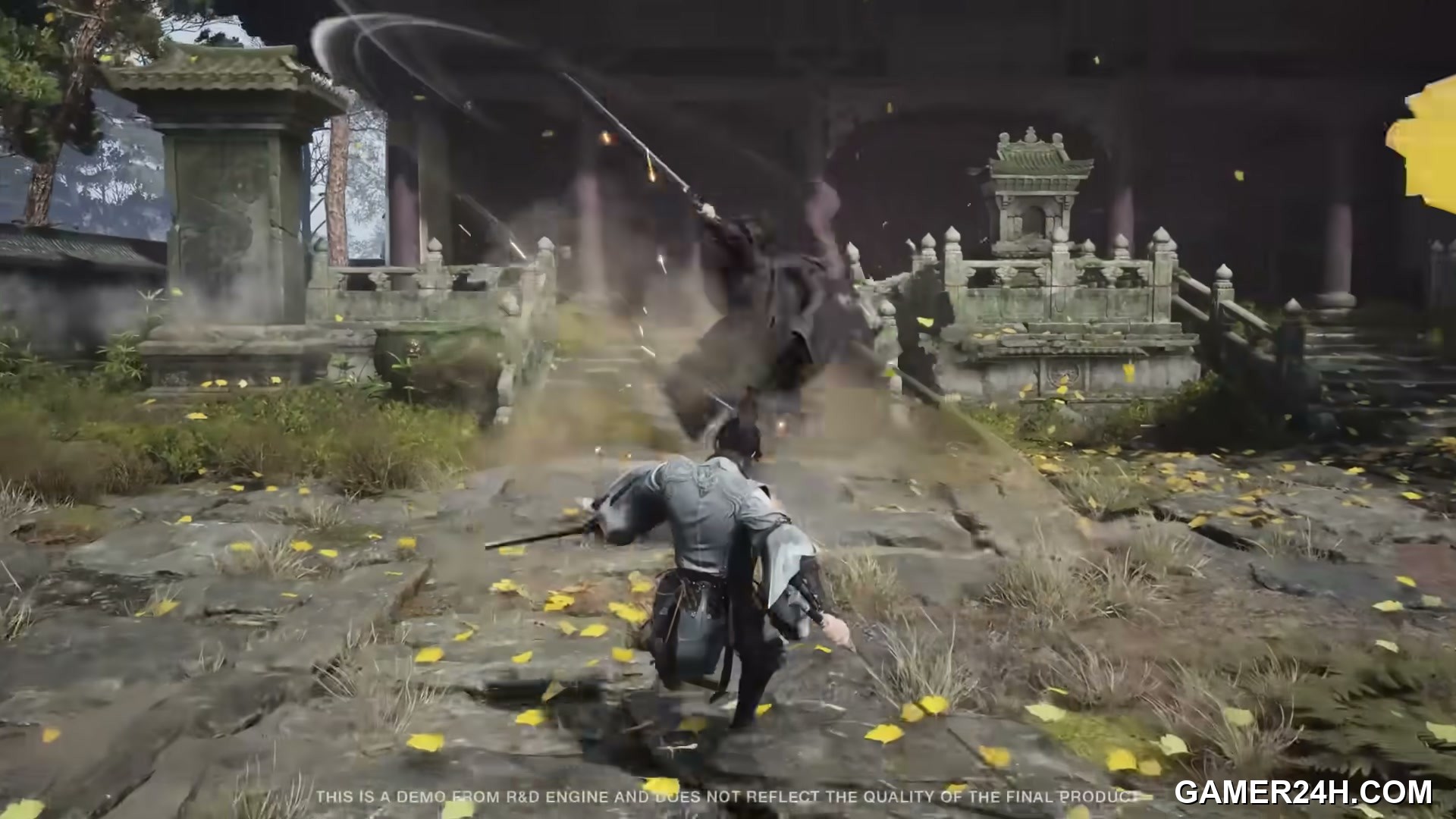
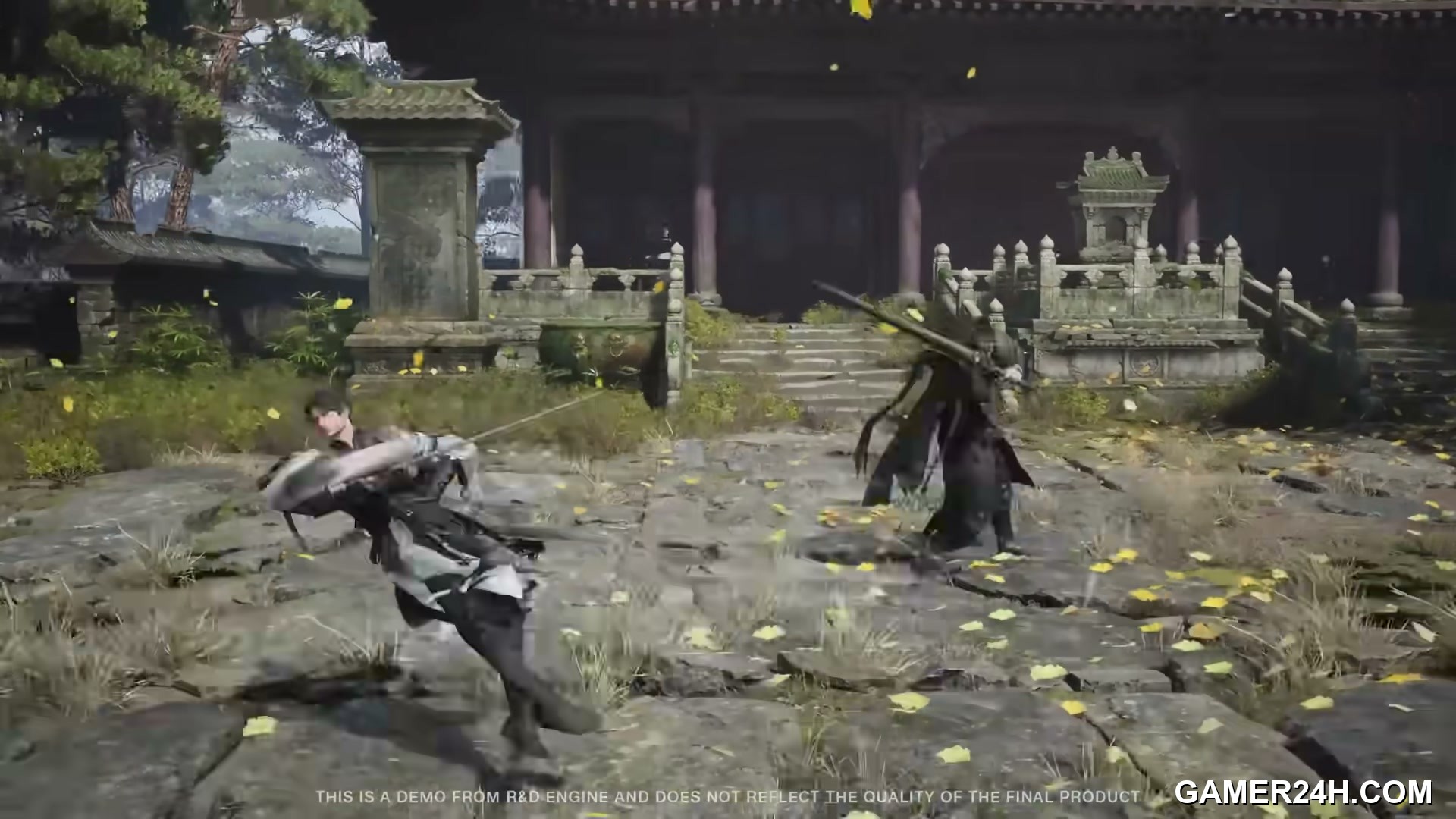
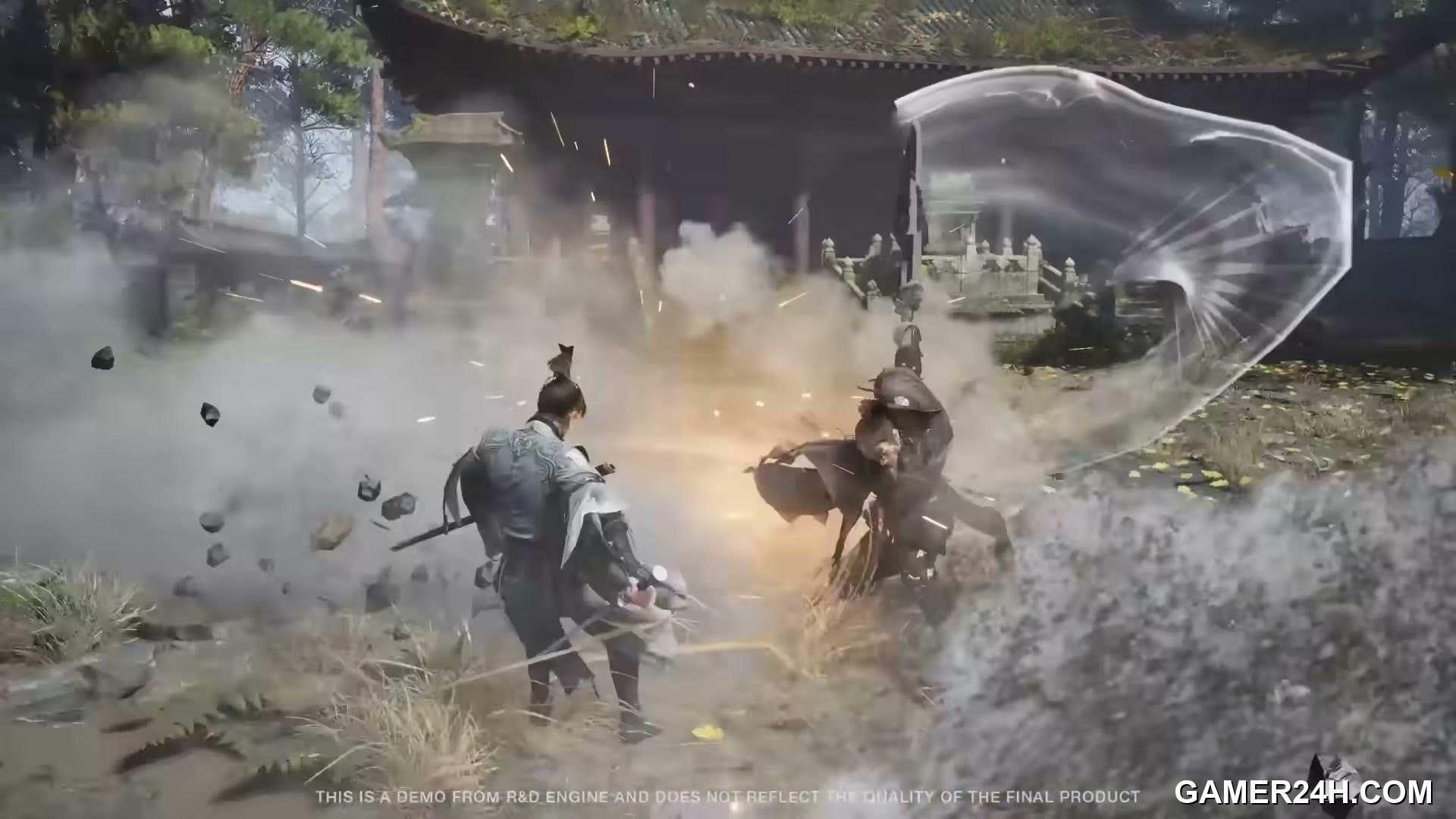
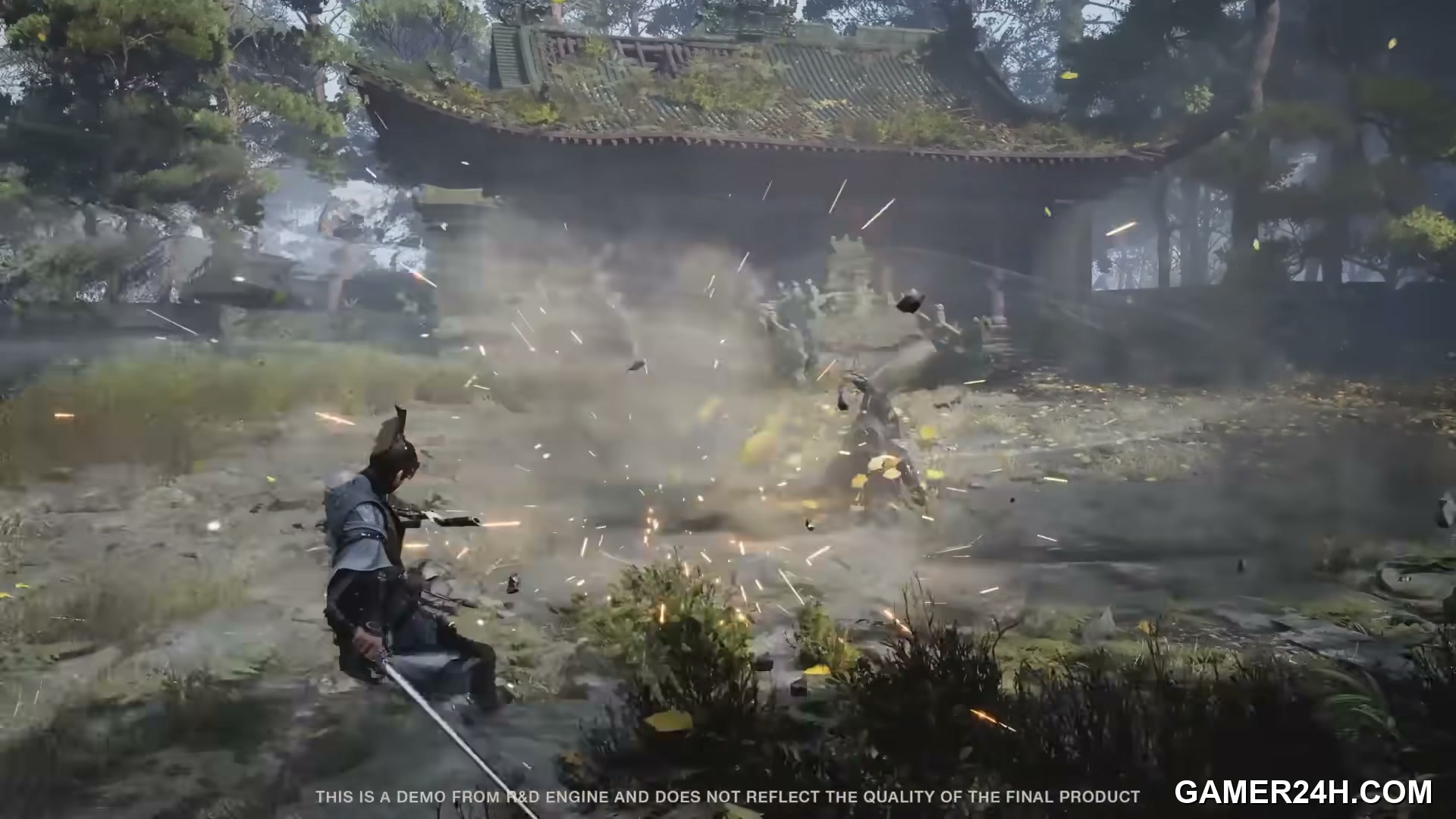
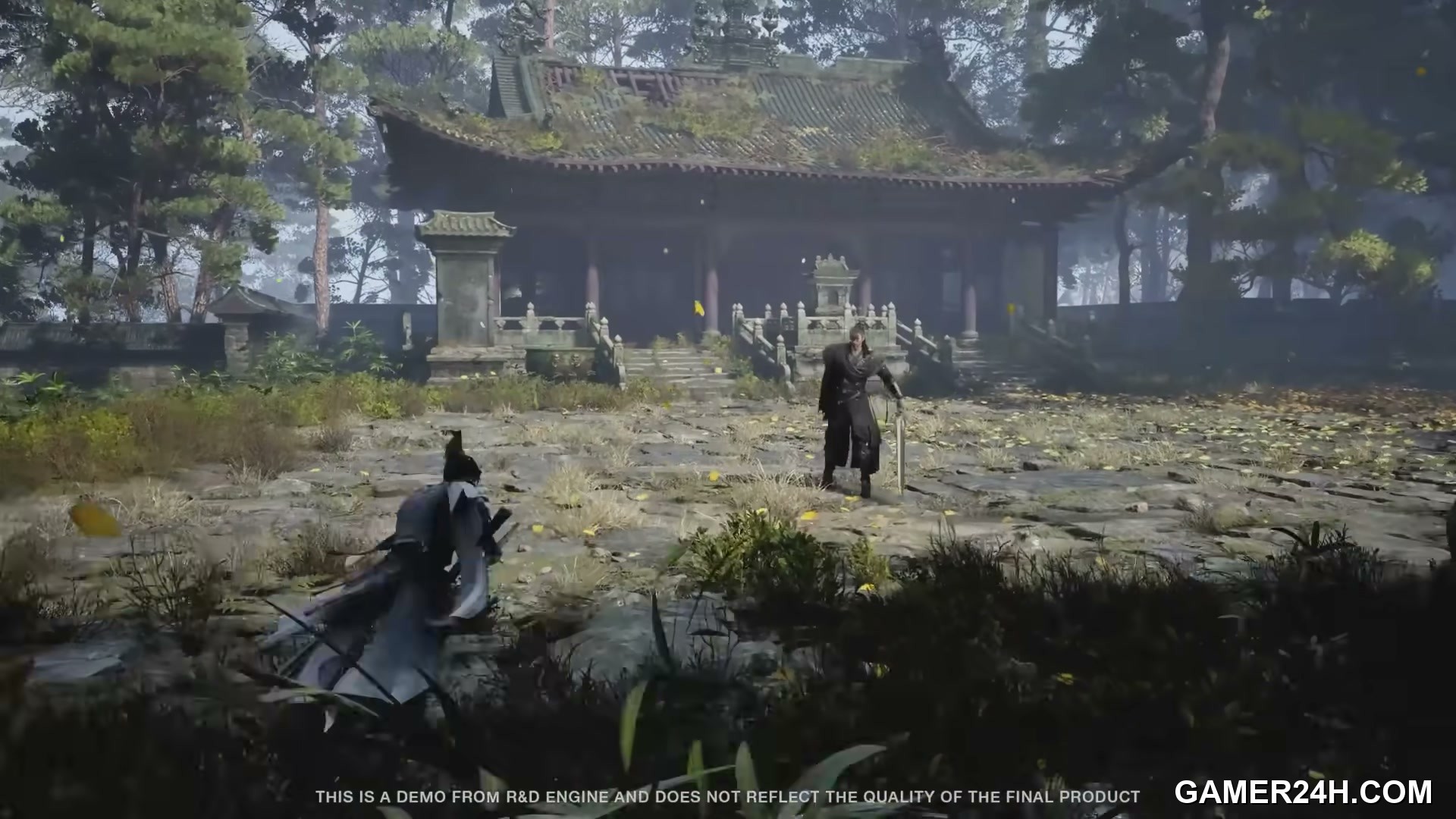
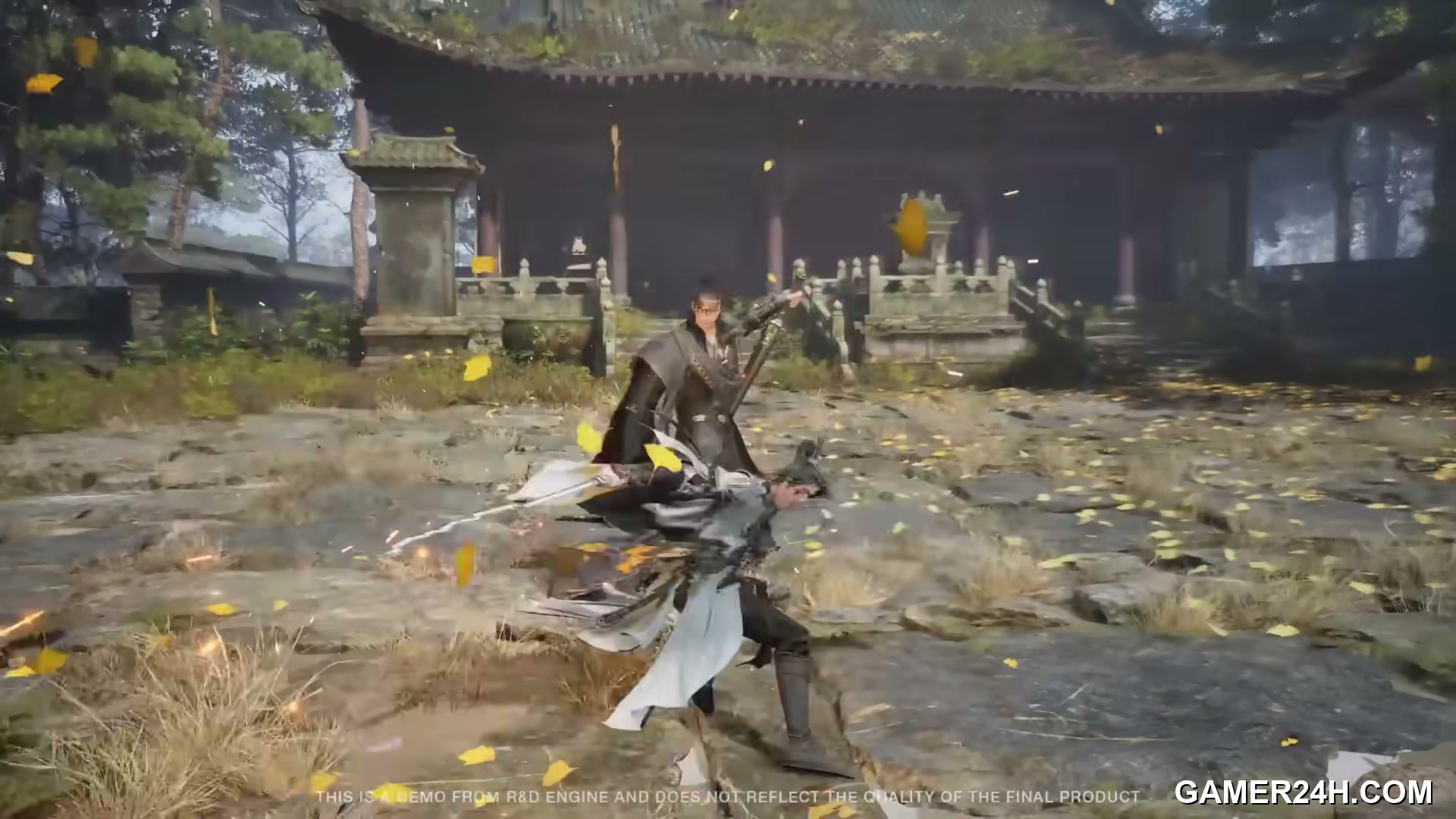
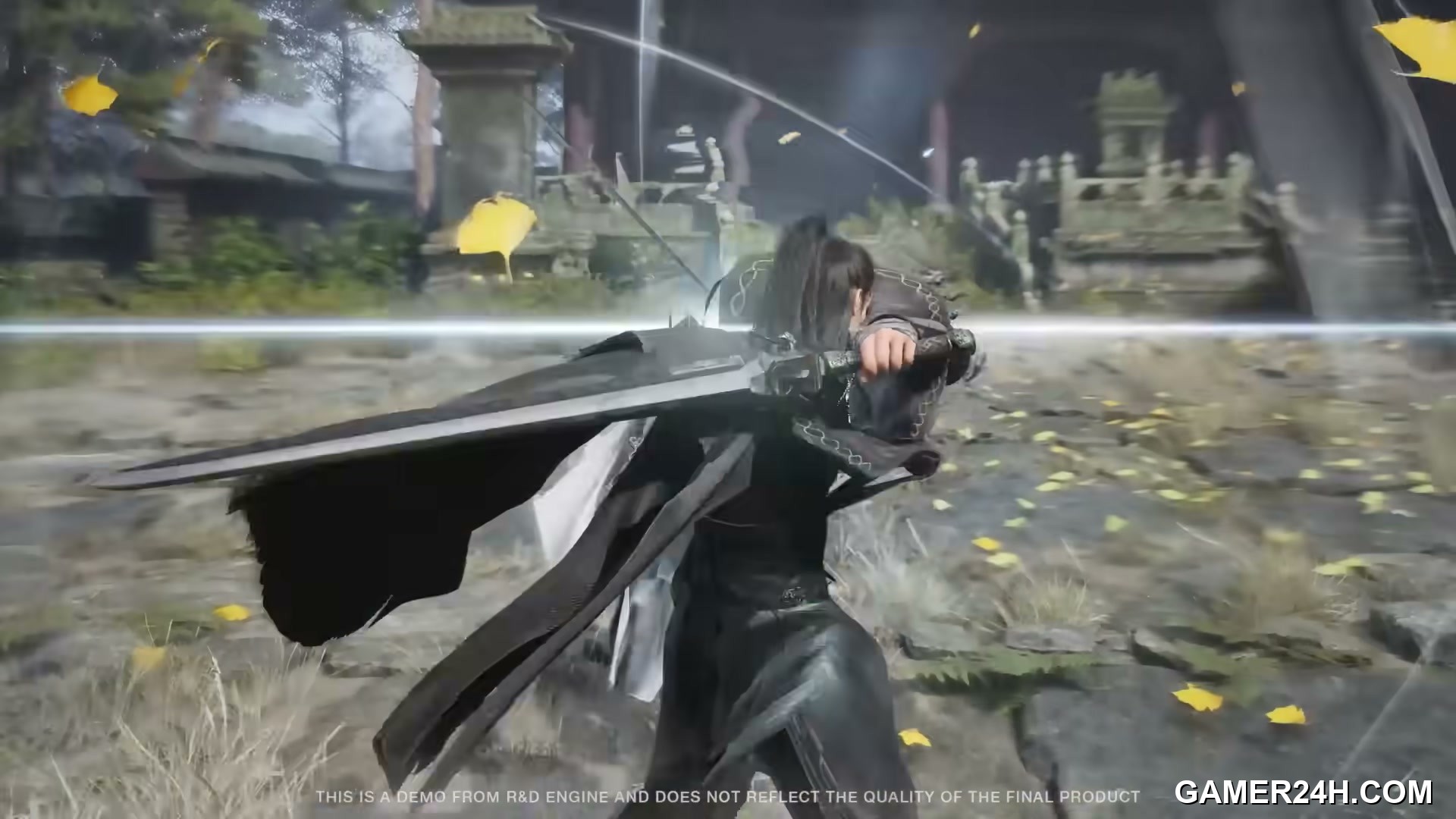
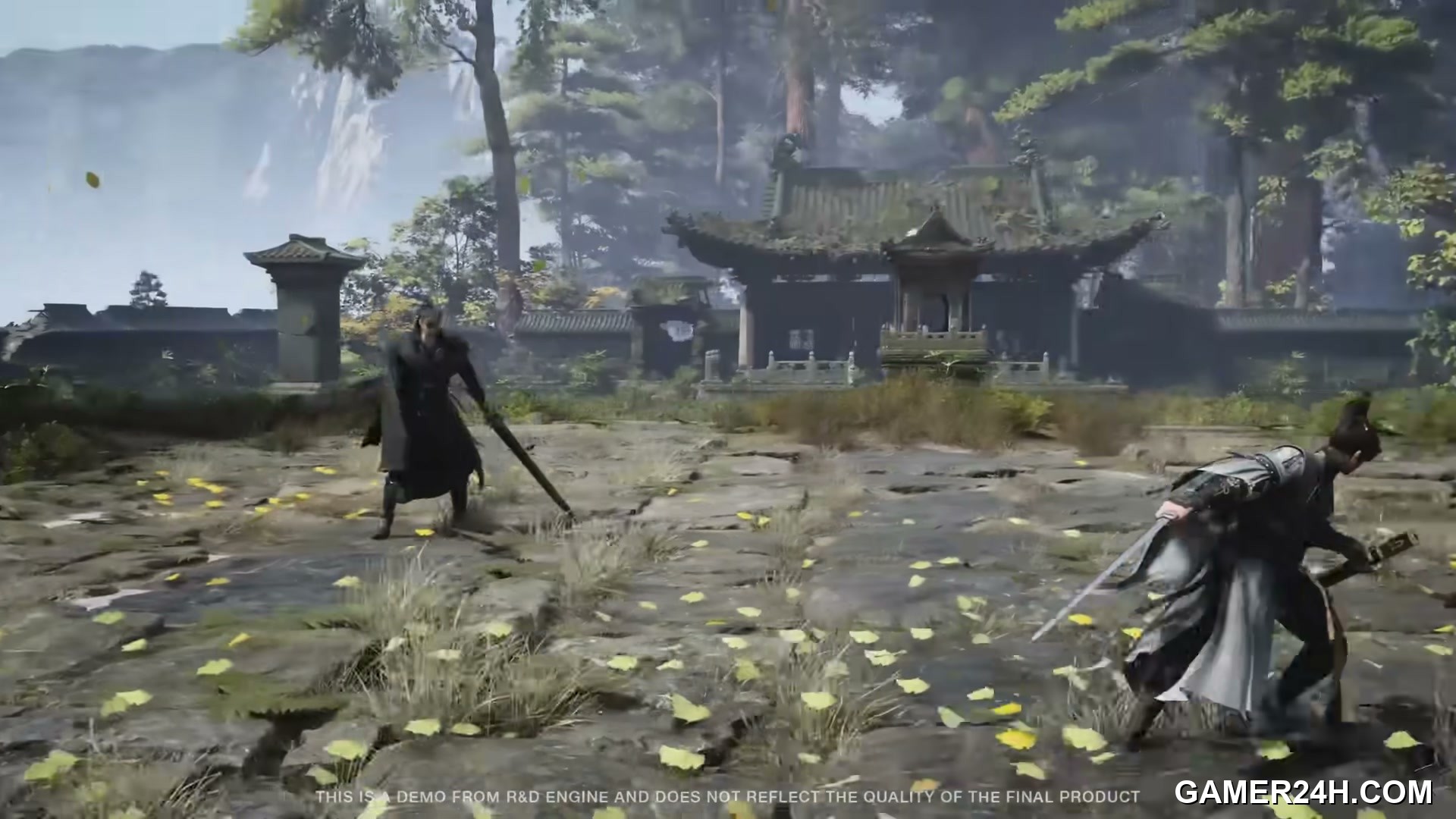
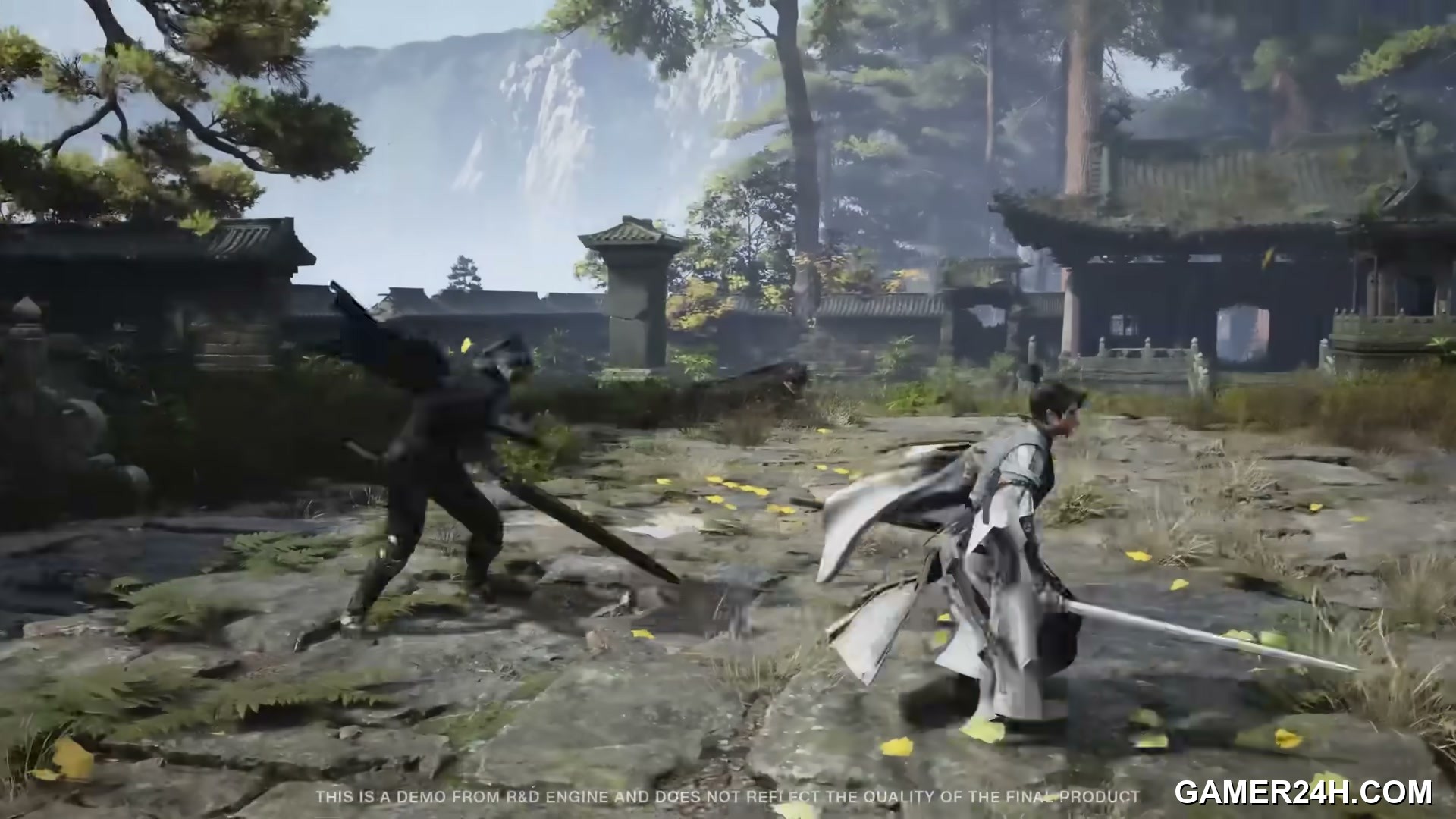
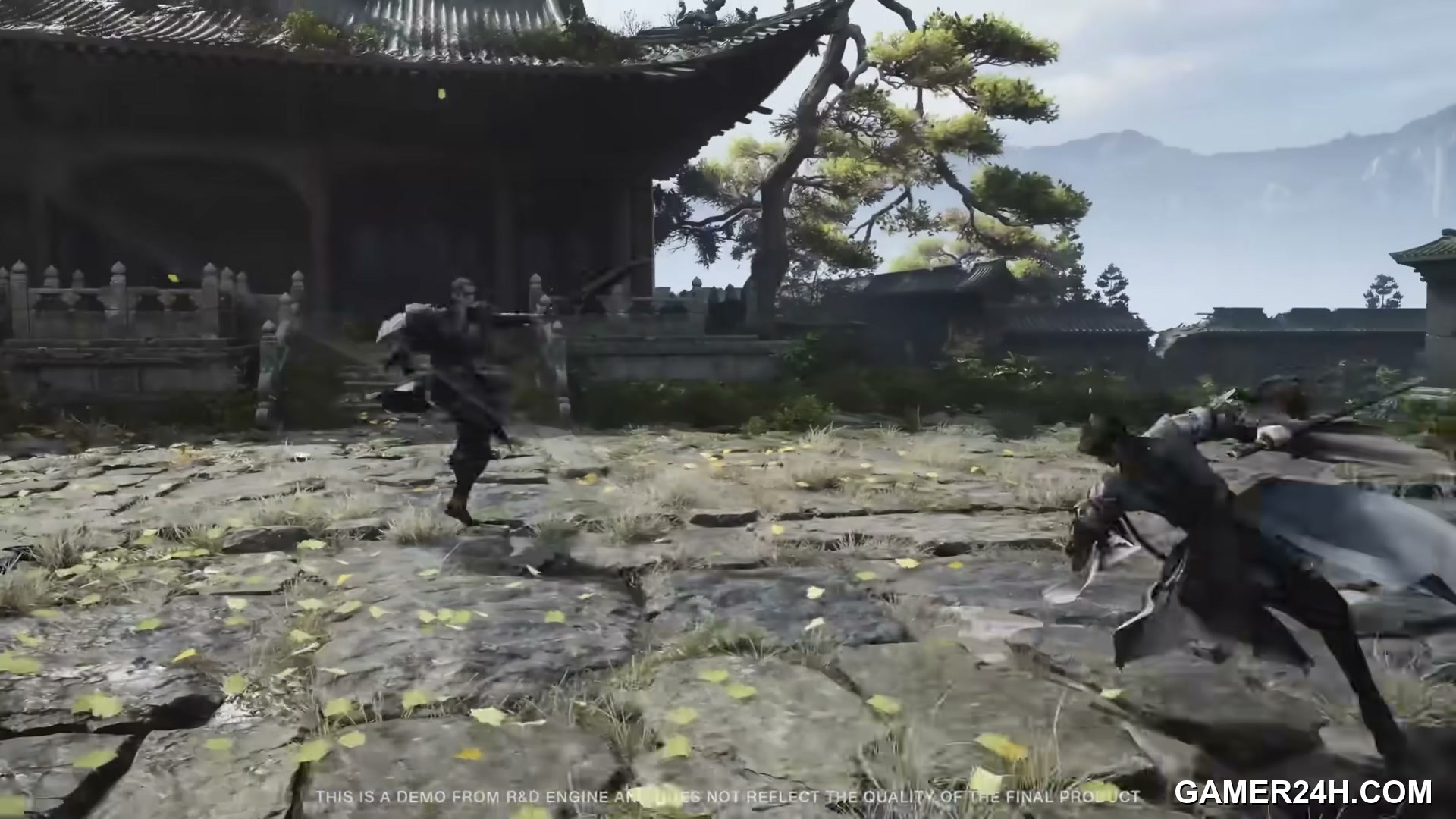
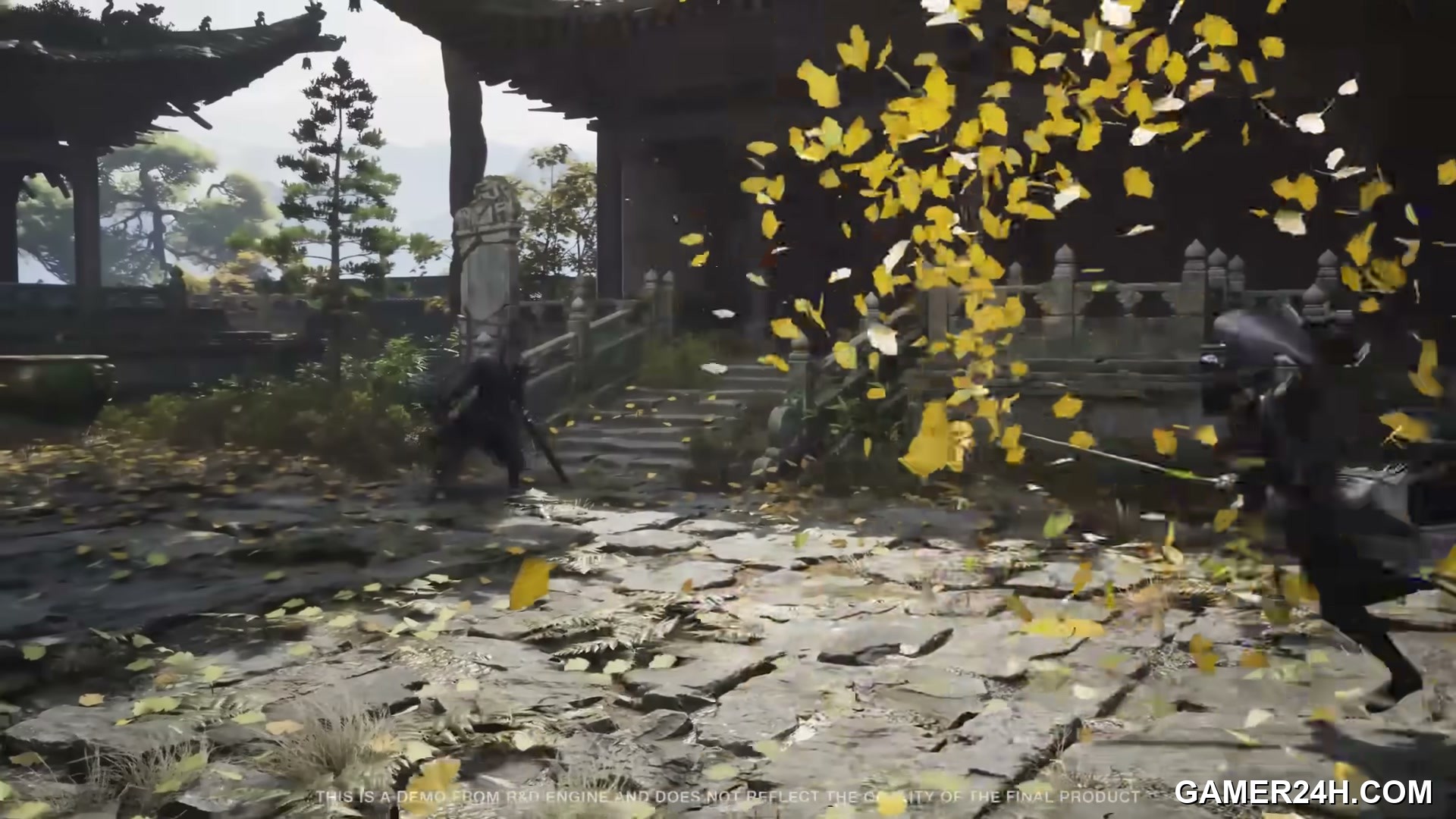
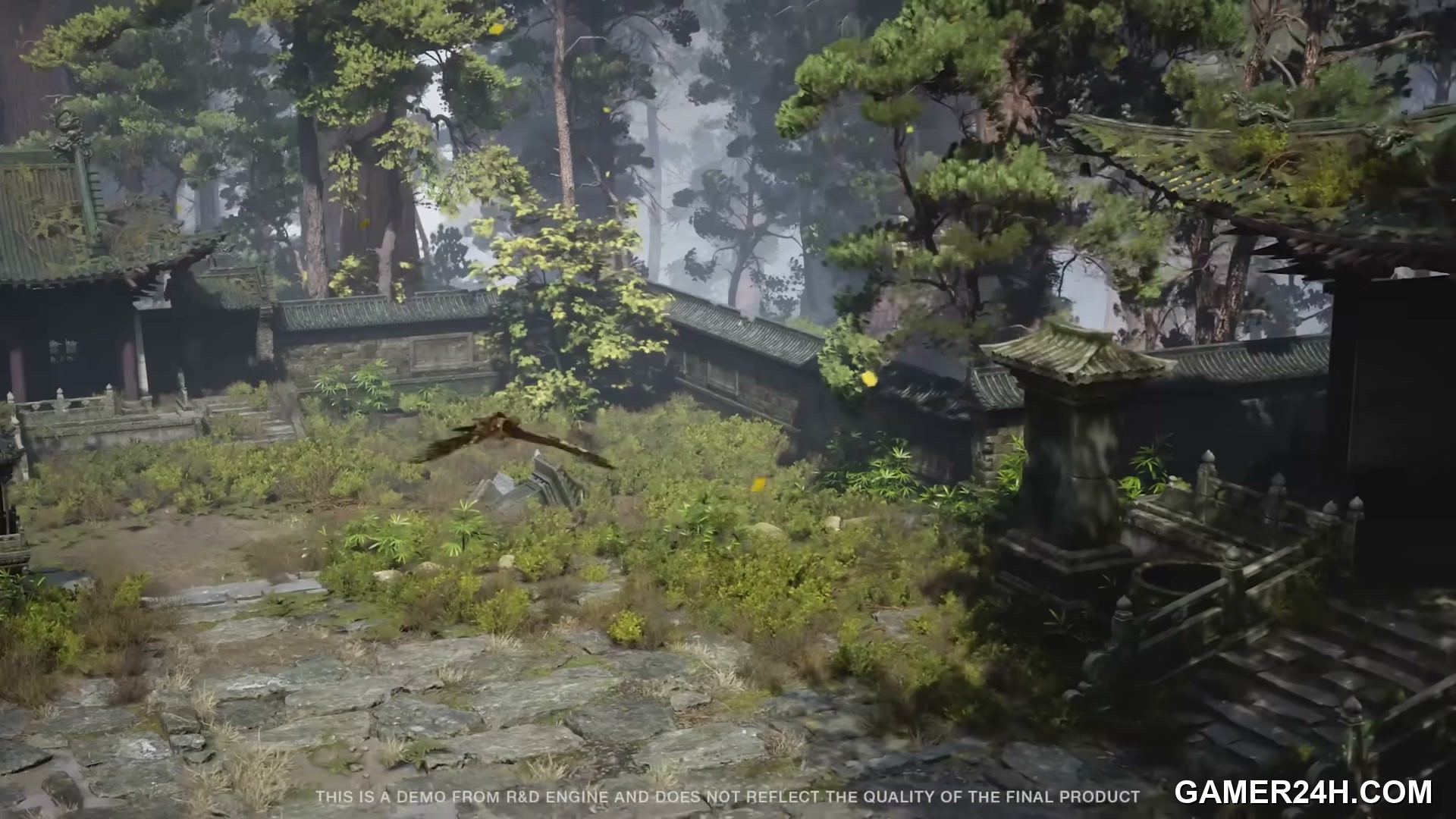
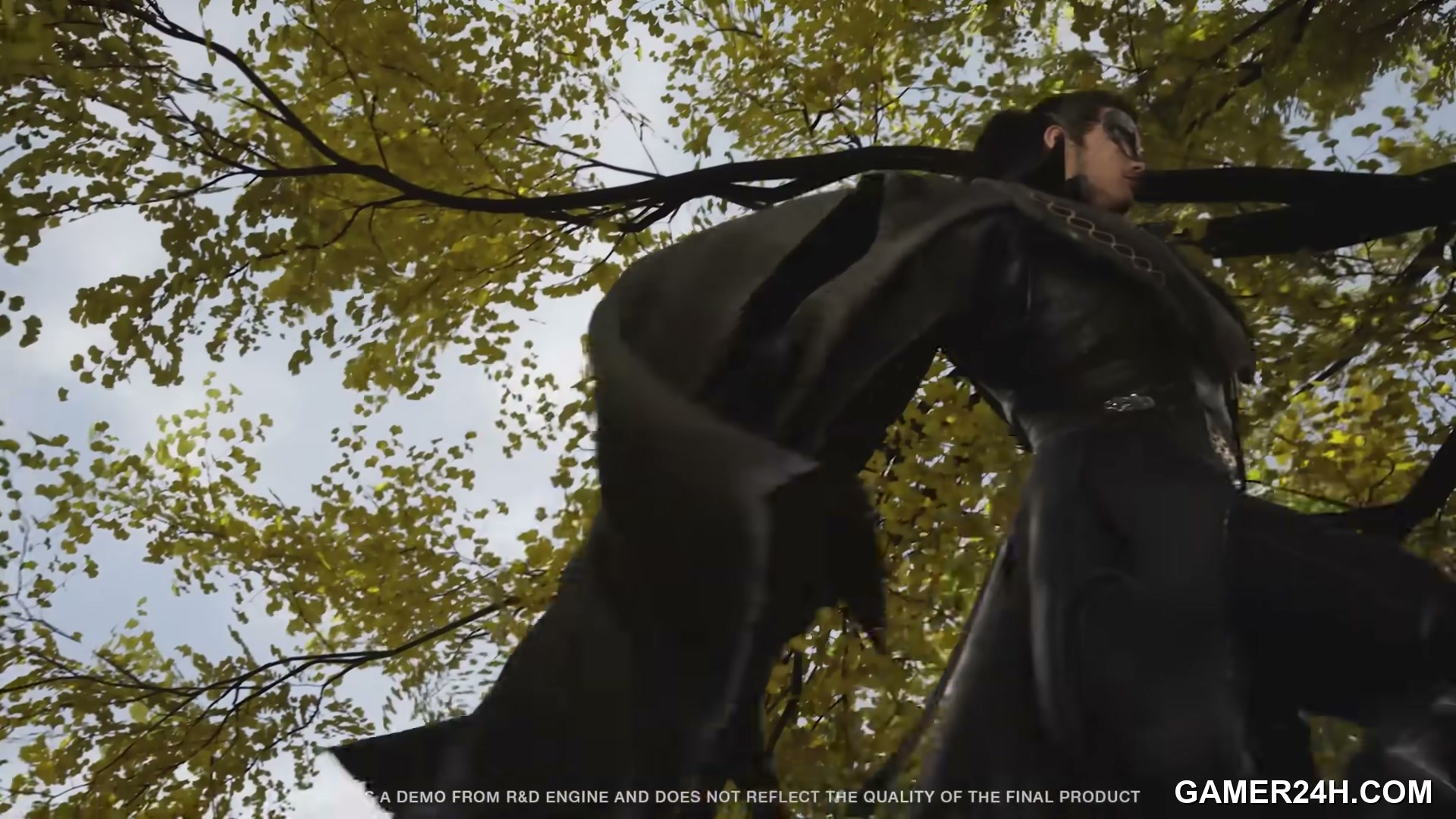
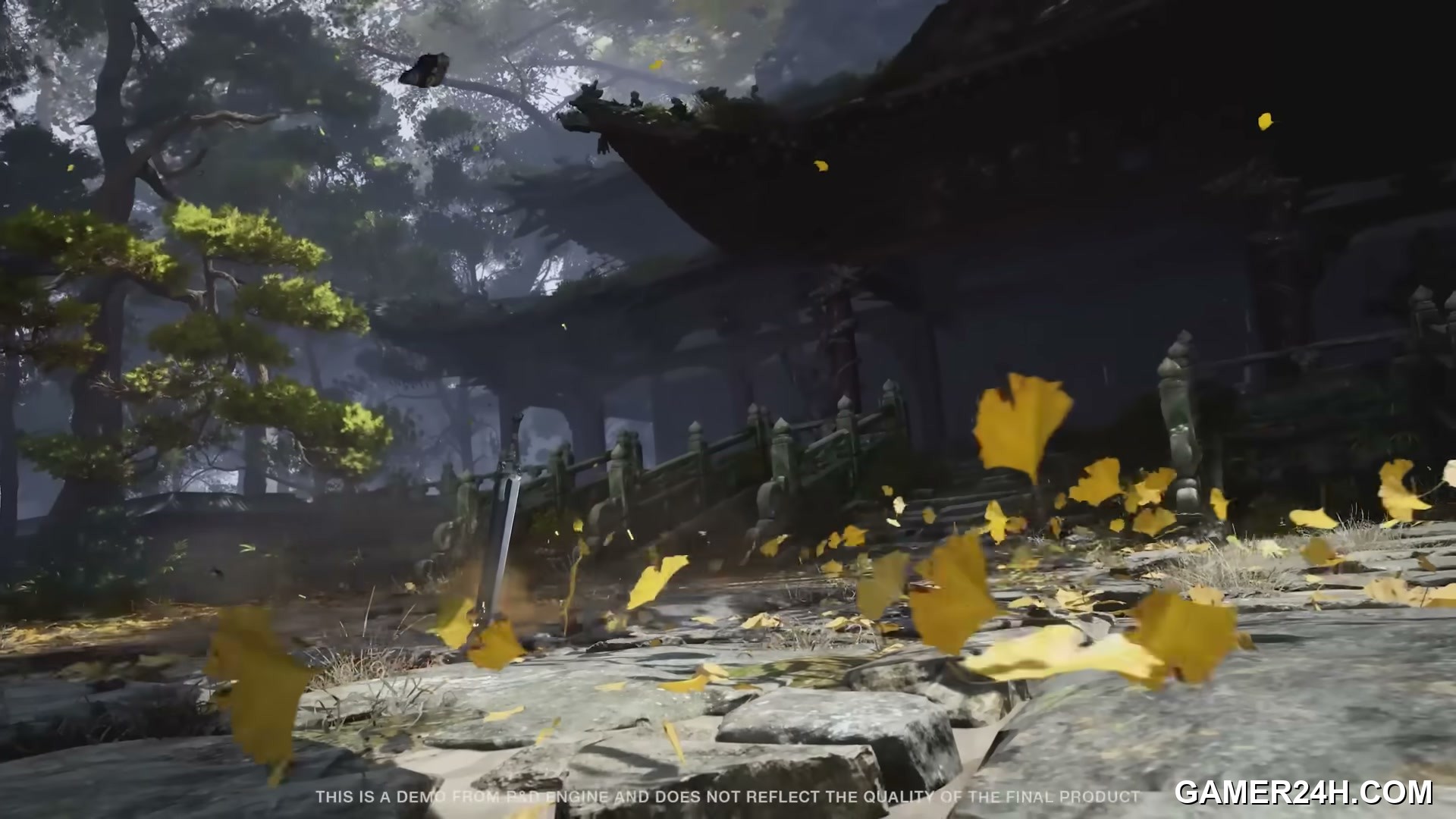
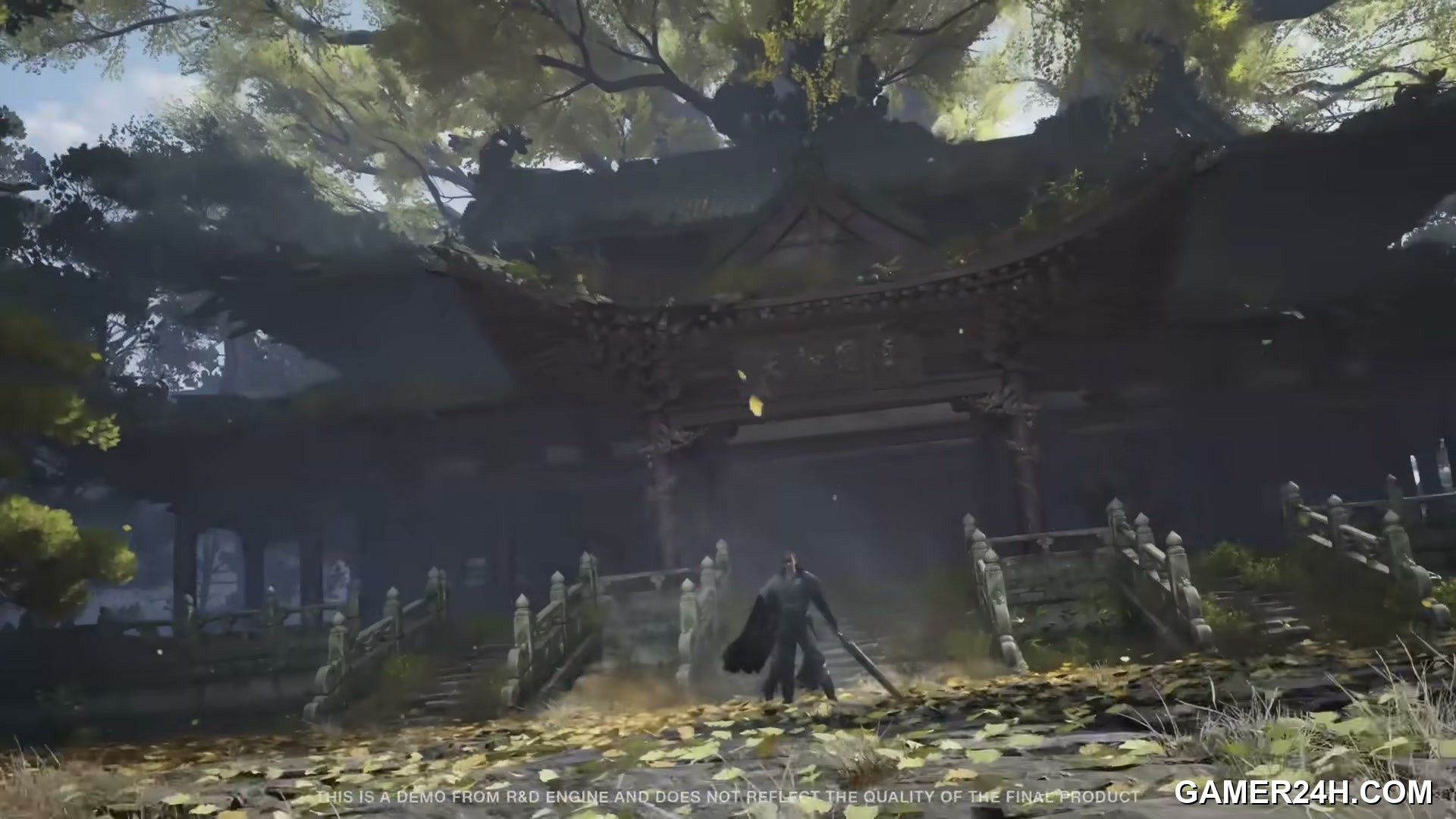
“Code: To Jin Yong” is not just about its gameplay mechanics; it’s an architectural marvel brought to life through Unreal Engine 5. The game’s visual fidelity is a testament to LightSpeed Studios’ commitment to pushing technological boundaries. Each environment, from the dimly lit corridors of secret facilities to the sun-drenched streets of bustling cities, is meticulously crafted with attention to detail that rivals cinematic productions.
The use of ray tracing and real-time global illumination creates an unparalleled sense of depth and realism. Shadows dance in response to dynamic lighting conditions, casting long, eerie shadows in dimly lit areas. Glass surfaces reflect the surroundings with perfect clarity, while subtle ambient occlusion adds a layer of texture to every corner of the game world.
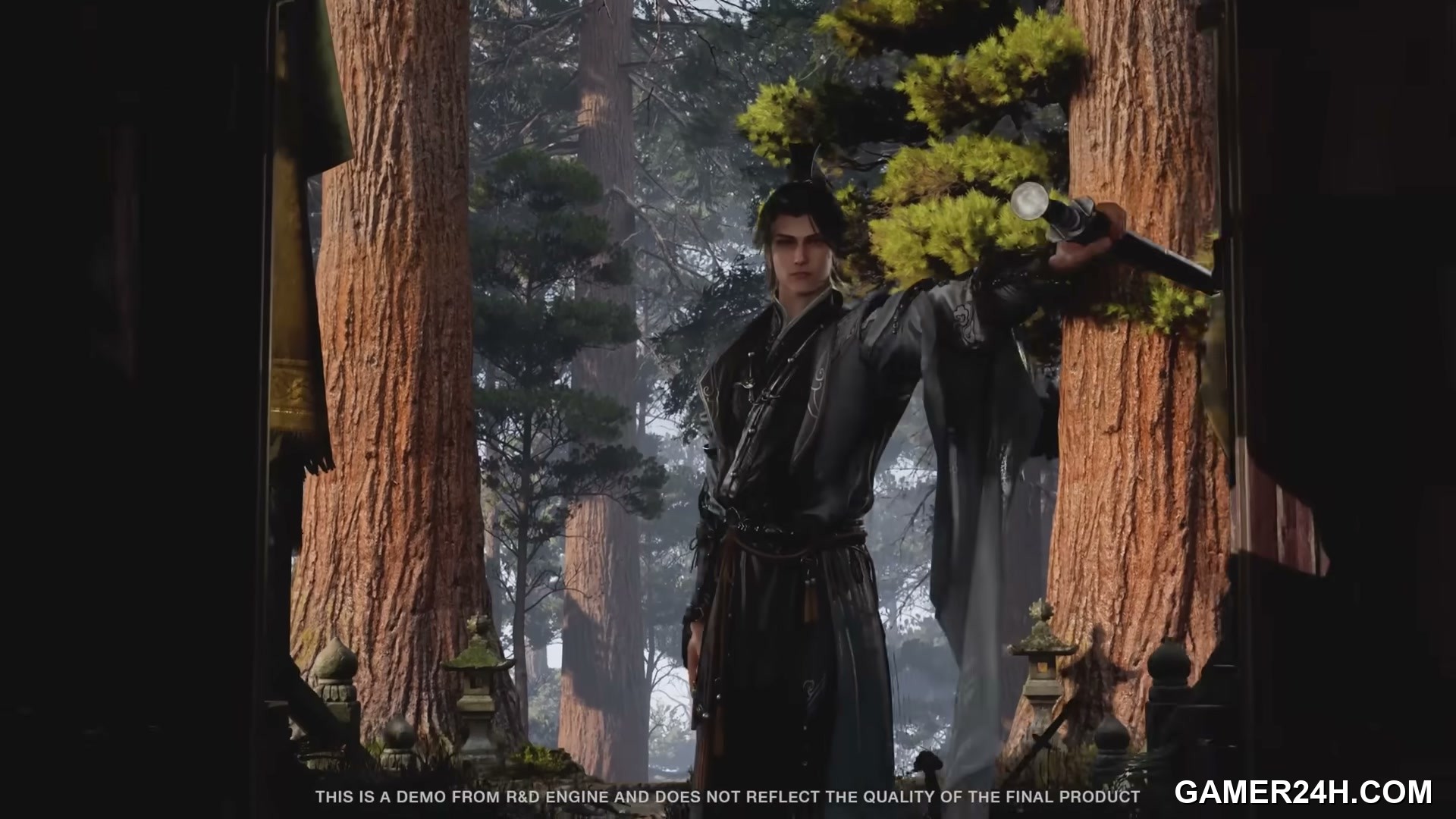
Moreover, character models are breathtakingly detailed, featuring highly realistic textures and fluid animations that bring each operative to life. From the sheen on polished metal to the wrinkles in fabric, every surface is rendered with meticulous care, immersing players in an environment where every pixel counts towards a richer gaming experience.
Combat & Systems: Tactical Espionage and Combat Dynamics
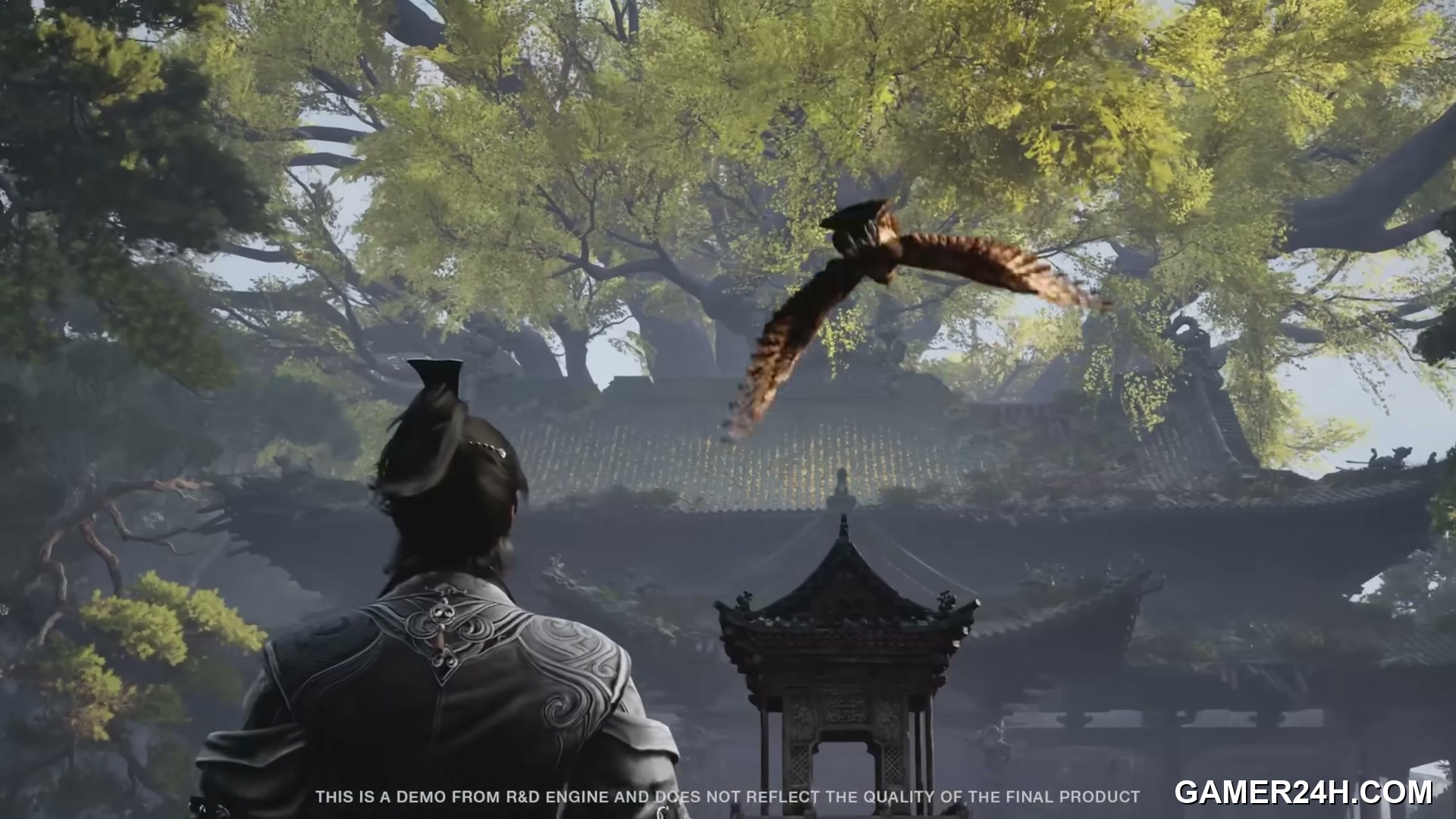
In “Code: To Jin Yong,” combat isn’t about brute force but rather precision and strategy. Lucia’s arsenal includes a variety of non-lethal weapons such as tranquilizers, smoke grenades, and stealth gadgets that allow players to incapacitate enemies without raising the alarm or compromising their mission objectives.
The combat system is deeply intertwined with the stealth mechanics, emphasizing tactical decision-making over sheer firepower. Players must carefully weigh their options: engage in a noisy fight that may alert nearby guards or remain hidden, utilizing environmental elements and distractions to outmaneuver foes without being detected.
Additionally, “Code: To Jin Yong” introduces an innovative system of “shadow manipulation,” allowing Lucia to control shadows within the game world. This feature can be used defensively to hide from enemies’ line of sight or offensively by creating false shadow movements to mislead and confuse adversaries.
Gameplay & Atmosphere Analysis: Portals and Tension
A defining element of “Code: To Jin Yong” is its use of unique portals that act as gateways between different dimensions. These portals serve not only as a gameplay mechanic but also heighten the game’s atmosphere, adding an extra layer of mystery and intrigue.
The strategic use of these portals allows players to bypass obstacles or infiltrate heavily guarded areas by taking unexpected routes. However, each portal is cloaked in secrecy and risk; crossing through one can lead to unpredictable outcomes, potentially placing Lucia in precarious situations that require quick thinking and adaptability.
Furthermore, the game’s audio design plays a crucial role in building tension. As players navigate through environments filled with potential dangers, every sound—be it footsteps echoing down an empty corridor or the faint hum of security systems—adds to the suspense. This auditory feedback is meticulously crafted to enhance immersion and keep players on edge at all times.
Narrative & Characters: The Architects’ Mystery and Lucia’s Mission

The narrative of “Code: To Jin Yong” revolves around a clandestine organization known as The Architects, whose true motives remain shrouded in secrecy. Players are introduced to the enigmatic world through Lucia—a seasoned operative who finds herself entangled in this web of conspiracy.
Lucia’s character development is central to the game’s storyline, with her past and motivations gradually unfolding over time. As she delves deeper into The Architects’ operations, uncovering hidden truths about their influence and power, players are left questioning everything they thought they knew.
Supporting characters add depth to the narrative, each contributing unique perspectives and challenges that enrich Lucia’s journey. These interactions not only serve to advance the plot but also offer glimpses into the wider universe of “Code: To Jin Yong,” hinting at a larger tapestry waiting to be explored in future installments.
Acoustic Preservation / Audio Design: Sounds of Silence and Combat
The audio design in “Code: To Jin Yong” is nothing short of exceptional, meticulously crafted to enhance the game’s atmosphere and gameplay experience. Sound designers have paid meticulous attention to every detail, ensuring that auditory cues are as impactful as visual ones.
One of the most striking aspects is the way silence is used to build tension. In moments when players navigate through enemy-controlled areas or stealthily approach a target, the absence of sound becomes just as significant as its presence. Background noises subtly change to reflect Lucia’s heart rate and breathing patterns, adding an extra layer of immersion.
Combat sequences are equally impressive in their audio design, with each weapon producing unique sounds that contribute to the game’s realism. Explosions reverberate through corridors, metallic clinks signal the use of gadgets, and distant alarms add urgency to combat scenarios. This attention to detail ensures that players feel fully immersed in every action-packed moment.
Critical Reception: Expectations and First Impressions
As anticipation builds for “Code: To Jin Yong,” early reviews from gaming enthusiasts and critics alike have been overwhelmingly positive, praising the game’s innovative gameplay mechanics, stunning visuals, and gripping narrative. However, such praise comes with a caveat—high expectations can often lead to heightened scrutiny.
The game has garnered attention not just for its technical prowess but also for its unique approach to stealth and combat. Early adopters have been particularly impressed by the seamless integration of shadow manipulation and portal usage into gameplay mechanics, describing them as fresh and engaging additions to the genre.
Despite these accolades, some players might find certain aspects challenging or initially confusing due to the game’s steep learning curve. The complex interplay between stealth, combat, and environmental manipulation requires a significant investment of time to master fully.
Conclusion: The Vanguard of Next-Gen Action
“Code: To Jin Yong” stands out as a beacon of innovation in an increasingly crowded gaming landscape. LightSpeed Studios has crafted a game that not only pushes the boundaries of technology but also redefines what is possible in terms of gameplay and narrative depth.
Through its stunning visuals, intricate combat systems, atmospheric design, and compelling storyline, “Code: To Jin Yong” sets itself apart as a must-play title for fans of action-adventure games. As players embark on Lucia’s mission to unravel the mysteries of The Architects, they are in for an unforgettable journey that promises to keep them engaged and enthralled from start to finish.
In conclusion, “Code: To Jin Yong” is more than just a game—it’s a testament to what can be achieved when creativity meets cutting-edge technology. It invites players into a world where every decision counts, and the shadows hold the key to victory. This title is poised to leave an indelible mark on the gaming industry, setting new standards for stealth-based action games in the years to come.