


इस गेम के बारे में
Introduction: The Next Chapter for Clash of Steel
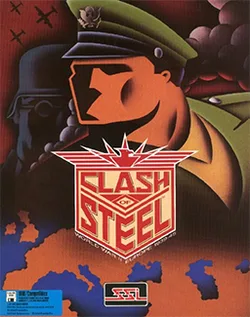
Strategic Simulations’ Clash of Steel, initially released in 1993, represents a pivotal moment in the evolution of grand strategy games. While its age might suggest limitations, the game’s core design principles and strategic depth continue to resonate with players seeking an authentic World War II experience. This deep-dive review explores the game’s strengths, weaknesses, and enduring legacy, examining how it laid the groundwork for future iterations and influenced the genre as a whole. Clash of Steel isn’s just a relic; it’s a foundational text in the grand strategy landscape.
Visual Direction and Graphics Engineering
Given its 1993 release date, Clash of Steel‘s visual presentation is understandably rudimentary by modern standards. The game utilizes a tile-based system to represent the map of Europe, with each tile depicting terrain features like forests, mountains, and cities. While lacking in detail, this approach allows for a broad overview of the conflict and facilitates strategic decision-making. Unit representation is similarly simplistic, relying on icons to denote different types of military forces. The game’s visual style prioritizes functionality over aesthetics, ensuring that gameplay remains uncluttered and easily digestible.
गेमप्ले Mechanics and Core Systems
The heart of Clash of Steel lies in its intricate gameplay mechanics. Players assume control of either Germany (Axis), the Allies, or the Soviet Union, each with unique strengths and weaknesses. The game features a robust system for managing resources, production, research, and military deployment. Strategic decisions regarding troop movements, supply lines, and technological advancements are crucial for achieving victory. Battles are resolved through a combination of unit statistics, terrain modifiers, and random chance, adding an element of unpredictability to the conflict. The depth of these systems allows for complex strategic planning and tactical execution.
Level Design and World Atmosphere
While Clash of Steel doesn’s feature traditional “levels,” the map of Europe itself serves as the game’s primary environment. Each tile represents a region with varying levels of importance, resource availability, and strategic value. The game effectively conveys the vastness of the conflict by allowing players to maneuver forces across an entire continent. While lacking in detailed environmental storytelling, the game successfully creates a sense of scale and immersion through its gameplay mechanics and strategic challenges.
Narrative Depth and Character Profiles
Clash of Steel focuses primarily on the strategic and tactical aspects of World War II, rather than delving deeply into character development or narrative storytelling. While historical events are reflected in the game’s unfolding scenarios, individual characters remain largely absent from the gameplay experience. The focus remains squarely on the grand sweep of history and the decisions made by military leaders.
Sound Design and Acoustic Realism
The sound design in Clash of Steel is similarly limited by the technology of its time. Sound effects are used sparingly to provide feedback on actions such as unit movement, combat, and resource production. While lacking in orchestral scores or immersive audio landscapes, the game’s sound design effectively reinforces the sense of urgency and strategic importance of each decision.
Release Expectations and Community Hype
Given its age, Clash of Steel doesn’t benefit from modern marketing campaigns or pre-release hype cycles. However, the game maintains a dedicated following among fans of grand strategy games who appreciate its historical accuracy, strategic depth, and challenging gameplay. The release of Clash of Steel: Future Edition further solidified the game’s legacy by addressing some of the original version’s shortcomings and providing an enhanced experience for players.
Conclusion: The Future of Clash of Steel
Clash of Steel represents a significant milestone in the evolution of grand strategy games. While its visual presentation and sound design may seem dated by modern standards, the game’s core gameplay mechanics, strategic depth, and historical accuracy continue to resonate with players seeking an authentic World War II experience. The game’s enduring legacy is evident in its continued popularity among fans of the genre and its influence on subsequent iterations.
Source: Wikipedia
बातचीत में शामिल हों