

About this game
Introduction: Stealth Espionage Reimagined
In an era where online gaming is not just about combat and strategy but also about immersive storytelling and visual splendor, BigFire Games has taken a bold leap into uncharted territories with their latest project, “Cinder City.” This massive multiplayer online (MMO) tactical shooter sets the stage for espionage like never before, challenging players to redefine what it means to be stealthy in a digital realm. With a blend of futuristic technology and atmospheric tension, “Cinder City” invites players into a world where every shadow tells a story and every sound could mean life or death.
The game’s narrative revolves around the enigmatic Architects—a powerful organization that controls the flow of information within Cinder City. Players take on the role of Lucia, an agent tasked with unraveling the secrets behind this clandestine group while navigating through its complex network of portals, each leading to different eras and environments. “Cinder City” promises a unique blend of gameplay mechanics, rich narrative depth, and stunning visuals that set it apart from other MMOs in the market.
Visual Splendor: Pushing the Limits of Unreal Engine 5
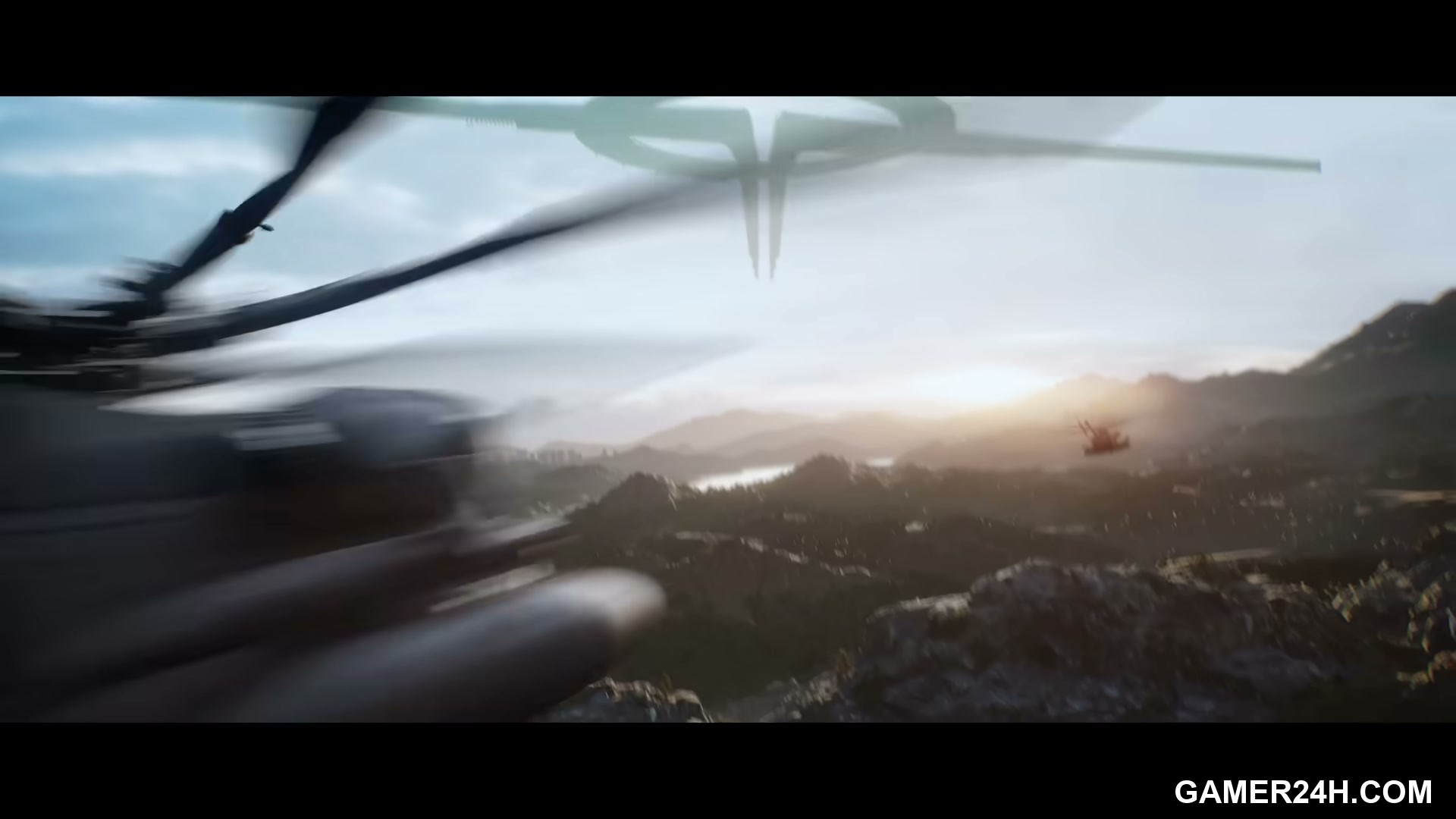
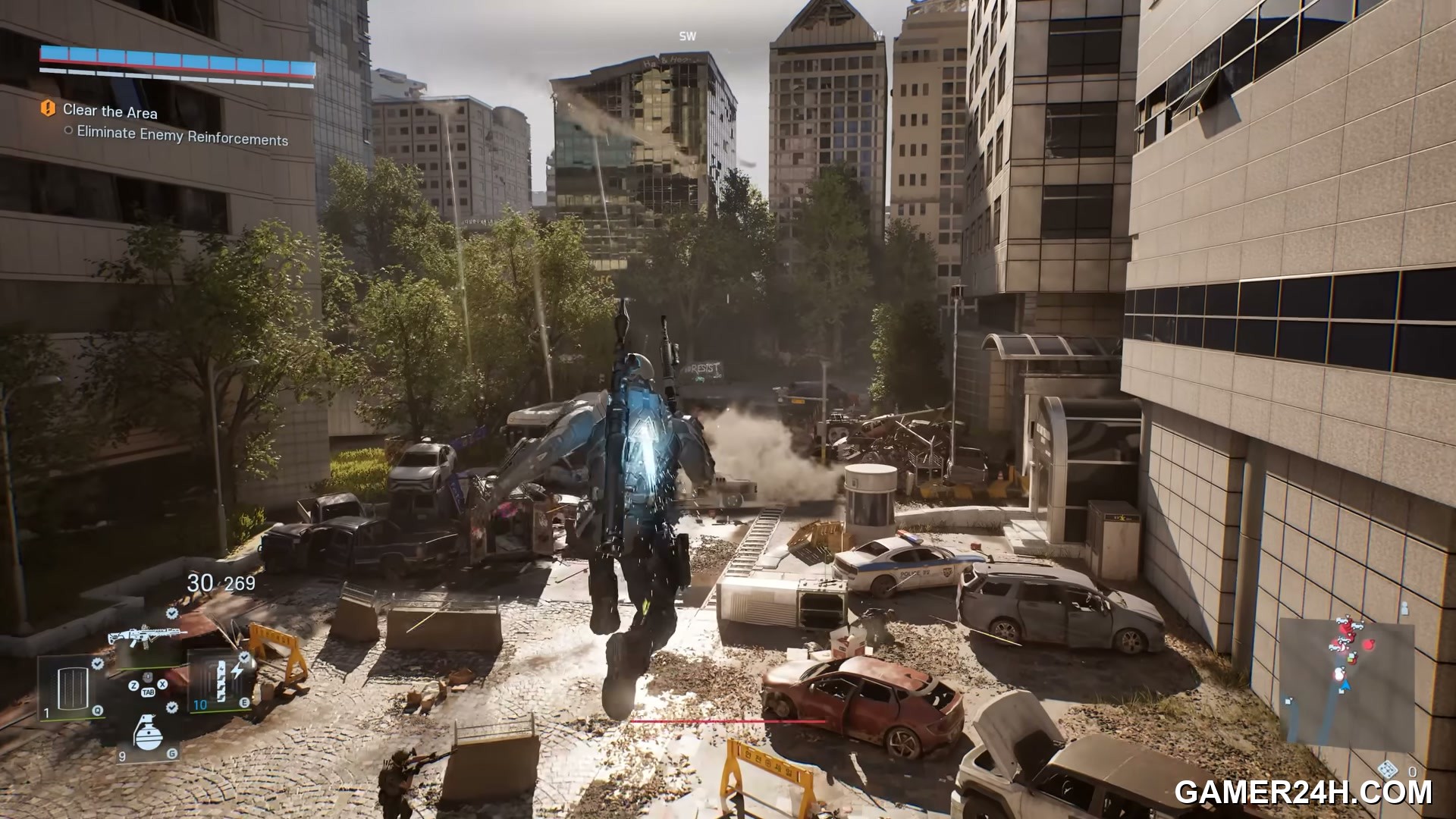
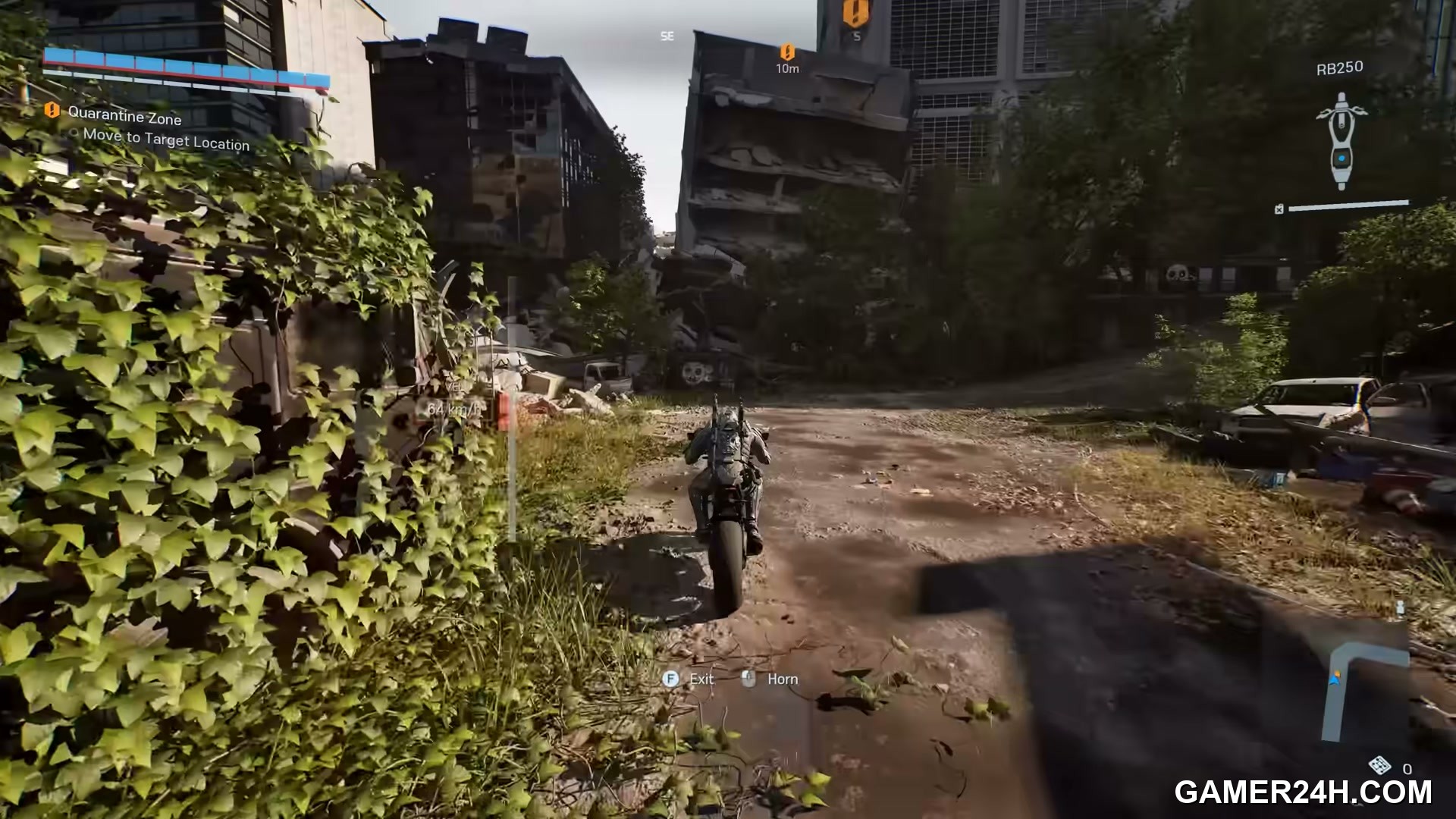
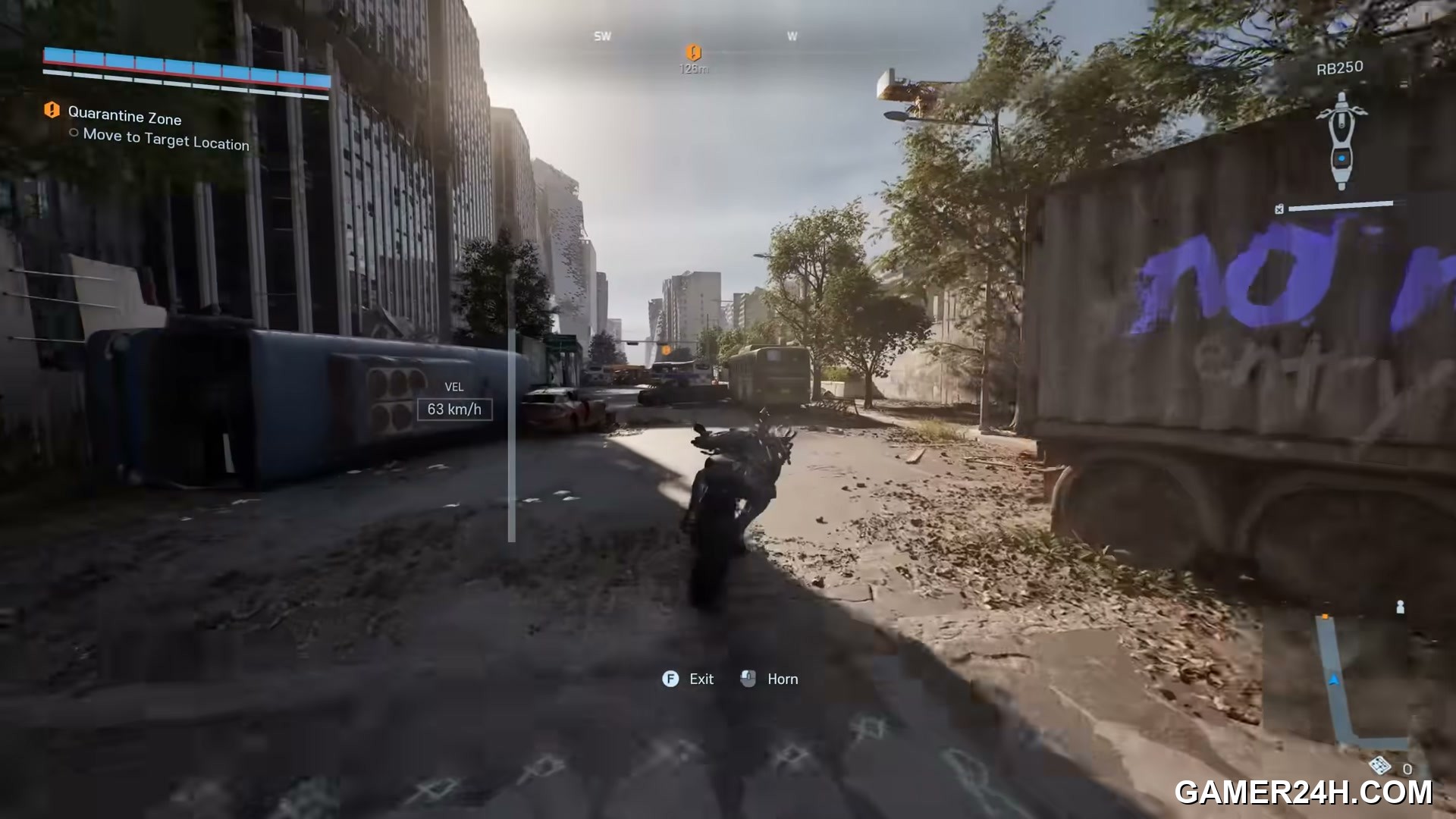
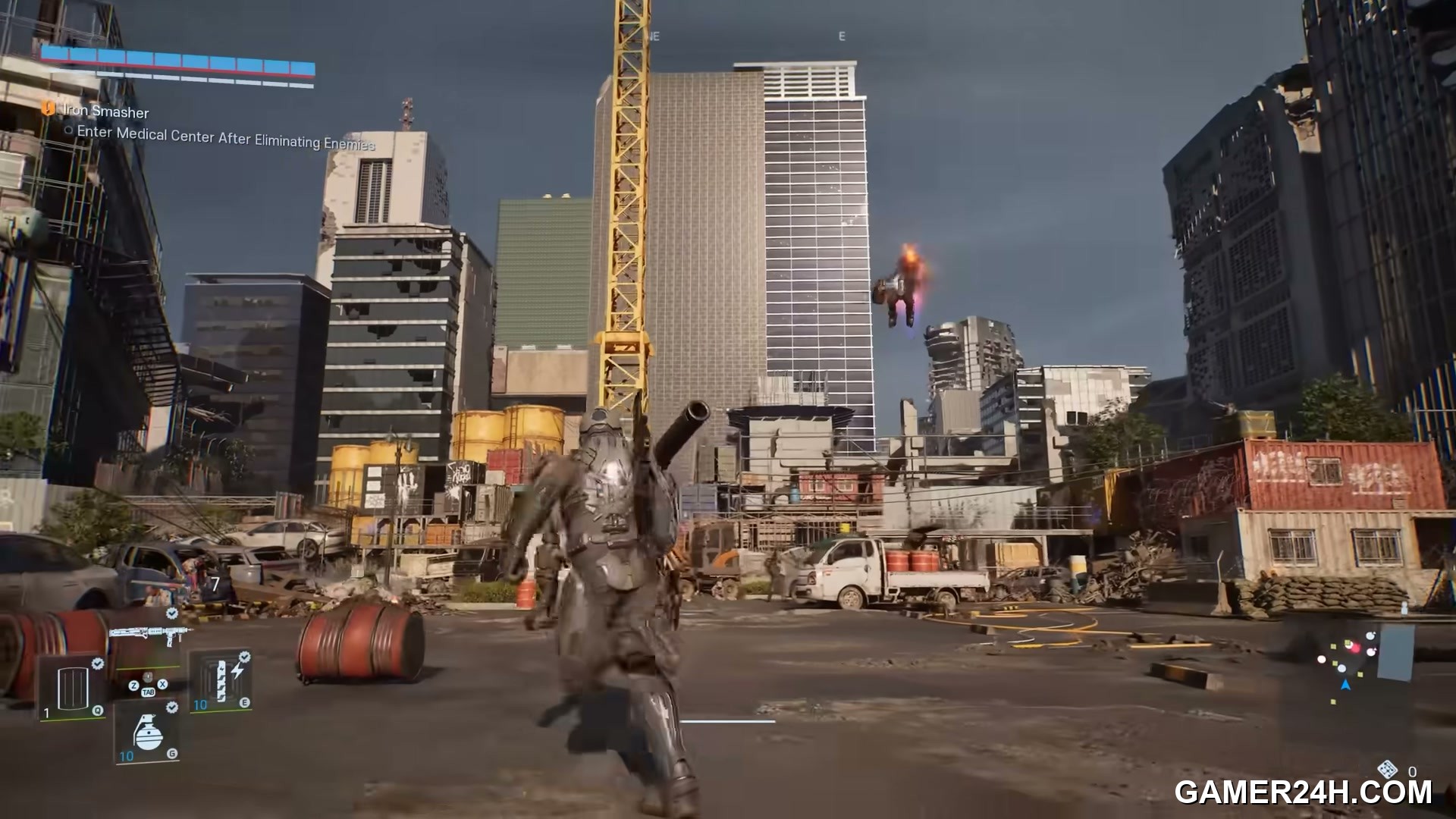
“Cinder City” is not just about its engaging storyline; it’s also a feast for the eyes. Developed using Unreal Engine 5, the game showcases cutting-edge graphics that blur the lines between reality and fantasy. From the neon-lit streets of Cinder City to the sprawling wilderness of ancient forests and futuristic cities, each environment is meticulously crafted with attention to detail.
The use of real-time ray tracing allows players to experience dynamic lighting effects and realistic reflections on surfaces, enhancing immersion like never before. Moreover, the game’s particle systems are a spectacle in their own right, creating a sense of depth and realism that breathes life into every corner of Cinder City. This visual fidelity is further enhanced by the seamless integration of physics-based animations, ensuring that even small elements such as water droplets or dust motes react naturally to player interactions.
Beyond its breathtaking aesthetics, “Cinder City” also excels in rendering complex characters with a high level of detail. Character models feature realistic skin textures, detailed clothing patterns, and expressive facial animations that convey a wide range of emotions. This level of visual fidelity not only serves the narrative but also enriches the player experience by making every interaction feel more personal.
Combat & Systems: Tactical Espionage and Combat Dynamics
At the heart of “Cinder City” lies its innovative combat system, which combines stealth tactics with fast-paced shooter mechanics. Players must utilize a variety of tools at their disposal to outmaneuver enemies and complete missions efficiently. This includes silent takedowns, hacking devices, and the strategic use of environmental elements for cover.
One of the standout features is the game’s portal system, allowing players to instantly shift between different points in time or space. This mechanic adds an extra layer of complexity and depth to combat scenarios, enabling creative strategies such as setting up traps across multiple locations or escaping danger by jumping through portals strategically placed around the environment.
Furthermore, “Cinder City” introduces a dynamic weather system that impacts gameplay significantly. Rainy conditions can obscure visibility, making it easier for players to remain undetected while also increasing the difficulty of long-range engagements due to reduced accuracy. Similarly, windy environments can affect movement and weapon handling, requiring players to adapt their tactics accordingly.
Another key aspect is the upgradeable gadgetry system, allowing agents to customize their equipment based on mission requirements or personal playstyle preferences. From non-lethal tranquillizers for stealthy operations to high-powered rifles for more aggressive approaches, the variety of options ensures that each player’s experience remains unique and tailored to their strengths.
Gameplay & Atmosphere Analysis: Portals and Tension
The gameplay in “Cinder City” is not just about combat; it’s an intricate dance of tension and precision. The game excels at creating an atmosphere where every step feels crucial, thanks largely to the strategic use of portals and environmental interactions.
Portals serve as both a blessing and a curse, offering rapid traversal but also attracting unwanted attention if used recklessly. Players must weigh the benefits of quick escapes against the risks of drawing enemies into unexpected areas. This dynamic creates a constant state of tension that permeates every aspect of gameplay, from sneaking past guards to planning complex ambushes.
The game’s level design is meticulously crafted to support this sense of urgency and unpredictability. Corridors are lined with potential hazards like tripwires and motion sensors, forcing players to think several steps ahead. Meanwhile, open areas present opportunities for wide-ranging engagements but also expose agents to counterattacks from multiple directions.
Environmental elements play a crucial role in shaping the gameplay experience as well. Shadowy corners offer temporary sanctuary, while bright spots can serve as advantageous vantage points or deadly traps. The interplay between light and darkness is particularly noteworthy, with players often finding themselves navigating through dimly lit passages to avoid detection before bursting into brightly-lit areas for quick strikes.
Additionally, the game’s sound design contributes significantly to this atmosphere of constant tension. Footsteps echo ominously in empty hallways, alarms signal imminent danger, and ambient noises provide context about enemy movements. All these elements work together seamlessly to immerse players deeply within Cinder City’s world, making each decision feel weighty and consequential.
Narrative & Characters: The Architects’ Mystery and Lucia’s Mission
At the core of “Cinder City” lies a compelling narrative that explores themes of power, control, and resistance. Players are introduced to the mysterious Architects—a shadowy organization that manipulates events across multiple timelines through their portal technology. As agents for an opposing faction known as The Sentinels, players take on the role of Lucia—a skilled operative tasked with infiltrating Architect facilities and uncovering their ultimate goals.
Lucia’s journey is marked by personal stakes intertwined with broader strategic objectives. Early in the story, she discovers that her sister was involved in a failed mission against the Architects years ago, leading to a tragic outcome. This revelation adds emotional depth to Lucia’s character, driving her not only to seek vengeance but also to understand the full scope of The Architects’ influence.
Throughout their adventures, players encounter various other characters who provide crucial information and support along the way. These include fellow agents with unique backgrounds and skills as well as enigmatic figures within Architect ranks who may hold key secrets about their operations. Each interaction contributes layers of complexity to Lucia’s mission, challenging her to navigate moral dilemmas and form strategic alliances.
The narrative unfolds through a combination of cutscenes, dialogue options during missions, and interactive objects scattered throughout the environment. This multifaceted storytelling approach allows players to engage deeply with both plot developments and character arcs, fostering empathy for Lucia’s plight while revealing intriguing aspects about The Architects themselves.
Moreover, “Cinder City” offers branching paths that allow different outcomes based on player choices, impacting how future events unfold. This element of choice adds replay value and encourages multiple playthroughs as players explore various possibilities within the game’s complex web of alliances and conflicts.
Acoustic Preservation / Audio Design: Sounds of Silence and Combat
The audio design in “Cinder City” plays a pivotal role in enhancing both its immersive atmosphere and gameplay mechanics. The blend of ambient sounds, strategic cues, and dynamic combat effects creates an auditory landscape that complements the game’s visual splendor and narrative depth.
Silence is often as telling as sound in this environment. Moments of quiet can signify safety or impending danger, requiring players to remain vigilant even when no immediate threats are apparent. The subtle rustling of leaves underfoot or the faint hum of distant machinery serves not only to heighten realism but also to prime players for sudden action.
During combat sequences, precision and timing become paramount thanks to meticulously crafted audio cues. Footsteps echo differently across various surfaces, allowing agents to gauge their surroundings based on sound alone. Meanwhile, enemy movements are signaled through a combination of vocal warnings and environmental noises like alarms or door slams, giving players crucial windows for counterattacks.
Environmental sounds further enrich the gameplay experience by reacting dynamically to player actions. For example, breaking glass may trigger immediate alerts from nearby guards, while throwing objects can create temporary distractions. Such interactive elements underscore the importance of audio awareness in achieving strategic objectives and maintaining stealth.
Beyond its functional aspects, the soundtrack in “Cinder City” adds an emotional layer that enhances immersion. Soft piano melodies during quieter moments evoke a sense of isolation and reflection, contrasting sharply with intense orchestral scores during high-stakes confrontations. This juxtaposition underscores Lucia’s journey from vulnerability to strength as she navigates through the complexities of her mission.
In summary, “Cinder City” leverages its audio design to create an engaging and immersive experience that complements its visual aesthetics and narrative elements perfectly. By balancing subtle cues with dramatic effects, it ensures players remain fully engaged both strategically and emotionally throughout their adventures within this vibrant yet treacherous world.
Critical Reception: Expectations and First Impressions
As anticipation builds for the release of “Cinder City,” industry experts and gaming enthusiasts alike have begun to share their initial impressions based on early access previews and demo releases. The game has garnered considerable buzz among players who are drawn to its unique blend of stealth mechanics, tactical combat, and immersive storytelling.
Critics praise the title’s innovative use of portals as a central gameplay mechanic, highlighting how it adds depth and complexity to both exploration and combat scenarios. Reviews also commend the game’s commitment to realism through advanced visual effects and environmental interactions, noting that these elements contribute significantly to the overall atmosphere of tension and suspense.
However, some initial feedback points out areas for improvement in terms of user interface (UI) design and character movement optimization. Early testers suggest that certain UI elements could be more intuitive, particularly those related to weapon management and gadget deployment during fast-paced action sequences. Additionally, there are suggestions for refining character agility and responsiveness to enhance the fluidity of navigation through dynamic environments.
Despite these minor critiques, the overwhelming sentiment surrounding “Cinder City” is one of excitement and anticipation. Its distinctive approach to stealth-based gameplay combined with rich narrative depth positions it as a standout title in the competitive MMO landscape. As more players dive into its intricate world, expectations continue to rise for what promises to be an unforgettable gaming experience.
Conclusion: The Vanguard of Next-Gen Action
“Cinder City” stands out not just among other MMO titles but also as a pioneering entry in the realm of next-gen action games. Its seamless integration of stealth elements with fast-paced combat dynamics, coupled with stunning visuals and an engaging narrative framework, sets it apart from its contemporaries.
By pushing technological boundaries through Unreal Engine 5 while maintaining a strong focus on gameplay mechanics and storytelling, BigFire Games has crafted a title that appeals to both casual gamers seeking entertainment value and hardcore enthusiasts looking for depth and complexity. The portal system and dynamic environmental interactions offer endless possibilities for creative playstyles, ensuring longevity and replayability.
As anticipation mounts ahead of its full release, “Cinder City” is poised to make waves in the gaming community, setting new benchmarks for what can be achieved with innovative design and compelling narratives. It remains to be seen how it will fare against established players in the market; however, initial feedback suggests that BigFire Games has crafted a game capable of leaving an indelible mark on the landscape of modern action games.
.single-share-action-btn:hover { transform: translateY(-2px); box-shadow: 0 6px 20px rgba(37, 99, 235, 0.4) !important; background: linear-gradient(135deg, #0369a1 0%, #1d4ed8 50%, #4338ca 100%) !important; } .single-share-action-btn:active { transform: translateY(0); box-shadow: 0 2px 8px rgba(37, 99, 235, 0.2) !important; } .share-section, .entry-share, .post-share-bar { display: none !important; }Gallery



No comments