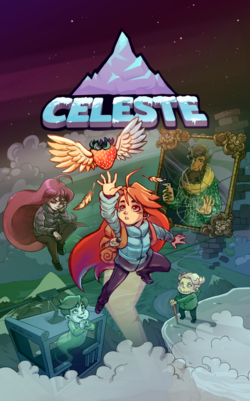
Introduction: The Next Chapter for Celeste
Celeste, a 2018 platformer developed and published by Maddy Makes Games, transcends the typical gaming experience. It’s not just about reaching the summit; it’s a poignant exploration of mental health struggles, self-discovery, and perseverance. This Masterclass Deep-Dive will dissect every facet of Celeste, from its minimalist visuals to its emotionally resonant narrative, offering an in-depth analysis for seasoned gamers and aspiring developers alike. The game quickly garnered critical acclaim and a dedicated fanbase, solidifying its place as a modern classic.
Visual Direction and Graphics Engineering
Celeste’s pixel art style is deceptively simple. While seemingly basic, the visual design is meticulously crafted to evoke a sense of isolation and vulnerability. The limited color palette emphasizes the stark beauty of Celeste Mountain, while subtle animations bring Madeline’s struggles to life. The developers leveraged the capabilities of Microsoft XNA to achieve this aesthetic, optimizing performance without sacrificing artistic vision. This careful balance between visual fidelity and technical constraints is a hallmark of indie game development at its finest. The use of dithering techniques adds depth and texture to the pixel art, creating an immersive experience despite the limitations of the engine.
Gameplay Mechanics and Core Systems
The core gameplay loop in Celeste revolves around precise platforming challenges. Madeline’s movement is tight and responsive, demanding skillful execution of jumps, dashes, and wall climbs. The game introduces new mechanics gradually, ensuring a consistent learning curve that never feels overwhelming. “Assist Mode,” a unique feature, allows players to customize the difficulty by slowing down the gameplay or granting Madeline extra lives. This inclusivity makes Celeste accessible to a wider audience without compromising the core experience for those seeking a greater challenge. The game’s difficulty is notoriously high, but the satisfaction of overcoming each obstacle is immensely rewarding.
Level Design and World Atmosphere
Celeste Mountain is more than just a backdrop; it’s a character in its own right. Each chapter presents unique environmental challenges, from icy peaks to crumbling ruins. The level design is intricate and demanding, requiring players to master Madeline’s abilities to progress. Hidden collectibles and optional routes encourage exploration and reward skillful play. The atmosphere is consistently melancholic yet hopeful, reflecting Madeline’s internal struggles. The game uses verticality effectively, creating a sense of scale and emphasizing the arduous journey ahead.
Narrative Depth and Character Profiles
Celeste’s narrative is deeply personal and introspective. Madeline’s struggle with anxiety and depression is portrayed with sensitivity and nuance. “Badeline,” Madeline’s manifestation of self-doubt, serves as both an antagonist and a reflection of her inner turmoil. The game explores themes of self-forgiveness, resilience, and the importance of seeking help. The supporting characters, though few in number, add depth to the world and offer glimpses into Madeline’s past. The narrative is subtly woven into the gameplay, creating a cohesive and emotionally resonant experience.
Sound Design and Acoustic Realism
The sound design in Celeste is crucial to its atmosphere. Lena Raine’s soundtrack perfectly complements the visuals, ranging from melancholic piano melodies to upbeat electronic tracks that accompany more intense platforming sequences. The subtle environmental sounds, such as wind whistling through the mountains or rocks crumbling beneath Madeline’s feet, add a layer of realism and immersion. The sound effects are carefully crafted to provide feedback on Madeline’s actions, making her movements feel precise and impactful.
Release Expectations and Community Hype
Prior to its release, Celeste generated significant buzz within the indie gaming community. Its unique blend of challenging gameplay, compelling narrative, and striking visuals made it a highly anticipated title. The developers actively engaged with fans on social media, sharing updates on development progress and soliciting feedback. The positive reception from early adopters fueled further hype, culminating in a successful launch that exceeded expectations.
Conclusion: The Future of Celeste
Celeste is more than just a game; it’s an experience. Its challenging gameplay, emotionally resonant narrative, and striking visuals have cemented its place as a modern classic. The developers’ commitment to accessibility through “Assist Mode” broadened its appeal, while the overall quality ensured that it resonated with hardcore gamers seeking a true test of skill. The legacy of Celeste continues to inspire indie developers and players alike, proving that even seemingly simple games can have a profound impact.
Source: Wikipedia


