Introduction: The Next Chapter for Castlevania: Order of Ecclesia
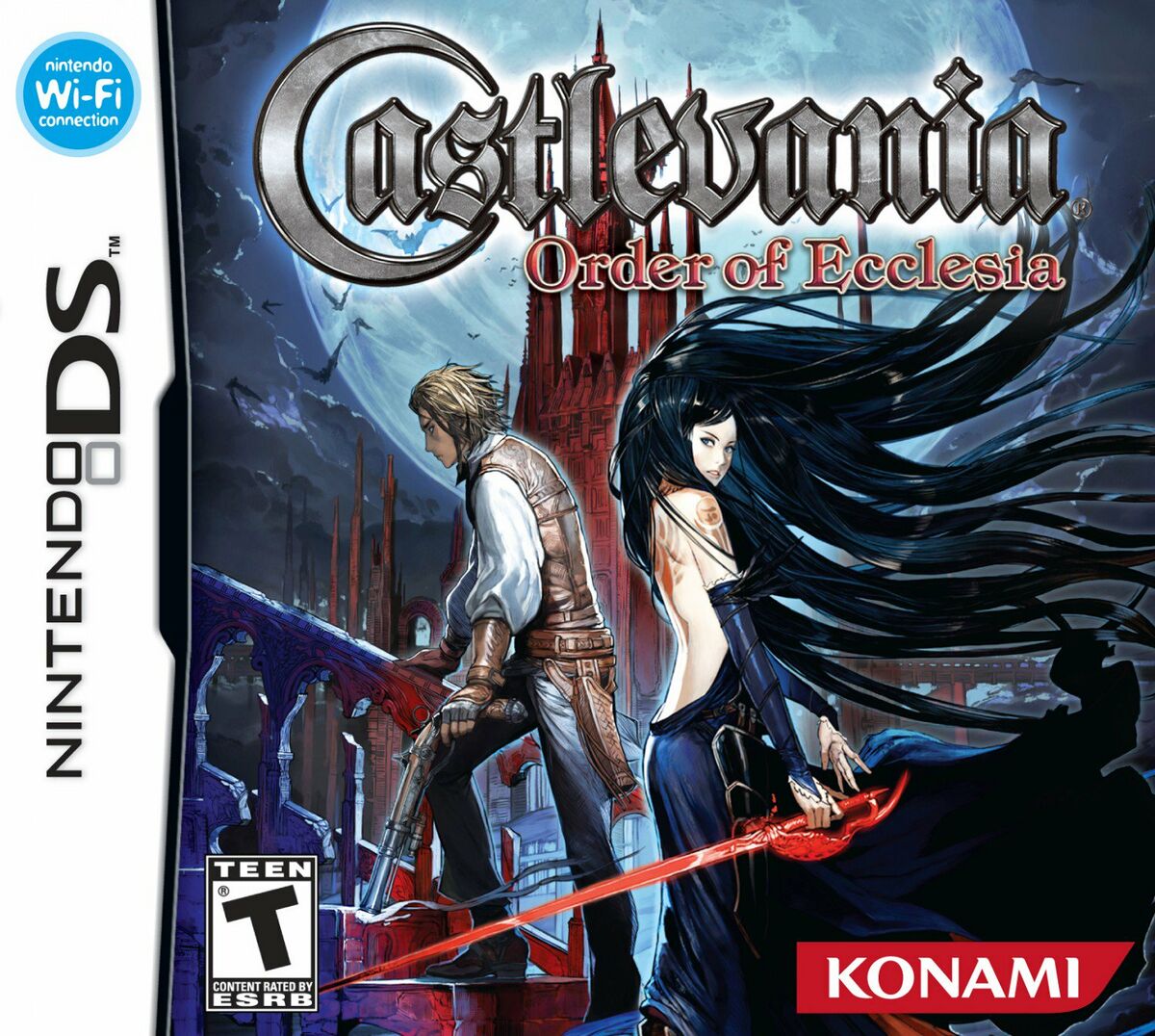
Castlevania: Order of Ecclesia, released in 2008 for the Nintendo DS, represents a fascinating entry point into the storied franchise. While not as widely celebrated as some of its predecessors, it offers a unique blend of classic Castlevania gameplay with innovative mechanics that distinguish it from the pack. Directed by Akihiro Minakata and featuring Koji Igarashi’s continued involvement, Order of Ecclesia delves into a world where the Belmont clan has seemingly vanished, leaving the burden of Dracula’s defeat to a new generation of vampire hunters. The game’s re-release as part of the Castlevania Dominus Collection on modern platforms breathes new life into this often-overlooked gem, allowing a wider audience to experience its charms.
Visual Direction and Graphics Engineering
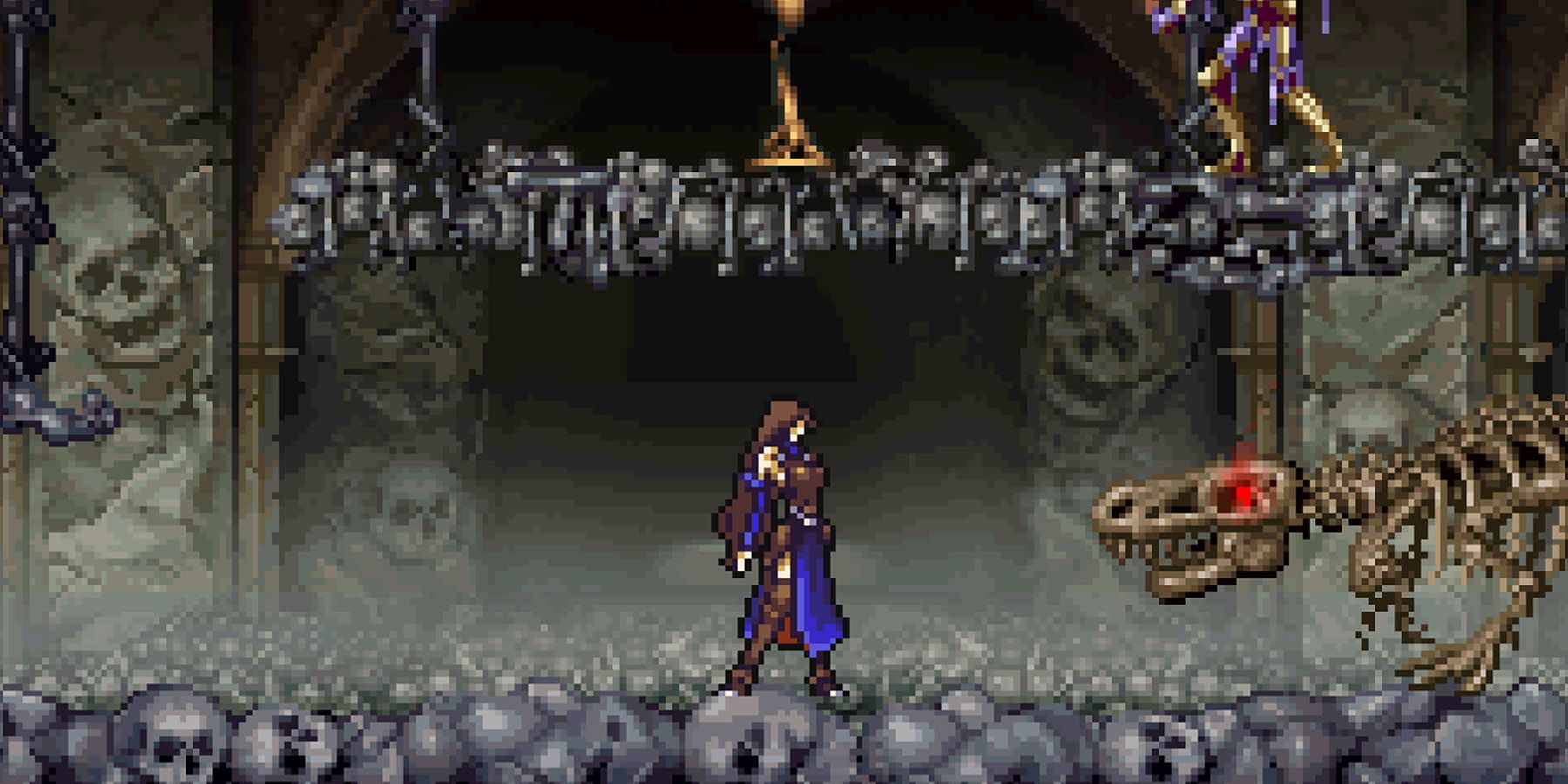
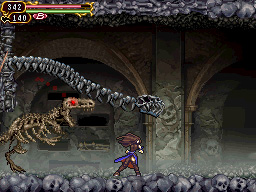
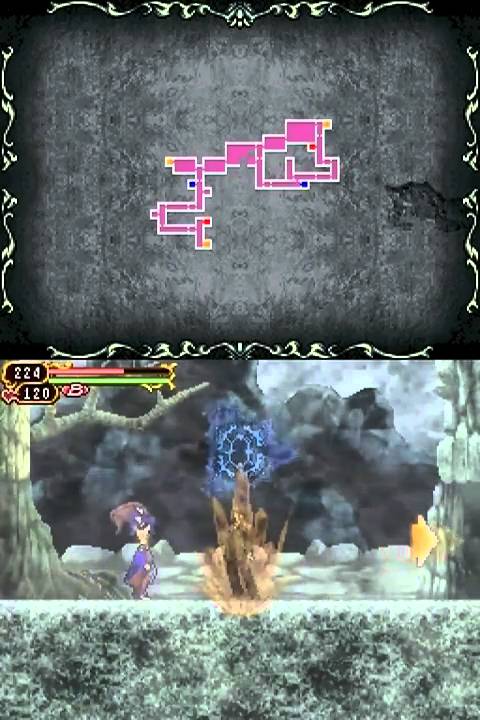
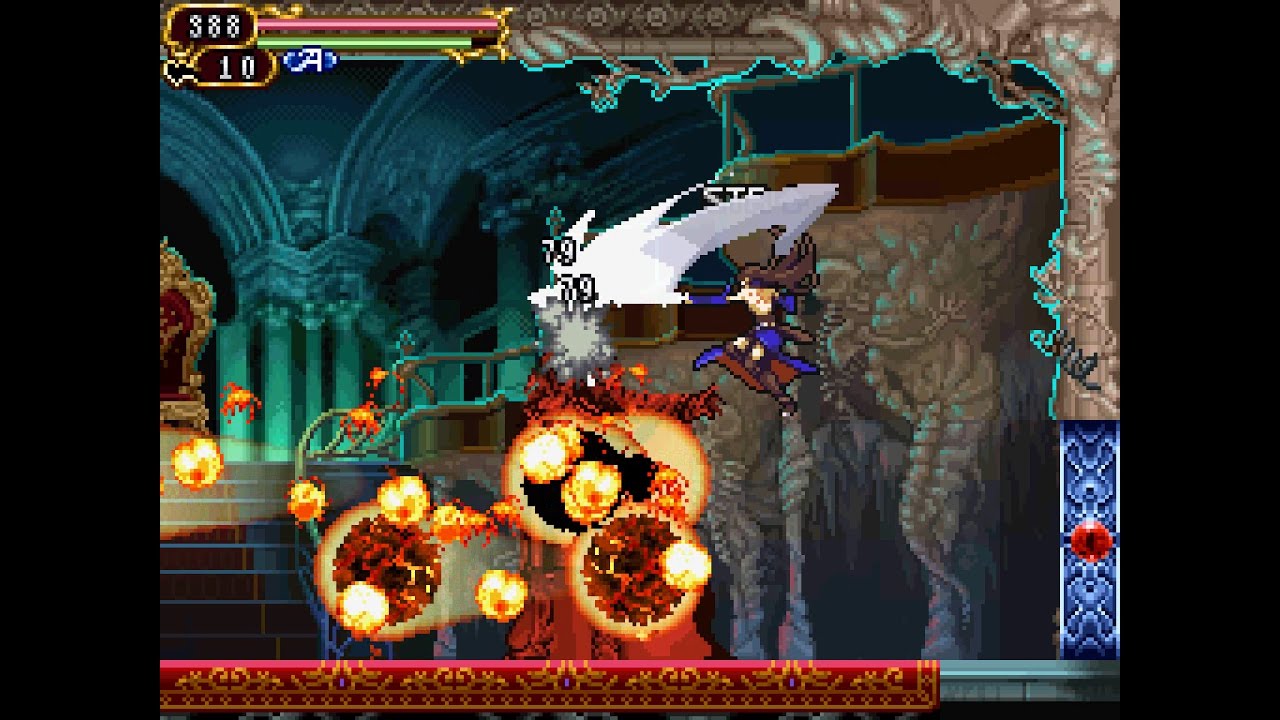
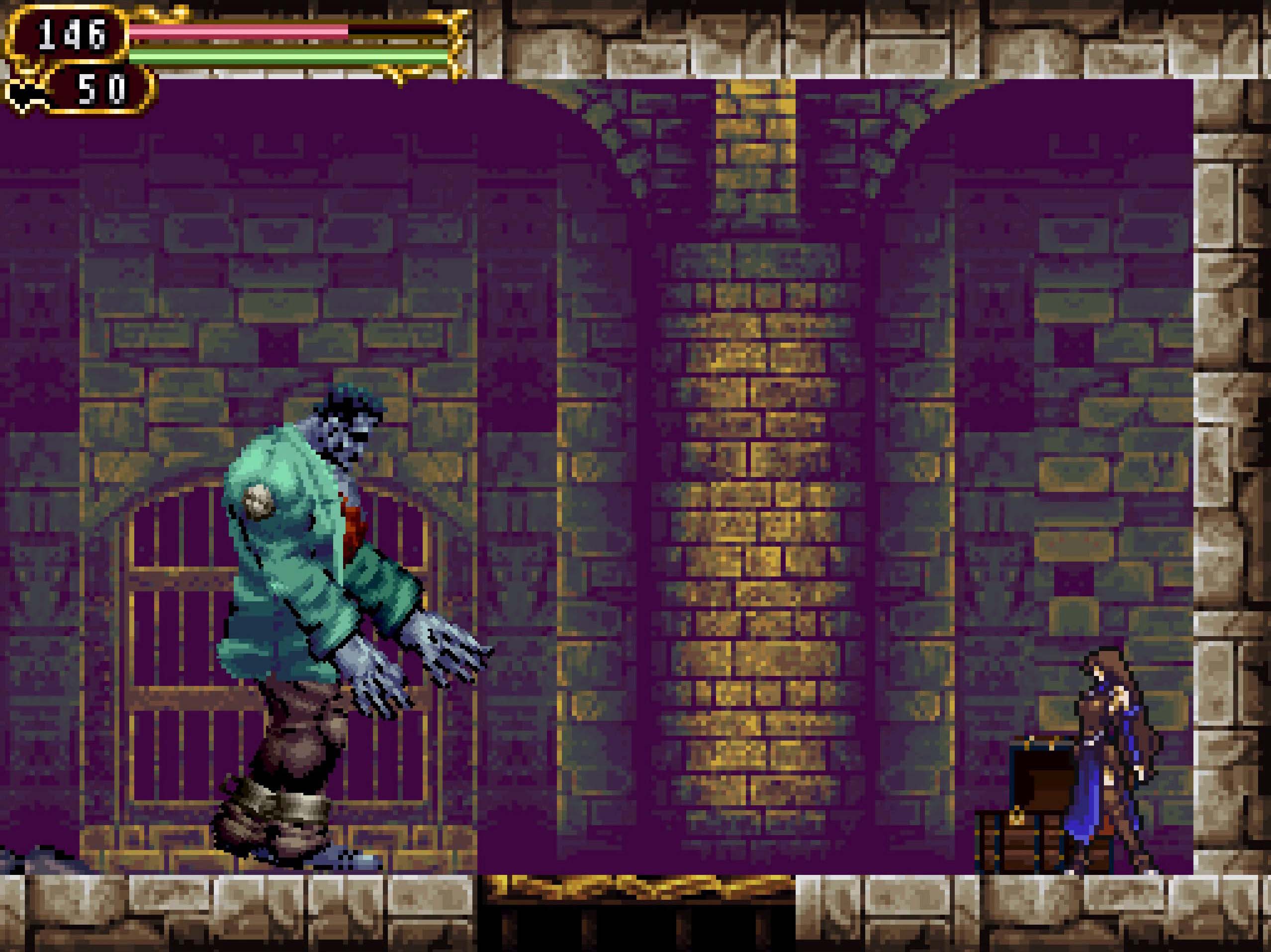
Given the limitations of the Nintendo DS hardware, the visual direction in Order of Ecclesia is surprisingly effective. The game utilizes a 2D perspective with detailed sprites and environments that evoke the gothic horror aesthetic synonymous with Castlevania. While not pushing any graphical boundaries, the art style manages to create a sense of atmosphere and depth. The use of layering and parallax scrolling adds dimension to the backgrounds, making them feel more immersive. The character designs are faithful to the series’ history, while also introducing new and memorable characters. The Dominus Collection remastering likely enhances these visuals, bringing a sharper and cleaner look to the game without sacrificing its original charm.
Gameplay Mechanics and Core Systems
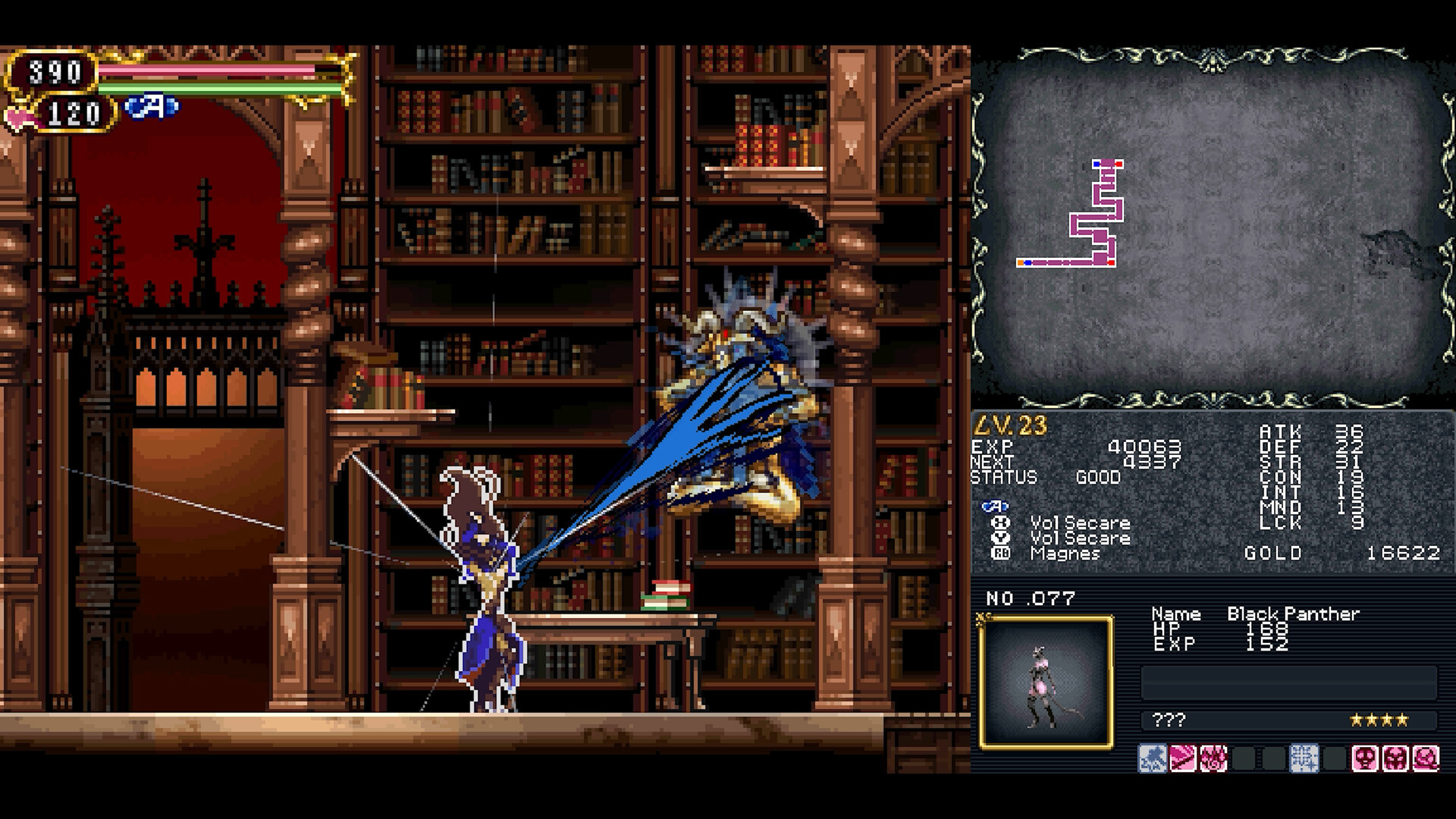
Order of Ecclesia distinguishes itself with its innovative “Glyph System.” This system allows players to equip various glyphs – icons representing different abilities and attacks – onto Shanoa’s arms and back. These glyphs can be acquired by defeating enemies or completing challenges, offering a wide range of customization options. The Glyph System encourages experimentation and strategic thinking, as players must carefully consider which combinations will best suit their playstyle and the challenges they face. The game also features classic Castlevania elements such as platforming, combat, and exploration, all seamlessly integrated with the Glyph System to create a unique gameplay experience.
Level Design and World Atmosphere
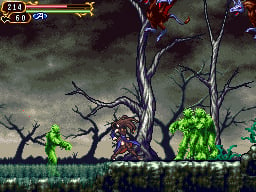
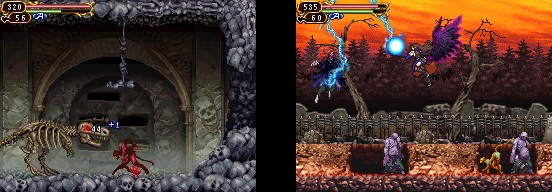
The level design in Order of Ecclesia is meticulously crafted, offering a diverse range of environments that are both visually stunning and strategically challenging. From sprawling castles to eerie forests, each location is imbued with a distinct atmosphere that contributes to the game’s overall sense of gothic horror. The layout of each level encourages exploration, rewarding players who take the time to uncover hidden secrets and optional challenges. The use of verticality adds another layer of complexity to the gameplay, requiring players to master precise platforming skills to navigate the treacherous environments.
Narrative Depth and Character Profiles
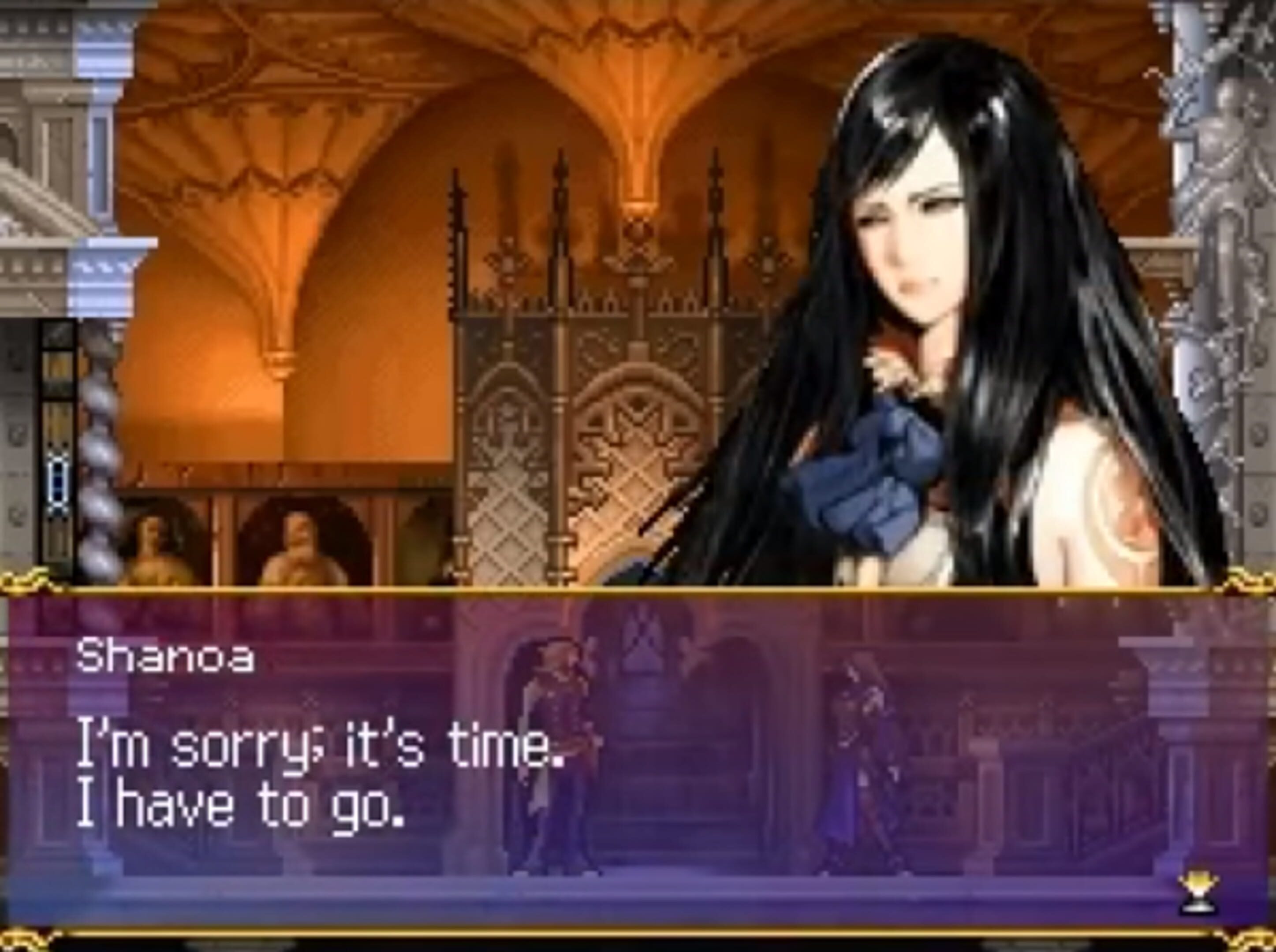
While not as heavily emphasized as in some other Castlevania titles, Order of Ecclesia features a compelling narrative that explores themes of duty, sacrifice, and the enduring struggle against evil. Shanoa, the protagonist, is a complex and relatable character who must rise to the occasion and confront her own limitations in order to protect humanity from Dracula’s return. The supporting cast is equally well-developed, each with their own motivations and backstories that add depth to the overall narrative. The game’s story unfolds through a series of cutscenes and dialogue sequences, providing context for the player’s actions and deepening their connection to the characters.
Sound Design and Acoustic Realism
The sound design in Order of Ecclesia is crucial to its success, creating an immersive audio landscape that enhances the overall experience. The soundtrack features a blend of orchestral arrangements and synthesized melodies, perfectly capturing the game’s gothic horror aesthetic. Sound effects are equally well-executed, adding impact to combat encounters and creating a sense of tension during exploration. The use of ambient sounds further immerses the player in the game world, making them feel like they are truly present in the haunted environments.
Release Expectations and Community Hype
The re-release of Order of Ecclesia as part of the Castlevania Dominus Collection has generated significant excitement within the gaming community. Many long-time fans have expressed their eagerness to revisit this often-overlooked title, while a new generation of players is eager to experience it for the first time. The Dominus Collection offers several enhancements, including improved graphics and controls, making Order of Ecclesia more accessible than ever before. The release has also sparked renewed interest in the Castlevania franchise as a whole, prompting discussions about its legacy and future direction.
Conclusion: The Future of Castlevania: Order of Ecclesia
Castlevania: Order of Ecclesia represents a unique and compelling entry point into the beloved Castlevania franchise. Its innovative Glyph System, meticulously crafted level design, and atmospheric soundscape create an unforgettable gaming experience. The re-release as part of the Dominus Collection ensures that this often-overlooked gem will continue to be appreciated by both longtime fans and new players alike. The game’s enduring appeal lies in its ability to capture the essence of Castlevania while also offering something fresh and innovative.
The future of Order of Ecclesia is bright, as it continues to inspire and entertain gamers for years to come.
Source: Wikipedia