Introduction: The Next Chapter for Castlevania: Dawn of Sorrow
Castlevania: Dawn of Sorrow, released in 2005 for the Nintendo DS, represents a pivotal moment in the franchise’s history. Building upon the foundation laid by its predecessor, Aria of Sorrow, it introduced innovative gameplay mechanics and refined the series’ signature blend of action and RPG elements. This Masterclass Deep-Dive will dissect every facet of Dawn of Sorrow, from its visual design to its narrative depth, providing a comprehensive analysis for discerning gamers. The game not only solidified the “Harmony” system but also pushed the Nintendo DS hardware to its limits, creating an unforgettable experience that continues to resonate with fans today.
Visual Direction and Graphics Engineering
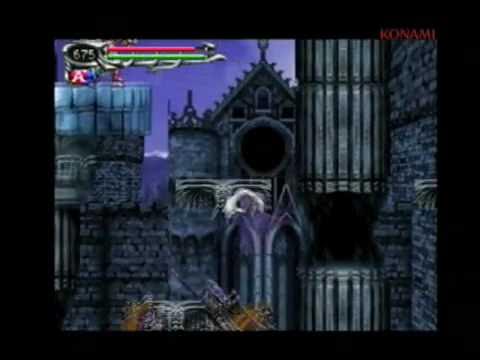
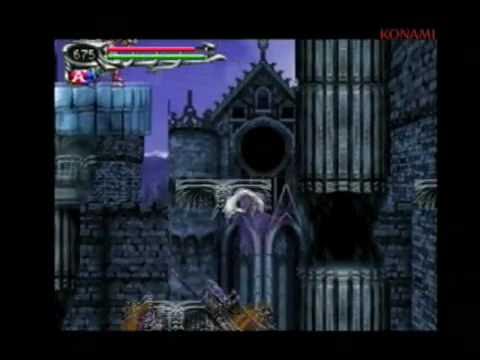
Dawn of Sorrow’s visuals are a testament to the creative team’s ability to maximize the potential of the Nintendo DS hardware. While limited by the console’s processing power, the game boasts a distinctive art style characterized by detailed character sprites, atmospheric backgrounds, and dynamic lighting effects. The use of the dual screens is particularly noteworthy, with the top screen displaying gameplay action and the bottom screen providing access to menus, maps, and inventory management. The visual direction leans heavily into gothic aesthetics, creating a sense of foreboding and mystery that permeates every environment. The developers cleverly utilized parallax scrolling and layered backgrounds to create a convincing illusion of depth, further enhancing the immersive experience. While not pushing graphical boundaries by today’s standards, Dawn of Sorrow remains visually appealing due to its artistic merit and clever implementation of available technology.
Gameplay Mechanics and Core Systems
At the heart of Dawn of Sorrow lies its innovative gameplay mechanics. The “Harmony System,” a core element inherited from Aria of Sorrow, allows players to absorb enemy abilities and integrate them into their own arsenal. This system encourages experimentation and provides a high degree of customization, allowing players to tailor their combat style to suit their preferences. The game also features a robust leveling system, allowing players to enhance their stats and unlock new skills. Another key mechanic is the “Magic Seal” system, which utilizes the DS stylus to draw specific patterns on the bottom screen, unleashing powerful attacks against enemies. This feature adds a unique layer of interactivity and requires precise execution, adding both challenge and reward. The combination of action-packed combat, RPG progression, and innovative mechanics makes Dawn of Sorrow a truly engaging experience.
Level Design and World Atmosphere
Dawn of Sorrow’s level design is meticulously crafted to create a sense of exploration and discovery. Each environment, from the sprawling castle grounds to the labyrinthine underground passages, is filled with secrets, hidden treasures, and challenging encounters. The game world is interconnected, allowing players to seamlessly transition between different areas and uncover new pathways. The atmosphere is consistently dark and gothic, enhanced by detailed environments, haunting music, and unsettling enemy designs. The level design encourages backtracking and rewards exploration, making each playthrough a unique experience.
Narrative Depth and Character Profiles
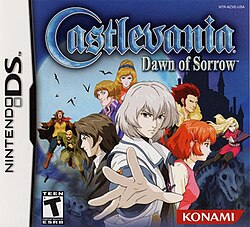
The narrative of Dawn of Sorrow delves into the complex relationship between Soma Cruz and his inherited power, Dracula’s essence. The story explores themes of destiny, sacrifice, and the struggle against overwhelming forces. While the overarching plot follows familiar Castlevania tropes, the game introduces compelling new characters and expands upon existing lore. Soma Cruz is a relatable protagonist grappling with immense responsibility, while the supporting cast provides valuable assistance and adds depth to the narrative. The writing effectively conveys the sense of urgency and danger that permeates the story, keeping players invested in the unfolding events.
Sound Design and Acoustic Realism
The sound design of Dawn of Sorrow plays a crucial role in creating its immersive atmosphere. The haunting melodies and dramatic orchestral arrangements perfectly complement the gothic visuals, enhancing the sense of foreboding and mystery. The sound effects are equally well-executed, providing satisfying feedback for every action and adding weight to combat encounters. The music dynamically adjusts to the gameplay, intensifying during battles and softening during moments of exploration.
Release Expectations and Community Hype
Upon its release, Dawn of Sorrow was met with widespread critical acclaim and generated significant community hype. Gamers eagerly anticipated the next installment in the Castlevania series, drawn by the promise of innovative gameplay mechanics and a compelling narrative. The game’s unique blend of action and RPG elements resonated with fans, solidifying its place as a beloved entry in the franchise.
Conclusion: The Future of Castlevania: Dawn of Sorrow
Castlevania: Dawn of Sorrow remains a landmark achievement in the series, showcasing the creative potential of the Nintendo DS hardware and pushing the boundaries of gameplay innovation. Its unique blend of action, RPG elements, and compelling narrative continues to captivate players today. While time has passed, its legacy endures as a testament to the enduring appeal of the Castlevania franchise.
Source: Wikipedia


