

Über dieses Spiel
Introduction: The Next Chapter for Castlevania: Aria of Sorrow
Castlevania: Aria of Sorrow, released in 2003 for the Game Boy Advance, represents a pivotal moment in the franchise’s history. Following the success of Symphony of the Night, which redefined the series with its Metroidvania-style gameplay, Aria of Sorrow aimed to build upon that foundation while introducing fresh ideas and mechanics. Developed by Konami Computer Entertainment Tokyo under the direction of Junichi Murakami (with Koji Igarashi overseeing production), the game offered a unique blend of action, RPG elements, and exploration set in a futuristic world grappling with the legacy of Dracula. It’s more than just a game; it’s a testament to the enduring appeal of the Castlevania universe and its ability to adapt and innovate.
Visual Direction and Graphics Engineering
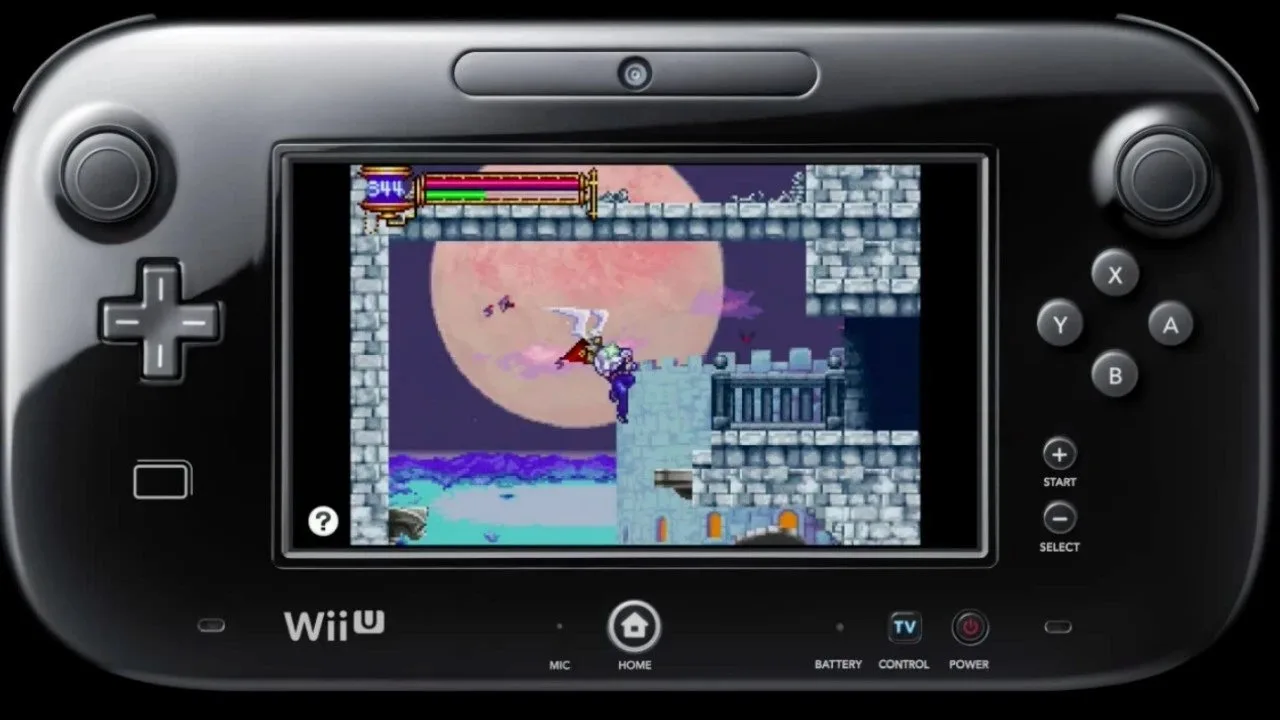
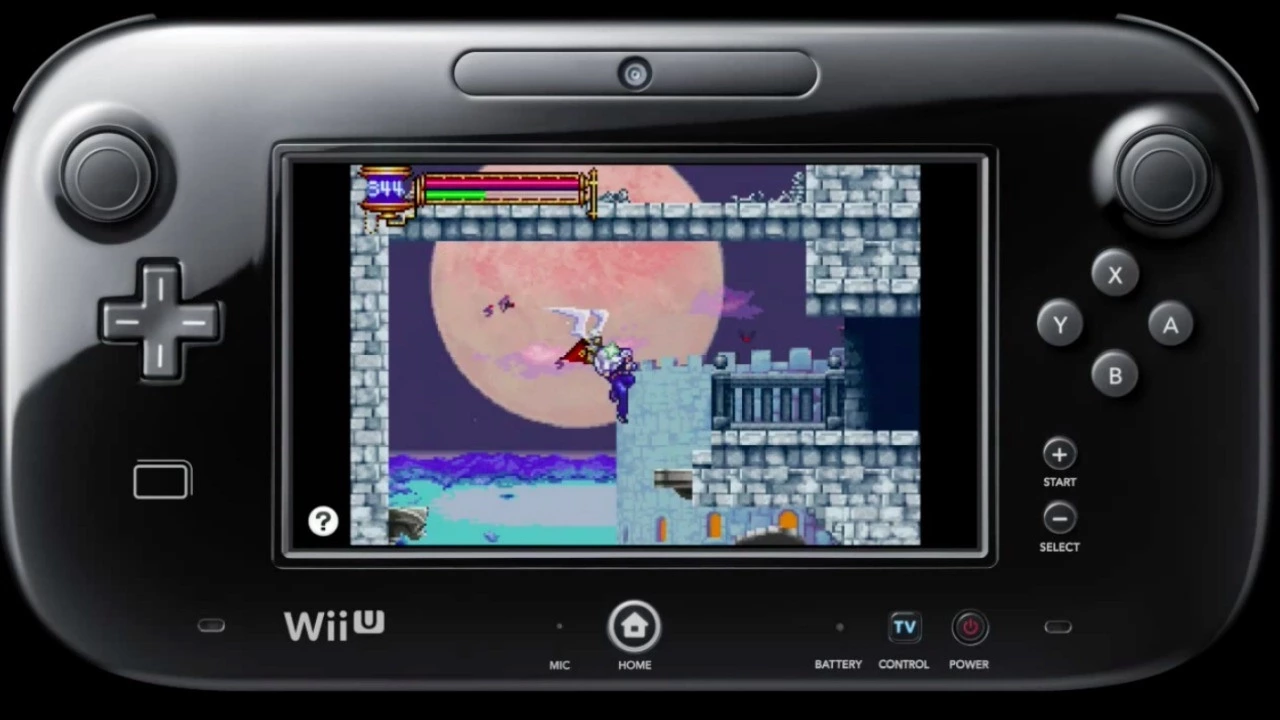
Aria of Sorrow leverages the Game Boy Advance hardware to deliver surprisingly detailed sprites and environments. While limited by the technical constraints of the platform, the development team employed clever techniques to create a sense of depth and atmosphere. The color palette is used effectively to distinguish areas and highlight important elements. shows an example of the game’s art style, which blends gothic horror with futuristic aesthetics. The enemy designs are particularly noteworthy, ranging from classic Castlevania monsters reimagined for a modern setting to entirely new creations that reflect the game’s unique premise. The visual direction is cohesive and contributes significantly to the overall immersive experience.
Gameplay Mechanics and Core Systems
The core gameplay revolves around exploration, combat, and character progression. Soma Cruz, the protagonist, possesses the “Soul Vampire” ability, allowing him to absorb the abilities of defeated enemies. This mechanic adds a layer of strategic depth to combat, as players must carefully consider which enemies to defeat in order to acquire specific powers. The game features a vast interconnected world filled with secrets and hidden areas, encouraging thorough exploration. Leveling up increases Soma’s stats, further enhancing his capabilities. The “Tactics” system allows for customization of abilities, adding another layer of strategic depth.
Level Design and World Atmosphere
Aria of Sorrow’s level design is a masterclass in creating a sense of wonder and discovery. The environments are diverse and visually striking, ranging from the crumbling ruins of Dracula’s castle to futuristic laboratories and otherworldly dimensions. Each area is meticulously crafted to evoke a specific mood, whether it be one of dread, mystery, or excitement. Hidden passages and secret areas reward players who take the time to explore every nook and cranny. The interconnected nature of the world allows for seamless transitions between different environments, creating a truly immersive experience.
Narrative Depth and Character Profiles
The story of Aria of Sorrow is more than just a simple tale of good versus evil. It delves into themes of power, corruption, and the enduring legacy of Dracula. Soma Cruz, the protagonist, is a relatable character who must come to terms with his newfound abilities and the responsibility that comes with them. The supporting cast is equally well-developed, each with their own motivations and secrets. The narrative unfolds gradually, revealing new layers of intrigue as the player progresses through the game.
Sound Design and Acoustic Realism
The soundtrack for Aria of Sorrow is a fitting accompaniment to its visuals and gameplay. Composed by Michiru Yamane, Takashi Yoshida, and Soshiro Hokkai, the music ranges from haunting melodies to adrenaline-pumping battle themes. The sound effects are equally well-executed, adding another layer of immersion to the experience. The combination of visual and auditory elements creates a truly unforgettable atmosphere.
Release Expectations and Community Hype
Upon its release, Aria of Sorrow was met with widespread critical acclaim. Players praised its innovative gameplay mechanics, stunning visuals, and captivating story. The game quickly became a cult classic, earning a dedicated following that continues to this day. Its influence can be seen in numerous subsequent games, solidifying its place as a landmark title in the Castlevania franchise.
Conclusion: The Future of Castlevania: Aria of Sorrow
Castlevania: Aria of Sorrow remains a shining example of what can be achieved with creativity and technical skill. It’s a game that continues to inspire and entertain players, proving that even seemingly limited hardware can give birth to something truly special. Its legacy lives on, reminding us of the power of imagination and the enduring appeal of the Castlevania universe.
Source: Wikipedia
Galerie


Diskutieren Sie mit