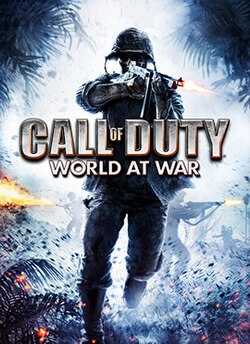
Introduction: The Next Chapter for Call of Duty: World at War
Call of Duty: World at War arrived in 2008 as a bold return to the series’ roots, abandoning the modern setting established by Modern Warfare and plunging players headfirst into the brutal realities of World War II. Developed by Treyarch, this installment aimed to deliver a visceral and authentic depiction of the Pacific and Eastern Front theaters, offering a stark contrast to its predecessor while retaining the core gameplay elements that made Call of Duty a global phenomenon. The game’s announcement generated significant buzz within the gaming community, eager to see how Treyarch would tackle such a pivotal historical period.
Visual Direction and Graphics Engineering
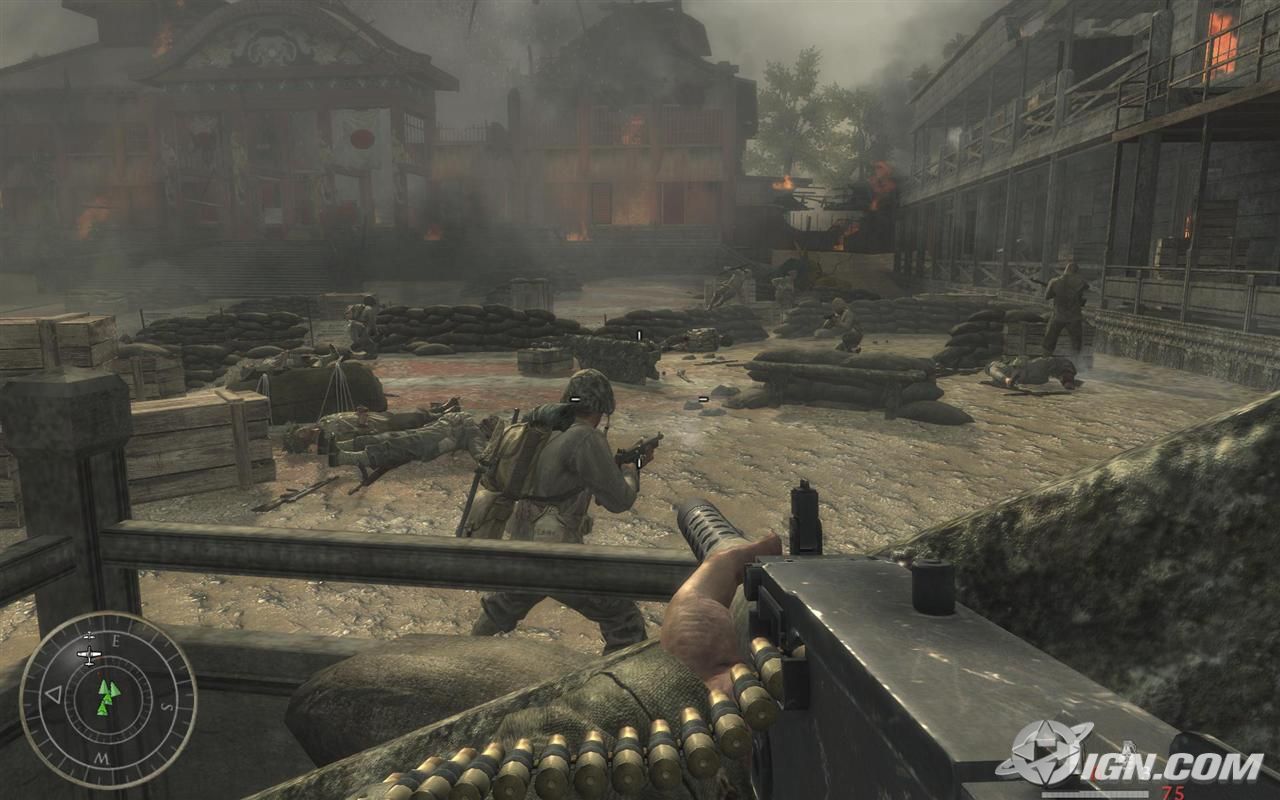
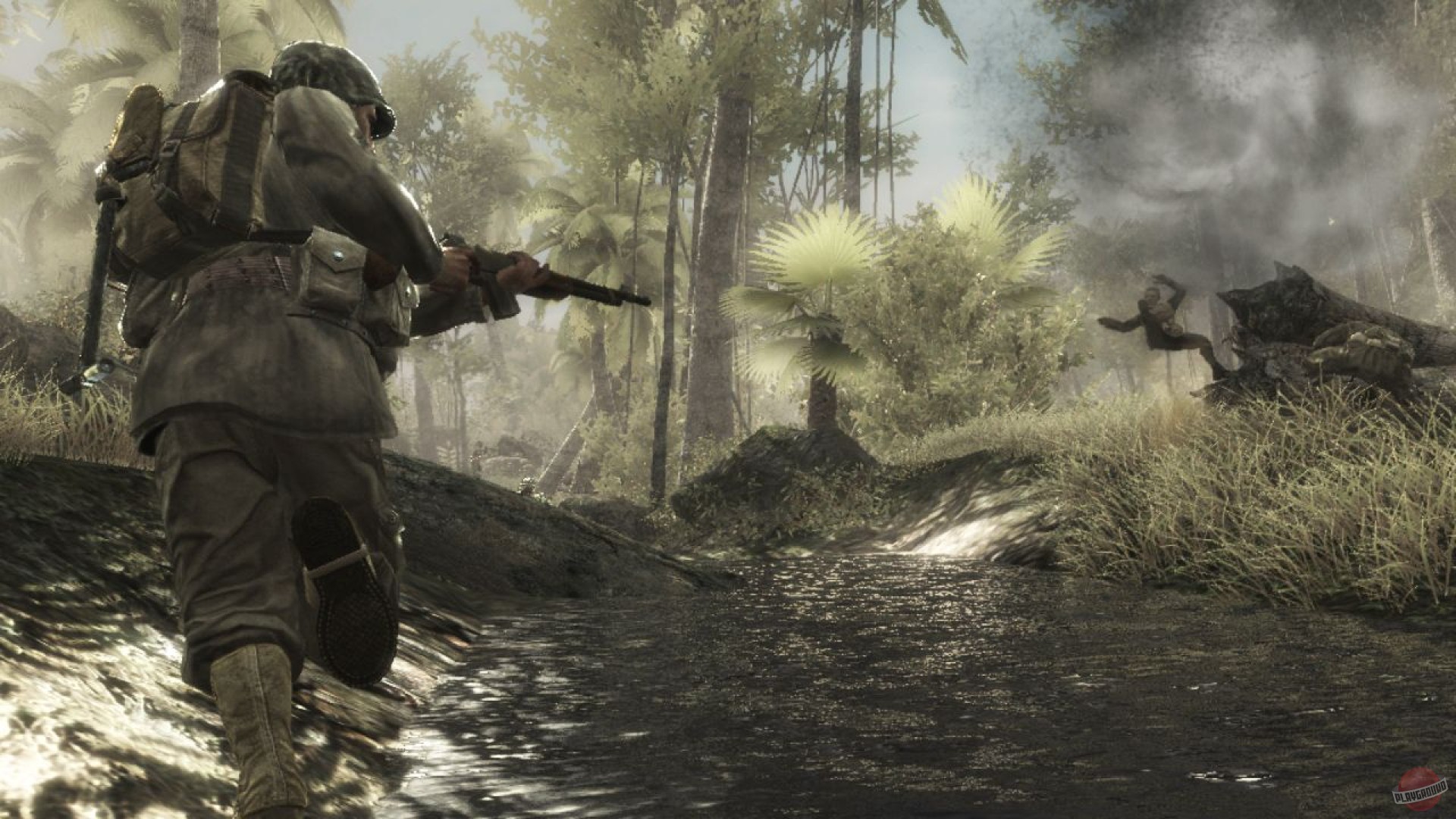
Treyarch leveraged the IW 3.0 engine for World at War, building upon the foundation laid by Call of Duty 4: Modern Warfare. While not a complete overhaul, the visual enhancements focused on improving environmental detail, character models, and special effects to better represent the gritty realism of WWII combat. The game’s color palette leans towards desaturated tones, reflecting the bleakness and devastation of war. Character animations were refined to convey a greater sense of weight and impact during firefights. This focus on visual fidelity aimed to immerse players in the historical setting, creating a more believable and engaging experience.
Gameplay Mechanics and Core Systems
World at War retained many of the beloved gameplay mechanics from Call of Duty 4, including the leveling system, perk unlocks, and killstreak rewards. However, Treyarch introduced new features specifically tailored for the WWII setting. The “Brace” mechanic allowed players to absorb a single bullet, adding a layer of tactical decision-making during intense firefights. The game also featured a more robust weapon customization system, allowing players to modify their firearms with various attachments to suit different playstyles. The introduction of flamethrowers and other era-appropriate weaponry further enhanced the authenticity of the combat experience.
Level Design and World Atmosphere
The level design in World at War is meticulously crafted to capture the atmosphere of the Pacific and Eastern Front theaters. From the dense jungles of the Pacific islands to the war-torn landscapes of Soviet Russia, each environment tells a story of conflict and resilience. The game’s designers paid close attention to historical accuracy, incorporating real-world locations and events into the campaign. The environments are often claustrophobic and oppressive, reflecting the constant threat of enemy ambushes and the psychological toll of war. This immersive level design is a key element in creating a truly unforgettable gaming experience.
Narrative Depth and Character Profiles
World at War’s narrative focuses on two distinct campaigns: one following US Marine Private C. Miller in the Pacific, and the other focusing on Soviet Red Army Private Dimitri Petrenko on the Eastern Front. Each campaign offers a unique perspective on the war, highlighting the different challenges faced by soldiers fighting for opposing sides. While the story is relatively straightforward, it effectively portrays the brutality of combat and the sacrifices made by those who fought in WWII. The characters are relatable and believable, drawing players into their struggles and triumphs.
Sound Design and Acoustic Realism
The sound design in World at War is crucial to creating a truly immersive experience. From the roar of artillery fire to the crackle of gunfire, every sound effect is meticulously crafted to evoke the chaos and intensity of battle. The game’s soundtrack complements the visuals perfectly, enhancing the emotional impact of key moments. The use of authentic historical recordings further adds to the sense of realism.
This attention to detail in audio design elevates the overall quality of the game.
Release Expectations and Community Hype
The announcement of Call of Duty: World at War generated significant hype within the gaming community. Players were eager to see how Treyarch would handle the transition back to a historical setting after the success of Modern Warfare. The promise of flamethrowers, authentic WWII weaponry, and a return to more grounded combat resonated with fans who craved a different kind of Call of Duty experience. Pre-orders were strong, and expectations were high for what Treyarch could deliver.
Conclusion: The Future of Call of Duty: World at War
Call of Duty: World at War was a critical and commercial success, proving that the franchise could thrive even without a modern setting. Its focus on historical accuracy, visceral combat, and innovative gameplay features set it apart from its predecessors. While not without its flaws, the game remains a beloved entry in the Call of Duty series, remembered for its unique atmosphere and memorable moments. The introduction of the cooperative zombies mode further cemented World at War’s legacy, paving the way for future iterations that would become a staple of Treyarch’s Call of Duty games.
Source: Wikipedia


