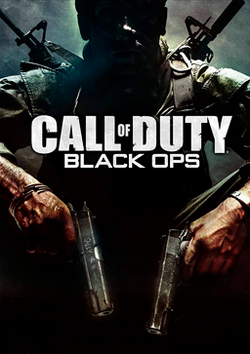
Introduction: The Next Chapter for Call of Duty: Black Ops
Call of Duty: Black Ops arrived in 2010 as a pivotal moment for the franchise, offering a stark departure from the established formula while retaining the core elements that made it so popular. Developed by Treyarch and published by Activision, this installment transported players to the shadowy world of Cold War espionage, delivering a gripping narrative, innovative gameplay mechanics, and a haunting atmosphere that resonated with both critics and fans alike. This deep-dive review will dissect every facet of Black Ops, from its visual presentation and core systems to its compelling story and lasting impact on the gaming landscape.
Visual Direction and Graphics Engineering
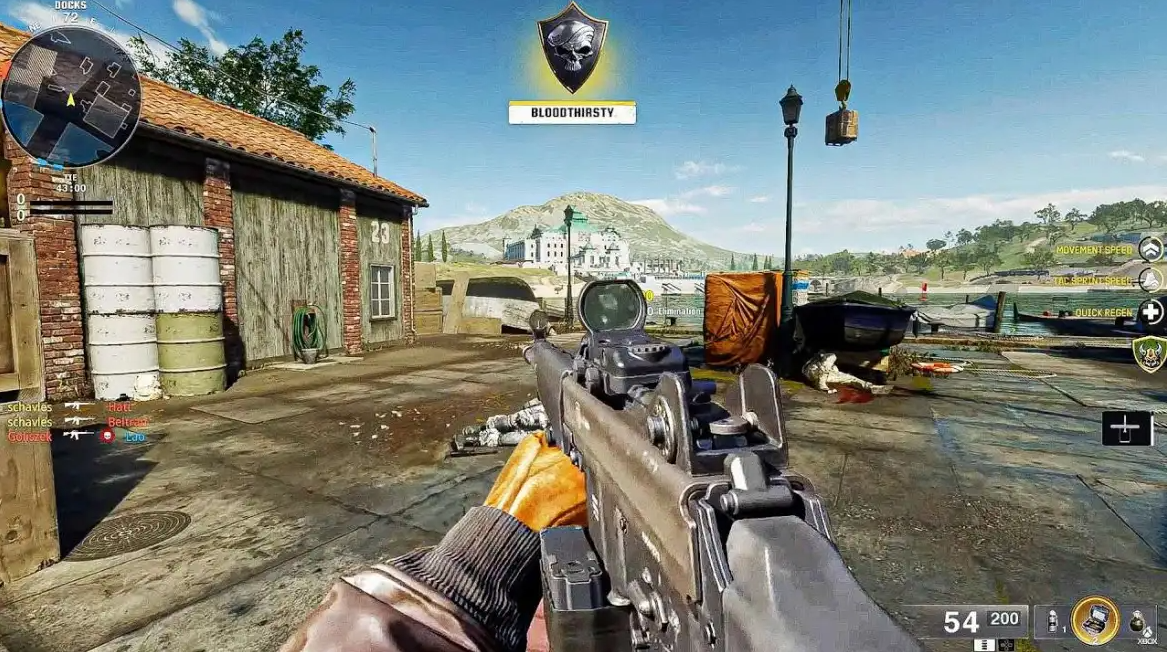
Black Ops showcased a significant leap in graphical fidelity compared to its predecessors, leveraging a modified version of the IW 3.0 engine. The game’s environments are richly detailed, ranging from the lush jungles of Vietnam to the claustrophobic interiors of Soviet bunkers. Character models exhibit impressive detail, conveying emotion and personality through subtle animations and facial expressions. While the graphics may appear dated by today’s standards, the artistic direction remains strong, creating a visually striking experience that effectively captures the gritty realism of the Cold War era. The lighting system plays a crucial role in establishing atmosphere, casting long shadows and highlighting key details to enhance immersion.
Gameplay Mechanics and Core Systems
Black Ops introduced several innovative gameplay mechanics that set it apart from previous Call of Duty titles. The “Theater” mode allowed players to replay iconic moments from the campaign, offering a unique way to analyze their performance and share highlights with others. The introduction of customizable loadouts provided greater flexibility in adapting to different combat situations. Furthermore, the game featured a robust multiplayer component with objective-based modes that encouraged teamwork and strategic gameplay. The “Zombies” mode, a fan favorite, returned with new maps and challenges, providing endless hours of replayability.
Level Design and World Atmosphere
The level design in Black Ops is masterful, seamlessly blending intense combat sequences with moments of quiet contemplation. Each location feels distinct and authentic, reflecting the historical context of the Cold War era. From the bustling streets of Hong Kong to the desolate landscapes of Laos, players are transported to a world on the brink of conflict. The game’s atmosphere is palpable, enhanced by its haunting soundtrack and realistic sound design.
Narrative Depth and Character Profiles
The story of Black Ops is a gripping tale of espionage, betrayal, and redemption. Players take on the role of Alex Mason, a CIA operative haunted by his past. As he delves into his memories, he uncovers a conspiracy that threatens to plunge the world into chaos. The supporting characters are equally compelling, each with their own motivations and secrets.
Sound Design and Acoustic Realism
The sound design in Black Ops is exceptional, creating an immersive and believable audio landscape. From the roar of gunfire to the subtle creaks of a Soviet submarine, every sound effect is meticulously crafted. The game’s soundtrack is equally impressive, featuring a mix of original compositions and licensed tracks that perfectly complement the on-screen action.
Release Expectations and Community Hype
The release of Call of Duty: Black Ops was met with immense anticipation from fans eager to experience Treyarch’s unique take on the franchise. The game delivered on its promises, exceeding expectations with its innovative gameplay mechanics, compelling narrative, and stunning visuals. The community embraced Black Ops wholeheartedly, praising its attention to detail and its ability to capture the atmosphere of the Cold War era.
Conclusion: The Future of Call of Duty: Black Ops
Call of Duty: Black Ops remains a landmark title in the franchise’s history, setting a new standard for storytelling, gameplay innovation, and atmospheric immersion. Its influence can still be felt in subsequent installments, solidifying its place as a true classic.
While time has passed, the game’s legacy endures, reminding us of the power of video games to transport us to different worlds and tell compelling stories.
Source: Wikipedia


