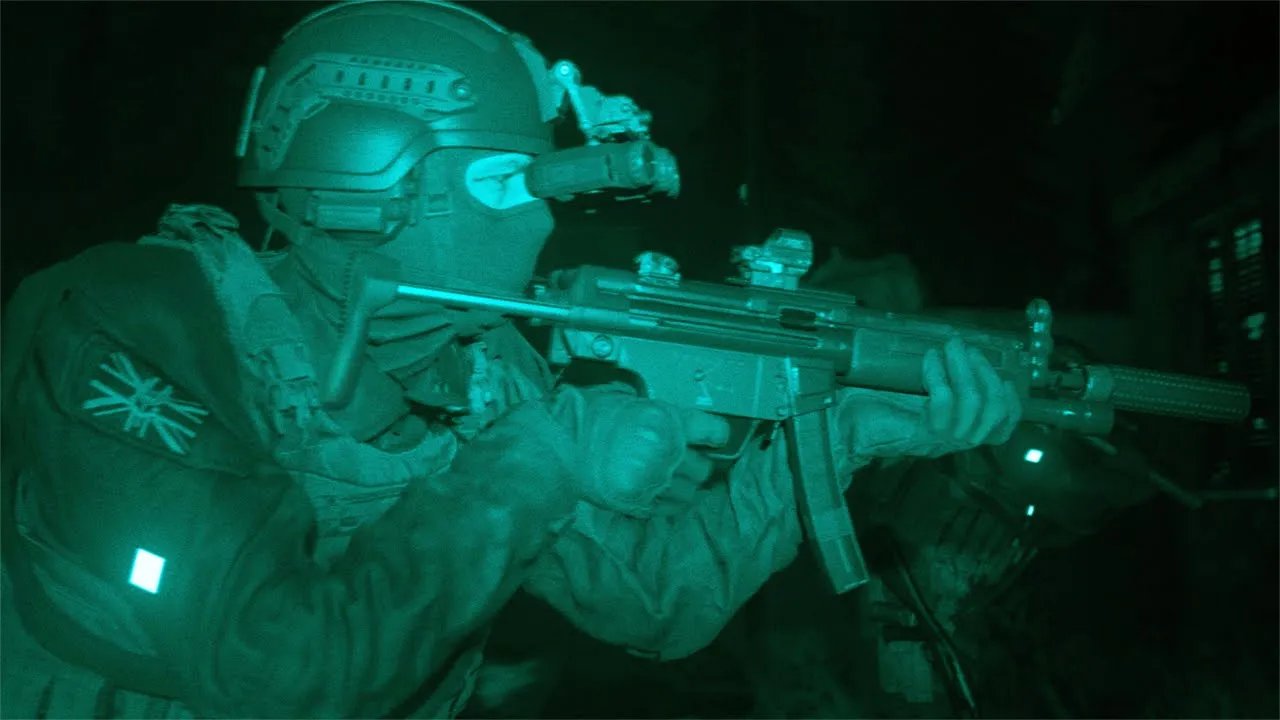
Introduction: The Next Chapter for Call of Duty 3
Call of Duty 3 arrived in 2006 as the third major installment, developed by Treyarch and published by Activision. This title marked a significant point in the franchise’s evolution, aiming to build upon the success of its predecessors while introducing new gameplay elements and expanding the scope of the conflict. Released across multiple platforms including PlayStation 2, Xbox, Xbox 360, PlayStation 3, and Wii (a launch title for the latter two), Call of Duty 3 faced the challenge of maintaining the series’ momentum in a rapidly evolving gaming landscape. The absence of a PC version was a notable departure from previous entries.
Visual Direction and Graphics Engineering
Treyarch’s NGL engine powered Call of Duty 3, showcasing its capabilities on various hardware configurations. While not pushing the boundaries of graphical fidelity compared to later titles, the game delivered a visually competent experience for its time. The visual direction focused on realism, aiming to portray the brutality and chaos of World War II with detailed character models, authentic weapon designs, and immersive environments. The graphics engine allowed for dynamic lighting effects, particle systems for explosions and smoke, and destructible environments that added a layer of interactivity to the gameplay. Optimization was crucial given the diverse range of platforms, requiring careful balancing of visual quality and performance.
Gameplay Mechanics and Core Systems
Call of Duty 3 retained the core first-person shooter mechanics that defined the series, emphasizing fast-paced action, intense firefights, and a focus on teamwork. The game introduced new features such as destructible environments, allowing players to create tactical advantages by breaching walls or collapsing structures. AI-controlled teammates played a more prominent role, providing support in combat and offering strategic options for completing objectives. The cover system was refined, allowing players to quickly move between positions and engage enemies from behind cover. While the gameplay loop remained familiar, the addition of new mechanics aimed to provide a fresh experience for returning players.
Level Design and World Atmosphere
The level design in Call of Duty 3 was crucial in creating an immersive and engaging experience. The game transported players to various locations across Europe during World War II, each meticulously recreated to reflect historical accuracy. Levels were designed with multiple pathways and objectives, encouraging exploration and tactical decision-making. Environmental storytelling played a key role, using visual cues and audio elements to convey the atmosphere of war and the impact on civilians. The destructible environments added another layer of interactivity, allowing players to alter the battlefield and create new opportunities for attack or defense.
Narrative Depth and Character Profiles
Call of Duty 3 continued the series’ focus on historical accuracy, portraying the events of World War II through the eyes of American soldiers fighting alongside British and French forces. The narrative explored themes of courage, sacrifice, and the human cost of war. While not as deeply character-driven as some other titles, the game featured a cast of memorable characters who added depth to the story. The single-player campaign offered a compelling storyline that kept players engaged from beginning to end.
Sound Design and Acoustic Realism
The sound design in Call of Duty 3 was instrumental in creating an immersive and authentic experience. Realistic weapon sounds, explosions, and environmental effects contributed to the sense of being on the battlefield. The soundtrack complemented the gameplay, enhancing the tension and excitement of key moments. Voice acting brought the characters to life, adding depth to their personalities and motivations.
Release Expectations and Community Hype
As a highly anticipated installment in the Call of Duty series, Call of Duty 3 generated significant hype leading up to its release. Marketing campaigns showcased the game’s new features and promised an even more immersive and action-packed experience. The absence of a PC version was a point of contention for some fans, but the availability on multiple consoles ensured that a wide audience could enjoy the game.
Conclusion: The Future of Call of Duty 3
Call of Duty 3 represented a significant step in the franchise’s evolution, building upon the success of its predecessors while introducing new gameplay elements and expanding the scope of the conflict. While not without its flaws, the game delivered a compelling and action-packed experience that resonated with fans.
The absence of a PC version remains a point of discussion, but the availability on multiple consoles ensured that a wide audience could enjoy the game. Call of Duty 3 laid the groundwork for future installments in the series, paving the way for even more ambitious and innovative gameplay experiences.

Source: Wikipedia


