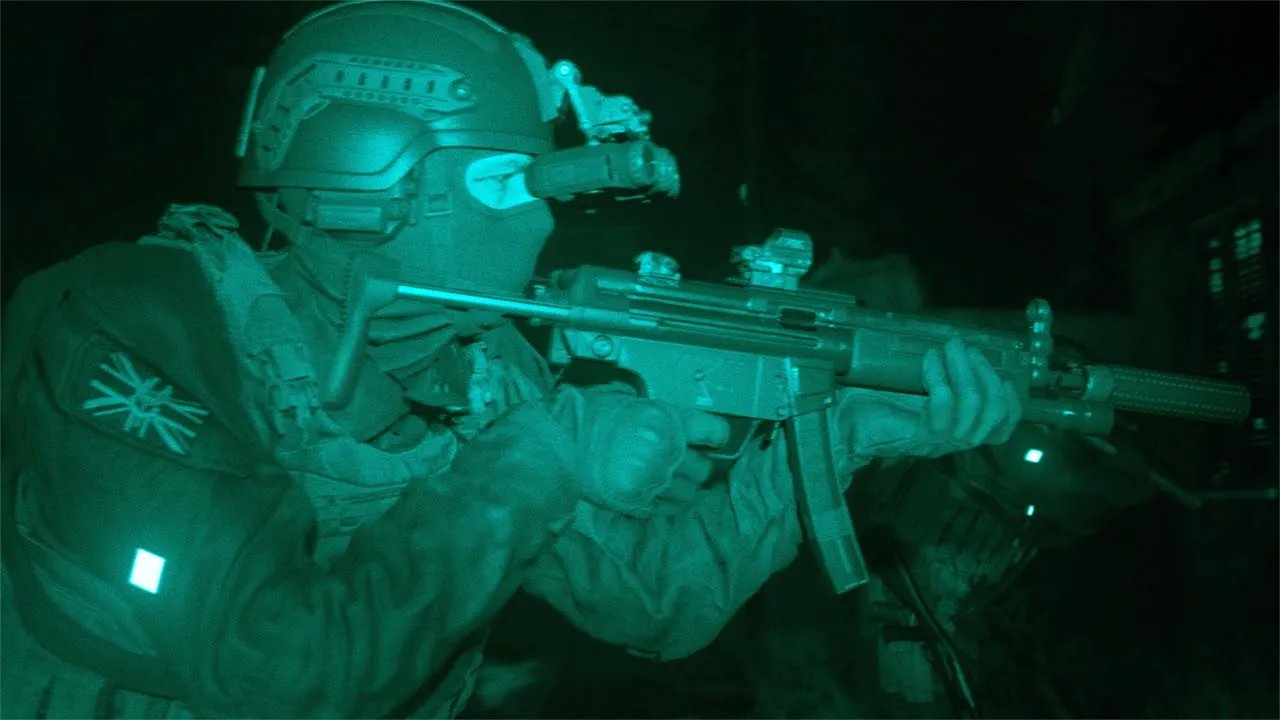
Introduction: The Next Chapter for Call of Duty 3
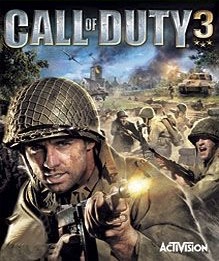
Call of Duty 3 arrived on the gaming scene in 2006, developed by Treyarch and published by Activision. As the third major installment in the iconic franchise, it carried significant expectations. Released across multiple platforms including PlayStation 2, Xbox, Xbox 360, PlayStation 3, and Wii (making it a launch title for the latter two), Call of Duty 3 aimed to build upon the success of its predecessors while forging its own identity within the series. This deep-dive review will dissect every facet of the game, from its visual presentation and gameplay mechanics to its narrative depth and community impact.
Visual Direction and Graphics Engineering
Treyarch’s NGL engine powered Call of Duty 3, a custom-built solution designed to push the graphical capabilities of the available hardware. While not as visually stunning by today’s standards, the game showcased impressive environmental detail for its time, particularly on the enhanced consoles like the Xbox 360 and PlayStation 3. The level design was crucial in establishing the atmosphere, with muddy trenches, bombed-out buildings, and dense forests creating a sense of gritty realism. (Example: An image showcasing a detailed environment from Call of Duty 3). The lighting effects played a vital role in enhancing the mood, casting long shadows and highlighting key areas of conflict. However, limitations of the older consoles resulted in noticeable compromises in texture resolution and draw distance compared to their next-gen counterparts.
Gameplay Mechanics and Core Systems
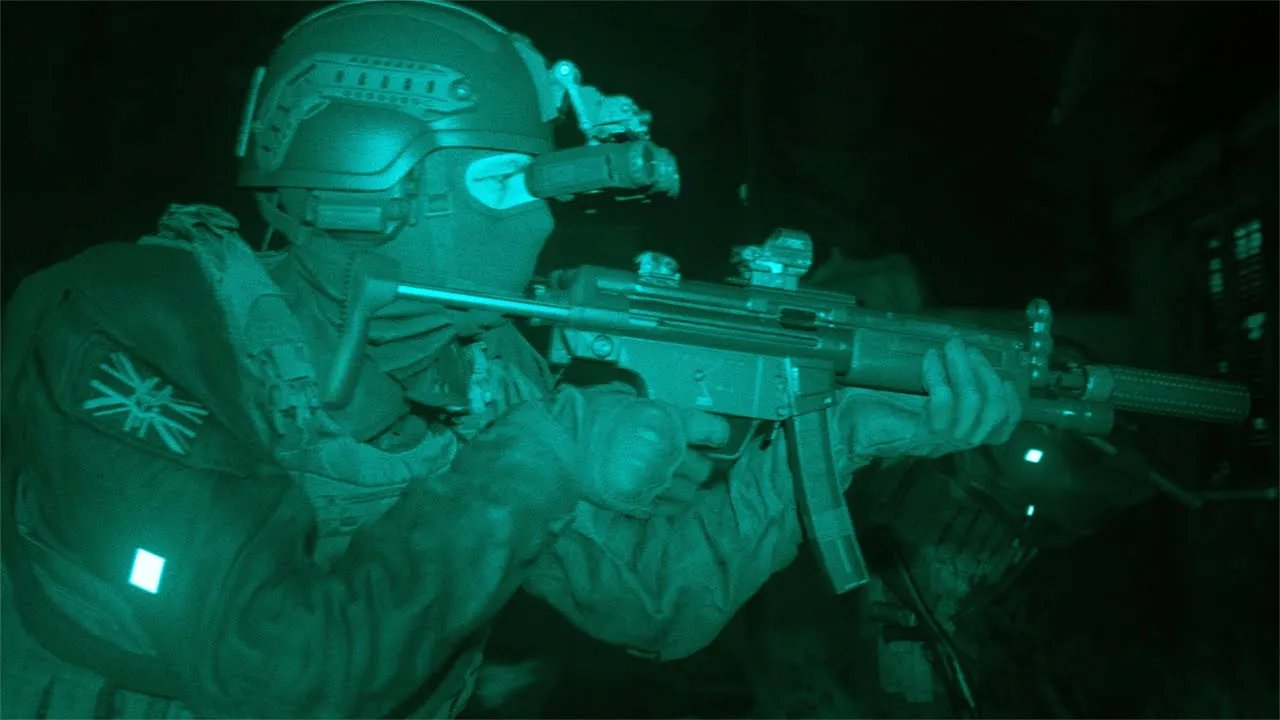
Call of Duty 3 retained the core gameplay loop that defined the series: fast-paced first-person shooting with a focus on squad tactics. Players commanded a small team of AI-controlled soldiers who provided cover fire, threw grenades, and engaged enemies. The game introduced new mechanics like the ability to call in artillery strikes and utilize specialized equipment, adding tactical depth to combat encounters. While the gameplay was engaging, some critics noted that it lacked significant innovation compared to previous Call of Duty titles. The squad AI, while functional, sometimes exhibited unpredictable behavior, leading to frustrating moments for players. (Example: An image showcasing a firefight scene with squadmates).
Level Design and World Atmosphere
The level design in Call of Duty 3 was instrumental in creating an immersive and believable depiction of the Western Front during World War I. Players navigated through war-torn landscapes, encountering iconic locations like French villages and heavily fortified German trenches. The game’s open-ended nature allowed for multiple approaches to objectives, encouraging players to experiment with different tactics. However, some levels felt repetitive, lacking the variety needed to maintain long-term engagement. The atmosphere was effectively conveyed through detailed environments, authentic sound design, and a somber musical score.
Narrative Depth and Character Profiles
Call of Duty 3’s narrative focused on the experiences of Allied soldiers fighting against German forces during World War I. While the story attempted to explore themes of camaraderie, sacrifice, and the horrors of war, it often felt underdeveloped and lacked compelling character arcs. The main characters were largely forgettable, failing to resonate with players on an emotional level. The game’s focus on action sequences often overshadowed opportunities for meaningful storytelling, resulting in a narrative that felt superficial compared to other titles in the franchise.
Sound Design and Acoustic Realism
The sound design in Call of Duty 3 was a standout feature, contributing significantly to the game’s immersive atmosphere. Authentic weapon sounds, realistic environmental effects, and a somber musical score created a sense of tension and urgency. The use of directional audio helped players pinpoint enemy locations, adding another layer of tactical depth to combat encounters. However, some voice acting performances felt stilted and unconvincing, detracting from the overall experience.
Release Expectations and Community Hype
Upon its release, Call of Duty 3 generated considerable hype within the gaming community. As a new installment in one of the most popular franchises, it was eagerly anticipated by fans worldwide. The game’s multi-platform availability further fueled excitement, allowing players to choose their preferred gaming experience. However, initial impressions were mixed, with some critics praising its gameplay and graphics while others criticized its lack of innovation and underdeveloped narrative.
(Example: A trailer or gameplay video showcasing Call of Duty 3).
Conclusion: The Future of Call of Duty 3
Call of Duty 3 represents a transitional period for the franchise, attempting to evolve the core gameplay mechanics while maintaining its established identity. While it introduced new features and aimed for greater visual fidelity, it ultimately fell short of expectations in several key areas. Its lack of innovation and underdeveloped narrative prevented it from reaching the heights of its predecessors. Despite its shortcomings, Call of Duty 3 remains a noteworthy entry in the series, offering a glimpse into the evolution of the franchise during a pivotal moment in gaming history.
Source: Wikipedia


