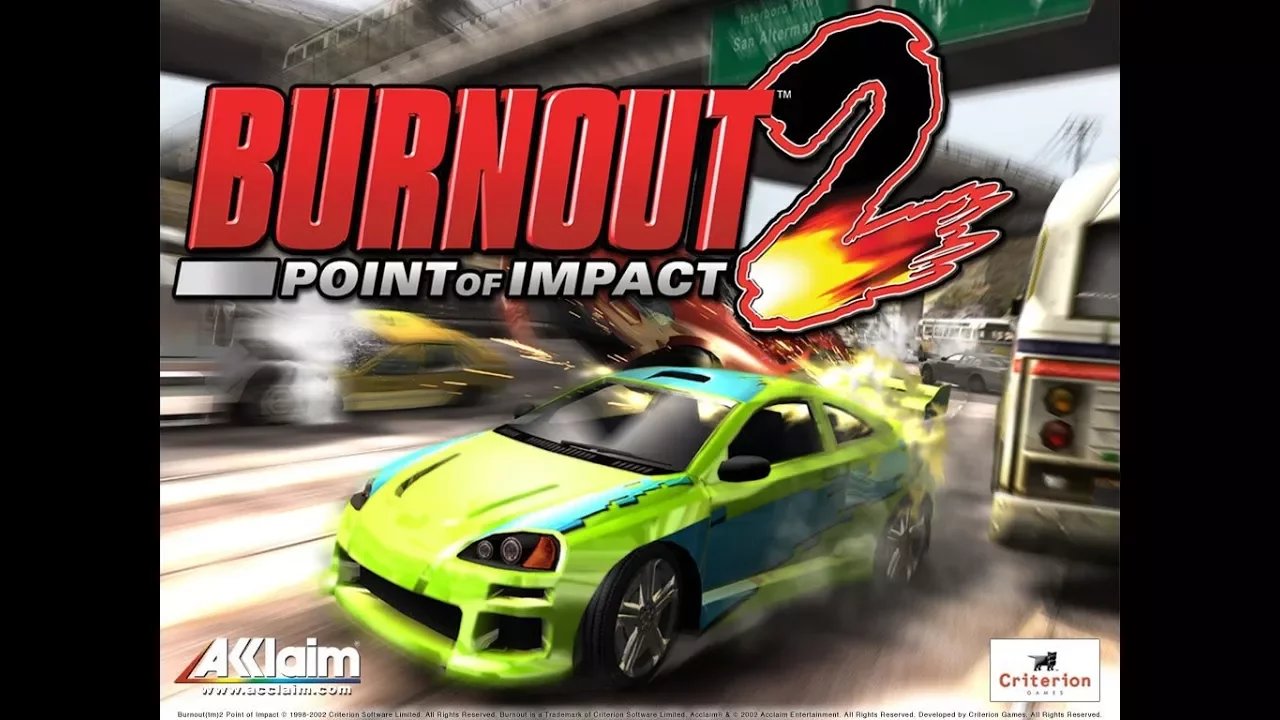
Introduction: The Next Chapter for Burnout 2: Point of Impact
Burnout 2: Point of Impact, released in 2002 by Criterion Games and published by Acclaim Entertainment, wasn't just a sequel; it was an evolution. Building upon the foundation laid by its predecessor, Burnout, this title aimed to redefine arcade racing with a relentless focus on speed, destruction, and pure adrenaline. While the original Burnout established the core gameplay loop, Point of Impact refined and expanded upon it, introducing new features, improving the engine's capabilities, and ultimately solidifying its place as a landmark title in the racing genre. This Masterclass Deep-Dive will dissect every facet of this iconic game, from its visual direction to its lasting impact on the gaming landscape.
Visual Direction and Graphics Engineering
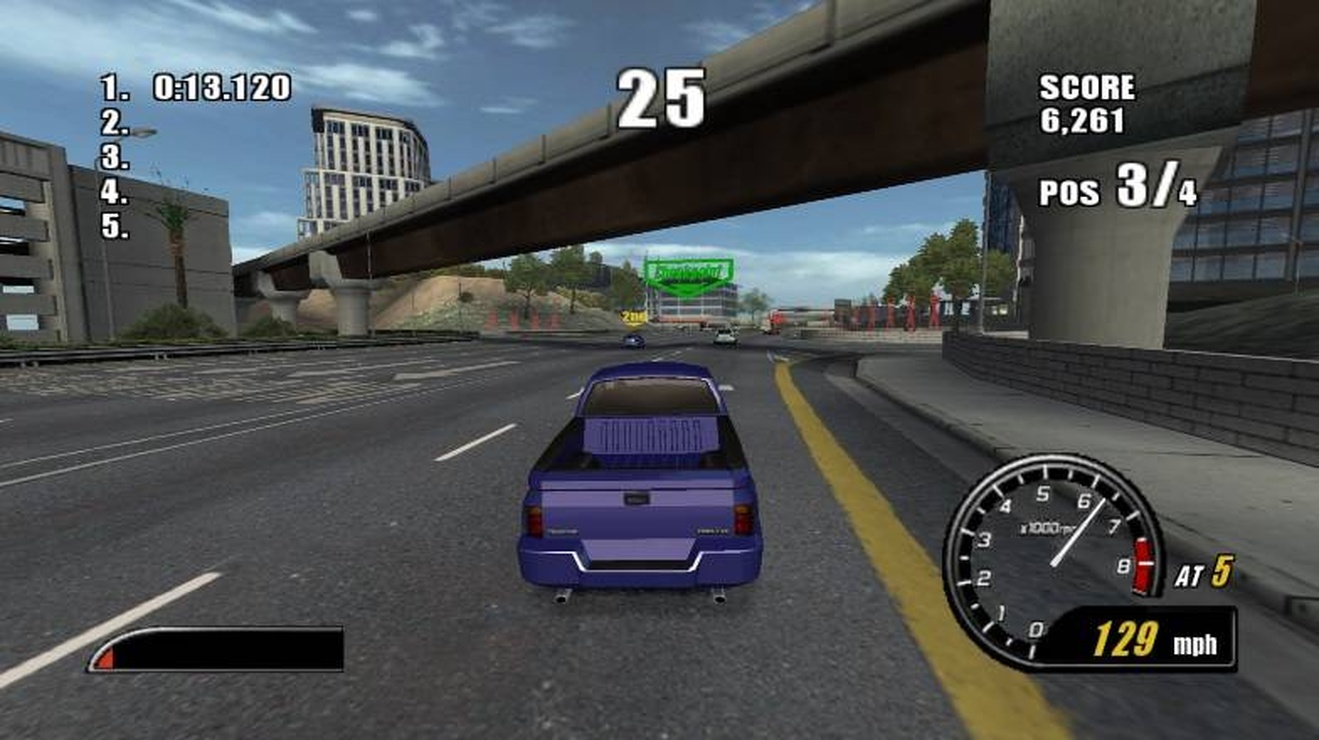
Burnout 2: Point of Impact leveraged the power of RenderWare, a popular engine choice at the time, to deliver visuals that were both impressive and optimized for the PlayStation 2, GameCube, and Xbox. While not pushing the boundaries of graphical fidelity in the way some other titles did, the game's visual style was characterized by its vibrant colors, detailed car models, and dynamic environments. The developers focused on creating a sense of speed and impact through motion blur, particle effects, and carefully choreographed crashes. The use of cel-shading techniques subtly enhanced the stylized aesthetic, making the game instantly recognizable and contributing to its overall appeal. Optimization was key; the team worked tirelessly to ensure smooth frame rates even during intense moments of high-speed action and spectacular collisions.Gameplay Mechanics and Core Systems
The heart of Burnout 2: Point of Impact lies in its addictive gameplay loop. The core objective is simple: win races, accumulate Boost, and cause mayhem. The game introduced a more refined "Boost" system, rewarding players for aggressive driving tactics such as drifting, near misses with traffic, and reckless maneuvers. This encouraged risk-taking and rewarded skilled drivers who could master the art of controlled chaos. The "Crash" mode offered a unique departure from traditional racing, tasking players with causing as much destruction as possible within a limited time frame. This mode provided a welcome change of pace and showcased the game's impressive physics engine.Level Design and World Atmosphere
The diverse range of environments in Burnout 2: Point of Impact played a crucial role in creating a compelling sense of place. From bustling cityscapes to winding coastal roads, each location offered its own unique challenges and visual flair. The level design was carefully crafted to encourage high-speed driving while also providing ample opportunities for spectacular crashes. Traffic density varied from track to track, adding another layer of complexity and forcing players to adapt their strategies on the fly. The game's atmosphere was further enhanced by dynamic weather effects and a vibrant color palette that brought each location to life.Narrative Depth and Character Profiles
While Burnout 2: Point of Impact wasn't known for its deep narrative, it did feature a subtle storyline that unfolded through in-game events and character interactions. The game introduced a cast of rival racers, each with their own distinct personalities and driving styles. These characters added a sense of competition and rivalry to the experience, motivating players to push themselves to become the ultimate champion. While not as prominent as in some other racing games, the narrative elements provided a welcome layer of depth and context to the gameplay.Sound Design and Acoustic Realism
The sound design in Burnout 2: Point of Impact was equally impressive, featuring a high-energy soundtrack that perfectly complemented the game's fast-paced action. The engine roars, tire squeals, and crash sounds were all meticulously crafted to create an immersive and visceral experience. The music seamlessly blended with the gameplay, intensifying the sense of speed and excitement. The audio cues also played a crucial role in providing feedback to the player, alerting them to potential hazards and rewarding skillful maneuvers.Release Expectations and Community Hype
Upon its release, Burnout 2: Point of Impact was met with widespread critical acclaim. Reviewers praised its addictive gameplay, stunning visuals, and high-energy soundtrack. The game quickly became a cult classic, attracting a dedicated following of fans who appreciated its unique blend of arcade racing and destructive mayhem. The community surrounding Burnout 2: Point of Impact remains active to this day, with players continuing to share their experiences and celebrate the game's enduring legacy.Conclusion: The Future of Burnout 2: Point of Impact
Burnout 2: Point of Impact stands as a testament to the power of innovative gameplay and meticulous design. While time has passed, its influence can still be felt in modern racing games. Its legacy continues through re-releases and spiritual successors, ensuring that future generations of gamers will experience the thrill of high-speed action and spectacular crashes. The game's enduring popularity is a testament to its timeless appeal and its ability to deliver an unforgettable gaming experience.

Source: Wikipedia
Google Preferred Source
Add us to your favorite news sources on Google
Get instant updates and breaking news directly in Google News