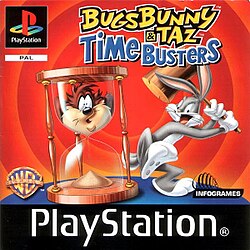
Introduction: The Next Chapter for Bugs Bunny & Taz: Time Busters
Released in 2000, *Bugs Bunny & Taz: Time Busters* represents a pivotal moment in the legacy of Looney Tunes video games. Developed by Artificial Mind and Movement and published by Infogrames, this title serves as an indirect sequel to the acclaimed *Bugs Bunny: Lost in Time*. While building upon the foundation laid by its predecessor, *Time Busters* introduces fresh gameplay elements, particularly with the inclusion of Taz and a co-op mode, aiming to deliver a more dynamic and engaging experience for players. This Masterclass Deep-Dive will dissect every facet of this game, from its visual direction and core mechanics to its narrative depth and lasting impact on the gaming landscape.
Visual Direction and Graphics Engineering
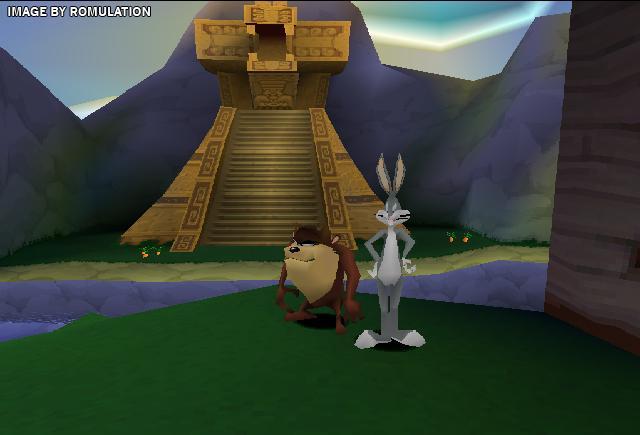
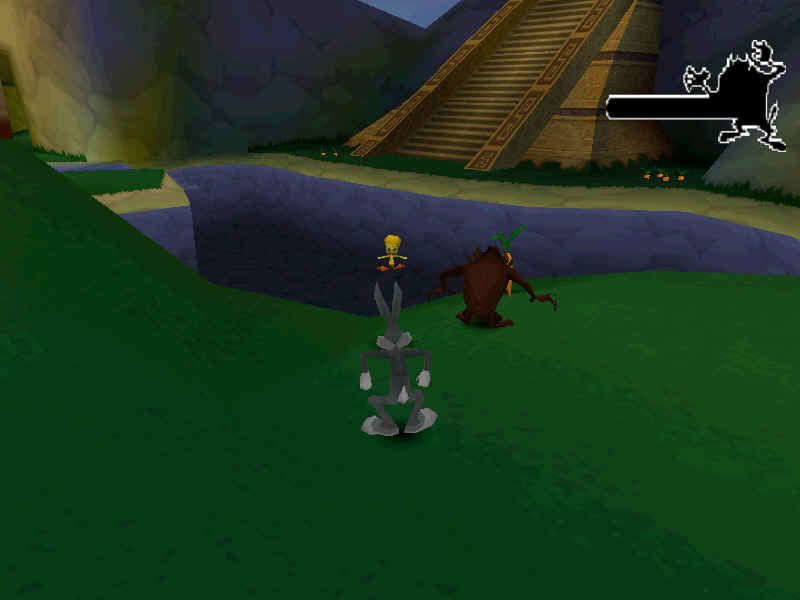
*Bugs Bunny & Taz: Time Busters* leverages a proprietary Next-Gen engine, showcasing a significant leap in graphical fidelity compared to earlier Looney Tunes titles. The environments are richly detailed, capturing the distinct visual styles of the Aztec, Viking, Arabian, and Transylvanian eras. Character models are expressive and faithful to their cartoon counterparts, with fluid animations that bring them to life. While limited by the technology of the time, the game's art direction effectively utilizes vibrant colors and exaggerated features to create a visually appealing and instantly recognizable world. The engine allowed for dynamic lighting effects and particle systems, enhancing the overall sense of immersion.Gameplay Mechanics and Core Systems
The core gameplay loop revolves around collecting Time Regulator Gears scattered throughout each level. Players alternate between controlling Bugs Bunny and Taz, utilizing their unique abilities to overcome obstacles and solve puzzles. Bugs retains his signature traits from *Lost in Time*, while Taz introduces new mechanics centered around spinning attacks and destructive power. The co-op mode allows for a truly collaborative experience, with one player managing Bugs' cunning and the other unleashing Taz's chaotic energy. This dual-character dynamic adds depth and replayability to the game.Level Design and World Atmosphere
The level design in *Bugs Bunny & Taz: Time Busters* is a masterclass in environmental storytelling. Each era – Aztec, Viking, Arabian, and Transylvanian – boasts unique architecture, flora, and fauna that immerse players in its distinct atmosphere. The levels are cleverly designed to encourage exploration and reward curiosity, with hidden areas and collectibles scattered throughout. The transitions between eras are seamless, creating a cohesive and engaging journey through time.Narrative Depth and Character Profiles
While the game's narrative is relatively simple, it effectively utilizes humor and character interactions to drive the story forward. Bugs Bunny remains the witty protagonist, while Taz provides comic relief with his unpredictable behavior. The supporting cast of Looney Tunes characters adds depth and charm to the world. The game's writing captures the spirit of the classic cartoons, delivering a lighthearted and entertaining experience for players of all ages.Sound Design and Acoustic Realism
The sound design in *Bugs Bunny & Taz: Time Busters* is crucial to its immersive quality. The soundtrack features original compositions by Gilles Léveillé, perfectly complementing the game's visuals and atmosphere. Sound effects are meticulously crafted to enhance the impact of actions and events, from Bugs' signature "Eh, what's up, doc?" to Taz's whirling tornado. The audio landscape is a vital component of the overall experience, adding depth and realism to the world.Release Expectations and Community Hype
Upon its release in 2000, *Bugs Bunny & Taz: Time Busters* generated significant hype within the gaming community. Building upon the success of *Lost in Time*, players eagerly anticipated the introduction of Taz as a playable character and the expansion of the game's world. The co-op mode was particularly well-received, offering a unique and engaging multiplayer experience. While not without its flaws, the game largely met expectations, delivering a fun and memorable adventure for fans of Looney Tunes. [[INJECT_VIDEO]]Conclusion: The Future of Bugs Bunny & Taz: Time Busters
*Bugs Bunny & Taz: Time Busters* stands as a testament to the enduring appeal of the Looney Tunes franchise. While it may not have reached the heights of some other platforming titles, its unique gameplay mechanics, charming characters, and immersive world make it a worthwhile experience for fans of all ages. As one of the final games in the Bugs Bunny series, *Time Busters* leaves behind a legacy of fun, laughter, and unforgettable moments.
Source: Wikipedia
Google Preferred Source
Add us to your favorite news sources on Google
Get instant updates and breaking news directly in Google News