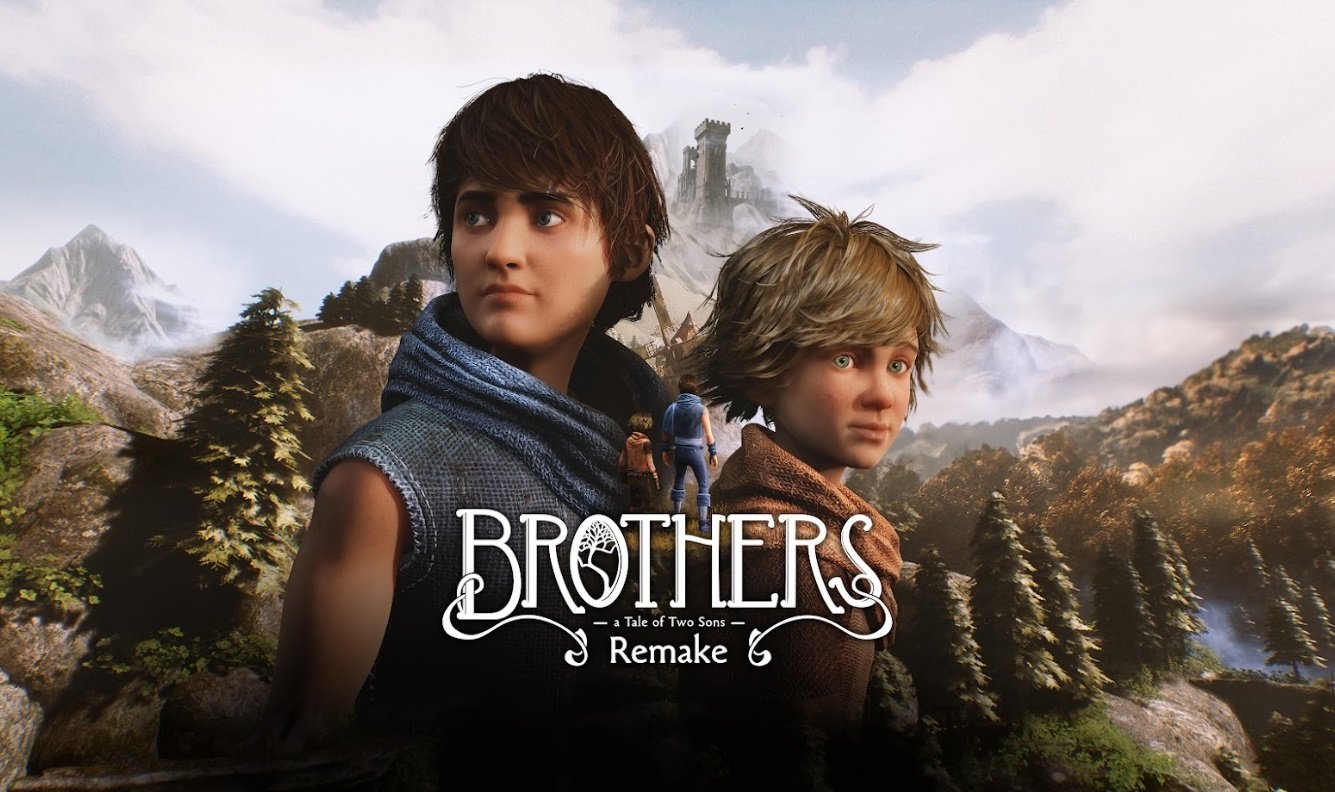
Introduction: The Next Chapter for Brothers: A Tale of Two Sons
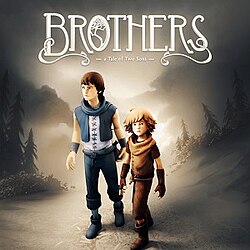
Starbreeze Studios’ *Brothers: A Tale of Two Sons*, released in 2013, wasn’t just a game; it was an experience. It carved out a unique space in the gaming landscape with its innovative control scheme and emotionally resonant narrative. While initially met with critical acclaim, questions linger about its long-term impact and potential for future iterations or expansions. This deep dive aims to dissect what made *Brothers* so special, analyze its technical underpinnings, and speculate on its legacy within the broader context of adventure gaming. The game’s success hinged on more than just a compelling story; it was the seamless integration of gameplay mechanics that truly set it apart.
Visual Direction and Graphics Engineering

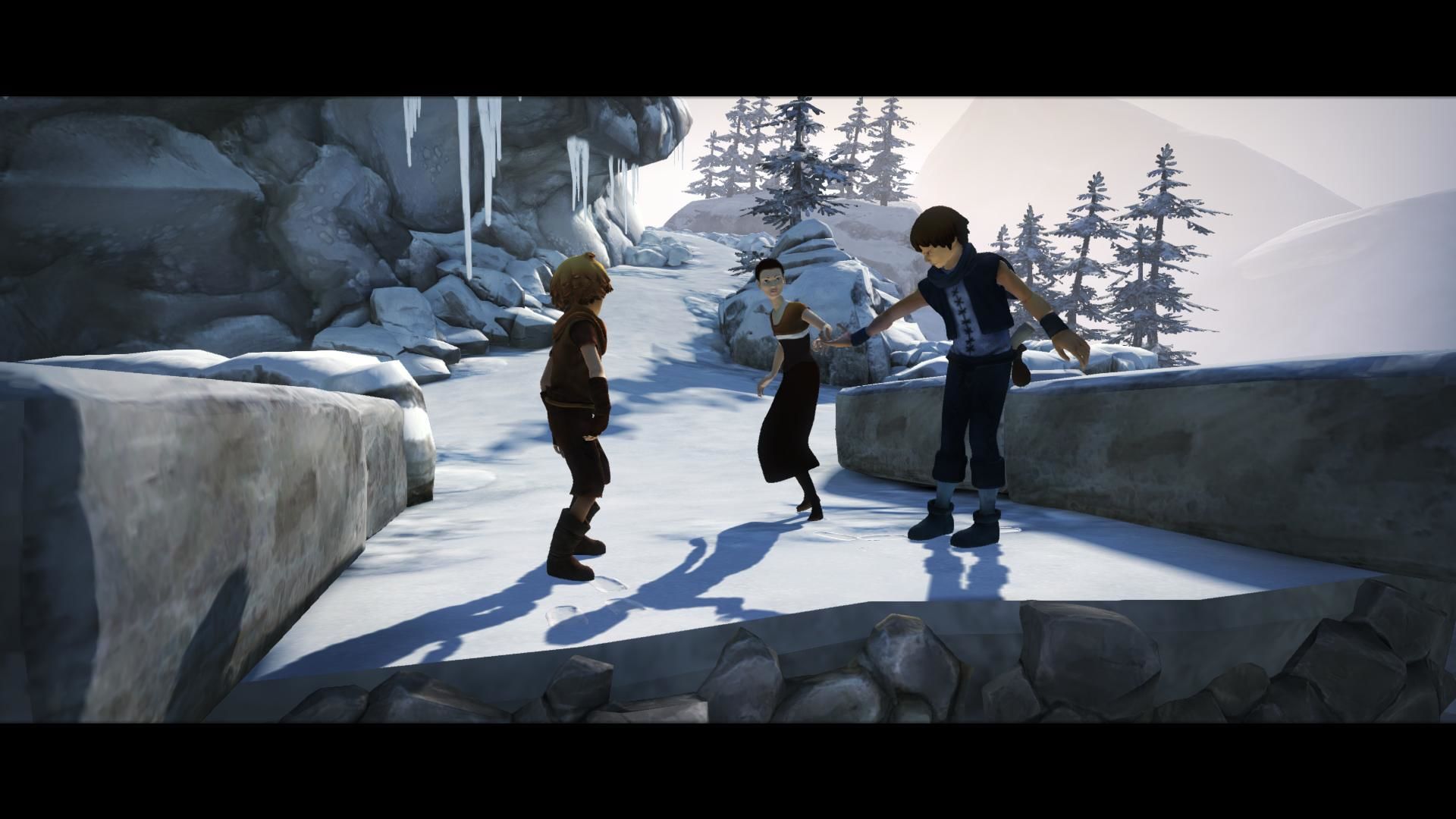
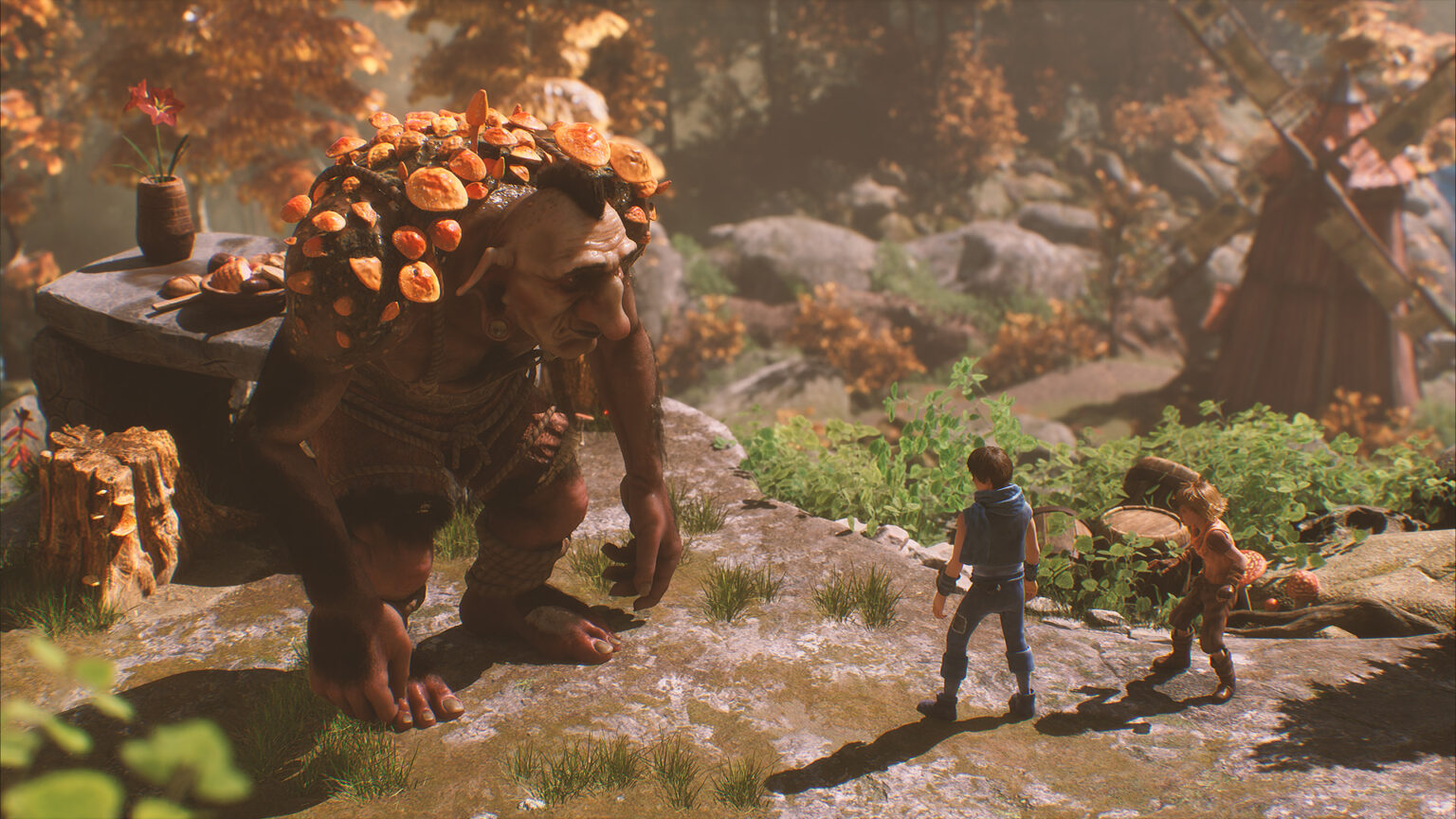
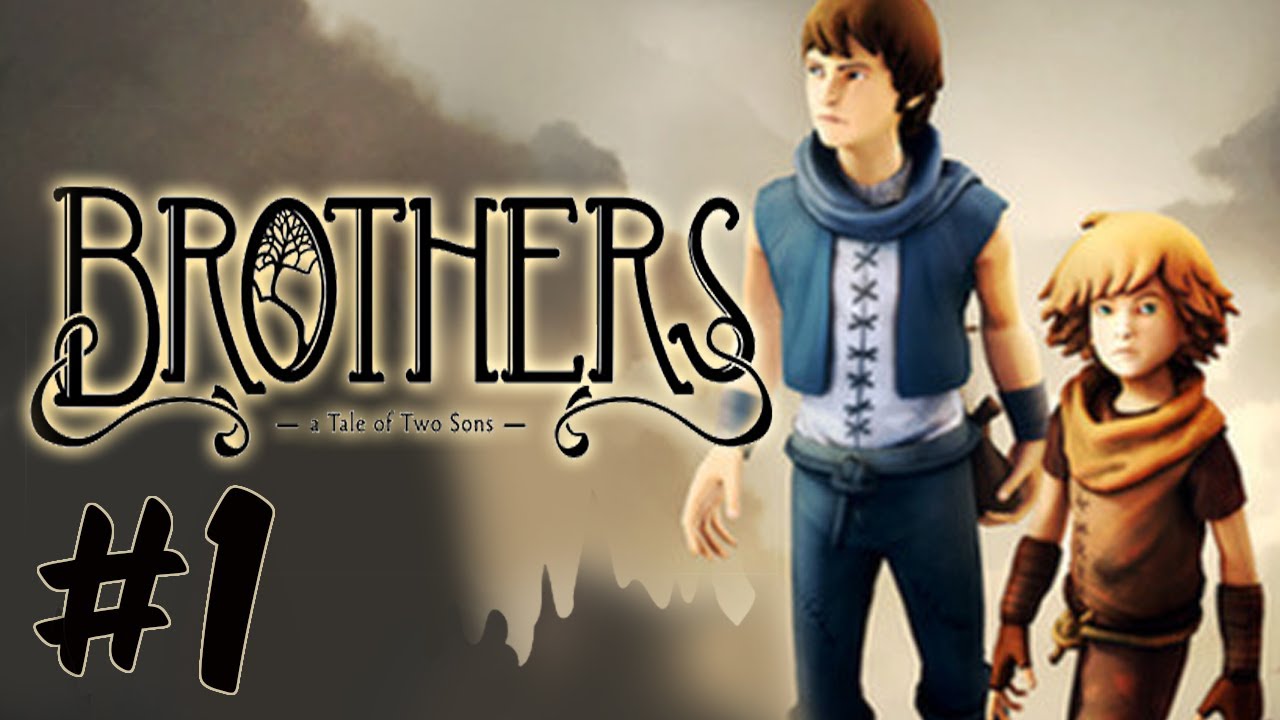
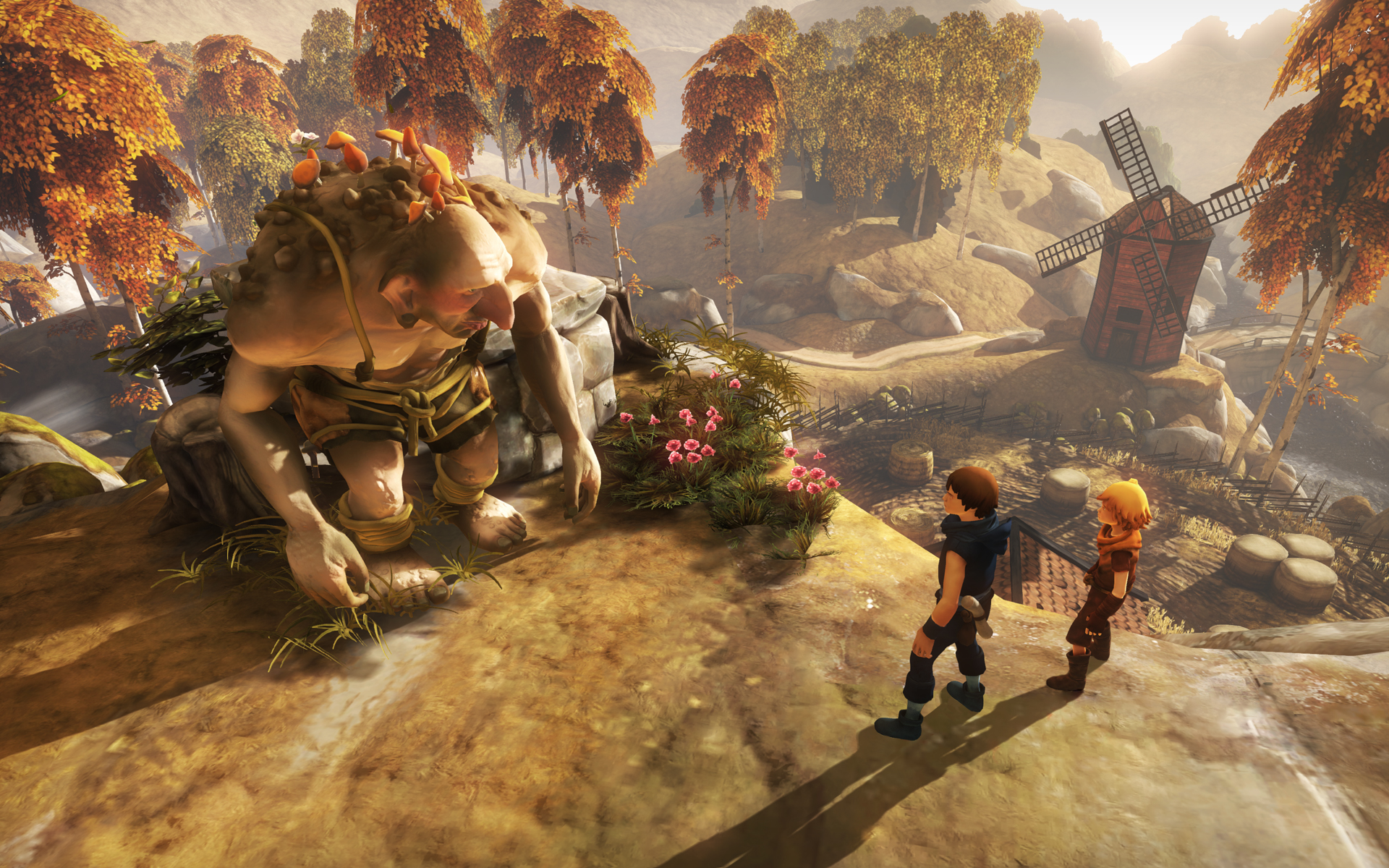
Built upon Unreal Engine 3, *Brothers* showcased a distinctive visual style. While not pushing the boundaries of graphical fidelity by modern standards, the art direction was crucial to its success. The game opted for a stylized aesthetic, emphasizing atmosphere over photorealism. The environments, though often bleak and dangerous, were rendered with a painterly quality that enhanced their emotional impact. This artistic choice allowed the developers to create a world that felt both fantastical and grounded in reality. The use of lighting and shadow was particularly effective in creating a sense of foreboding and wonder. The technical limitations of Unreal Engine 3 were cleverly circumvented through careful optimization and creative design choices, resulting in a visually cohesive and memorable experience.
Gameplay Mechanics and Core Systems

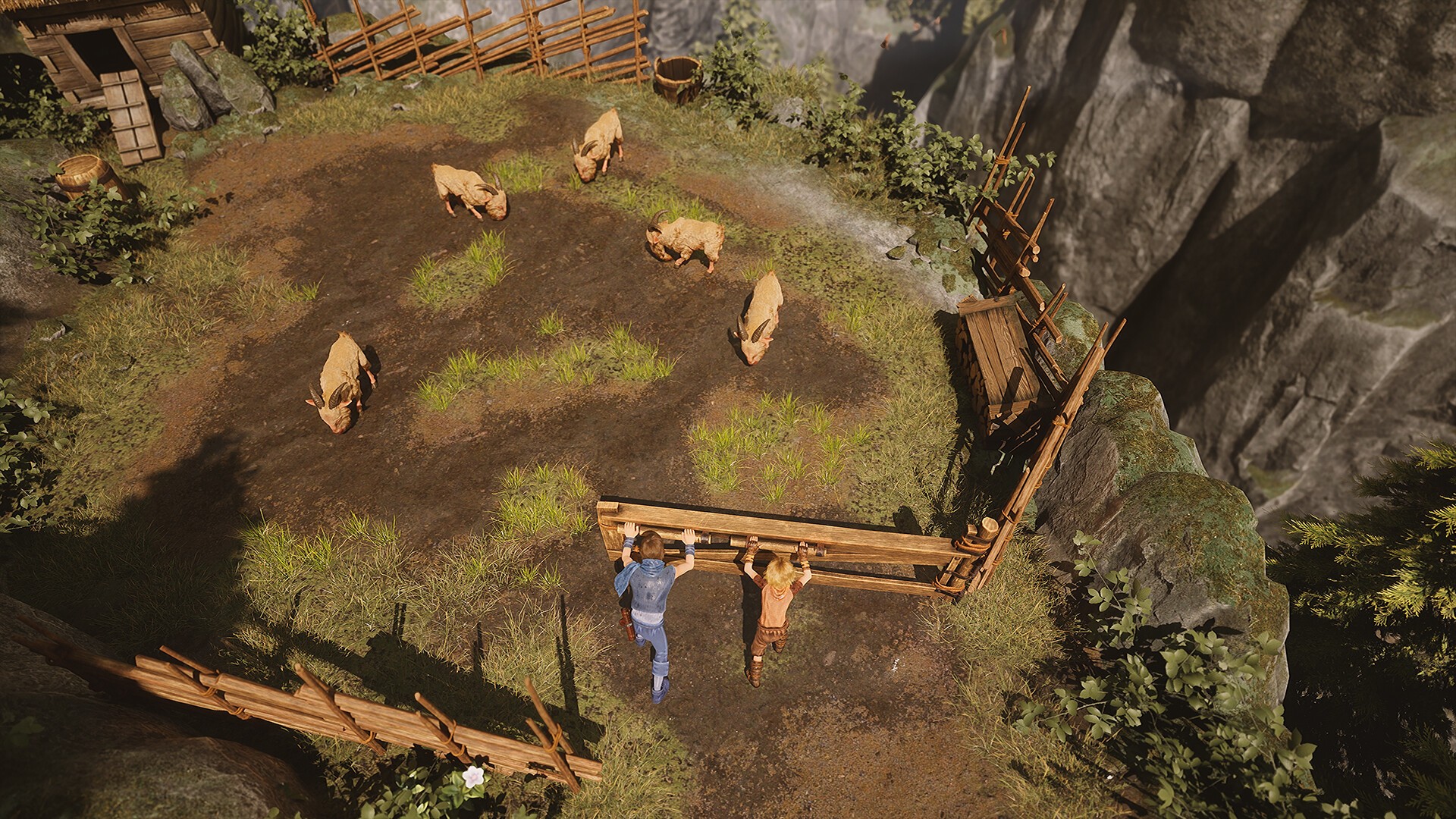
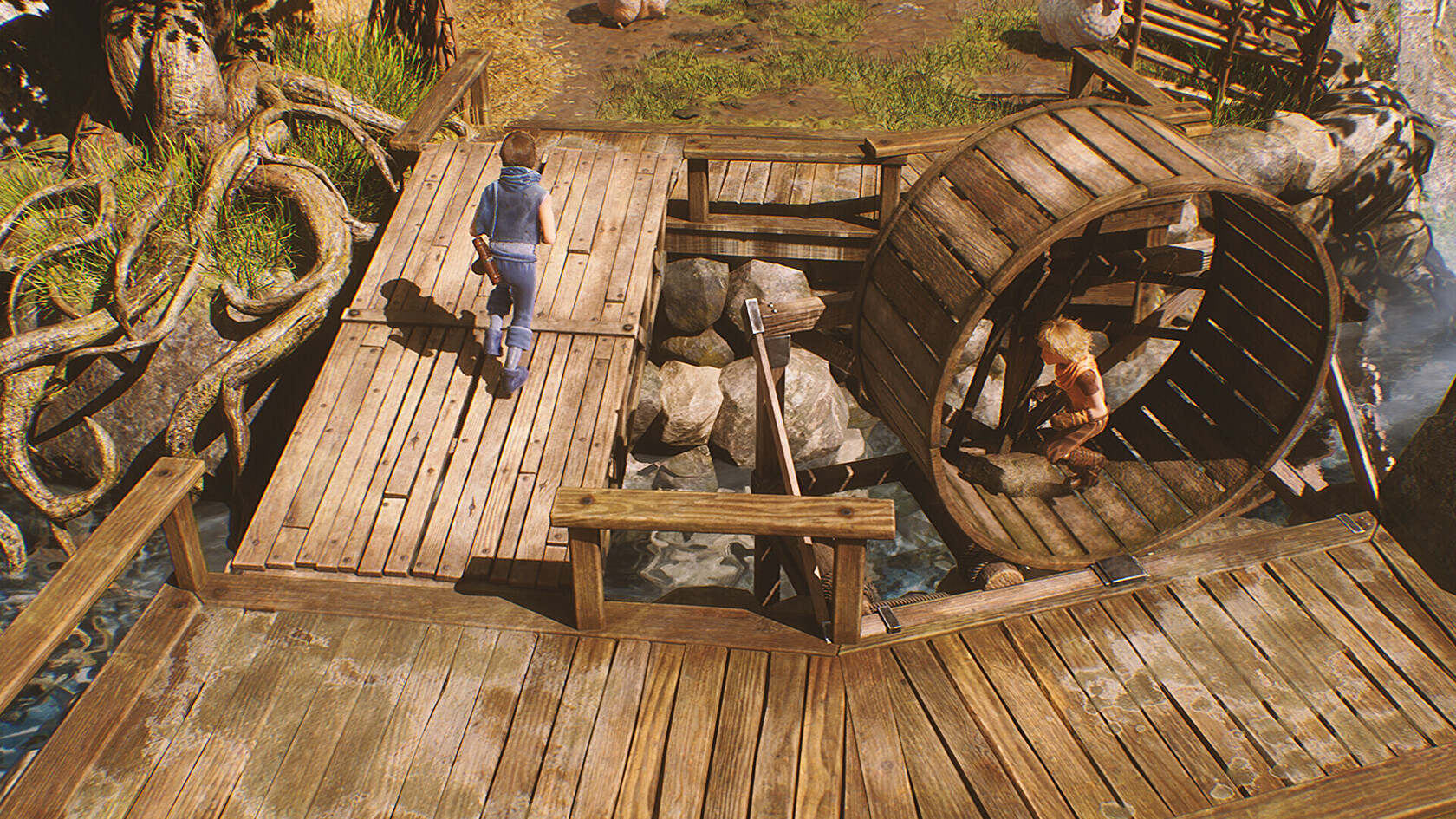
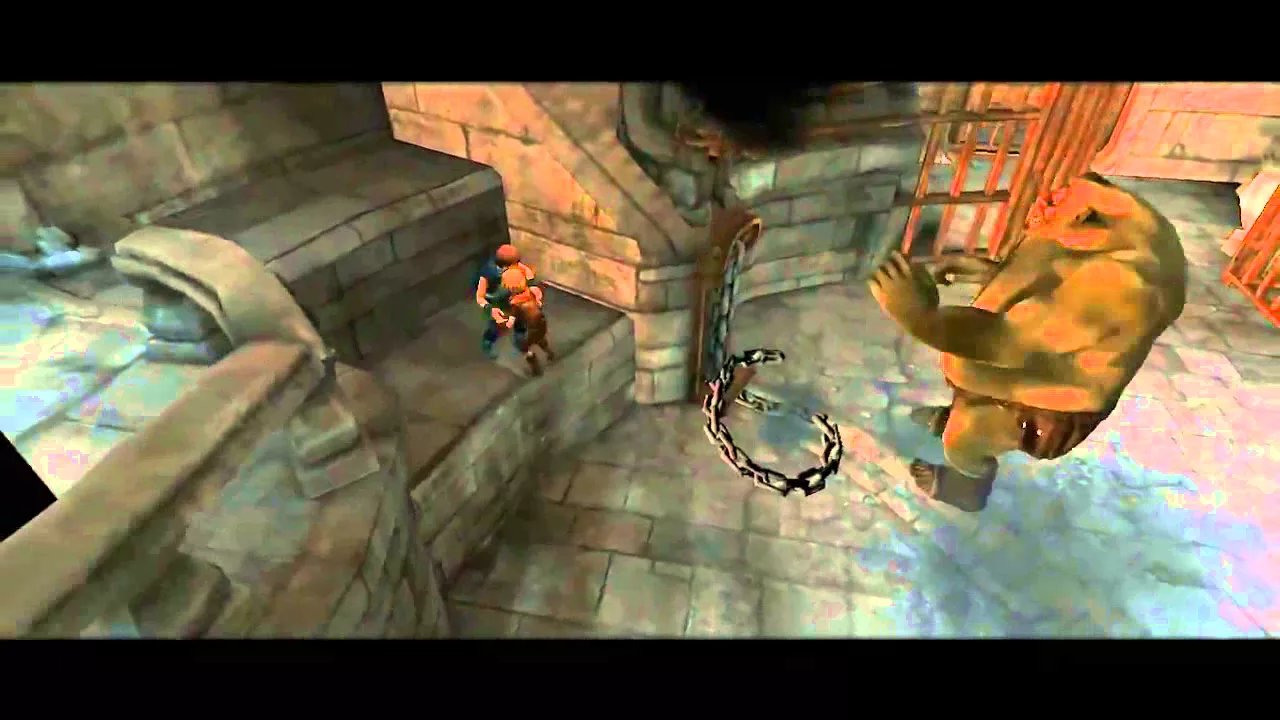
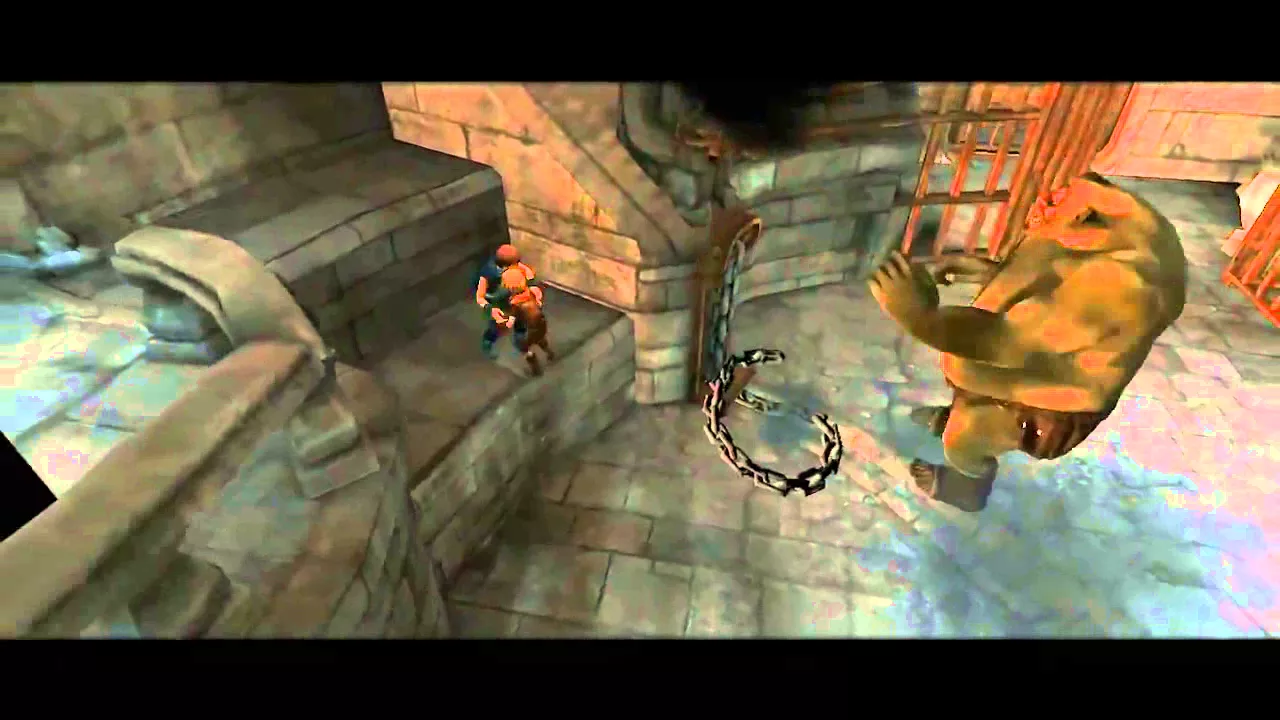
The core innovation of *Brothers* lay in its control scheme. Players controlled each brother simultaneously using two analog sticks, requiring coordination and strategic thinking. This dual-control system was not just a gimmick; it was integral to the gameplay, forcing players to consider the strengths and weaknesses of each character. The older brother’s strength allowed him to perform tasks like pulling levers or boosting his younger sibling, while the younger brother’s agility enabled him to navigate tight spaces. This asymmetrical gameplay created unique puzzle-solving opportunities and fostered a sense of interdependence between the brothers. Mastering this control scheme was essential to progressing through the game, and it provided a level of engagement rarely seen in other adventure titles.
Level Design and World Atmosphere
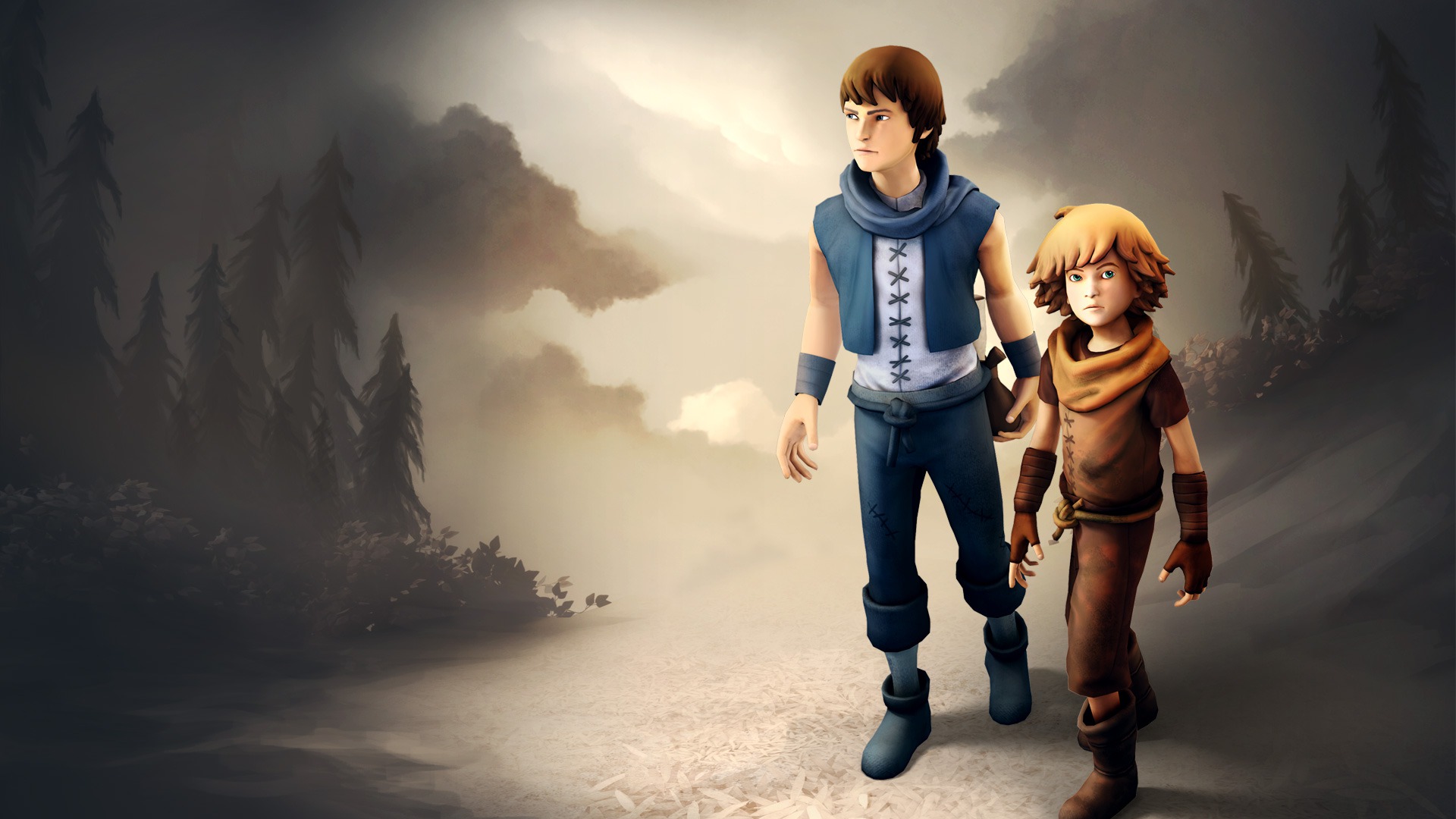
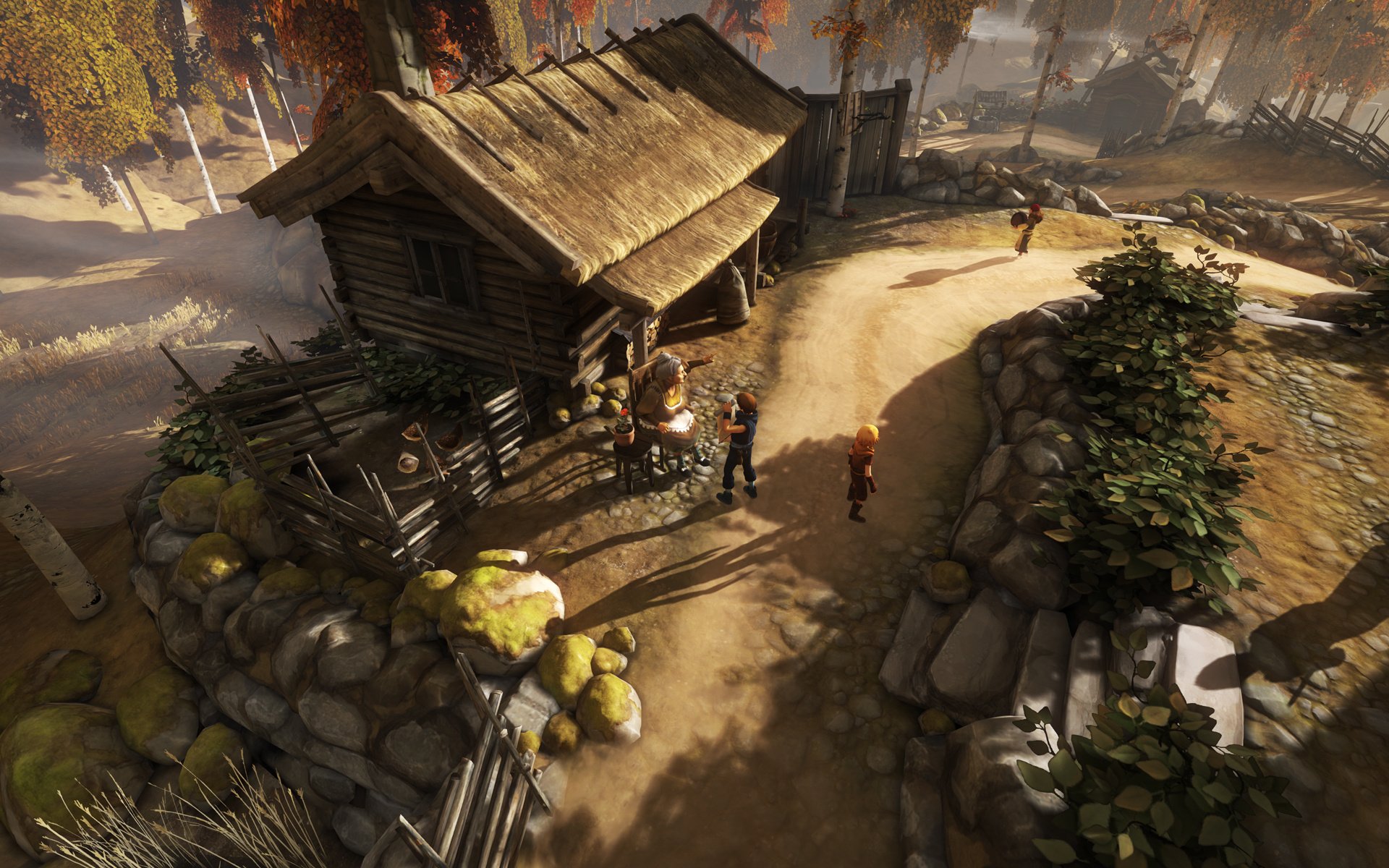
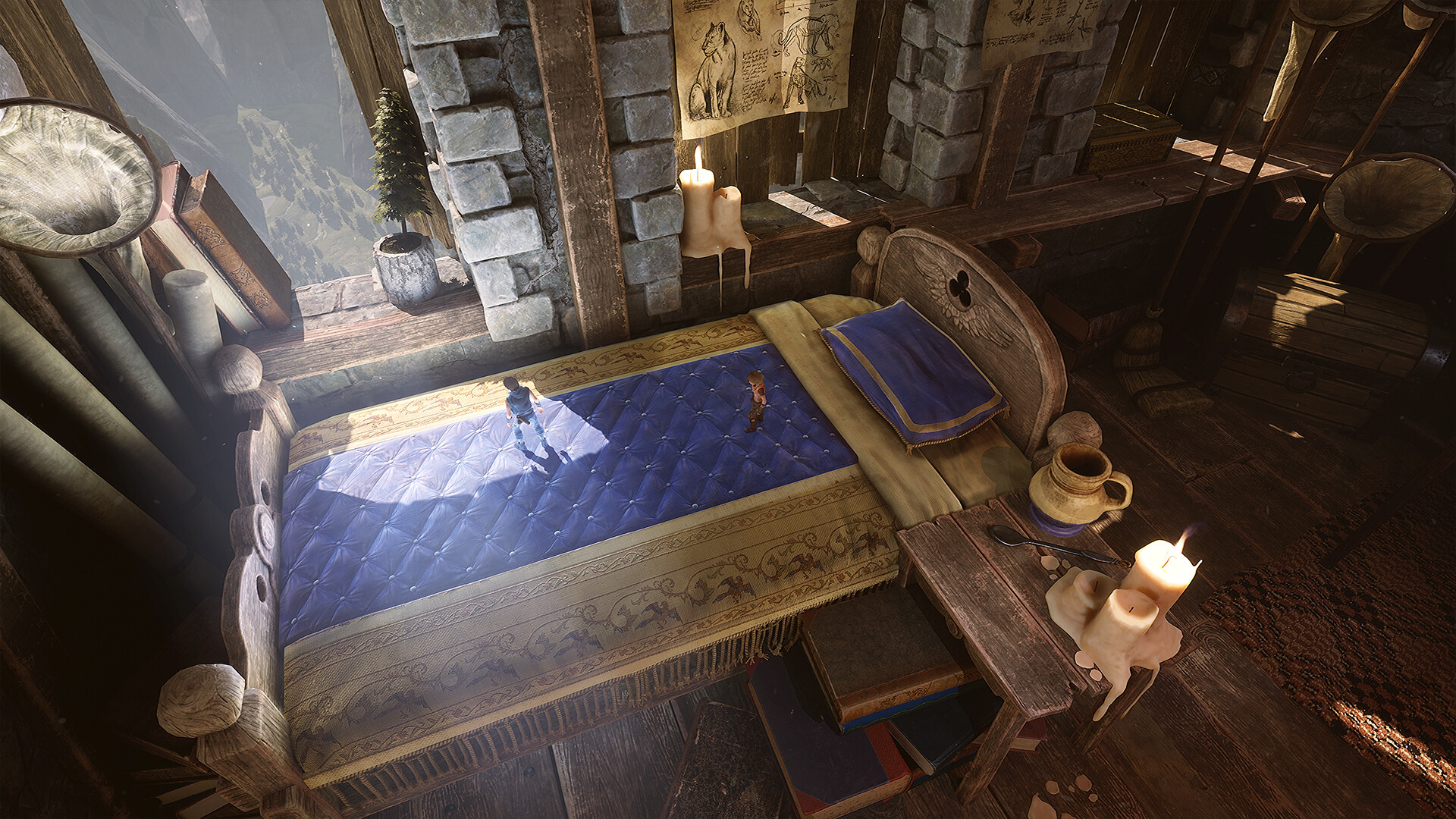
The world of *Brothers* is as much a character as the two protagonists. The level design expertly guided players through diverse environments, from lush forests to treacherous mountains and dark caves. Each location was meticulously crafted to evoke specific emotions, contributing to the overall sense of adventure and peril. The game’s atmosphere was further enhanced by its soundtrack, which seamlessly blended orchestral arrangements with ambient soundscapes. The level design wasn’t just about navigating obstacles; it was about creating a journey that resonated emotionally with the player.
Narrative Depth and Character Profiles
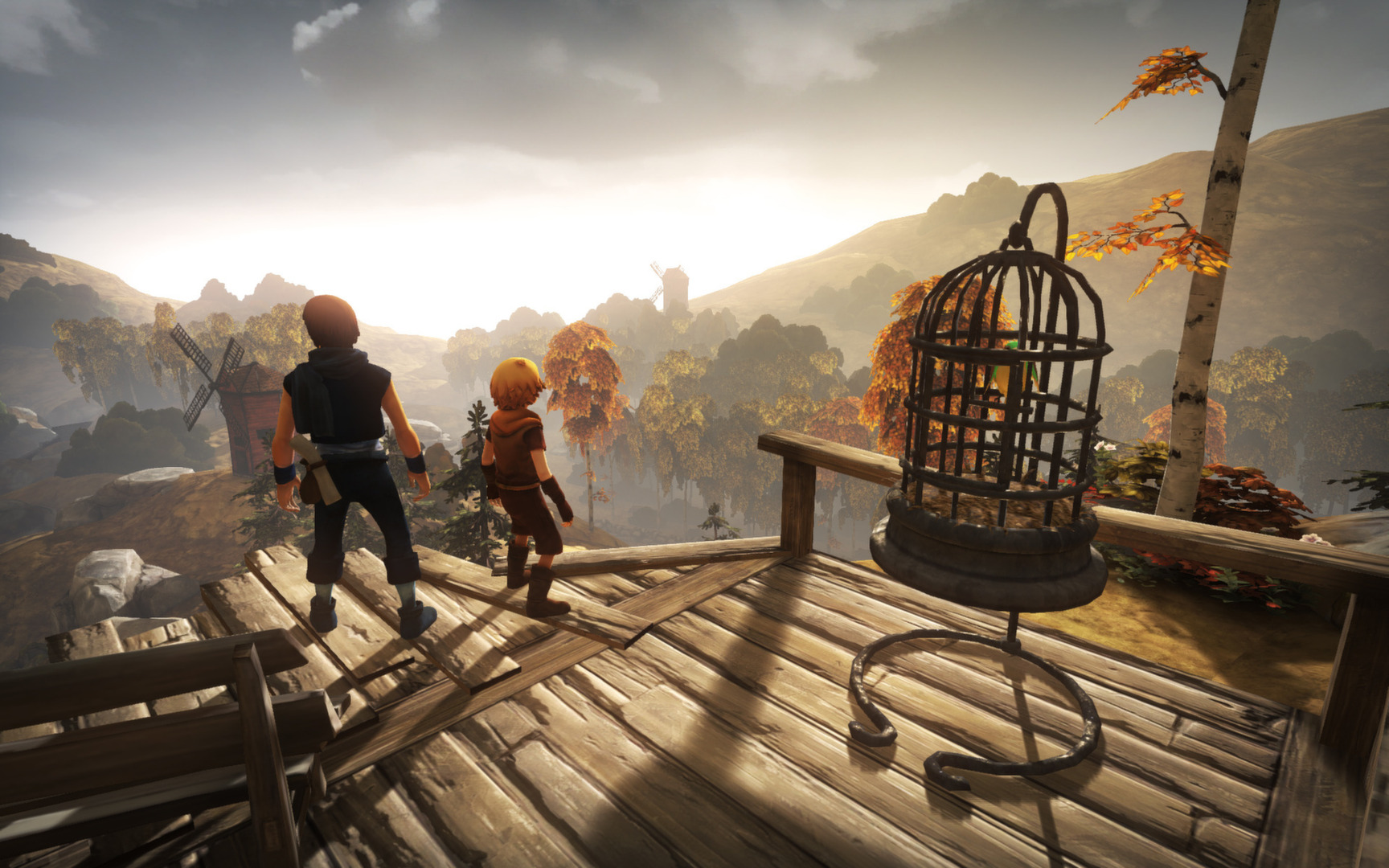
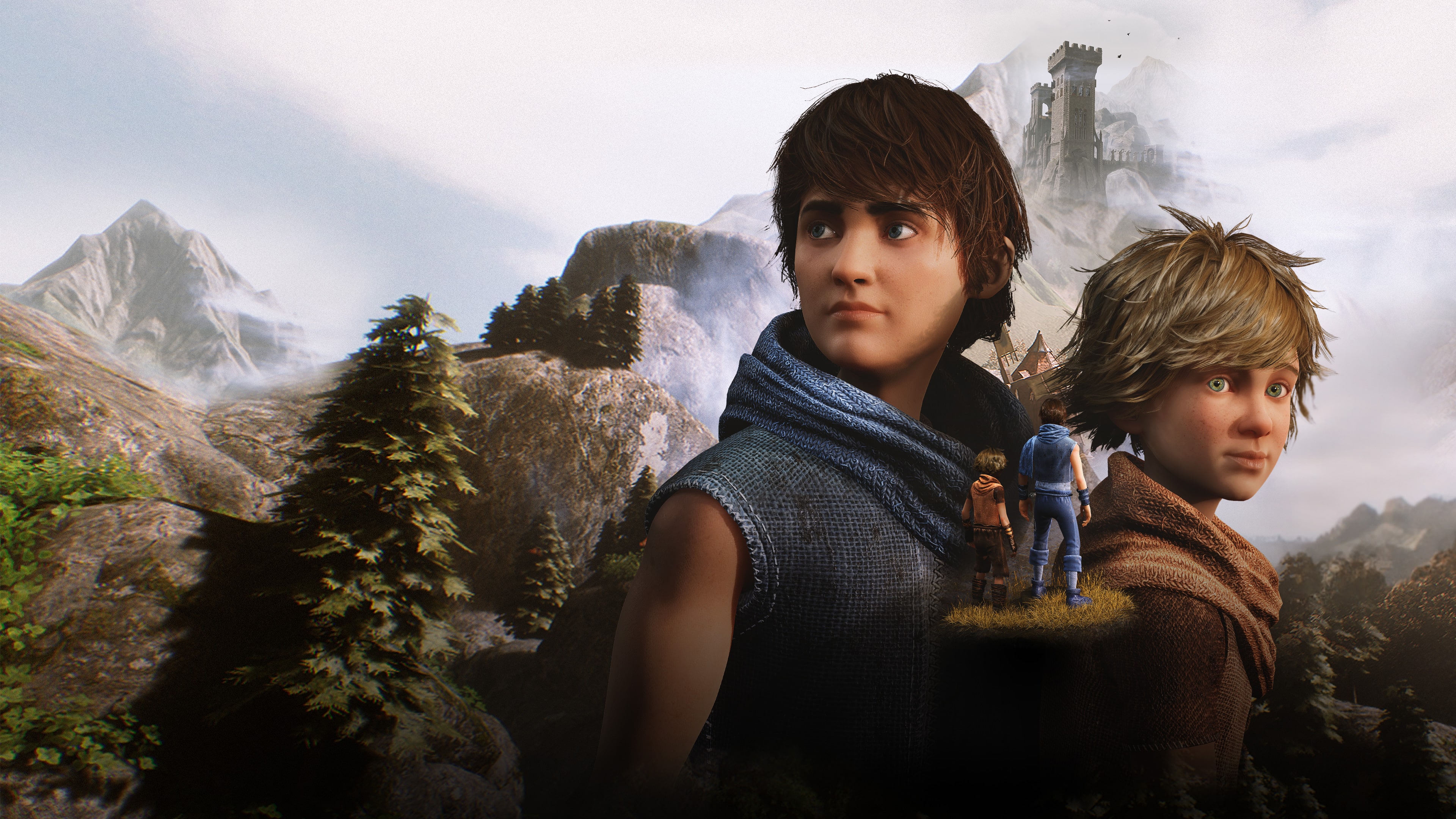
At its heart, *Brothers* is a story about family, sacrifice, and perseverance. The narrative unfolds gradually, revealing details about the brothers’ past and their motivations for embarking on their quest. The characters, though not extensively developed through dialogue, were brought to life through their actions and interactions with each other. The bond between the two brothers was palpable, driving the player forward even in the face of seemingly insurmountable odds. The game’s narrative depth lies not just in its plot but also in its ability to evoke empathy and understanding for its characters.
Sound Design and Acoustic Realism
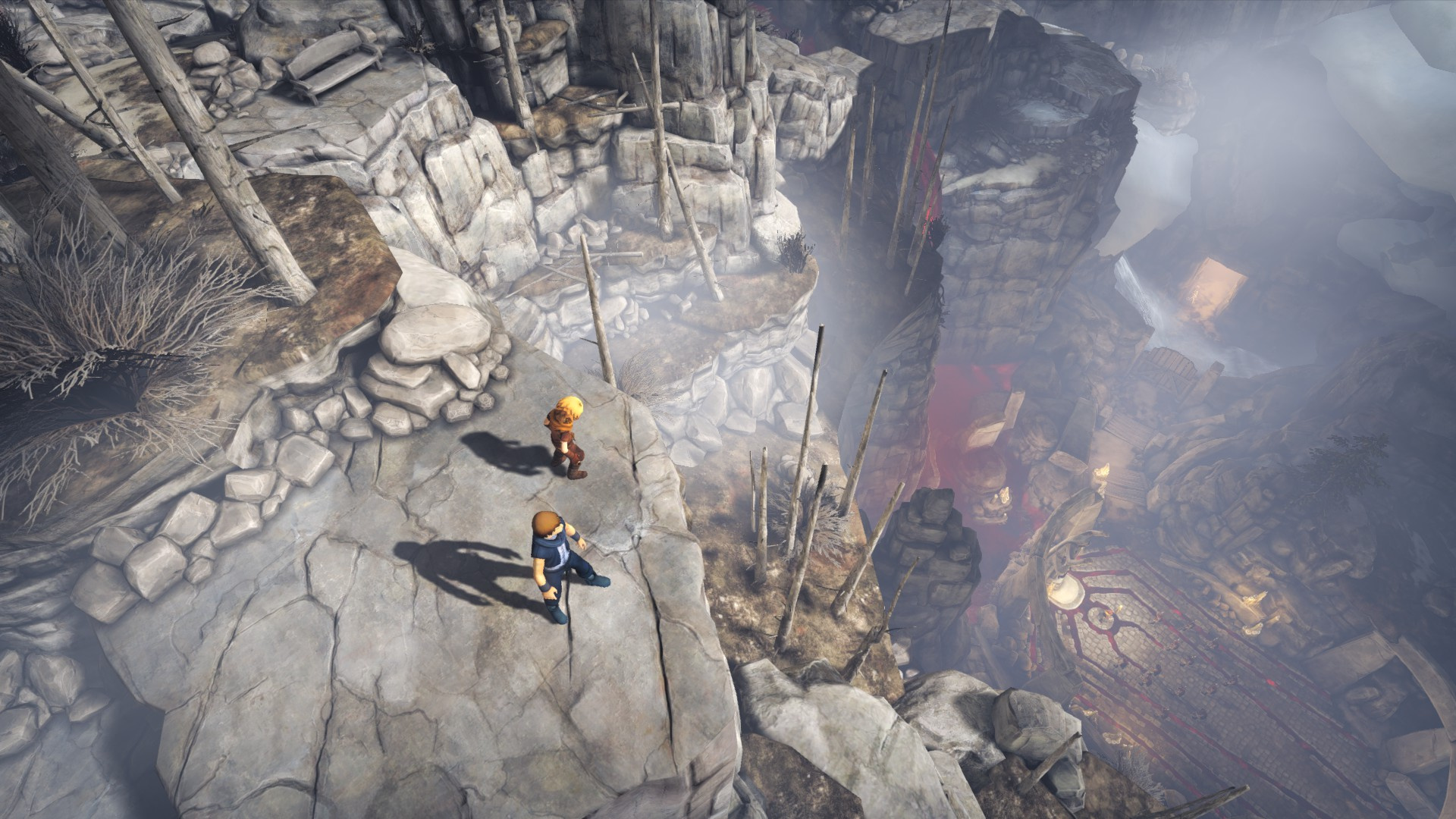
The sound design in *Brothers* played a crucial role in immersing players in the game world. The ambient sounds, from the rustling of leaves to the howling wind, created a sense of realism that enhanced the overall experience. The soundtrack, composed by Gustaf Grefberg, was equally effective, seamlessly blending orchestral arrangements with atmospheric soundscapes.
The use of diegetic sound, such as the brothers’ footsteps and labored breathing, further contributed to the game’s immersive quality.
Release Expectations and Community Hype

While *Brothers: A Tale of Two Sons* received widespread critical acclaim upon its initial release, it remained a niche title compared to larger AAA productions. The lack of extensive marketing and the unconventional control scheme may have limited its reach. However, the game’s unique qualities fostered a dedicated community that continues to appreciate its artistry and innovation. The question remains whether Starbreeze Studios will revisit this beloved IP in the future, potentially exploring new gameplay mechanics or expanding upon the existing narrative.
Conclusion: The Future of Brothers: A Tale of Two Sons
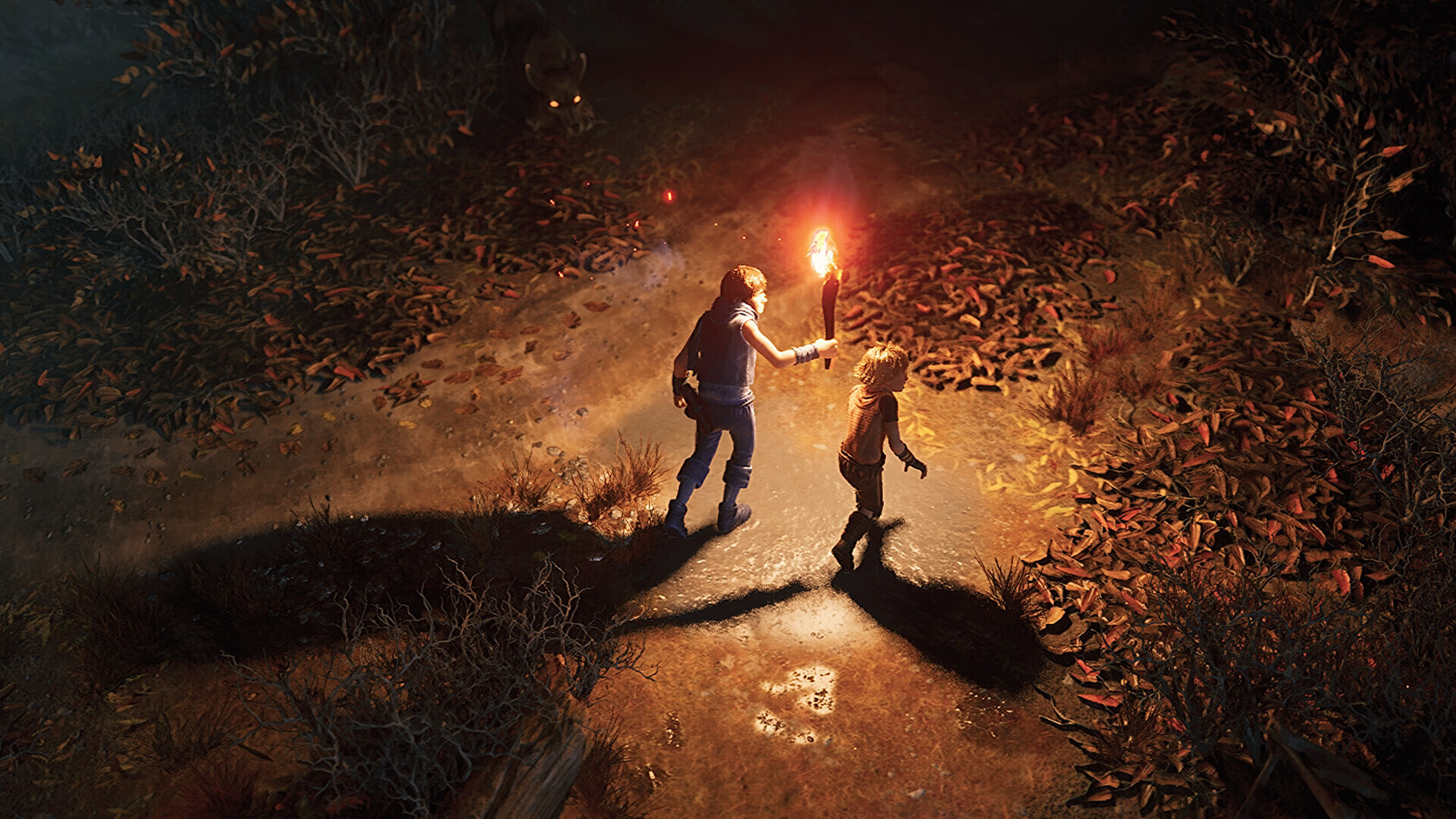
*Brothers: A Tale of Two Sons* stands as a testament to the power of innovative design and emotionally resonant storytelling. While its technical limitations may be apparent by today’s standards, its artistic vision and unique gameplay mechanics continue to resonate with players. The game’s legacy lies not just in its critical acclaim but also in its ability to inspire creativity and push the boundaries of what a video game can achieve. The future of *Brothers* remains uncertain, but its impact on the gaming landscape is undeniable.
Source: Wikipedia