Introduction: The Next Chapter for Borderlands
Borderlands, released in 2009 by Gearbox Software and published by 2K, wasn’t just a game; it was a phenomenon. It carved its own niche in the gaming landscape, blending first-person shooting with RPG elements and a distinctive cel-shaded art style. This Masterclass Deep-Dive will dissect every facet of Borderlands, from its groundbreaking visuals to its compelling narrative, providing an exhaustive analysis for the discerning gamer. We’re not just looking at what made it tick; we’re understanding *why* it resonated so deeply with players and continues to do so today.
Visual Direction and Graphics Engineering
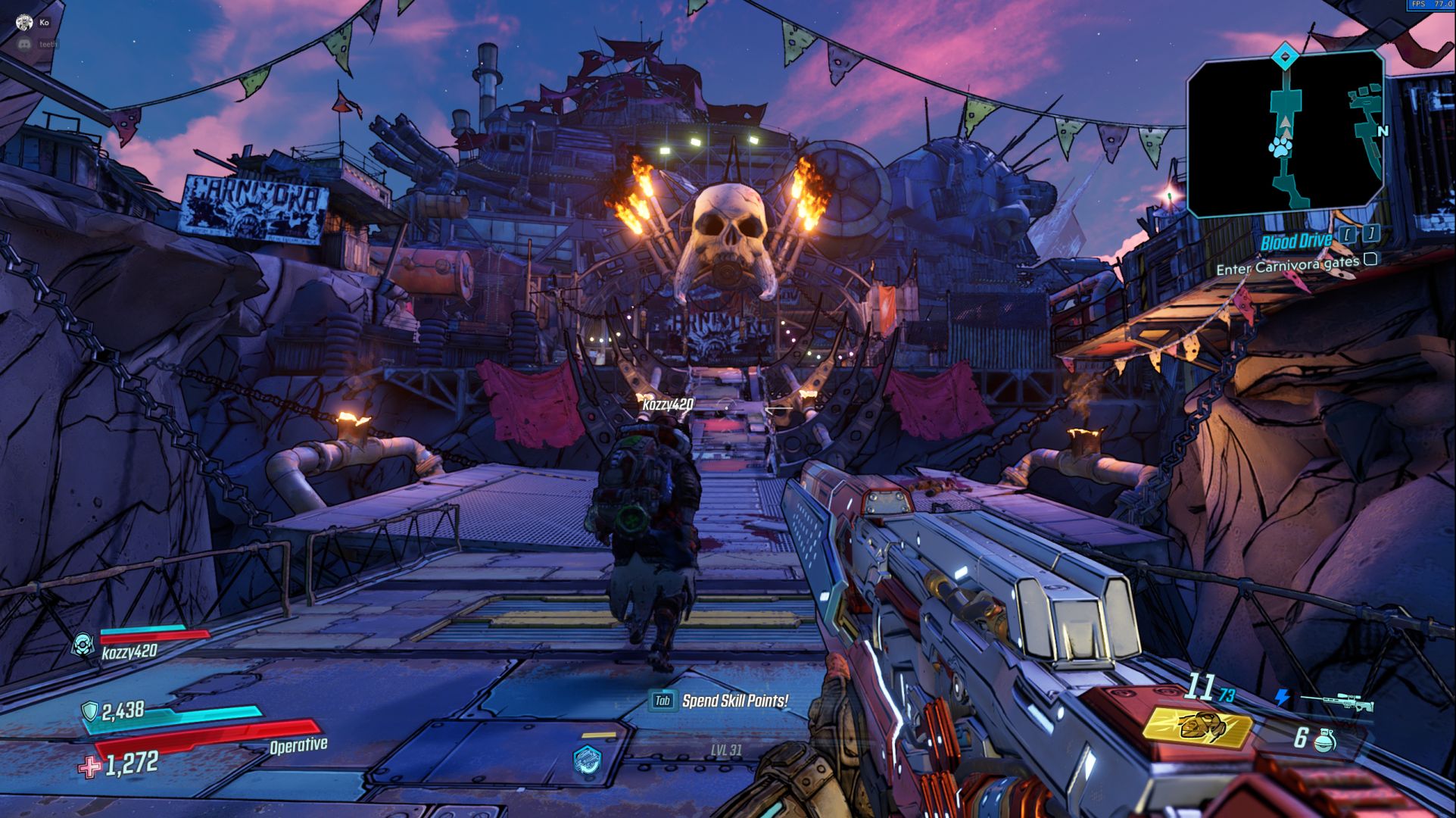
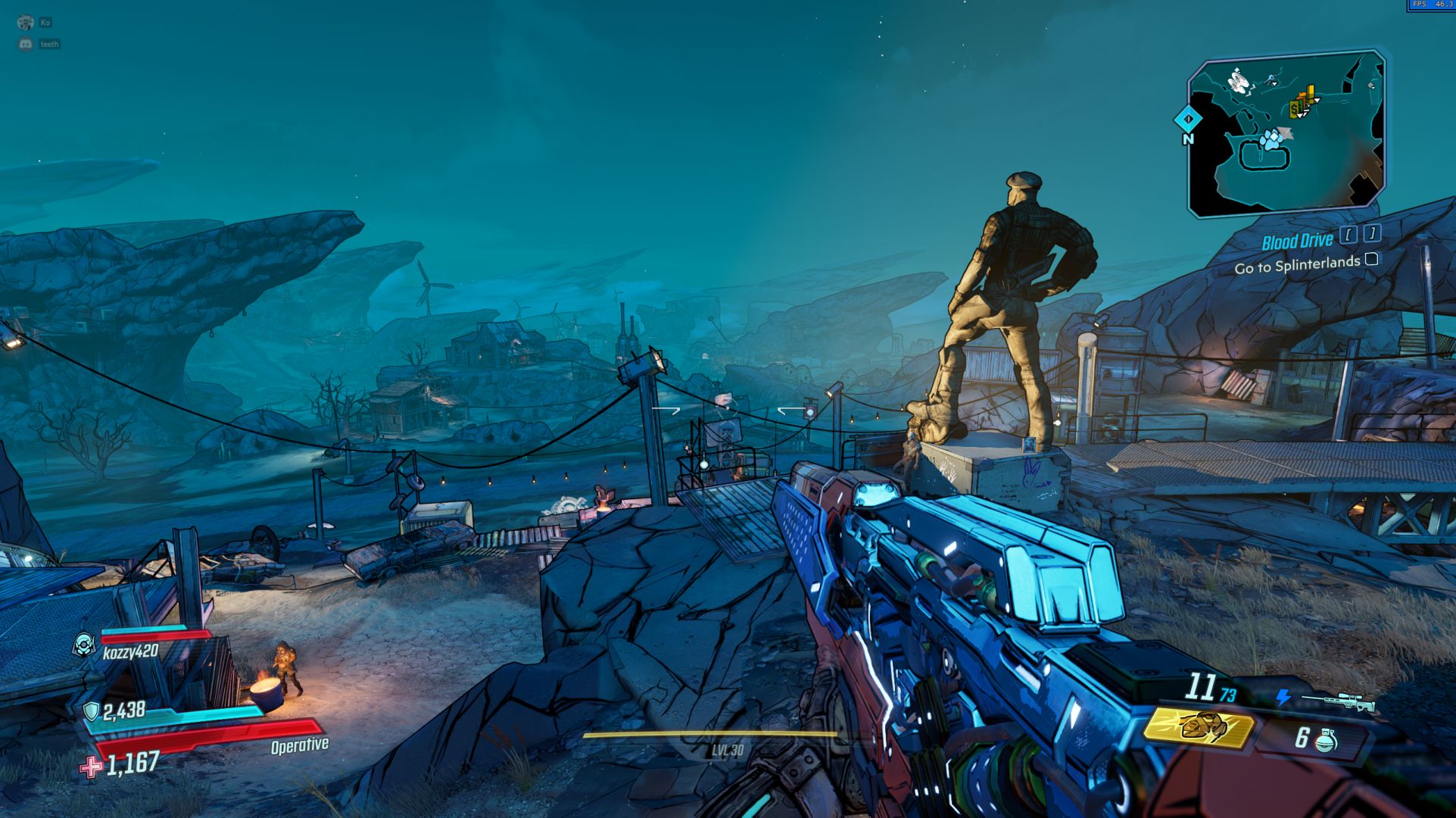
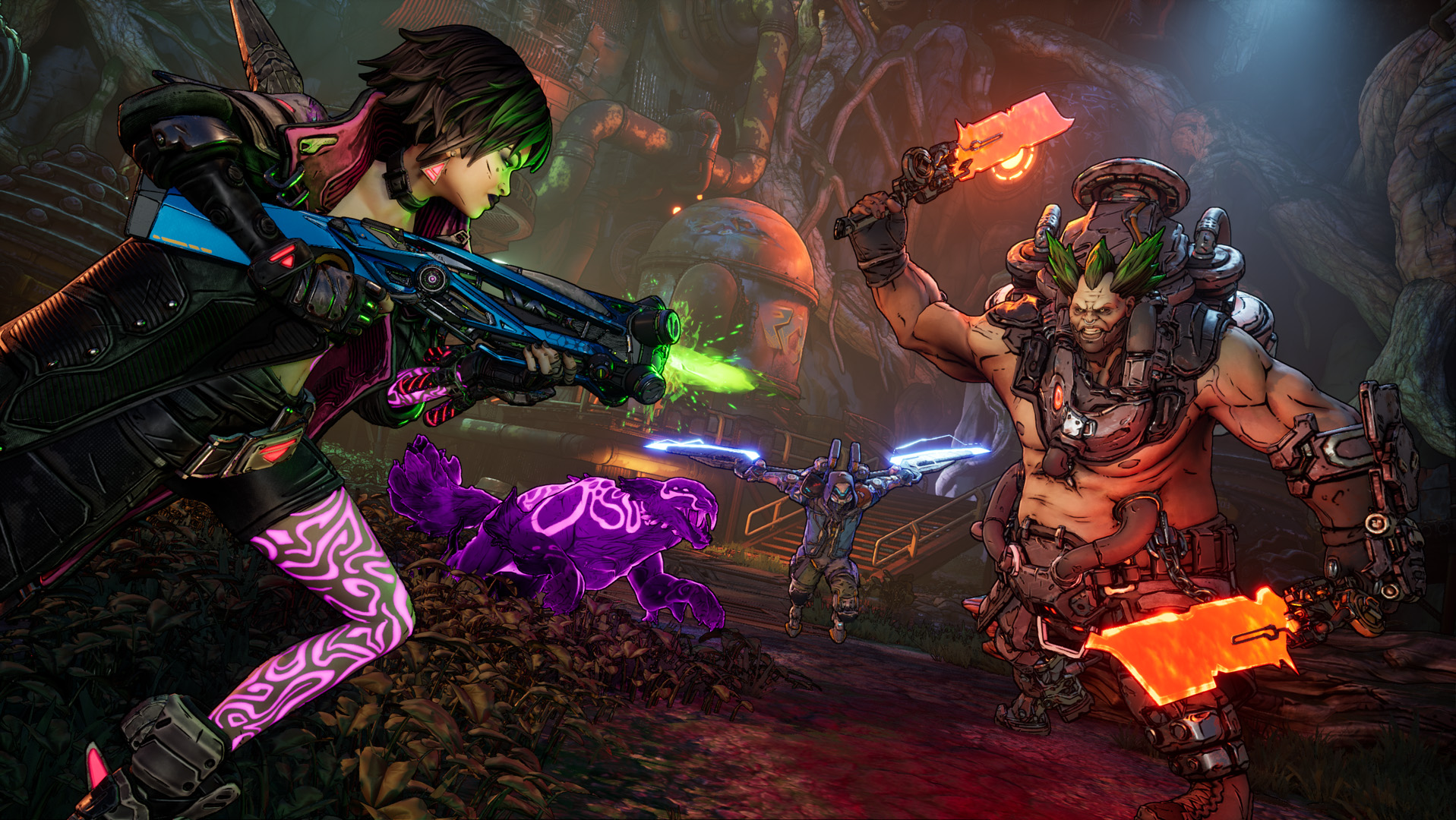
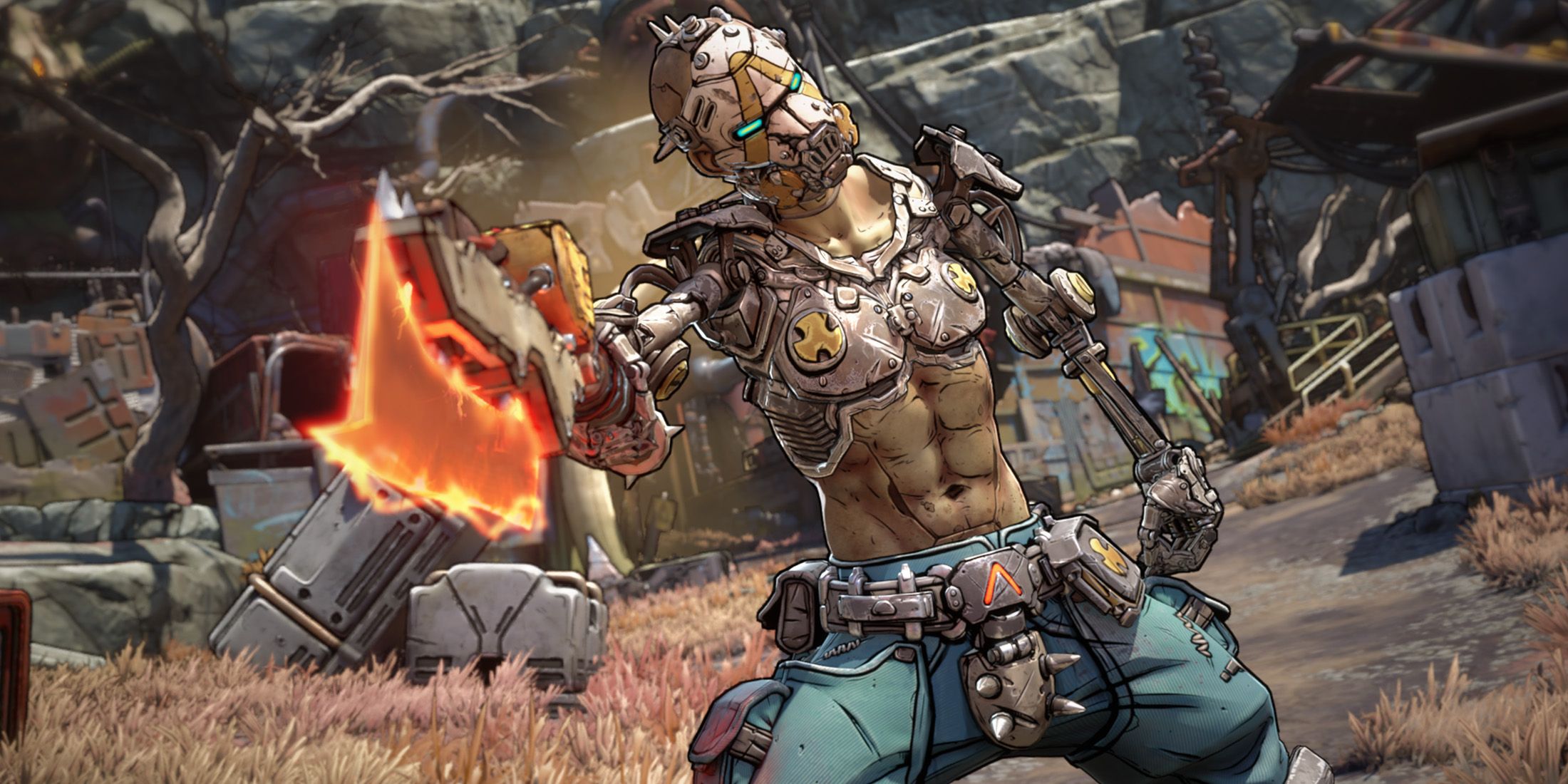
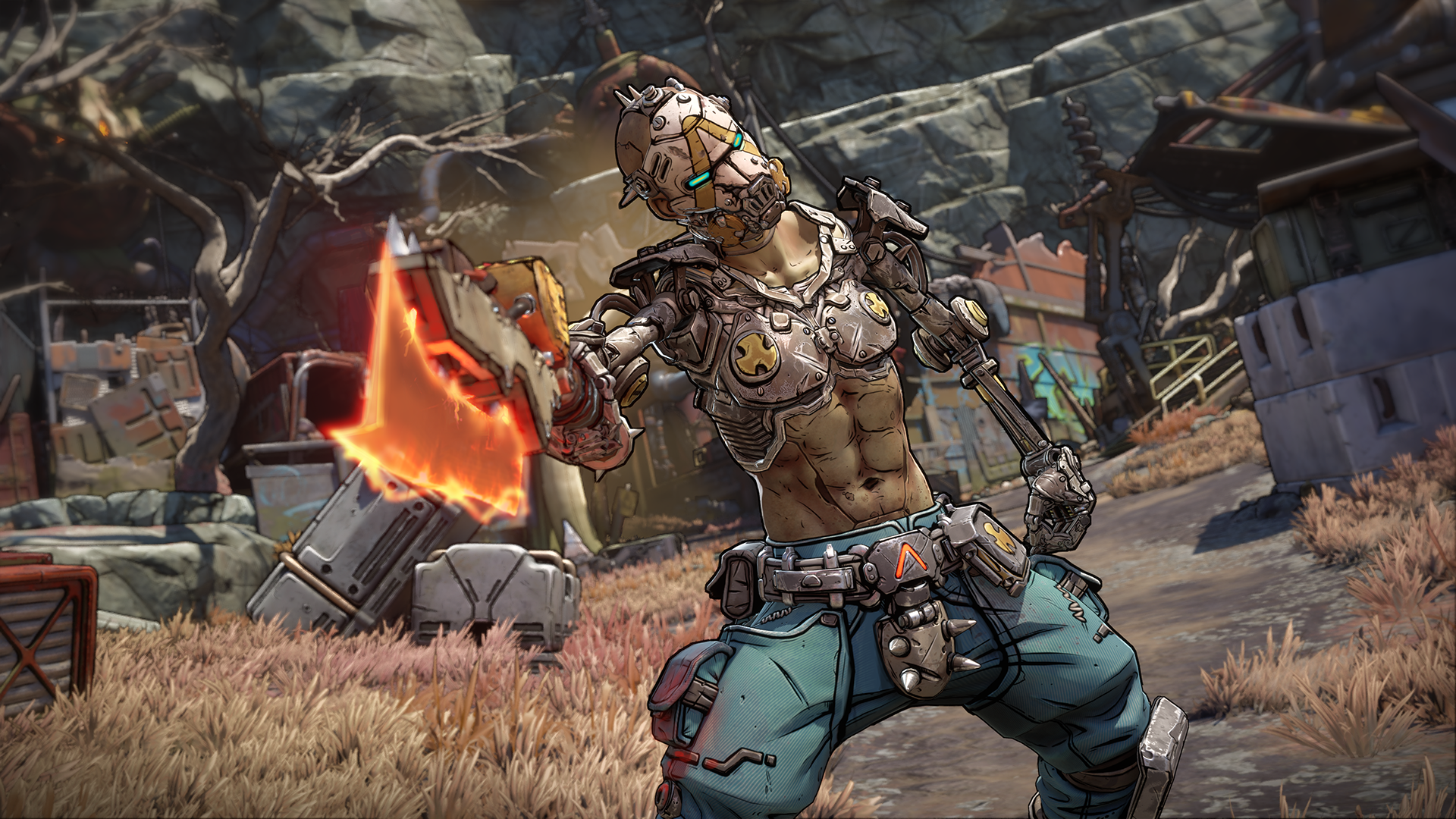
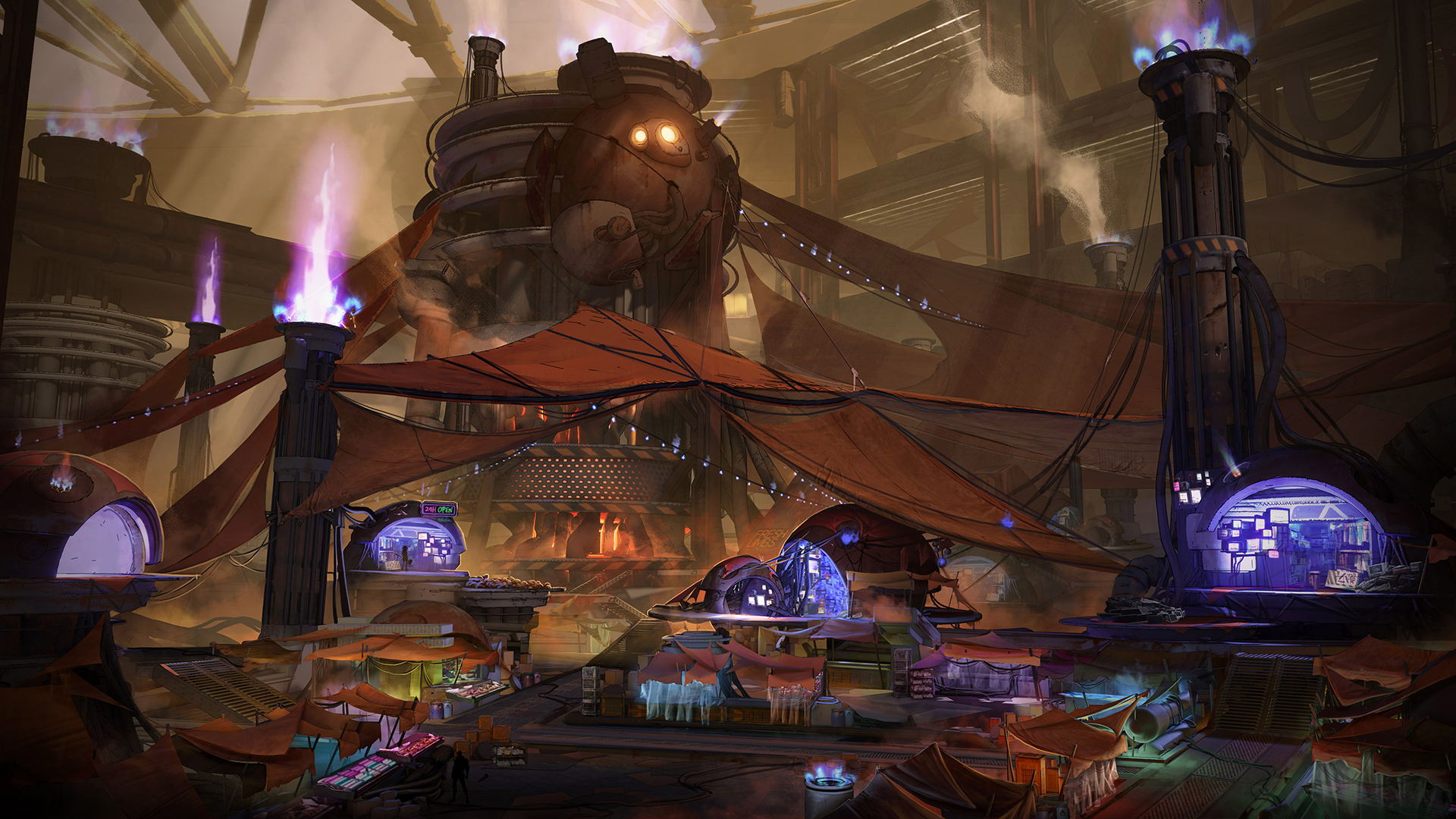
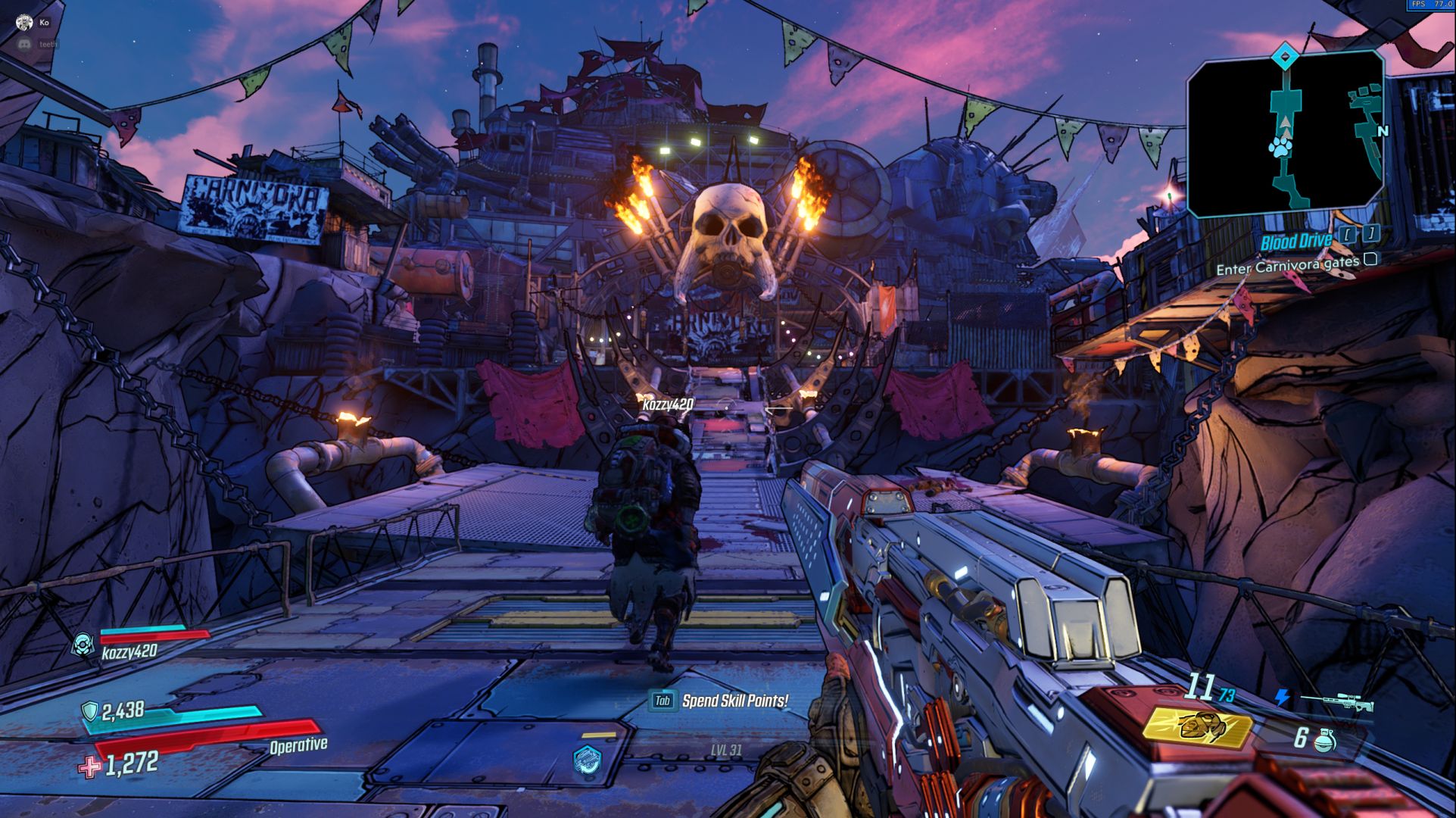
Borderlands’ visual style is arguably its most defining characteristic. The cel-shaded graphics, inspired by comic books and animation, provided a unique aesthetic that stood out from the hyper-realistic trends prevalent at the time. This wasn’t just an artistic choice; it was a pragmatic one. The stylized visuals allowed for easier asset creation and optimization, crucial for achieving consistent performance across various hardware configurations on the PlayStation 3, Xbox 360, and PC. The game leverages Unreal Engine 3, a powerful engine that provided the foundation for its dynamic lighting, particle effects, and intricate level design. While seemingly simple, the visual style is surprisingly complex, with nuanced character models and detailed environments that belie its apparent simplicity.
Gameplay Mechanics and Core Systems
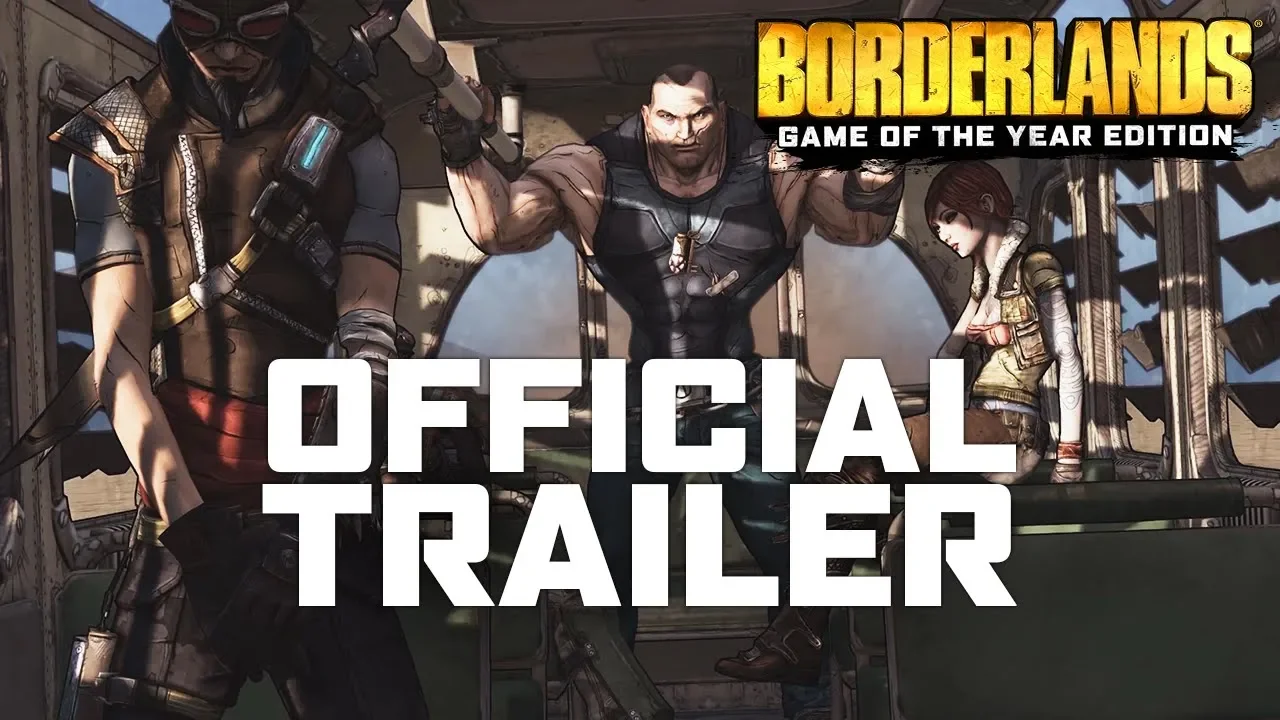
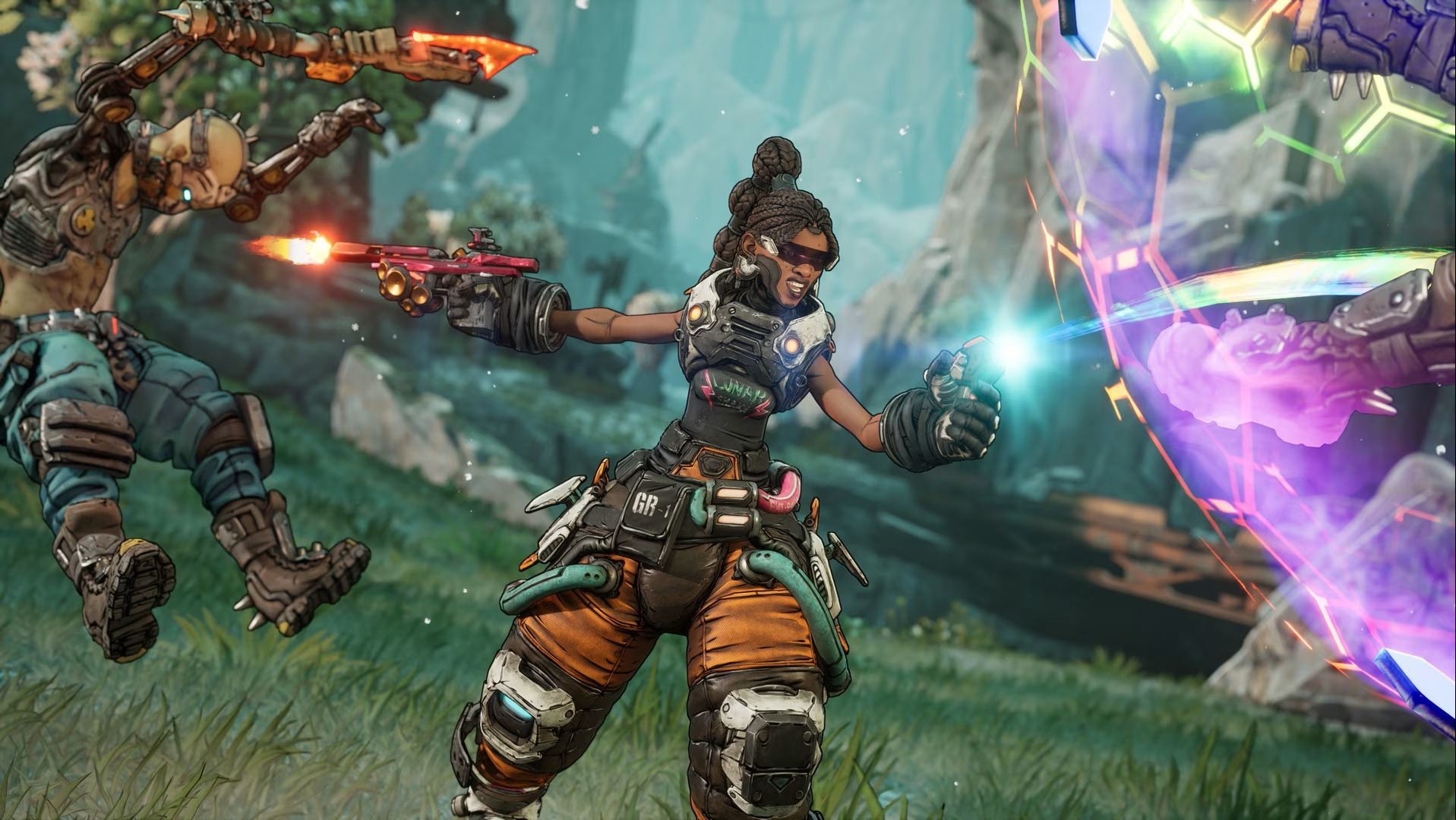
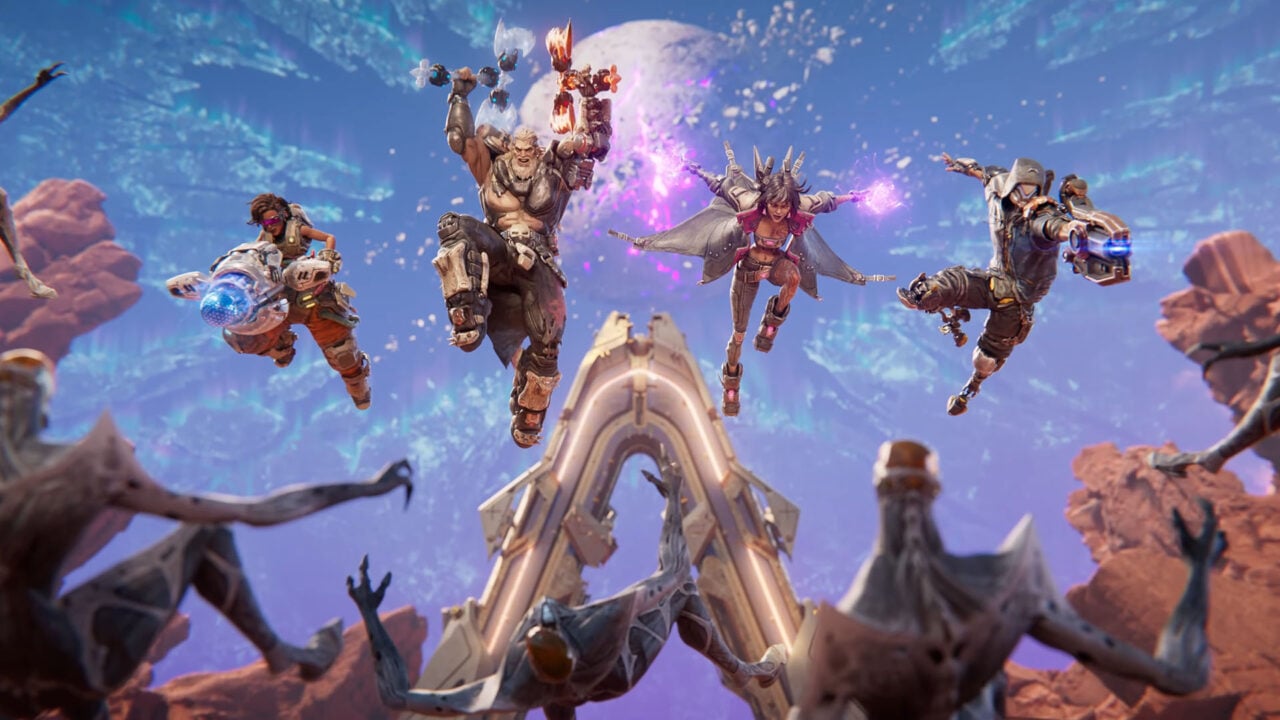
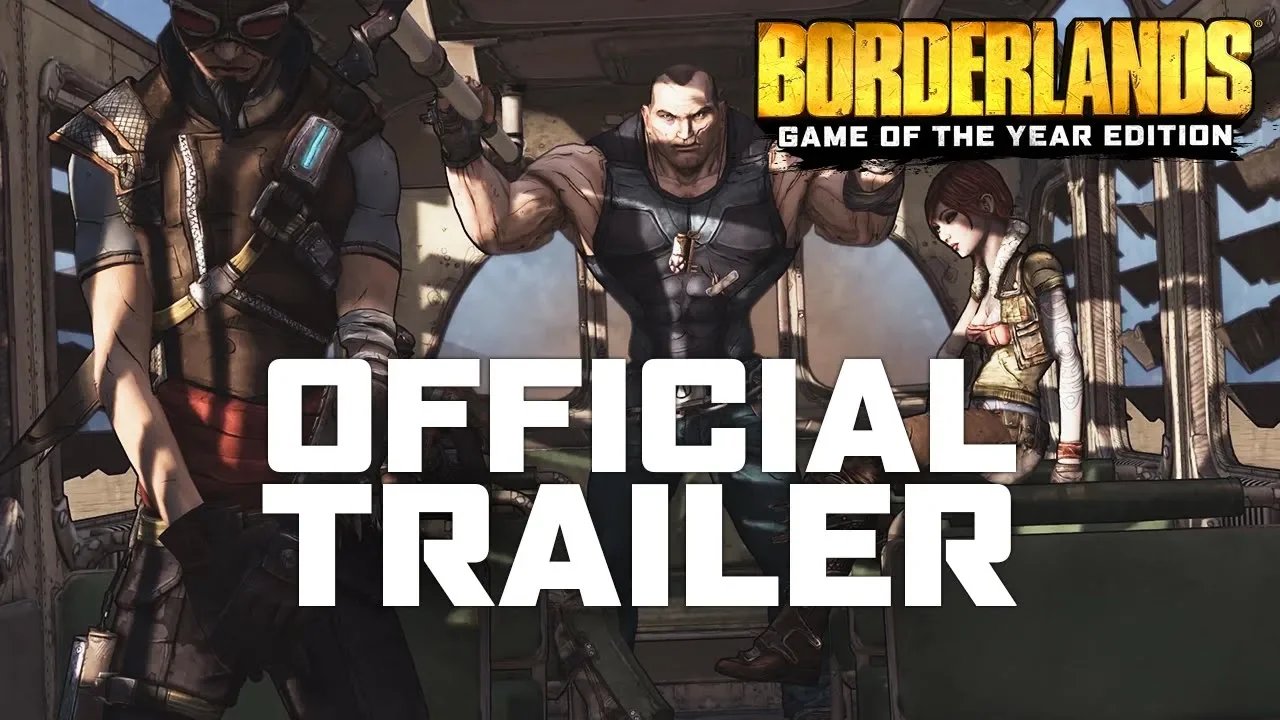
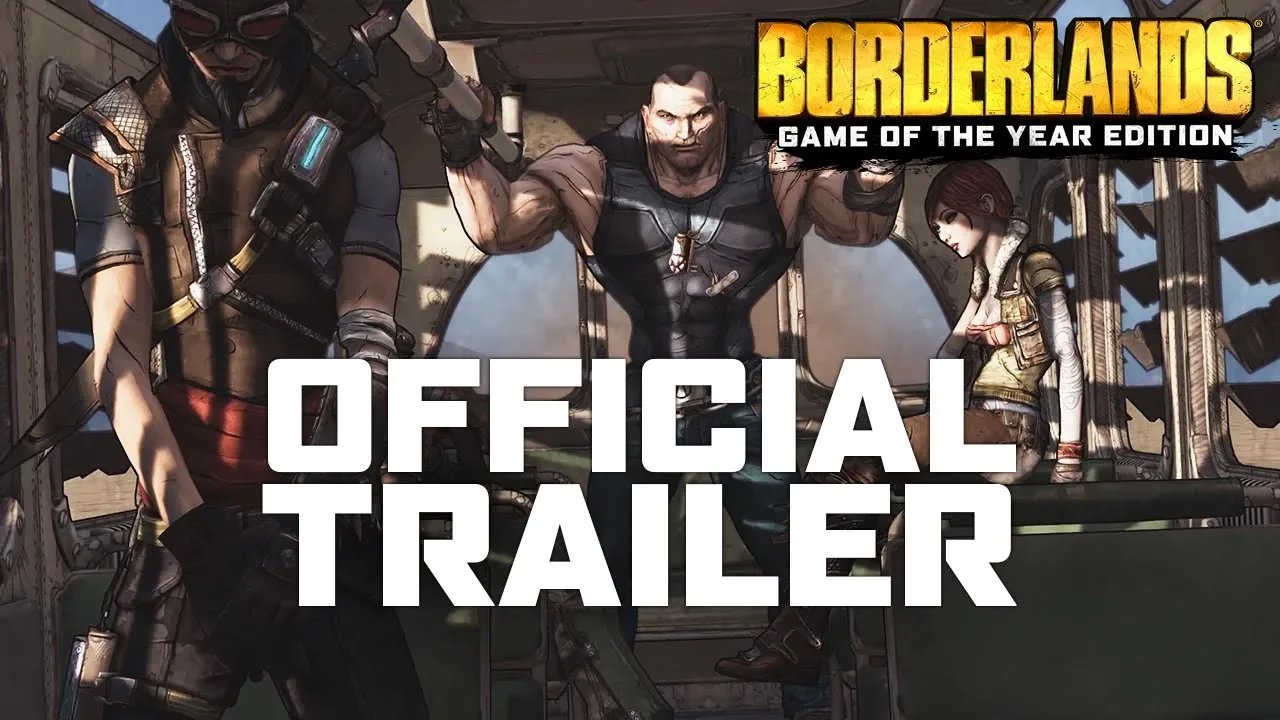
At its core, Borderlands is a looter-shooter. The gameplay loop revolves around exploring Pandora, battling enemies, collecting loot (hundreds of unique weapons!), leveling up your Vault Hunter, and completing missions. The game features four distinct playable characters: the Soldier, the Hunter, the Scientist, and the Berserker, each with their own skill trees and playstyles. This character diversity adds significant replayability. The “Golden Rule of Loot” – that every enemy has a chance to drop something valuable – is central to the experience. The game also introduced procedural weapon generation, meaning that weapons have varying stats (damage, accuracy, fire rate) even within the same model, adding another layer of depth to the loot system.
Level Design and World Atmosphere
Pandora, the desolate planet at the heart of Borderlands, is a character in itself. The level design expertly blends open areas with tight corridors, encouraging both exploration and tactical combat. Each area of Pandora – from the bandit-infested Fyrestone to the radioactive Dahl Garden – has its own distinct visual identity and challenges. The game’s map system, while initially rudimentary, encourages players to venture off the beaten path, rewarding curiosity with hidden loot caches and optional side quests. The atmosphere is a constant mix of danger and opportunity, perfectly encapsulating the “desperate hope” that drives the Vault Hunters.
Narrative Depth and Character Profiles
While the core premise – finding the Vault – might seem straightforward, Borderlands weaves a surprisingly complex narrative. The story unfolds through interactions with memorable characters like Marcus Kincaid (the Guardian Angel), Patricia Tannis (the know-it-all professor), and Commandant Steele (the ruthless Atlas representative). The Vault Hunters themselves are more than just avatars; they have distinct personalities and motivations that evolve throughout the game. The humor is often dark and irreverent, adding a layer of levity to the otherwise grim setting. The story explores themes of corporate greed, environmental destruction, and the enduring human spirit in the face of adversity.
Sound Design and Acoustic Realism
The sound design in Borderlands is crucial to its immersive quality. The weapon sounds are impactful and satisfying, providing a visceral feedback loop that enhances the combat experience. The voice acting is top-notch, bringing the characters to life with personality and nuance. The soundtrack blends orchestral scores with rock and electronic music, creating a dynamic audio landscape that complements the gameplay. Ambient sounds – from the howling winds of Pandora to the clanking machinery of enemy bases – further contribute to the game’s atmosphere.
Release Expectations and Community Hype
Borderlands arrived on the scene at a time when the gaming industry was dominated by realistic shooters. Its cel-shaded graphics and quirky humor were a breath of fresh air. The pre-release buzz was significant, fueled by word-of-mouth and early previews that showcased its unique gameplay loop. The game’s success exceeded expectations, quickly becoming a cult classic and spawning a franchise that continues to thrive today. The community surrounding Borderlands is incredibly passionate, contributing to the game’s longevity through mods, fan art, and ongoing discussions.
Conclusion: The Future of Borderlands
Borderlands wasn’s just a game; it was a cultural phenomenon. Its innovative blend of gameplay mechanics, its distinctive visual style, and its memorable characters resonated deeply with players, establishing it as a landmark title in the history of gaming. The franchise has continued to evolve, introducing new characters, expanding the world of Pandora, and refining the core gameplay loop. Borderlands remains a testament to the power of creativity and innovation in game development, proving that even seemingly simple ideas can have a profound impact on the industry.
Source: Wikipedia