


About this game
Introduction: The Next Chapter for Bloody Roar 2
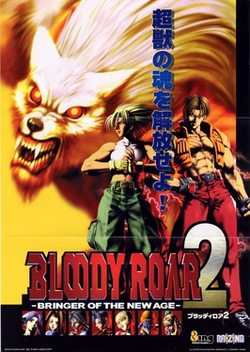
Bloody Roar 2, a title that roared onto the arcade scene in 1998 and subsequently made its way to home consoles, represents a significant evolution within the fighting game genre. Developed by Raizing and published by Hudson Soft (in Japan), Sony Computer Entertainment (NA), and Virgin Interactive (PAL), this sequel built upon the foundation laid by its predecessor while introducing new mechanics, characters, and visual enhancements that solidified its place in gaming history. This deep-dive review will dissect every facet of Bloody Roar 2, from its groundbreaking graphics to its compelling narrative, offering a comprehensive analysis for both seasoned veterans and newcomers eager to experience this classic title.
Visual Direction and Graphics Engineering
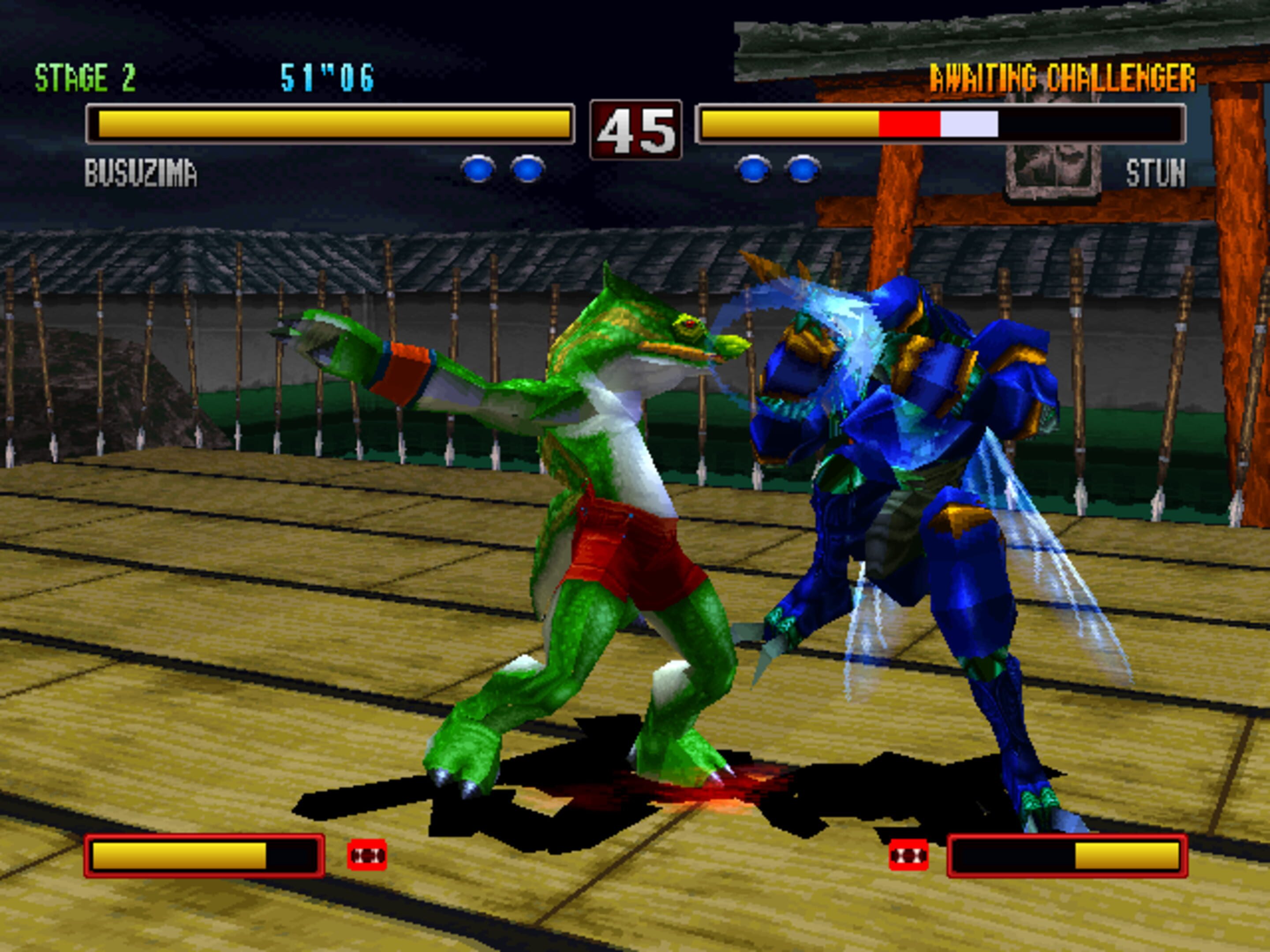
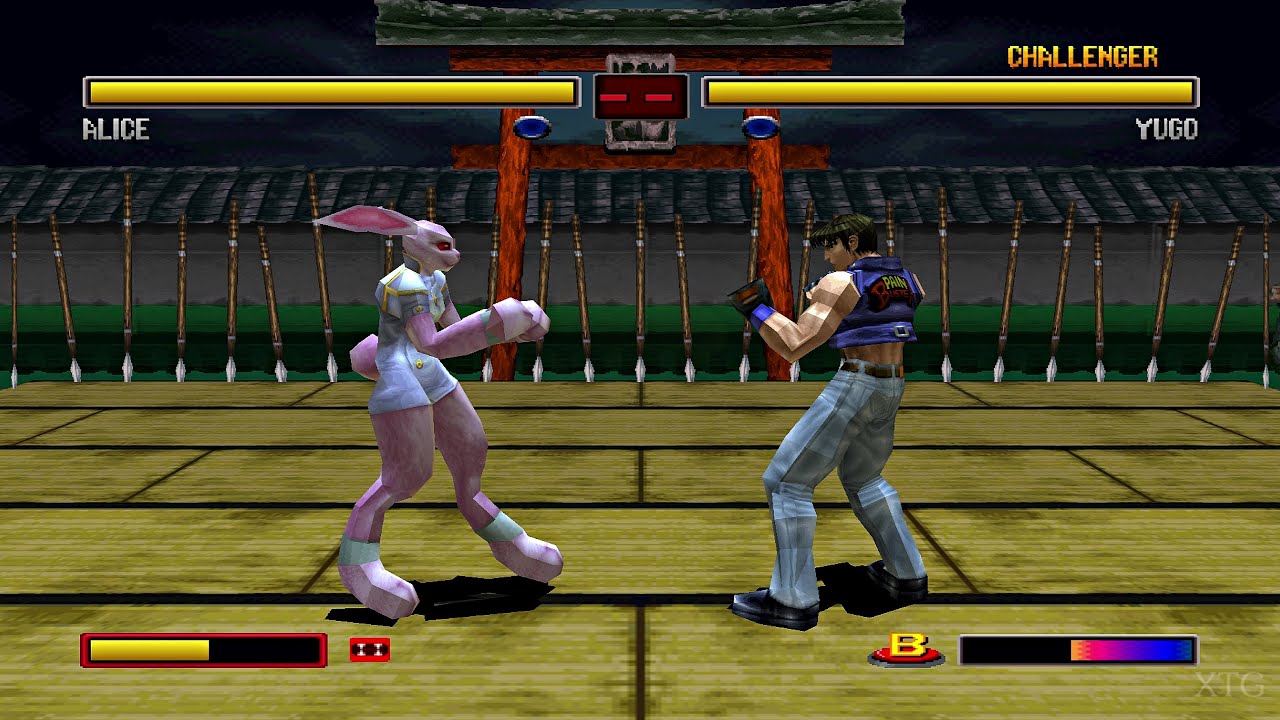
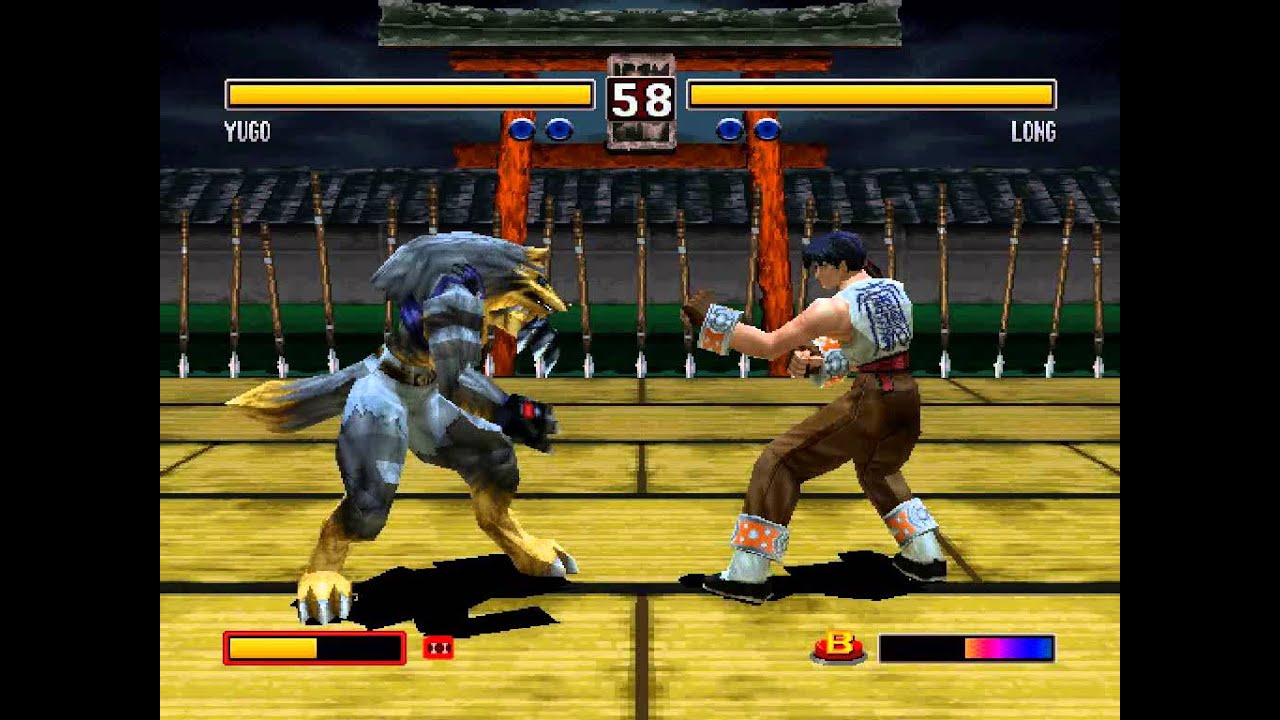
Bloody Roar 2 boasted impressive visuals for its time, pushing the boundaries of what was possible on arcade hardware and later, the PlayStation. The proprietary “Next-Gen Engine” delivered vibrant colors, detailed character sprites, and fluid animations that brought the zoanthropes to life. showcases a key visual element: the transformation sequences. These transformations were not mere cosmetic changes; they were integral to the gameplay, offering both offensive and defensive advantages. The game’s art style blended realism with stylized character designs, creating a unique aesthetic that distinguished it from other fighting games of the era. While pixelated by today’s standards, the visual impact remains undeniable, particularly in the character animations and special effects.
Gameplay Mechanics and Core Systems
The core gameplay of Bloody Roar 2 revolves around mastering the transformation mechanic. Each character possesses a unique beast form that unlocks powerful attacks and enhanced speed. This duality is central to both offensive and defensive strategies. The introduction of “Beast Drives,” super attacks triggered by cutscenes, added another layer of depth and spectacle to the combat. These Beast Drives were not merely flashy animations; they often inflicted significant damage and could dramatically shift the momentum of a match. Mastering the timing and execution of transformations and Beast Drives is crucial for success in Bloody Roar 2. The game also features a robust combo system, rewarding players who can string together attacks with precision and creativity.
Level Design and World Atmosphere
The level design in Bloody Roar 2 complements the gameplay perfectly. Each stage offers unique visual elements and interactive environments that enhance the overall experience. While not as expansive as some modern fighting games, the stages are well-designed and contribute to the game’s atmosphere. The backgrounds often feature dynamic elements, such as moving clouds or flickering lights, adding a sense of depth and immersion. The level design also plays a role in gameplay strategy, with certain areas offering tactical advantages for specific characters.
Narrative Depth and Character Profiles
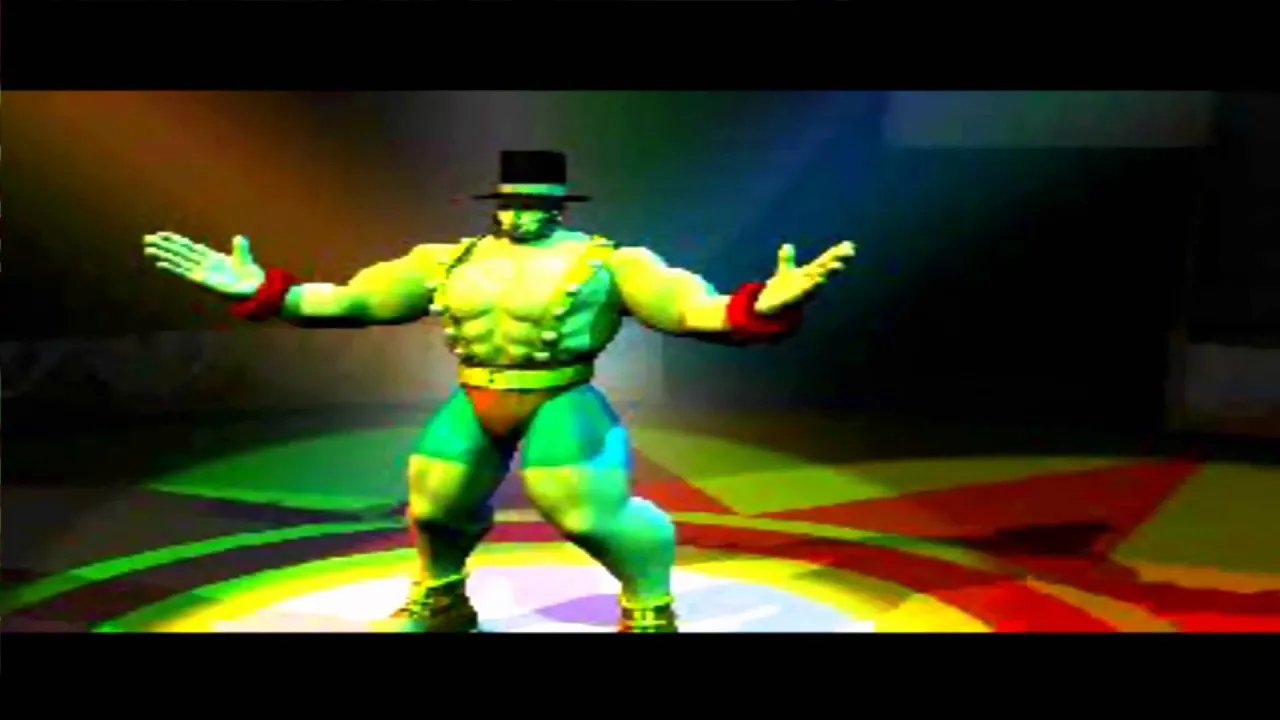
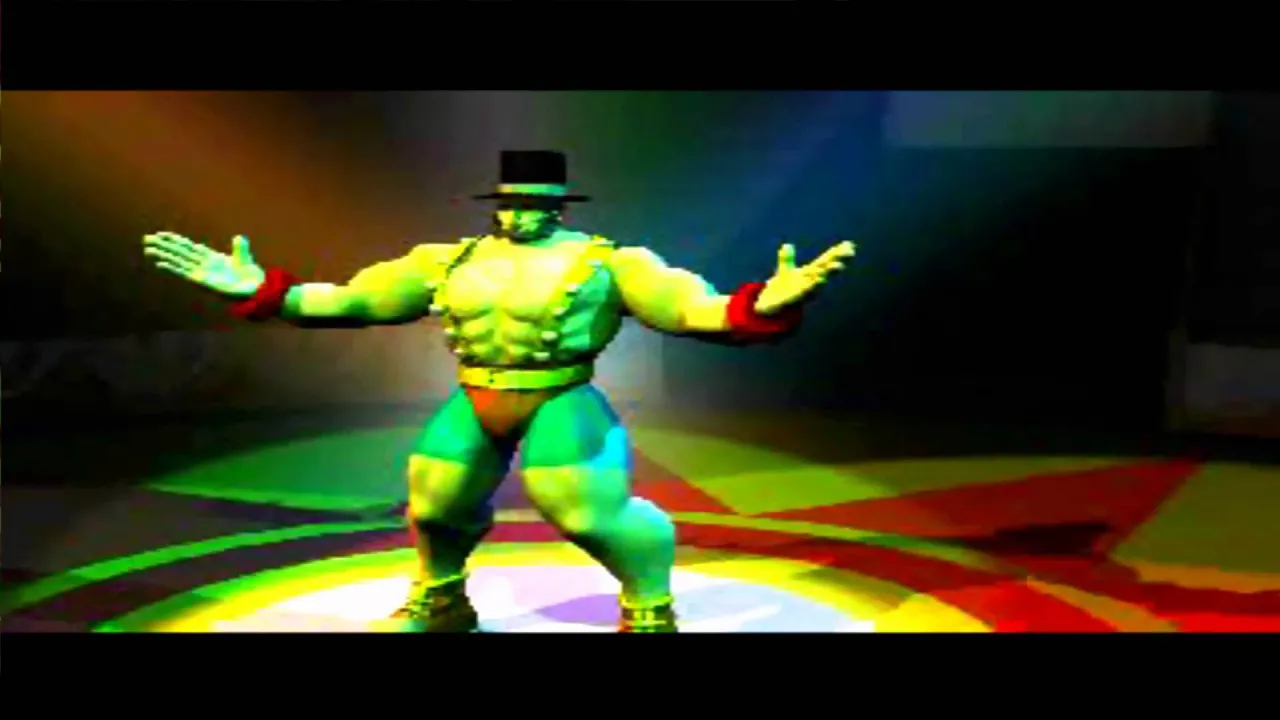
Bloody Roar 2 expands upon the narrative established in the first game, delving deeper into the backstories of its diverse cast of zoanthropes. Each character possesses a unique personality and motivations, making them more than just simple fighting archetypes. The story revolves around the aftermath of the conflict with Tyron Corporation, as the characters attempt to resume their normal lives while facing new threats. While not overly complex, the narrative provides context for the gameplay and adds emotional weight to the battles. highlights a key character: one of the playable zoanthropes, showcasing their unique design and personality.
Sound Design and Acoustic Realism
The sound design in Bloody Roar 2 is both impactful and memorable. The music perfectly complements the on-screen action, ranging from intense battle themes to more atmospheric tracks that set the mood for specific stages. The sound effects are equally well-executed, adding weight and impact to every punch, kick, and transformation. The voice acting, while limited, adds personality to the characters and enhances the overall presentation. The audio design contributes significantly to the game’s immersive quality.
Release Expectations and Community Hype
Upon its release, Bloody Roar 2 generated significant hype within the fighting game community. Its blend of innovative gameplay mechanics, stunning visuals, and memorable soundtrack quickly made it a fan favorite. The game was praised for its unique transformation system, which offered a fresh take on the traditional fighting game formula. The strong critical reception and positive word-of-mouth contributed to its enduring popularity.
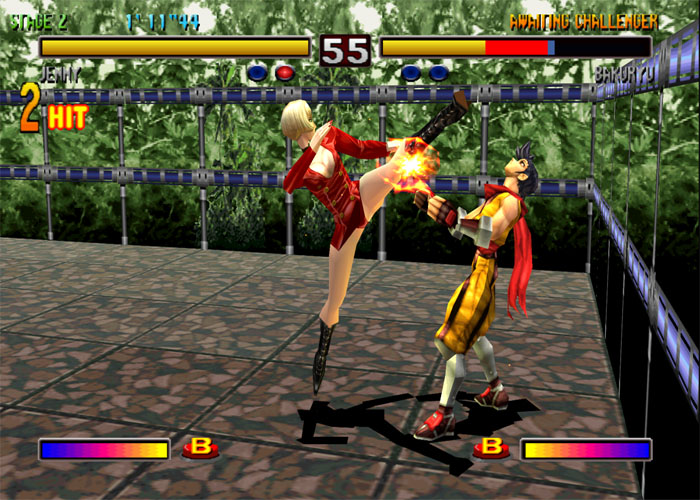
showcases gameplay footage, demonstrating the excitement and energy that defined the Bloody Roar 2 experience.
Conclusion: The Future of Bloody Roar 2
Bloody Roar 2 remains a landmark title in the fighting game genre. Its innovative gameplay mechanics, stunning visuals, and memorable soundtrack continue to resonate with players today. While newer titles have emerged, Bloody Roar 2’s unique blend of action and transformation continues to set it apart. The re-releases on PlayStation 3, Vita, and PSP ensured that this classic title could be experienced by a new generation of gamers, solidifying its place in gaming history.
Source: Wikipedia
Gallery



Join the conversation