Introduction: The Next Chapter for Battlefield 3
Battlefield 3, released in 2011 by DICE and published by Electronic Arts, represented a significant leap forward for the franchise. Building upon the foundation laid by its predecessor, Battlefield 2, it aimed to deliver a more immersive and visually stunning experience. Developed using an enhanced version of the Frostbite engine, the game promised cutting-edge graphics, refined gameplay mechanics, and a gripping narrative set against a backdrop of modern warfare. The anticipation surrounding Battlefield 3 was palpable, fueled by promises of unparalleled realism and intense multiplayer battles.
Visual Direction and Graphics Engineering
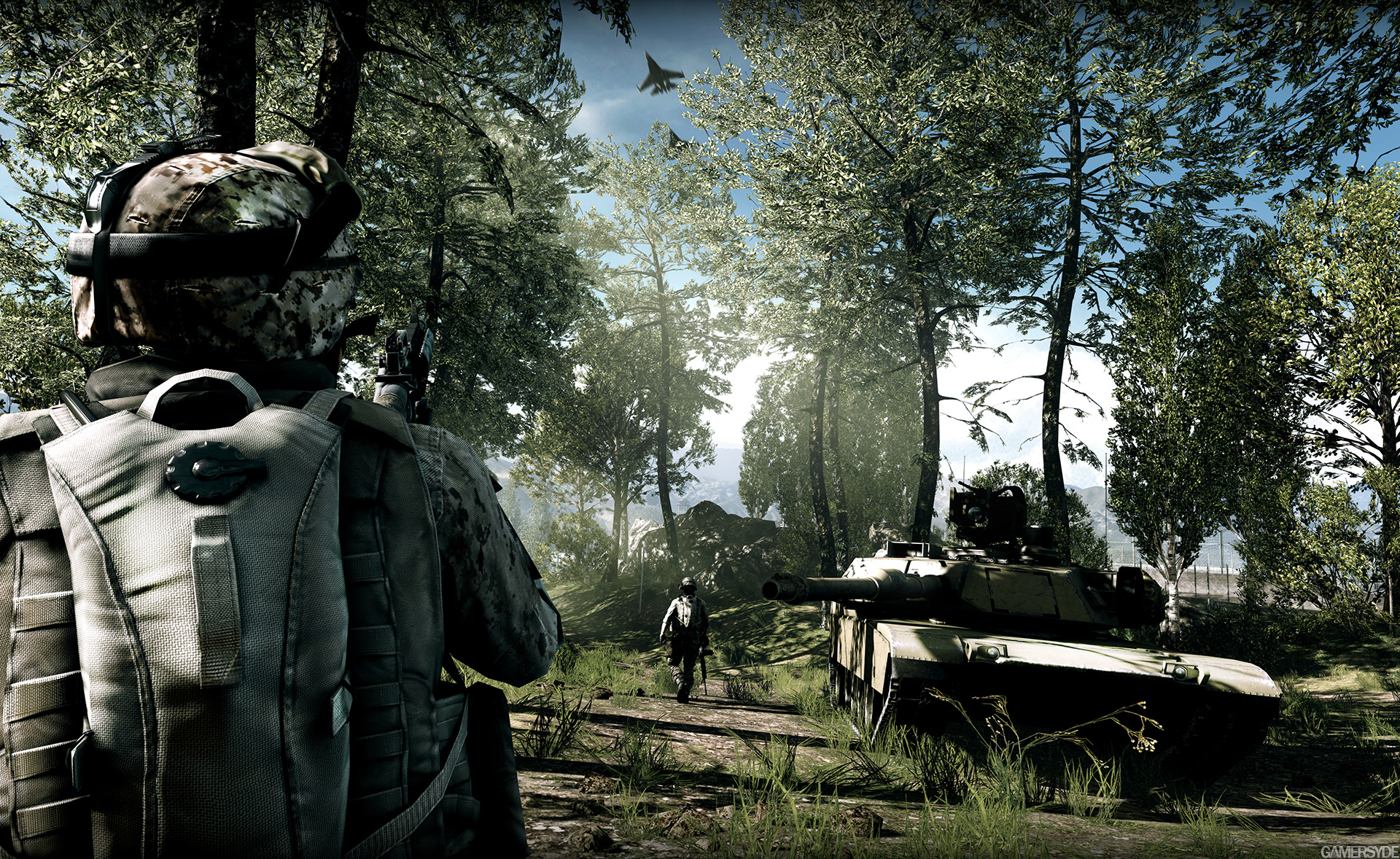
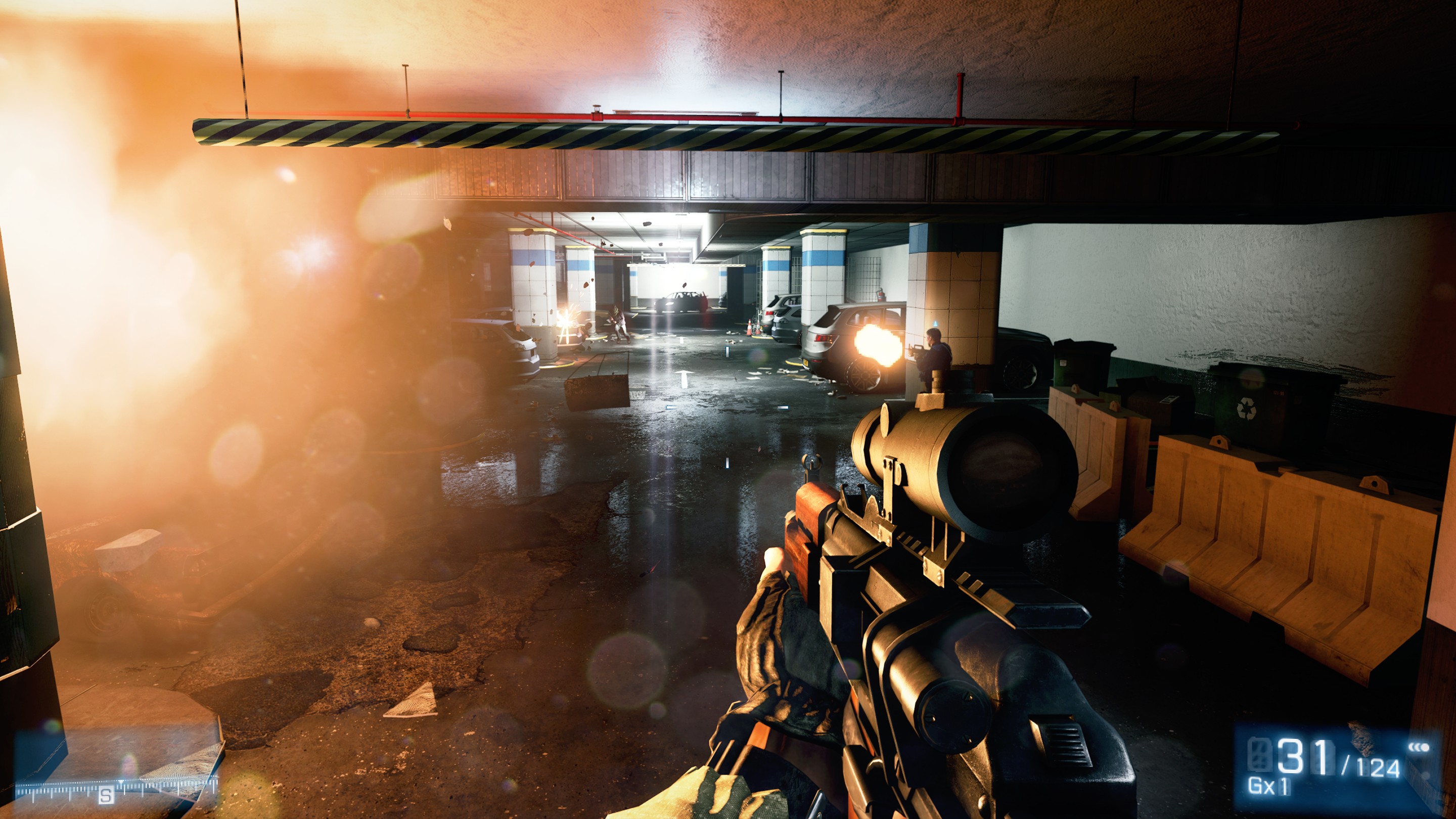
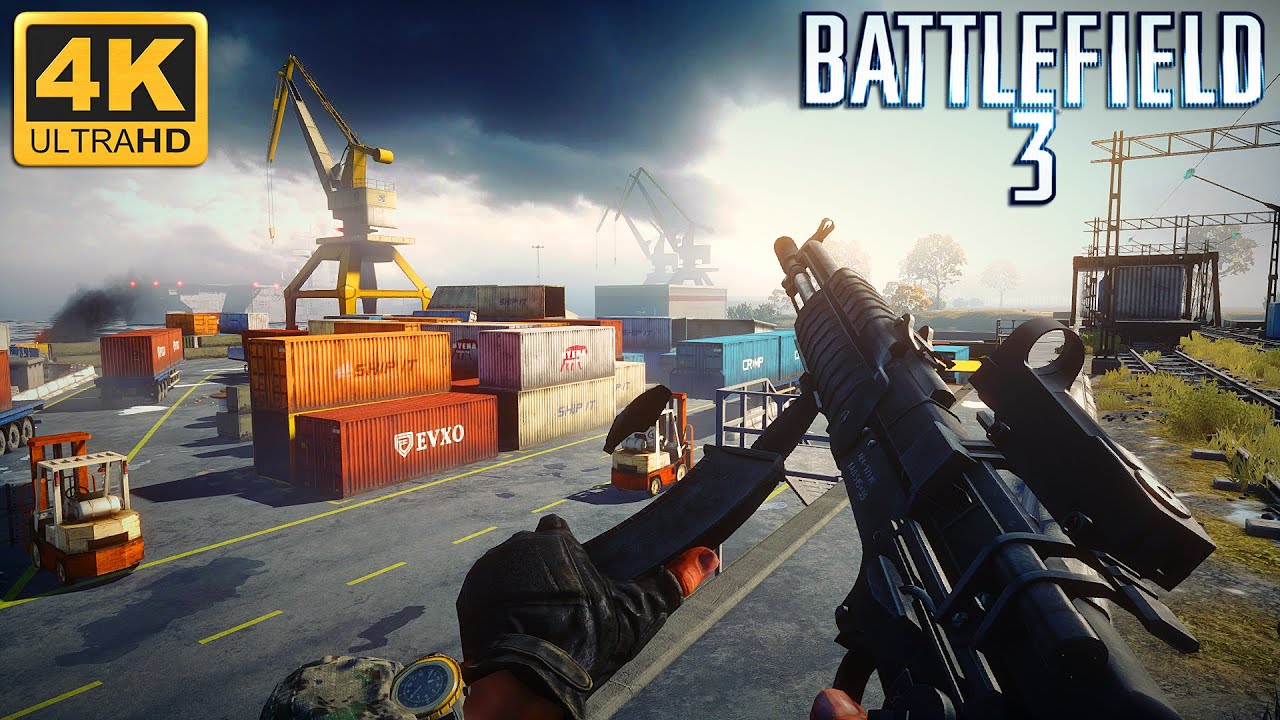
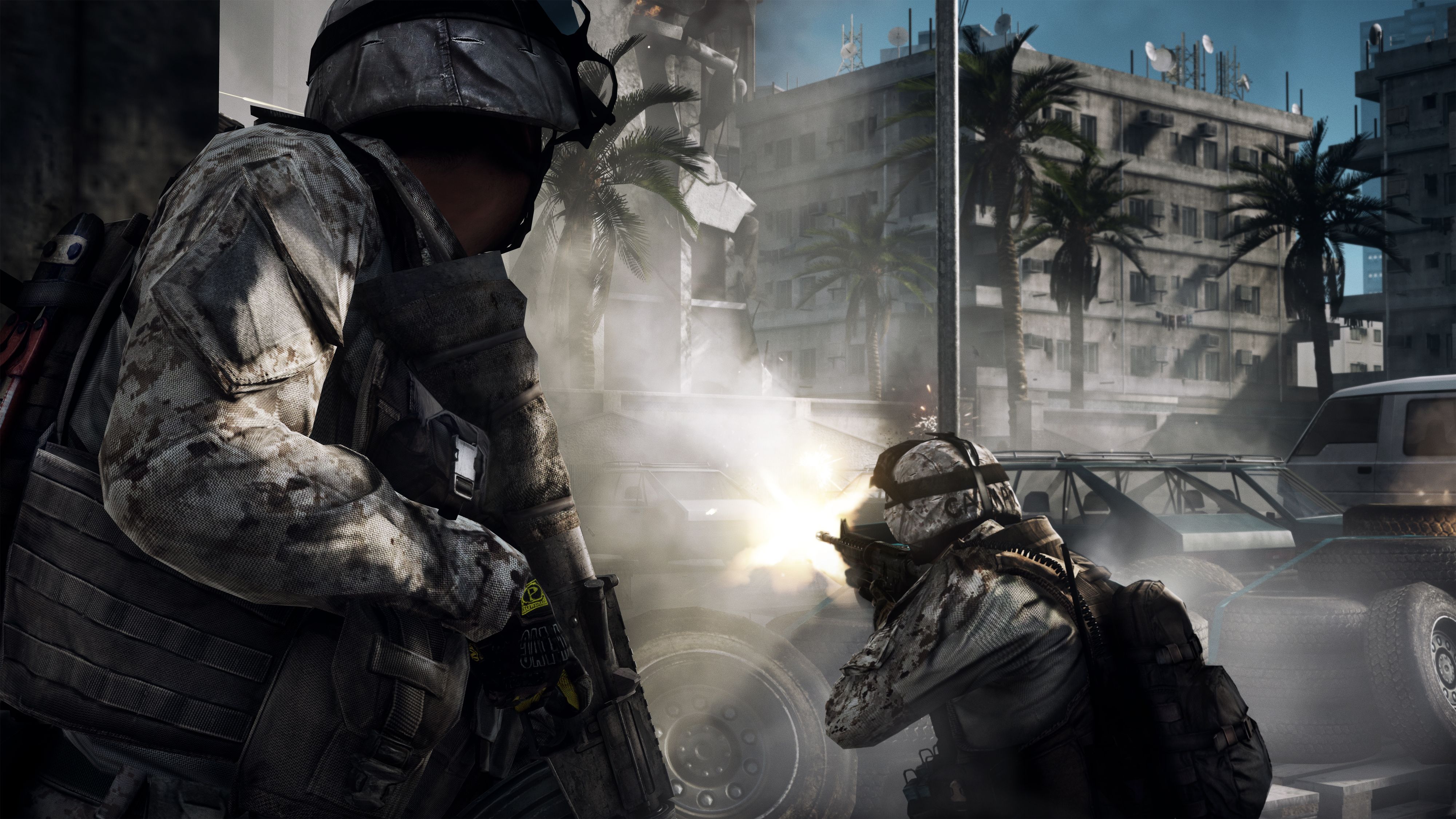
The visual direction in Battlefield 3 was ambitious, aiming for photorealistic depictions of environments and characters. The Frostbite engine allowed for dynamic lighting, advanced particle effects, and detailed textures that brought the battlefields to life. showcased a screenshot highlighting the game’s impressive graphical fidelity. The developers focused on creating believable destruction physics, allowing players to realistically shape the battlefield as they progressed. This focus on visual realism was a key selling point for Battlefield 3 and contributed significantly to its critical acclaim.
Gameplay Mechanics and Core Systems
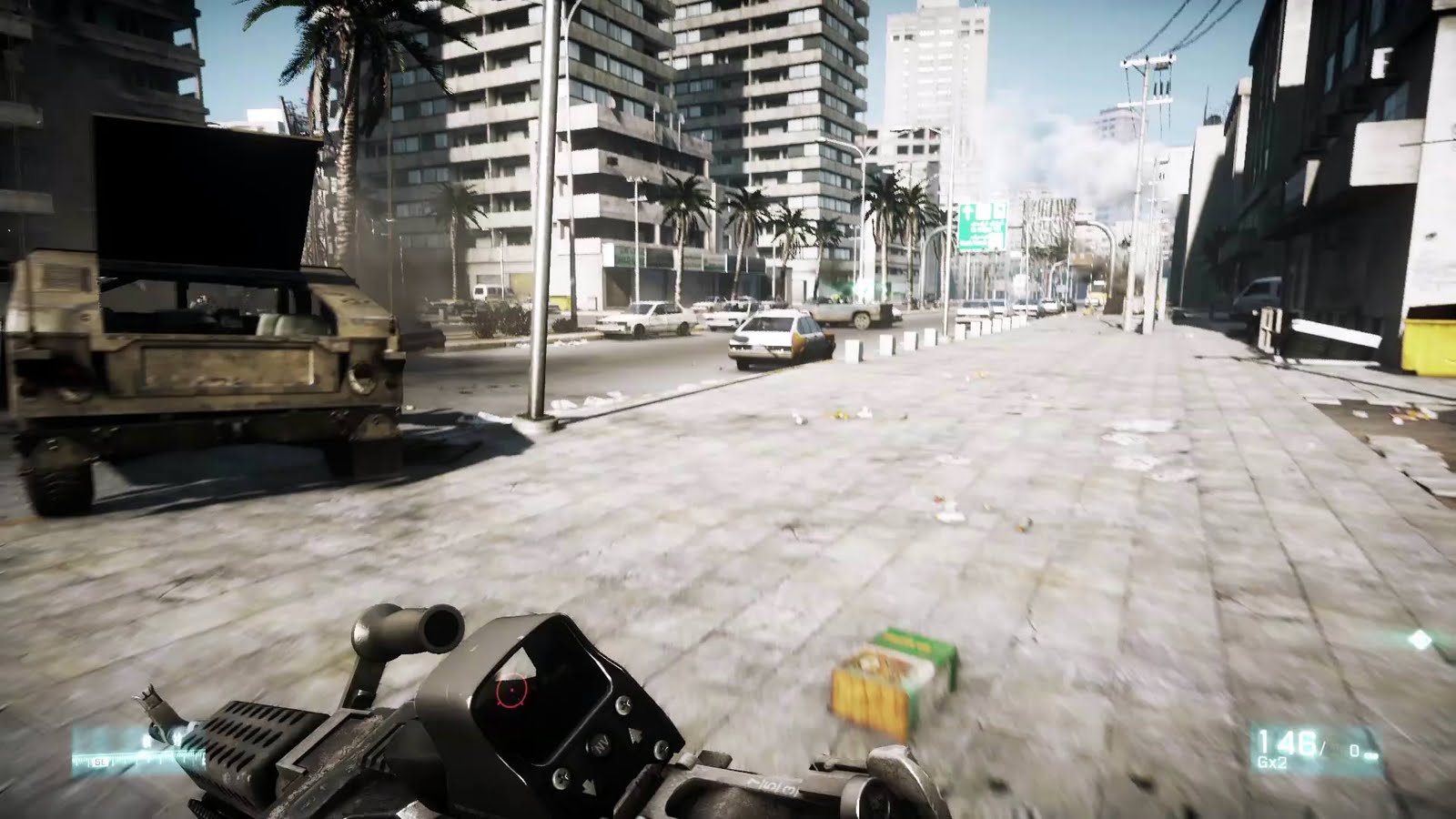
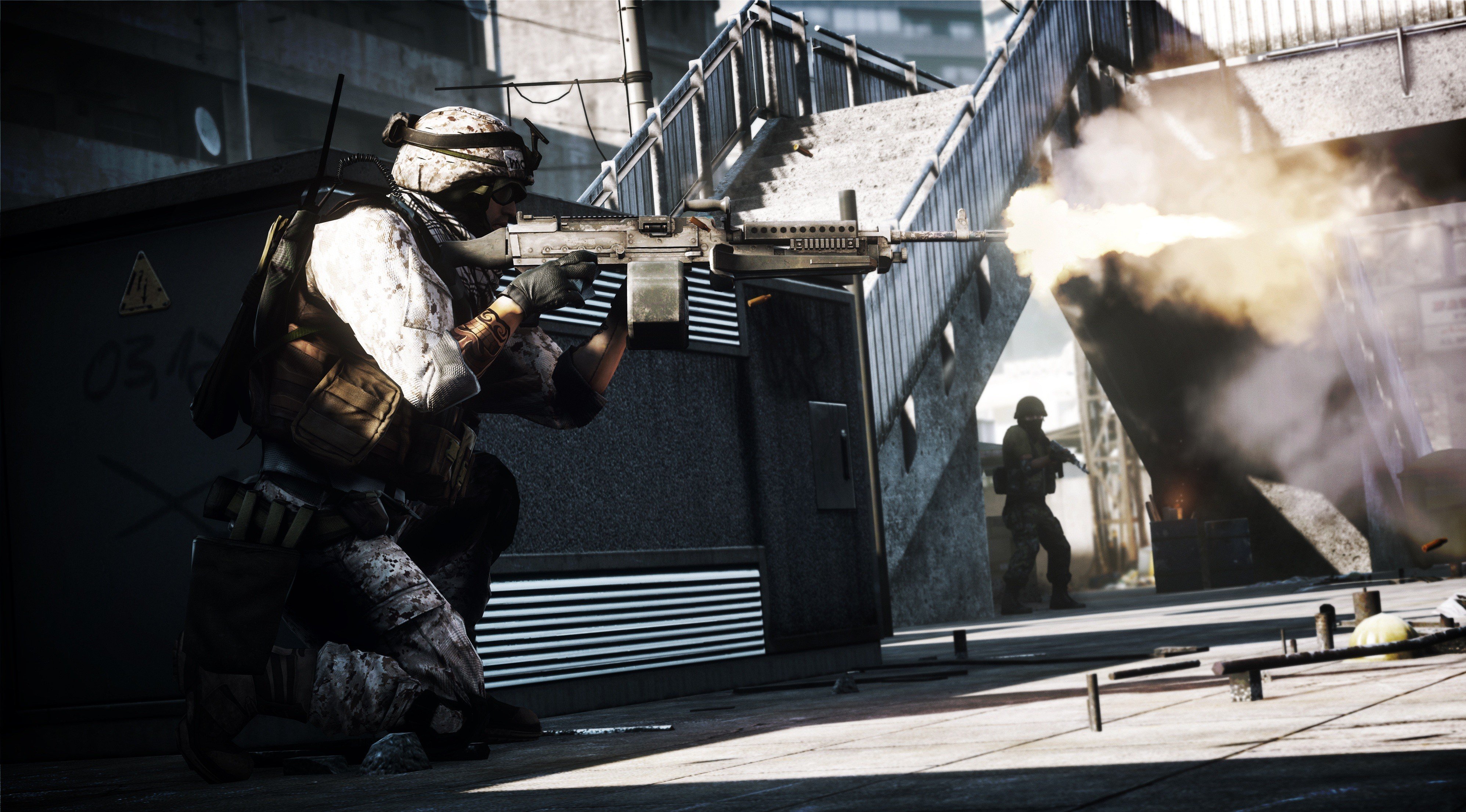
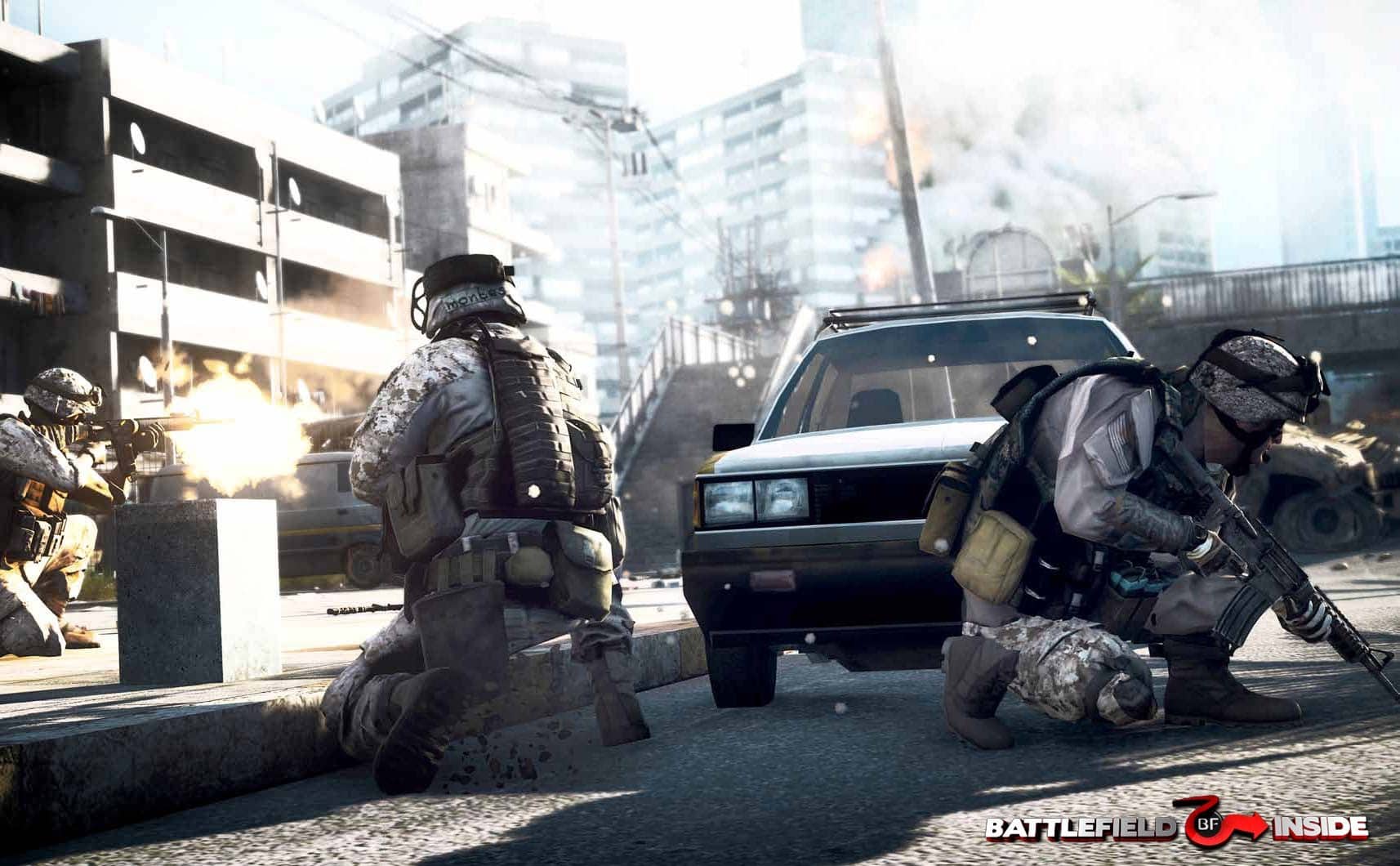
Battlefield 3 refined the core gameplay mechanics that defined the series. The combined arms approach remained central, encouraging teamwork and strategic coordination between players controlling different vehicle types and soldier classes. New gadgets and weapons were introduced, offering players a wider range of tactical options. The “Levolution” system, although not fully realized in the initial release, hinted at dynamic map changes during gameplay, adding an element of unpredictability to matches.
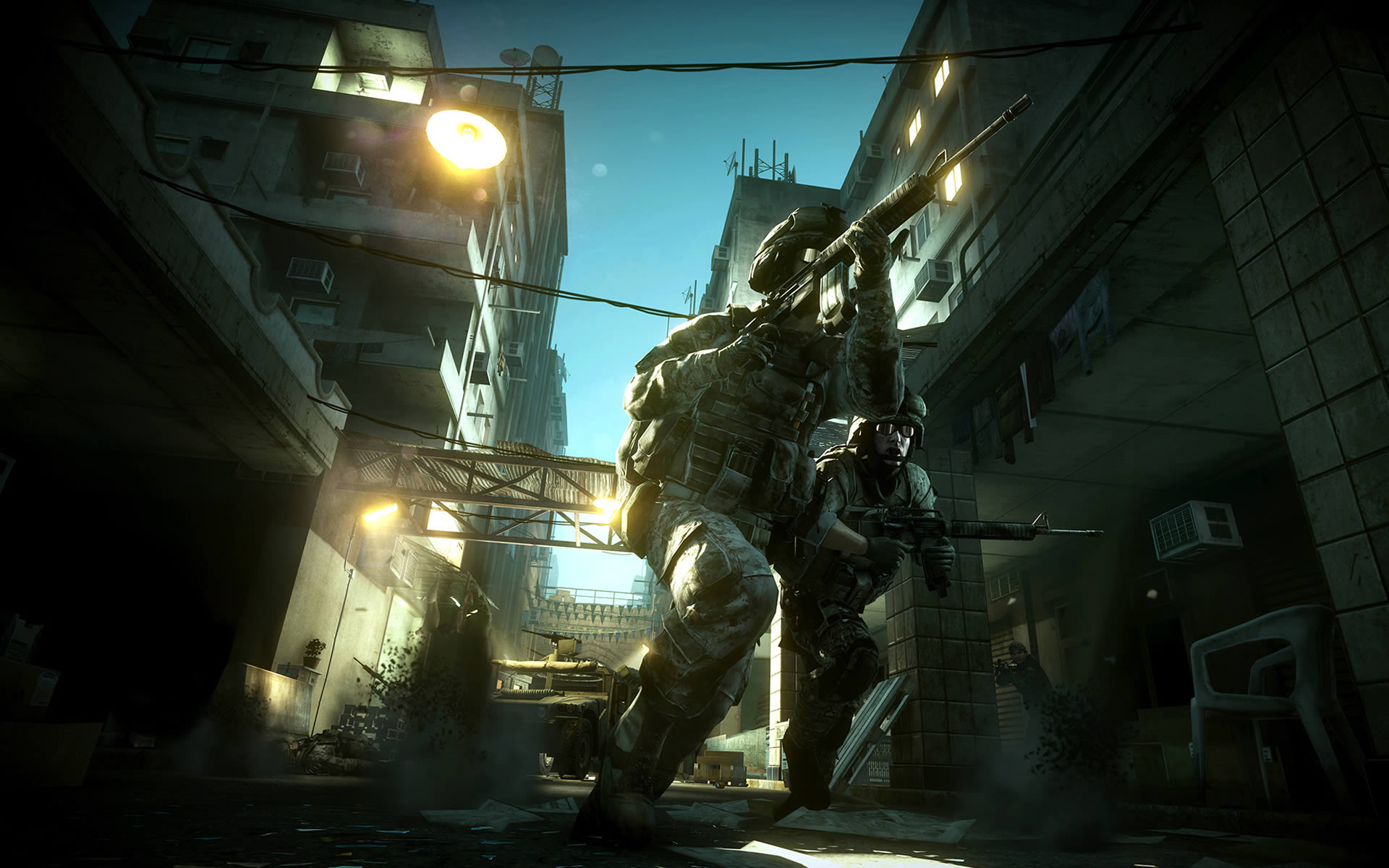
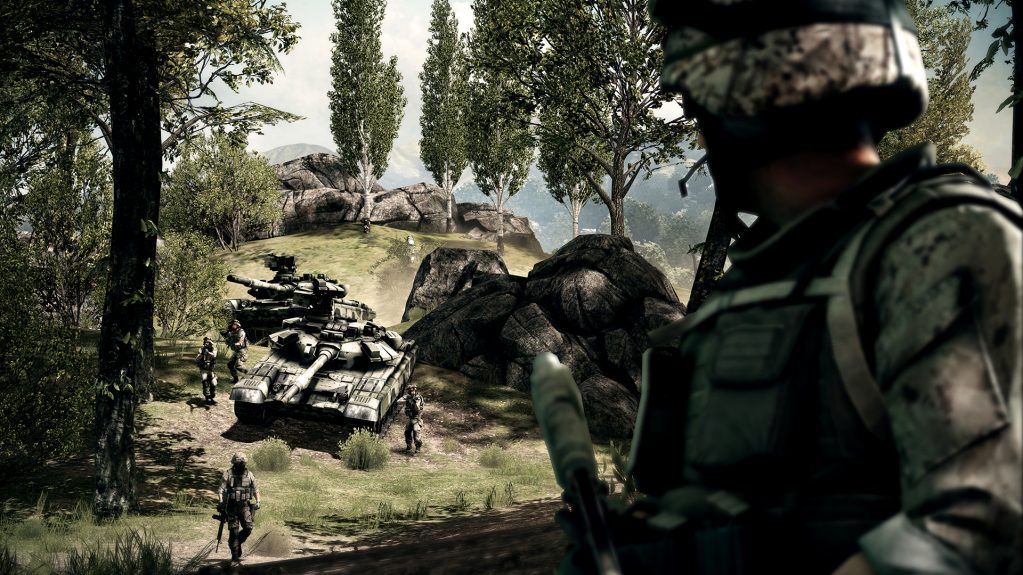
demonstrates some of the core gameplay mechanics.
Level Design and World Atmosphere
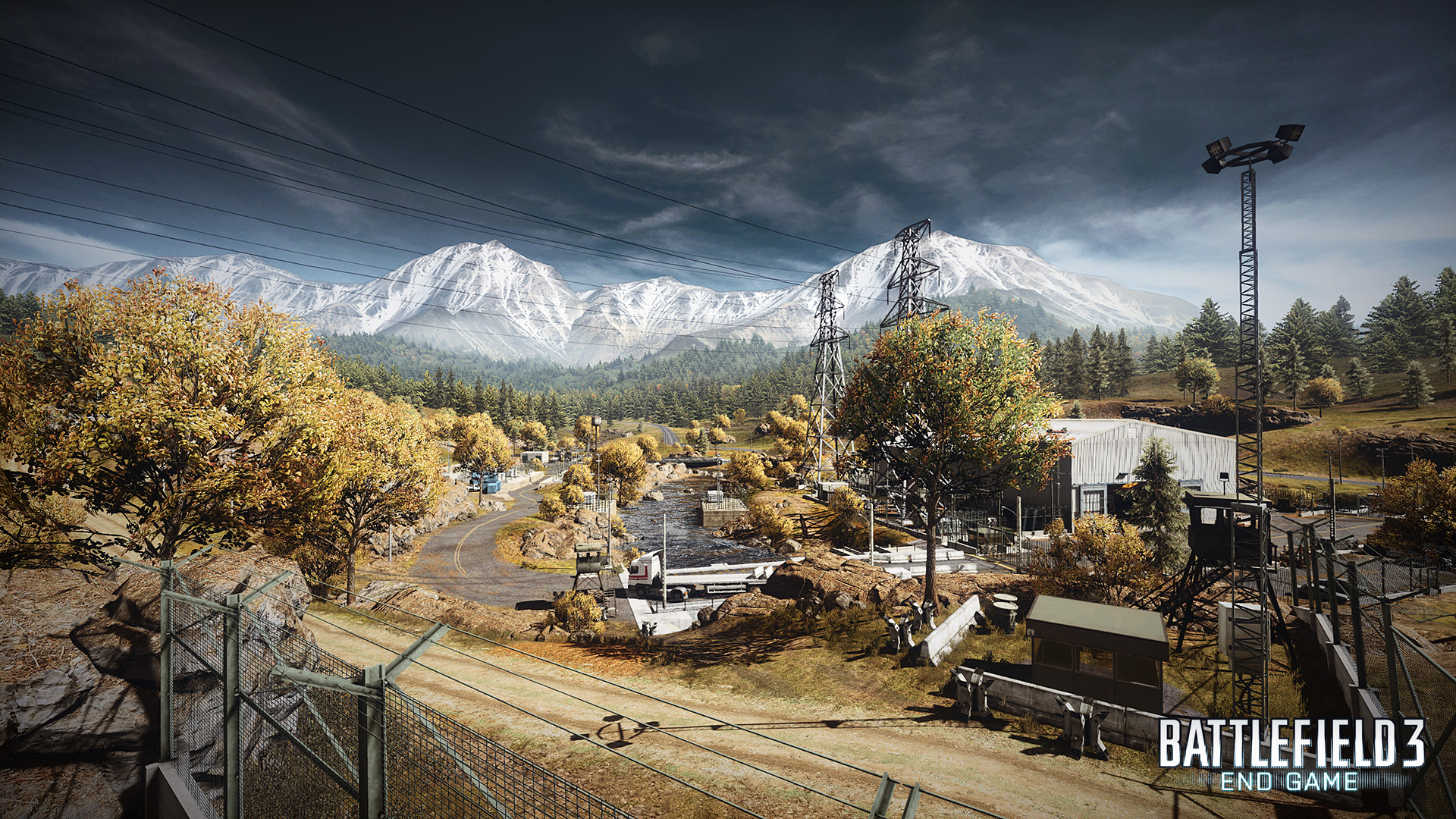
The level design in Battlefield 3 was carefully crafted to create a sense of immersion and tension. From the war-torn streets of Tehran to the snow-covered mountains of Paris, each map offered unique challenges and opportunities for players. The attention to detail in the environments, combined with realistic sound effects, helped to transport players into the heart of the conflict. The game’s campaign took players on a journey through various locations, showcasing the global scale of modern warfare.
Narrative Depth and Character Profiles
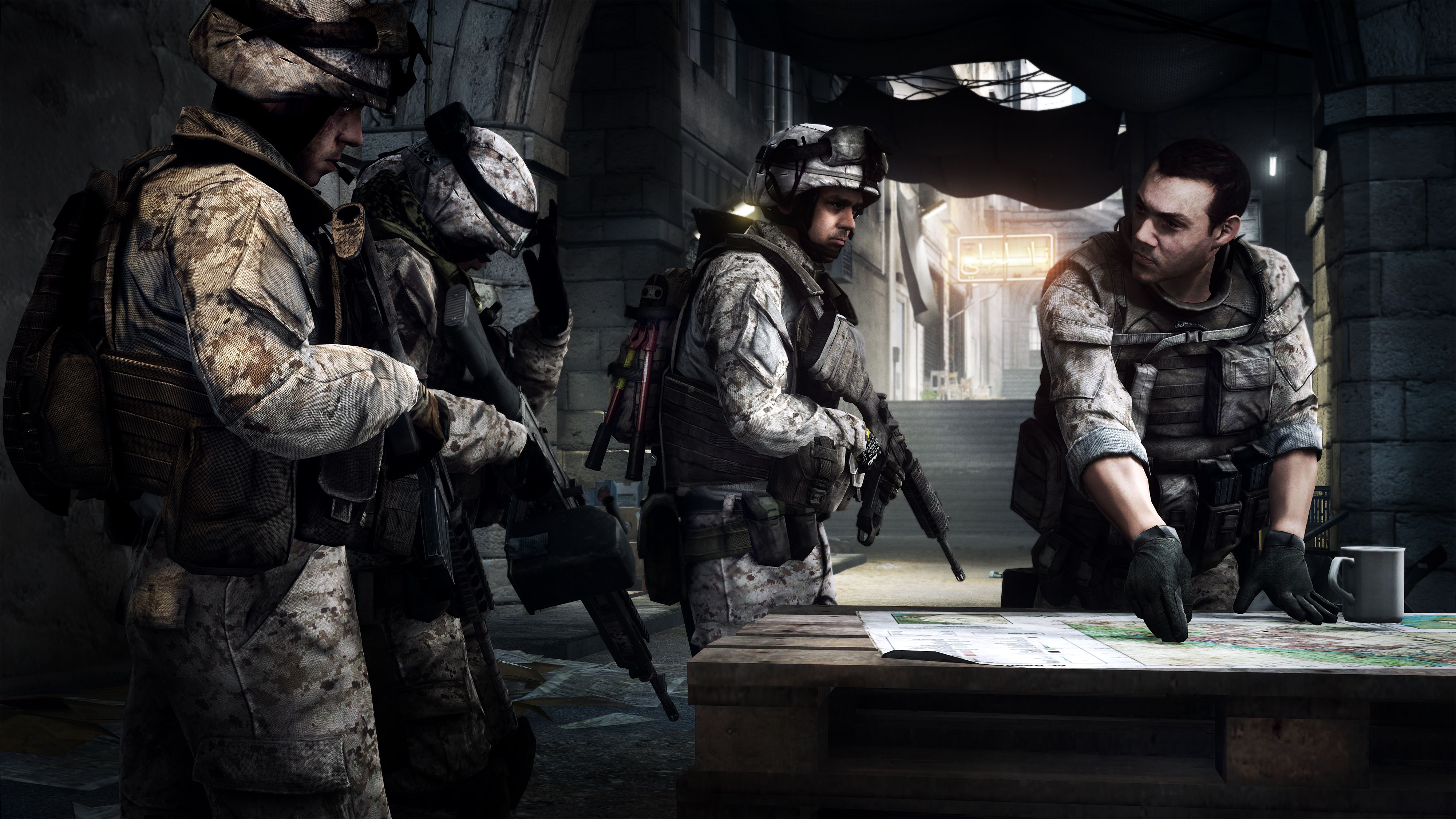
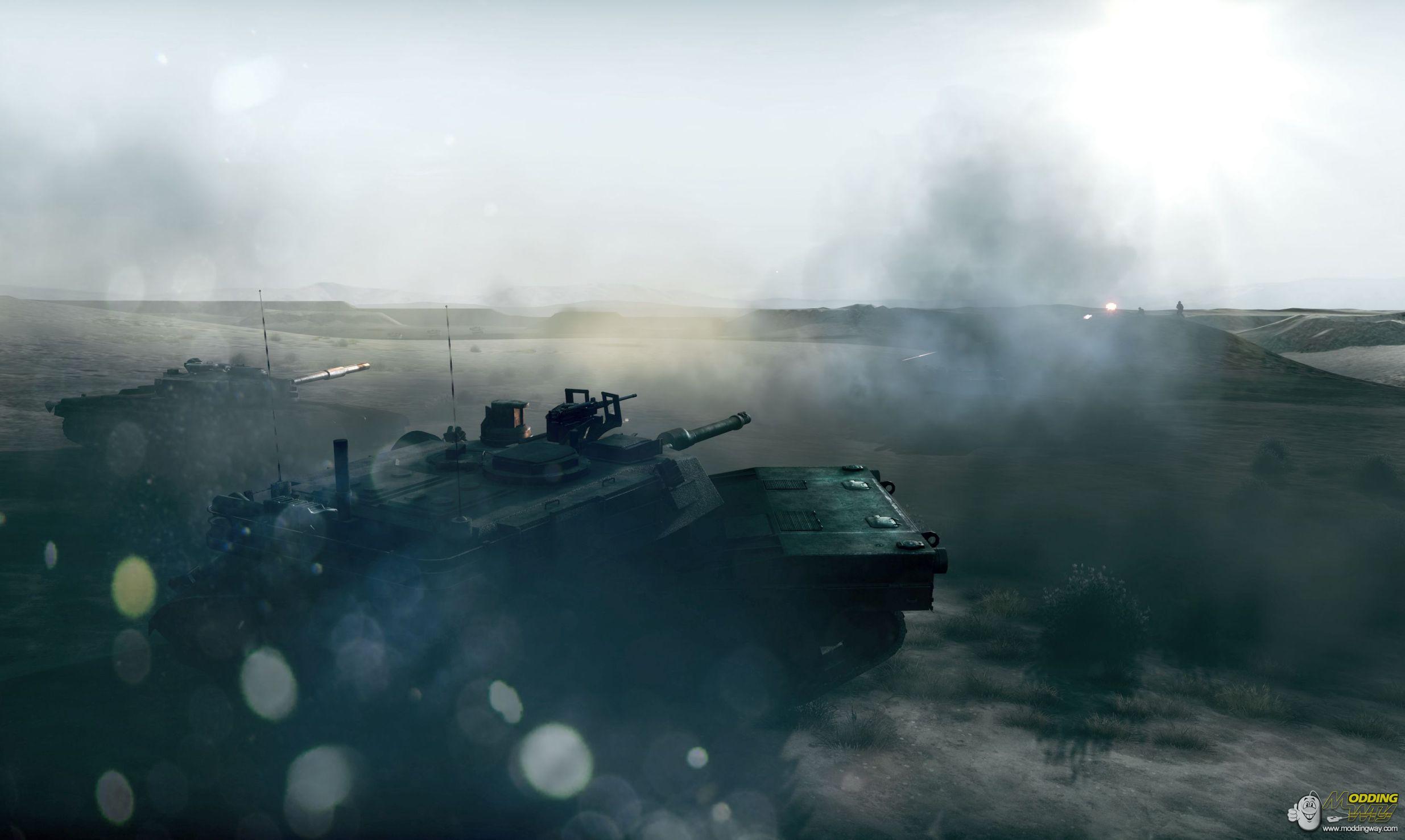
While Battlefield 3 was primarily known for its multiplayer experience, the single-player campaign offered a compelling narrative that explored themes of loyalty, betrayal, and sacrifice. Players followed the stories of two main characters: Henry Blackburn, a U.S. Marine, and Dimitri Mayakovsky, a Spetsnaz GRU operative. Their paths intertwined as they navigated complex political situations and faced off against formidable adversaries. The game’s narrative was praised for its emotional depth and its ability to humanize the soldiers caught in the crossfire. depicts one of the main characters.
Sound Design and Acoustic Realism
The sound design in Battlefield 3 played a crucial role in creating an immersive experience. The developers meticulously recorded authentic weapon sounds, vehicle noises, and environmental effects to create a sense of realism. The game’s audio engine allowed for dynamic sound propagation, meaning that sounds would realistically travel through the environment, providing players with valuable information about enemy positions. This attention to detail in the sound design contributed significantly to the game’s overall atmosphere.
Release Expectations and Community Hype
The release of Battlefield 3 was highly anticipated by gamers worldwide. The developers actively engaged with the community, releasing trailers, gameplay demos, and behind-the-scenes content to build excitement for the game. The open beta, available to players who pre-ordered Medal of Honor Limited Edition, provided a taste of what was to come. The hype surrounding Battlefield 3 was fueled by promises of cutting-edge graphics, refined gameplay mechanics, and a gripping narrative.
Conclusion: The Future of Battlefield 3
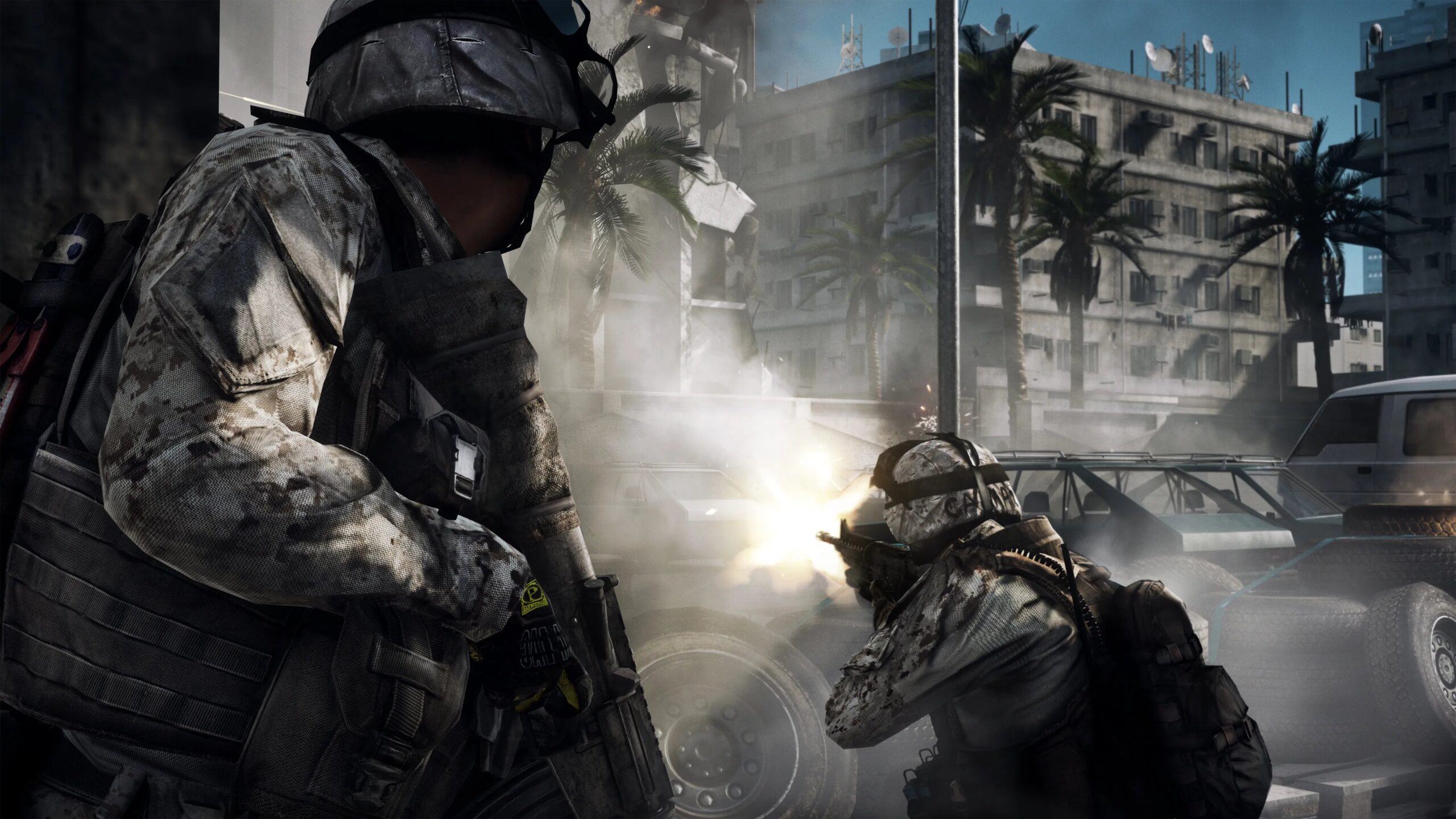
Battlefield 3 represented a significant step forward for the franchise, pushing the boundaries of graphical fidelity and gameplay innovation. While the single-player campaign received mixed reviews, the multiplayer experience was widely praised for its intensity, teamwork, and strategic depth. The game’s success paved the way for future installments in the series, including Battlefield 4 and Battlefield V. shows a comparison of early concept art with the final product. Battlefield 3 remains a landmark title in the first-person shooter genre, remembered for its ambitious scope and its lasting impact on the gaming landscape.

Source: Wikipedia


.jpg)