
Introduction: The Next Chapter for Battlefield 3
Battlefield 3, released in 2011 by DICE and published by Electronic Arts, represented a significant leap forward for the franchise. Following the success of Battlefield 1943 and building upon the foundation laid by Battlefield 2, this installment aimed to deliver a modern warfare experience with cutting-edge graphics and immersive gameplay. The anticipation surrounding Battlefield 3 was palpable, fueled by promises of realistic combat, expansive multiplayer modes, and a compelling single-player campaign. This Masterclass Deep-Dive will dissect every facet of the game, from its technical innovations to its narrative strengths and weaknesses, providing a comprehensive analysis for the discerning gamer.
Visual Direction and Graphics Engineering
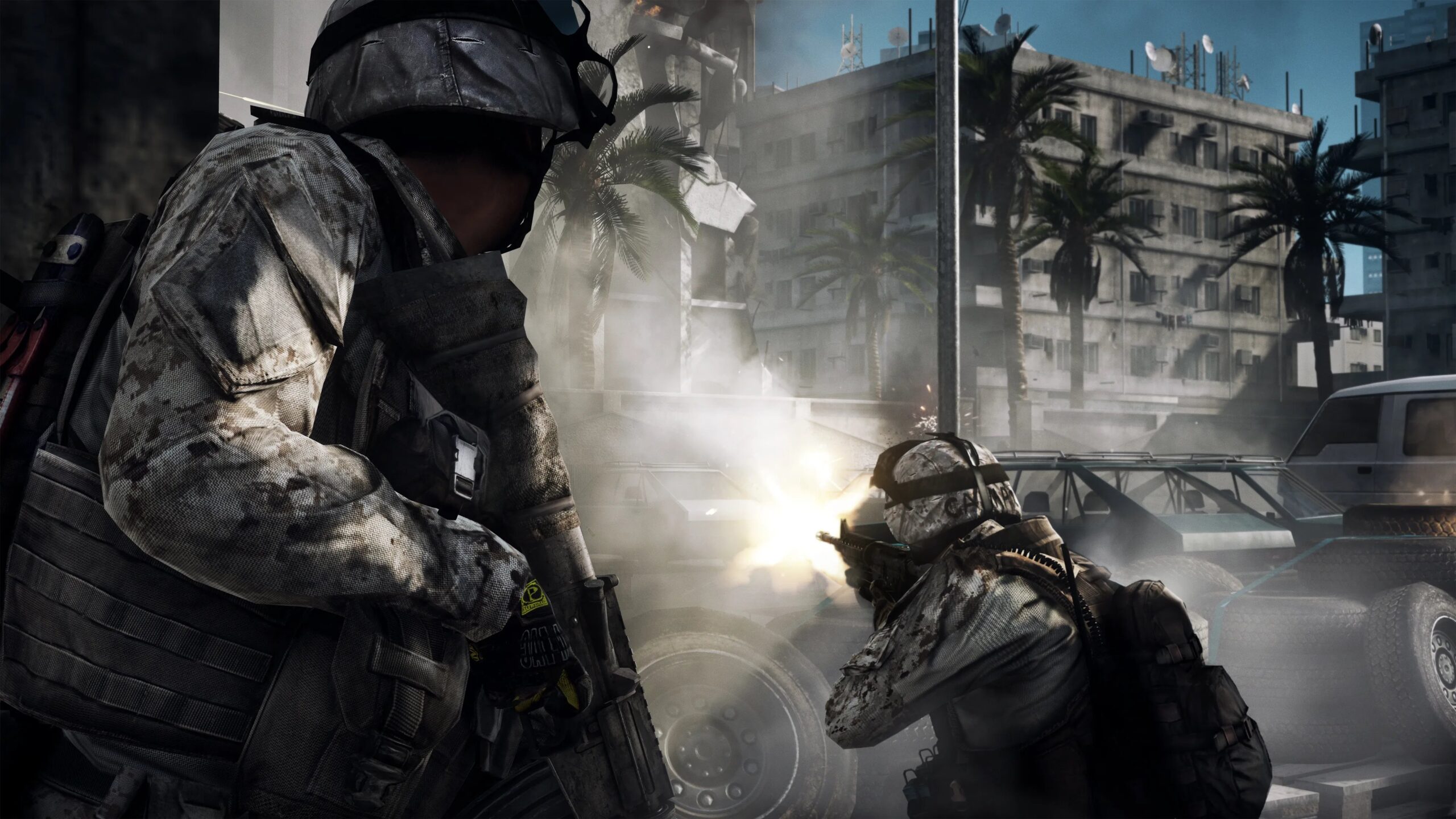
At the heart of Battlefield 3’s appeal was its stunning visual fidelity. Powered by an enhanced version of the Frostbite engine, the game pushed the boundaries of what was possible on consoles and PCs in 2011. The Frostbite engine allowed for dynamic lighting, advanced particle effects, and incredibly detailed character models. This resulted in a level of realism that had not been seen before in the Battlefield series. Environments were meticulously crafted, from war-torn cities to sprawling military bases, each location brimming with intricate details. The game’s visual direction prioritized authenticity, aiming to create a believable representation of modern warfare.
Gameplay Mechanics and Core Systems
Battlefield 3 refined the core gameplay mechanics that had become synonymous with the franchise. Combined arms combat remained central, allowing players to utilize a variety of vehicles, weapons, and gadgets to achieve victory. The introduction of new features like the “Drive” mode for single-player missions added depth and variety to the experience. Multiplayer modes such as Conquest, Team Deathmatch, and Rush offered diverse ways to engage with other players online. The game’s responsive controls and intuitive interface made it accessible to both newcomers and veteran Battlefield players.
Level Design and World Atmosphere
The level design in Battlefield 3 was a crucial element in creating an immersive experience. Maps were carefully crafted to offer a balance of open spaces for vehicular combat and tight corridors for infantry engagements. The game’s environments, ranging from war-torn cities like Tehran and Paris to military bases in the United States, were brought to life with stunning detail and atmospheric effects. The level design encouraged strategic gameplay, rewarding players who could effectively utilize cover, flanking maneuvers, and combined arms tactics.
Narrative Depth and Character Profiles
While Battlefield 3’s multiplayer was a major draw, the single-player campaign attempted to deliver a more focused narrative experience. The story follows two main characters: Sergeant John “Recon” Grigg, an elite U.S. Marine, and Dimitri Mayakovsky, a Spetsnaz GRU operative. While the plot itself has been criticized by some for being somewhat predictable, the game does attempt to explore themes of loyalty, sacrifice, and the human cost of war. The characters are generally well-developed, although their motivations can sometimes feel contrived.
Sound Design and Acoustic Realism
The sound design in Battlefield 3 was another area where the game excelled. From the roar of tanks to the crackle of gunfire, every sound effect was meticulously crafted to create a sense of realism and immersion. The game’s audio engine dynamically adjusted sounds based on the player’s location and surroundings, further enhancing the feeling of being present in the battlefield. The soundtrack, composed by Johan Skugge and Jukka Rintamäki, perfectly complemented the action, adding tension and drama to key moments.
Release Expectations and Community Hype
The announcement of Battlefield 3 generated immense hype within the gaming community. Players eagerly awaited the release, drawn in by promises of stunning graphics, innovative gameplay features, and a return to the modern warfare setting. The open beta, released shortly before the full game launch, allowed players to experience a taste of what was to come and further fueled the anticipation. The game’s success at launch confirmed that it had lived up to the expectations of many fans.
Conclusion: The Future of Battlefield 3
Battlefield 3 remains a landmark title in the franchise, representing a significant step forward in terms of graphics, gameplay, and overall presentation. While its single-player campaign may not be universally acclaimed, the game’s multiplayer modes continue to draw players, offering a compelling and immersive experience. The legacy of Battlefield 3 lives on, influencing subsequent installments and solidifying its place as a classic in the first-person shooter genre.

Source: Wikipedia


