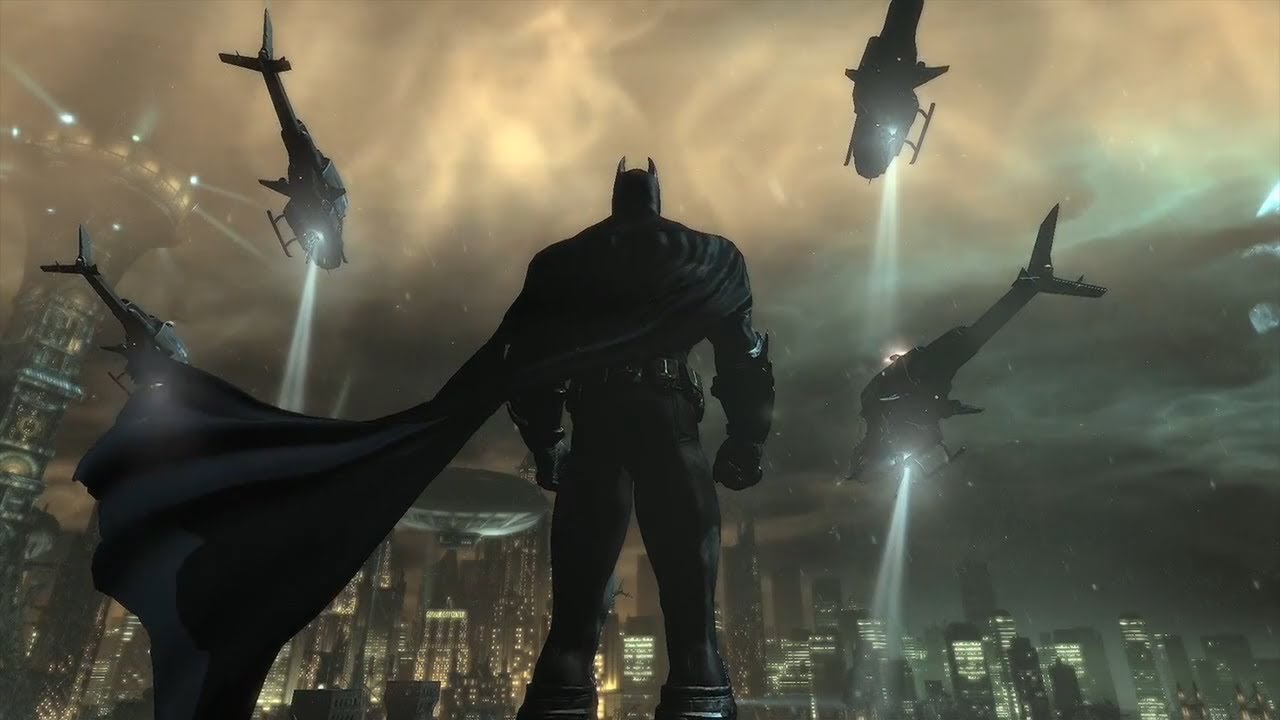
Introduction: The Next Chapter for Batman: Arkham City
Batman: Arkham City, released in 2011 by Rocksteady Studios, wasn’t just a sequel; it was an evolution. Building upon the foundation laid by its predecessor, Arkham Asylum, this installment transported players to a sprawling, meticulously crafted prison city within Gotham. The game successfully expanded the scope and complexity of the original while retaining the core elements that made it so beloved. This deep dive will explore every facet of Arkham City, from its groundbreaking graphics to its compelling narrative, offering a comprehensive analysis for both seasoned fans and newcomers alike.
Visual Direction and Graphics Engineering
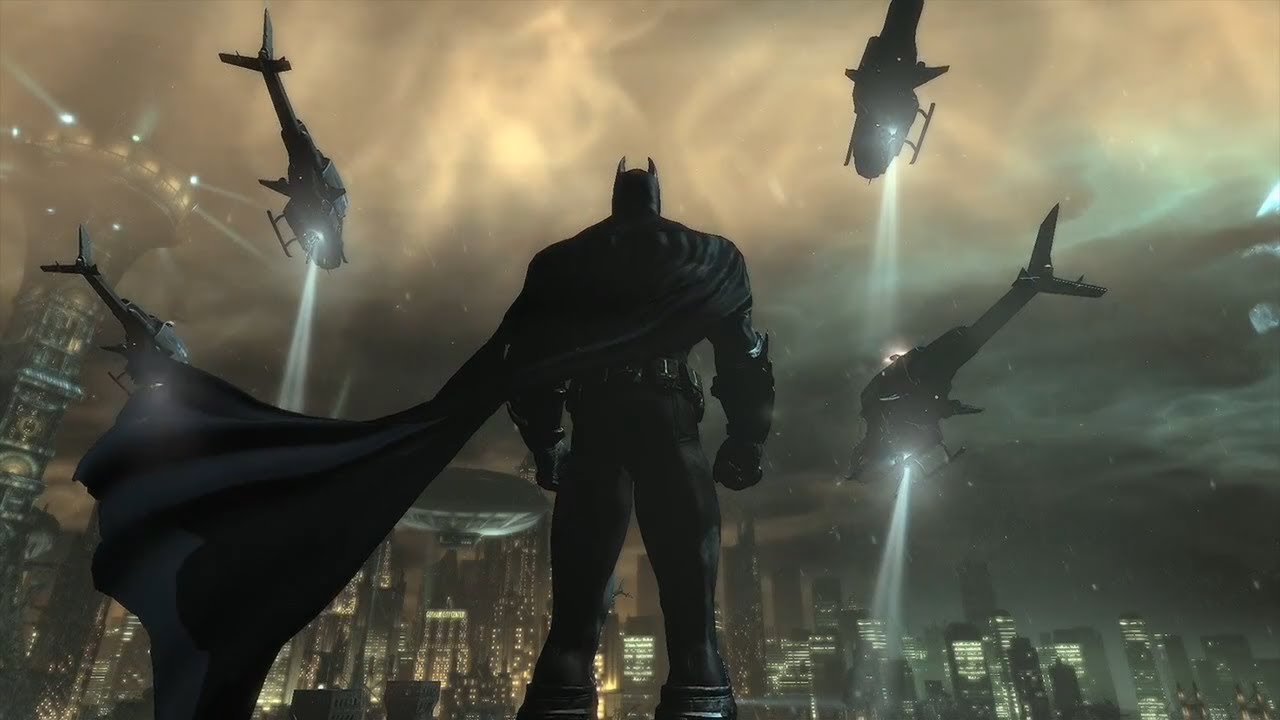
Arkham City showcased the power of Unreal Engine 3. Rocksteady’s masterful use of lighting, shadows, and textures brought Gotham to life in unprecedented detail. The visual direction was crucial in establishing the game’s atmosphere – a blend of gritty realism and gothic horror. The developers leveraged dynamic lighting to create a sense of constant threat and suspense, while the intricate character models captured the physicality and intensity of Batman and his rogues gallery. The environmental design, from the decaying buildings to the meticulously placed debris, further enhanced the immersive experience.
Gameplay Mechanics and Core Systems
The core gameplay loop in Arkham City revolved around free-flowing combat, stealth, detective work, and gadget utilization. The “Freeflow” combat system, refined from the first game, allowed players to seamlessly chain together attacks, counters, and takedowns. Stealth remained a viable option, allowing Batman to silently neutralize enemies or bypass entire sections of the prison city. Detective mode returned, providing crucial clues and insights into crime scenes. The addition of new gadgets, such as the grappling hook and remote hacking devices, expanded tactical options and added layers of complexity to both combat and exploration.
Level Design and World Atmosphere
Arkham City’s level design was a masterpiece of open-world game architecture. The prison city itself was divided into distinct districts, each with its own unique visual style and challenges. From the lush botanical gardens to the industrial wasteland, every area felt meticulously crafted and interconnected. The verticality of the environment encouraged exploration, allowing players to utilize Batman’s grappling hook and gliding abilities to traverse the cityscape. This intricate level design fostered a sense of freedom and discovery, encouraging players to explore every nook and cranny of Arkham City.
Narrative Depth and Character Profiles
The narrative in Arkham City was both compelling and emotionally resonant. Hugo Strange’s sinister plot to study Batman pushed the Dark Knight to his limits, forcing him to confront not only physical threats but also psychological ones. The game featured a memorable cast of characters, including familiar faces like Joker, Harley Quinn, and Penguin, each with their own motivations and agendas. The interactions between these characters were often tense and unpredictable, adding layers of intrigue to the overall storyline.
Sound Design and Acoustic Realism
The sound design in Arkham City was crucial in creating a truly immersive experience. The ambient sounds of the prison city, from the distant cries of inmates to the clanging of machinery, created a constant sense of unease. The voice acting was superb, bringing each character to life with nuance and emotion. The musical score, composed by Nick Arundel and Ron Fish, perfectly complemented the game’s atmosphere, shifting seamlessly between moments of intense action and quiet contemplation.
Release Expectations and Community Hype
The release of Arkham City was highly anticipated within the gaming community. Building upon the success of its predecessor, it promised to deliver an even more expansive and immersive Batman experience. The marketing campaign effectively showcased the game’s key features, generating significant buzz and excitement among fans. The positive reception from both critics and players solidified Arkham City’s status as a must-play title for any fan of the Batman franchise.
Conclusion: The Future of Batman: Arkham City
Batman: Arkham City remains a landmark achievement in game design. Its innovative gameplay mechanics, stunning visuals, and compelling narrative set a new standard for superhero games. While subsequent entries in the Arkham series have built upon its foundation, Arkham City holds a special place as a pivotal moment in both the Batman franchise and the broader landscape of interactive entertainment.
It’s a testament to the power of combining strong storytelling with innovative gameplay, creating an experience that continues to resonate with players years after its release.

Source: Wikipedia


