

Informazioni sul gioco
Introduction: The Next Chapter for Banjo-Kazooie: Nuts & Bolts
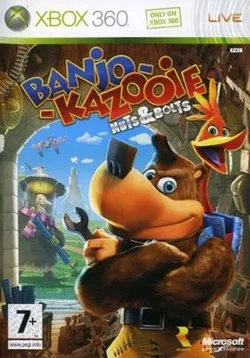
Banjo-Kazooie: Nuts & Bolts arrived on the Xbox 360 in 2008, marking a significant departure from the traditional platforming formula that defined its predecessors. Developed by Rare, the game aimed to modernize the beloved franchise while introducing vehicular gameplay and online multigiocatore capabilities. While lauded for its innovative approach, it also faced criticism for straying too far from the core essence of what made the original Banjo-Kazooie games so special. This deep dive will explore the game’s development, technical achievements, critical reception, and lasting impact on the gaming landscape.
Visual Direction and Graphics Engineering
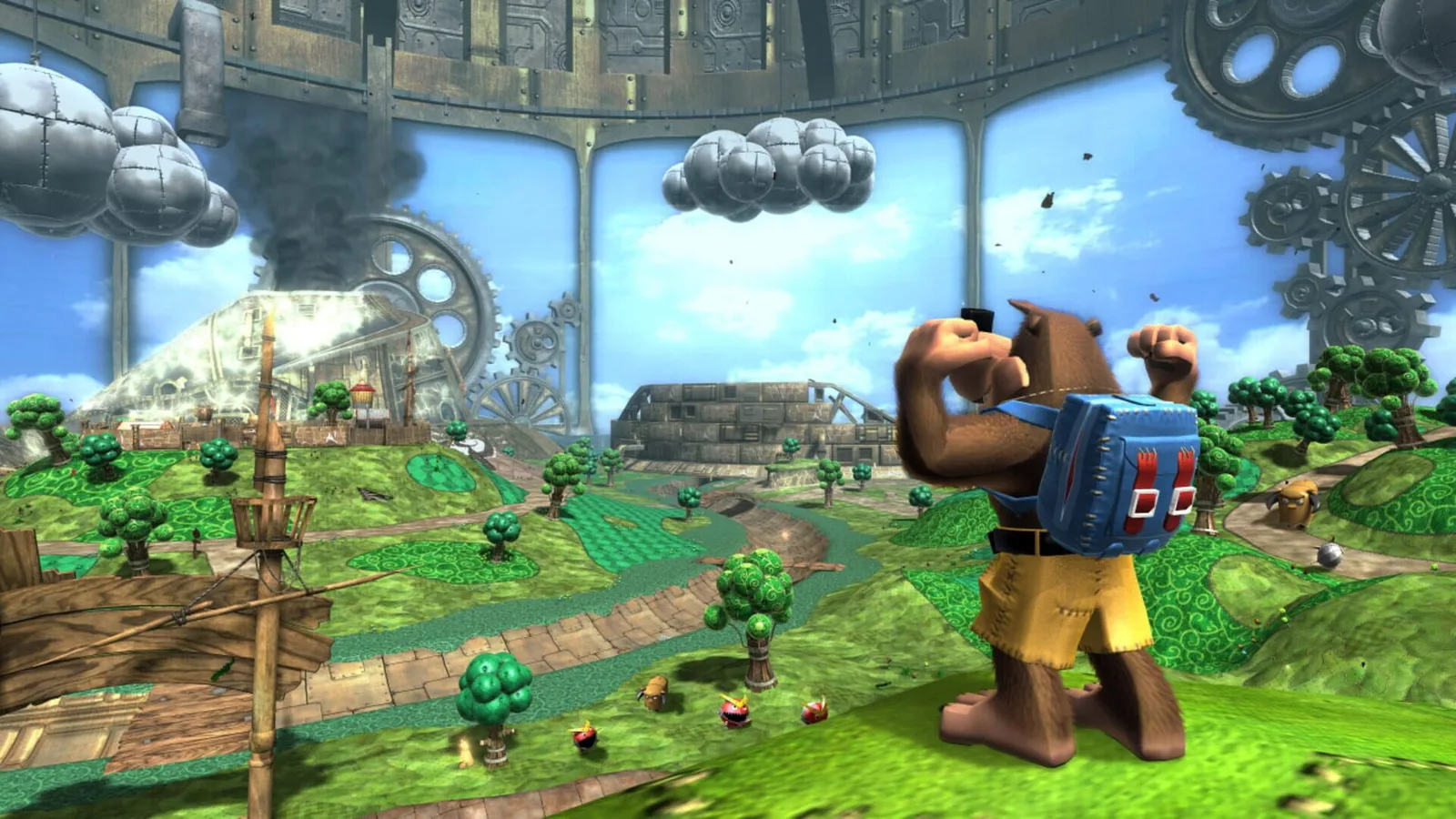
Rare leveraged a proprietary next-gen engine to bring the world of Nuts & Bolts to life. The visual style is characterized by vibrant colors, detailed character models, and expansive environments. While not pushing the boundaries of graphical fidelity compared to other Xbox 360 titles of its time, the game’s art direction successfully captures the whimsical charm of the Banjo-Kazooie universe. The Havok physics engine plays a crucial role in vehicle dynamics and environmental interactions, adding another layer of visual dynamism.
Gameplay Mechanics and Core Systems
The most significant departure from previous entries is the introduction of vehicular gameplay. Players design and build various vehicles – cars, boats, planes – using collected parts. These vehicles are then used to navigate levels and complete challenges. The game retains the core collect-a-thon elements, with players searching for vehicle blueprints and other collectibles. This shift in focus was intended to broaden the appeal of the franchise and offer a more accessible gameplay experience.
Level Design and World Atmosphere
The game features diverse environments, ranging from sprawling landscapes to intricate factory settings. While the level design emphasizes vehicular exploration, platforming elements remain present, requiring players to utilize both their vehicles and traditional jumping mechanics. The atmosphere is lighthearted and humorous, consistent with the overall tone of the Banjo-Kazooie series.
Narrative Depth and Character Profiles
The story revolves around Banjo and Kazooie’s ongoing rivalry with Gruntilda, who seeks to steal their home. While the narrative is relatively simple, it provides a framework for the game’s challenges and objectives. The characters retain their distinct personalities, with Banjo’s laid-back demeanor contrasting with Kazooie’s sassy attitude. New characters are introduced, adding depth to the game’s universe.
Sound Design and Acoustic Realism
The soundtrack features original compositions by Grant Kirkhope, Robin Beanland, and David Clynick, capturing the whimsical spirit of the Banjo-Kazooie series. Sound effects enhance the gameplay experience, providing feedback for vehicle interactions and environmental events. The audio design contributes significantly to the game’s immersive atmosphere. [[INJECT_VIDEO]]
Release Expectations and Community Hype
Banjo-Kazooie: Nuts & Bolts generated considerable hype leading up to its release, fueled by nostalgia for the original games and anticipation for Rare’s innovative approach. However, the departure from traditional platforming alienated some long-time fans, while others embraced the new direction. The game’s online multigiocatore features added another layer of excitement, allowing players to share their creations and compete with each other.
Conclusion: The Future of Banjo-Kazooie: Nuts & Bolts
Banjo-Kazooie: Nuts & Bolts represents a bold experiment in the evolution of a beloved franchise. While not universally embraced, it demonstrated Rare’s willingness to innovate and push boundaries. The game’s legacy lies in its unique blend of platforming and vehicular gameplay, as well as its online multigiocatore features. It remains a fascinating case study in how to revitalize a classic series while appealing to both new and existing audiences.
Source: Wikipedia
Galleria

Partecipa alla conversazione