Introduction: The Next Chapter for Anno 1701
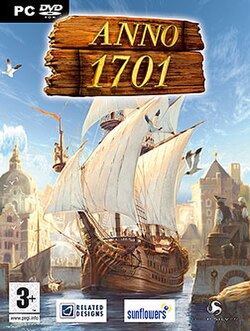
Anno 1701, a cornerstone of the acclaimed Anno series, represents a significant leap forward in real-time strategy and city-building gameplay. Developed by Related Designs and initially published by Sunflowers Interactive Entertainment Software (later Deep Silver and Ubisoft for the History Edition), this title distinguishes itself through its intricate economic systems, expansive world design, and engaging narrative. With a reported development budget of €10 million, it was the most expensive German game ever produced at the time, reflecting the ambition and scope of the project. This deep-dive review will explore Anno 1701’s key elements, from its visual direction to its intricate gameplay mechanics, offering a comprehensive analysis for both seasoned Anno veterans and newcomers alike.
Visual Direction and Graphics Engineering
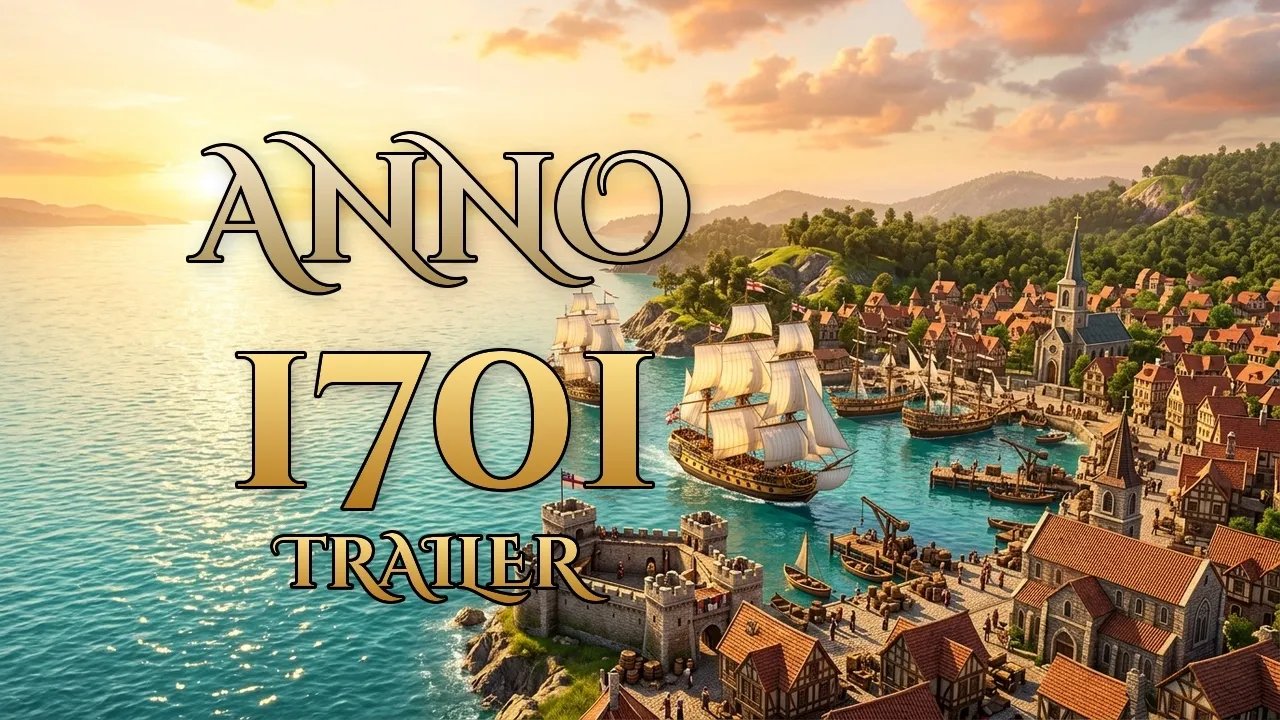
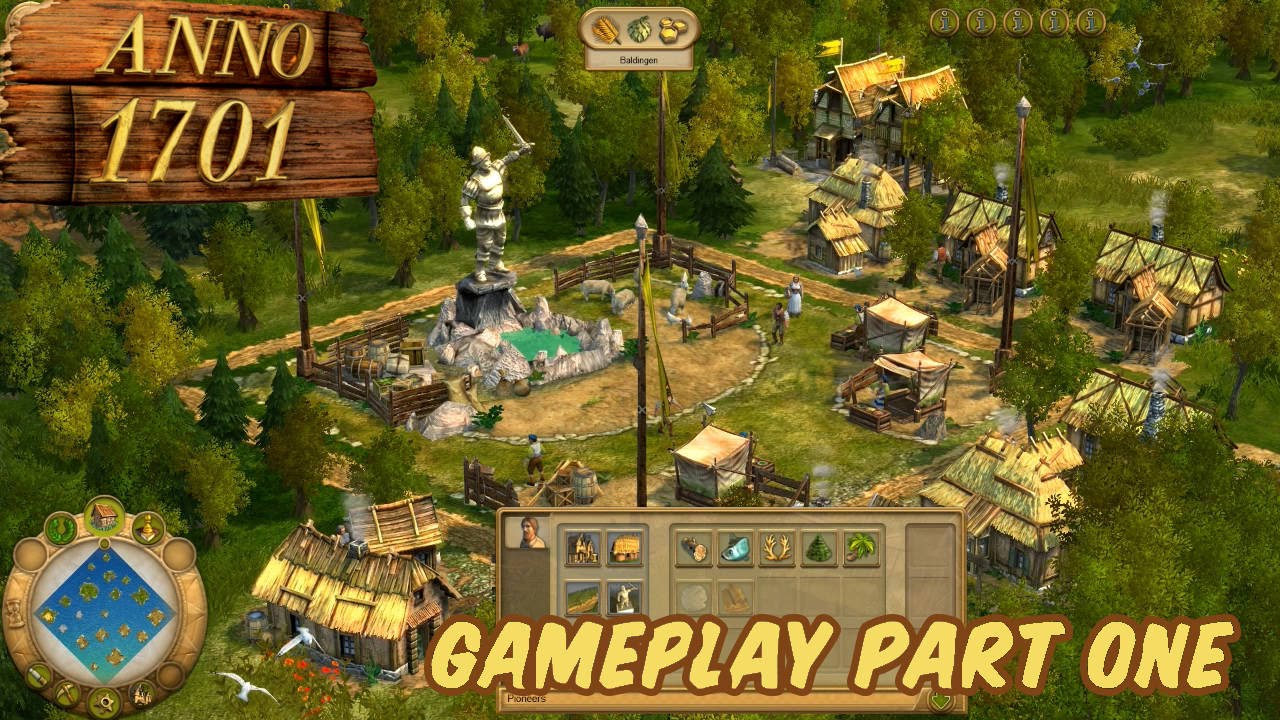
Anno 1701 boasts a distinctive visual style that blends historical accuracy with artistic license. The game’s graphics engine, while proprietary, delivers detailed environments, from the lush landscapes of the “New World” to the bustling ports of colonial settlements. The attention to detail in building design and character models contributes significantly to the immersive experience. While not pushing the boundaries of graphical fidelity by today’s standards, the game’s art style remains charming and effective, creating a visually appealing world that invites exploration. Optimization was clearly a priority, allowing the game to run smoothly on a range of hardware configurations at the time of its release. The use of color palettes and lighting effects further enhances the atmosphere, particularly during dynamic weather events or nighttime sequences.
Gameplay Mechanics and Core Systems
At its heart, Anno 1701 is an economic simulation disguised as a real-time strategy game. Players must carefully manage resources, production chains, and population needs to build and expand their colonial empire. The game features a complex system of interconnected buildings and dependencies, requiring players to optimize their layouts and logistics to ensure efficient resource flow. Unlike many RTS games that focus solely on military conquest, Anno 1701 emphasizes long-term planning and sustainable development. Players must balance the needs of their citizens with the demands of production, all while navigating political alliances and potential conflicts with rival factions. The game offers a compelling blend of strategic depth and accessibility, making it enjoyable for both casual players and hardcore strategists.
Level Design and World Atmosphere
The world of Anno 1701 is vast and diverse, offering a wide range of environments to explore and exploit. From tropical islands teeming with exotic wildlife to rugged mountain ranges rich in mineral deposits, each location presents unique challenges and opportunities. The game’s level design encourages players to expand their influence across the archipelago, establishing trade routes and forging alliances with indigenous populations. The atmosphere is further enhanced by dynamic weather effects, realistic water physics, and a day-night cycle that adds another layer of immersion. The game’s map system allows for seamless navigation between islands, making it easy to manage multiple settlements simultaneously.
Narrative Depth and Character Profiles
While the core gameplay revolves around economic management, Anno 1701 also features a compelling narrative that unfolds through interactions with various characters and factions. Players encounter a diverse cast of personalities, each with their own motivations and agendas. These interactions often lead to quests and missions that add depth and context to the game world. The story explores themes of colonialism, trade, and cultural exchange, offering players a glimpse into the complexities of 18th-century life. While not as heavily emphasized as in some narrative-driven games, the storyline provides a welcome break from the constant demands of resource management.
Sound Design and Acoustic Realism
The sound design in Anno 1701 plays a crucial role in creating an immersive experience. The game features a dynamic soundtrack that adapts to the player’s actions and the surrounding environment. Realistic ambient sounds, such as the crashing waves, the cries of seagulls, and the bustling activity of colonial settlements, further enhance the sense of immersion. The sound effects for building construction, resource gathering, and combat are all well-executed, providing clear feedback on the player’s actions. The soundtrack, composed by Dynamedion, is particularly noteworthy, blending orchestral arrangements with period instruments to create a unique and evocative atmosphere.
Release Expectations and Community Hype
Upon its release, Anno 1701 generated significant hype within the gaming community, largely due to its pedigree as part of the acclaimed Anno series. The game was praised for its innovative gameplay mechanics, stunning visuals, and immersive world design. While some critics noted that the learning curve could be steep for new players, the overall reception was overwhelmingly positive. The release of the “History Edition” by Ubisoft further extended the game’s lifespan, introducing new features and content to attract both veteran fans and newcomers alike. The community surrounding Anno 1701 remains active to this day, with dedicated forums, modding communities, and ongoing discussions about gameplay strategies and historical accuracy.
Conclusion: The Future of Anno 1701
Anno 1701 stands as a testament to the enduring appeal of real-time strategy and city-building games. Its innovative gameplay mechanics, stunning visuals, and immersive world design have cemented its place as a classic in the genre. While newer titles may offer more advanced graphics or streamlined interfaces, Anno 1701 retains a unique charm and depth that continues to captivate players. The game’s enduring popularity is evident in the continued activity of its online community and the ongoing development of mods and expansions. As technology advances, it will be interesting to see how future iterations of the Anno series build upon the foundation laid by this seminal title.
Source: Wikipedia


