Introduction: The Next Chapter for A Way Out
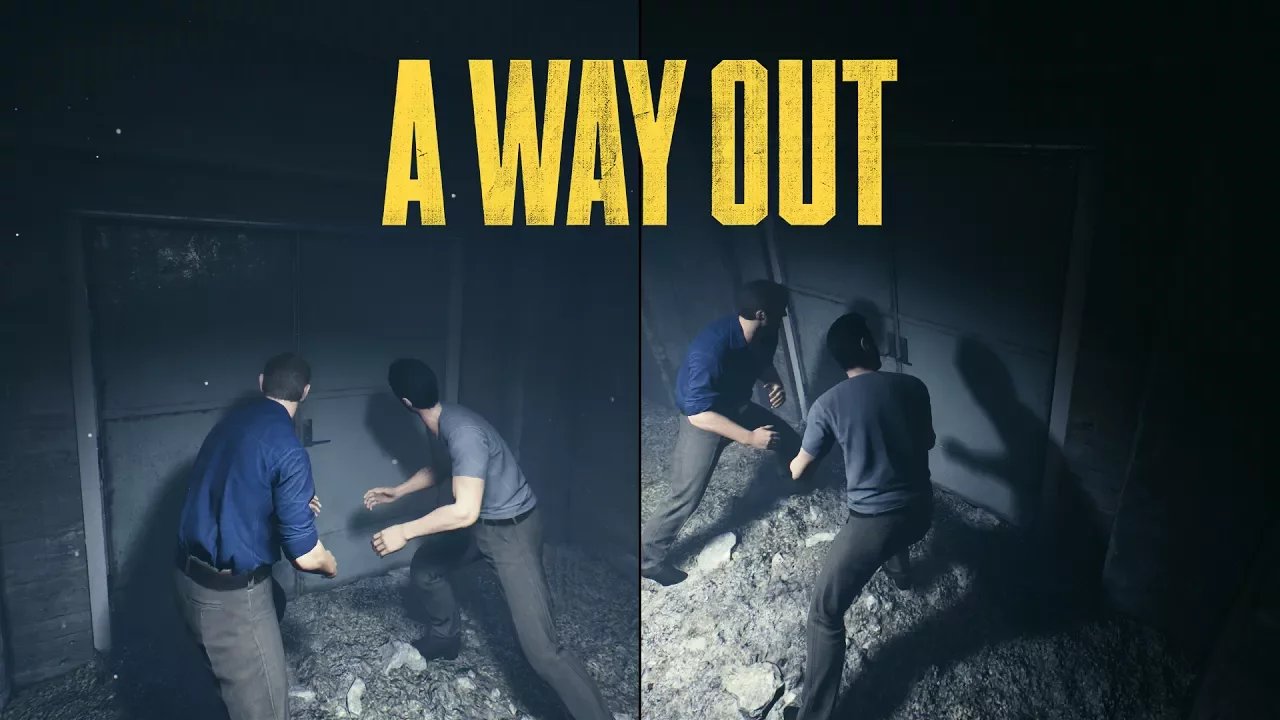
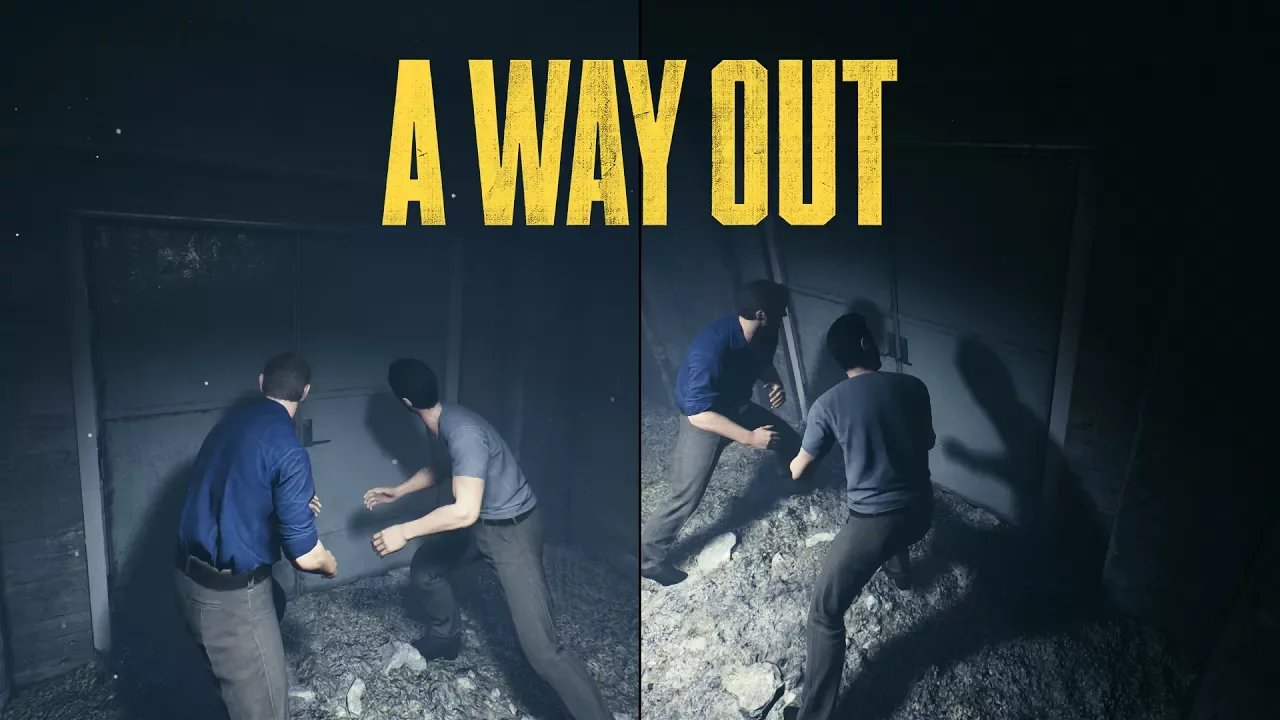
“A Way Out,” developed by Hazelight Studios and published by Electronic Arts, represents a bold experiment in cooperative gaming. Released in 2018, the game immediately distinguished itself with its unwavering commitment to split-screen co-op, foregoing a single-player mode entirely. This design choice, coupled with Josef Fares’ distinctive directorial style, set “A Way Out” apart and sparked considerable discussion within the gaming community. The game tells the intertwined stories of Leo and Vincent, two prisoners who must work together to escape incarceration and navigate the challenges that follow. Its success lies not only in its innovative gameplay but also in its ability to create a compelling narrative experience that demands cooperation and communication between players.
Visual Direction and Graphics Engineering
“A Way Out” leverages the power of Unreal Engine 4 to deliver a visually engaging experience. While not pushing the absolute limits of hardware, the game’s art style is carefully crafted to enhance its atmosphere and storytelling. Character models are detailed enough to convey emotion and personality, while environments range from the claustrophobic confines of prison cells to expansive outdoor landscapes. The developers made deliberate choices regarding lighting and color palettes to create a sense of tension and realism. The game’s visual fidelity is consistent across platforms, ensuring a comparable experience for players on PlayStation 4, Windows, and Xbox One. Optimization was clearly a priority, allowing the game to run smoothly even on less powerful hardware configurations.
Gameplay Mechanics and Core Systems
The core gameplay of “A Way Out” revolves around cooperative problem-solving. Players must constantly communicate and coordinate their actions to overcome obstacles, solve puzzles, and evade capture. Each player controls one of the two protagonists, Leo and Vincent, and their individual skills and abilities are crucial for success. The game features a variety of gameplay mechanics, including stealth sequences, action set pieces, and dialogue-driven interactions. One player might be distracting guards while the other picks a lock, or one character might be providing cover fire while the other advances. This constant need for collaboration is what makes “A Way Out” such a unique and rewarding experience.
Level Design and World Atmosphere
The level design in “A Way Out” plays a crucial role in creating its immersive atmosphere. Environments are meticulously crafted to tell stories and provide context for the unfolding narrative. From the oppressive architecture of the prison to the sprawling landscapes outside, each location contributes to the overall sense of tension and realism. The game’s designers cleverly utilize environmental storytelling techniques, incorporating subtle details that reveal more about the characters and their world. This attention to detail helps to draw players into the experience and make them feel like they are truly part of the story.
Narrative Depth and Character Profiles
“A Way Out” boasts a compelling narrative that explores themes of redemption, betrayal, and the complexities of human relationships. The game’s writers have created two distinct protagonists, Leo and Vincent, each with their own motivations, flaws, and backstories. As players progress through the story, they learn more about these characters and begin to understand their perspectives. The game’s narrative is not always straightforward; it presents moral ambiguities and challenges players to make difficult choices. This depth of character development and storytelling is a key element that sets “A Way Out” apart from other cooperative games.
Sound Design and Acoustic Realism
The sound design in “A Way Out” is integral to its immersive quality. The game features a dynamic soundtrack that responds to the player’s actions, creating a sense of tension and excitement. Environmental sounds are meticulously crafted to create a realistic atmosphere, from the clanging of prison gates to the rustling of leaves in the forest. Voice acting is also top-notch, with each character brought to life by talented performers. The combination of music, sound effects, and voice acting creates a truly unforgettable audio experience.
Release Expectations and Community Hype
Prior to its release, “A Way Out” generated considerable hype within the gaming community. Josef Fares’ reputation as a visionary director, coupled with the game’s unique cooperative gameplay mechanics, created a sense of anticipation. Early previews and trailers showcased the game’s stunning visuals and compelling narrative, further fueling excitement. The decision to forgo a single-player mode was met with both praise and criticism, but it undoubtedly sparked conversation and helped to position “A Way Out” as a must-play title for fans of cooperative gaming.
Conclusion: The Future of A Way Out
“A Way Out” represents a bold step forward in the evolution of cooperative gaming. Its unwavering commitment to split-screen co-op, coupled with its compelling narrative and stunning visuals, has made it a truly unforgettable experience. While the decision to forgo a single-player mode may not be for everyone, it undoubtedly helped to position “A Way Out” as a unique and innovative title. The game’s success suggests that there is a growing demand for cooperative experiences that prioritize communication and collaboration. As technology continues to advance, we can expect to see even more innovative and immersive cooperative games in the future.
Source: Wikipedia


